
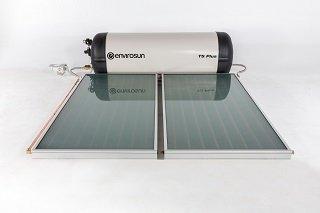
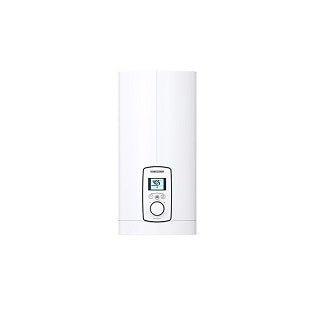


200L Slimline Roof Mount
Compact single-panel roof-mounted solar system designed for smaller homes, granny flats and properties with lower hot-water demand.
Current specifications use a 200L vitreous-enamel tank and 2.4kW electric booster.
From

Compare electric, gas, heat pump and solar hot water systems with upfront online pricing. Use our guide to narrow the right system or browse the full installed range.
We’ll work out where you should go next. Sizing and model selection come after.
Drag to compare how your hot water system choice can change what you pay to run it over 10 years.
Real stories from hot water system homeowners who’ve experienced fast installs, expert advice, and 5-star service with JR Gas & Water.
Book an onsite inspection and one of our plumbers can inspect your existing hot water system, review the installation requirements and talk you through suitable replacement options before you choose. We can compare electric storage, heat pump, gas and solar hot water options based on your home and existing setup.
Ideal if you would prefer a plumber to inspect the existing system and discuss your hot water replacement options onsite before choosing.
Spread the cost of your new hot water system with flexible payment options on eligible purchases. Pay securely with Zip, Afterpay, PayPal, Google Pay, Visa or Mastercard .


Solargain is an Australian solar and hot water business best known for roof-mounted and split solar hot water systems designed for Australian conditions. Its current Solargain-branded range includes compact 200L roof-mounted solar, multiple 300L roof-mounted configurations and ground-mounted solar systems with electric or gas boosting.
JR Gas & Water supplies, replaces and installs suitable solar hot water systems throughout Brisbane, the Gold Coast and eligible South East Queensland service areas.
Solargain also sells heat pump hot water, but its current heat-pump offering is primarily the separate iStore brand. The Solargain-branded hot-water range itself is centred on solar thermal technology.
The figures below are pulled only from genuine available Solargain-branded products in JR Gas & Water's live collection.
Rheem, iStore and other manufacturers are excluded even where those products are also sold by Solargain elsewhere.
The lowest-priced currently available genuine Solargain system is the from .
Sold-out products, unrelated brands, spare parts, servicing and installation-only products are excluded.
| Solargain type | Current JR price range | Configuration |
|---|---|---|
| Roof-Mounted Solar | – | Tank and collectors together on roof. |
| Ground-Mounted Solar | – | Roof collectors with storage tank at ground level. |
Compact single-panel roof-mounted solar system designed for smaller homes, granny flats and properties with lower hot-water demand.
Current specifications use a 200L vitreous-enamel tank and 2.4kW electric booster.
FromSolargain's main roof-mounted family system, available in single-panel and twin-panel configurations with electric or gas boosting depending on the exact model.
FromSplit solar configuration using roof-mounted flat-panel collectors and a 315L ground-level storage cylinder with electric boosting.
FromSolargain's roof-mounted systems use the traditional close-coupled thermosiphon principle.
The storage cylinder sits above the solar collector on the roof. As the water in the collector heats, it becomes less dense and naturally rises into the storage tank while cooler water moves down toward the collector.
This means the normal solar circulation process does not require a circulation pump.
The 200L Slimline is Solargain's compact roof-mounted solar option.
Current manufacturer information combines the 200L tank with a single double-insulated collector and a 2.4kW electric booster.
Solargain positions it for smaller households, retirement living, granny flats and applications where roof space is more limited.
The current tank uses vitreous-enamel protection and a sacrificial anode.
The 300L platform is the core Solargain roof-mounted family system and can be configured with one or two collectors depending on hot-water demand and available roof area.
Suited to lower or moderate hot-water demand and properties where roof space is limited or solar contribution is particularly strong.
Provides a larger solar-collection area for medium to high household demand and is the stronger family configuration where roof space allows.
Electric-boosted Solargain systems use an immersion heating element inside the storage cylinder to provide additional heating when available solar energy is insufficient.
The booster can therefore maintain reliable hot water during extended cloudy weather or periods of unusually high household demand.
Solargain's current 200L and 300L roof-mounted systems include electric-boosted configurations, while its 315L ground-mounted system uses a 3.6kW electric element.
Selected Solargain roof-mounted systems can use an inline continuous-flow gas booster instead of relying solely on an electric element.
The booster only adds heat where the solar-heated water has not already reached the required temperature.
Current Solargain information lists a 6-star inline booster on the 300L twin-panel configuration, with both Natural Gas and LPG options available.
Ground-mounted or split solar separates the storage cylinder from the roof collectors.
The collectors remain on the roof, while the cylinder is positioned at ground level and a circulation pump transfers heat between the roof and storage system.
This reduces the amount of hot-water storage weight on the roof and makes the tank easier to access for servicing.
Solargain's current 315L twin-panel electric-boosted system uses approximately 4m² of collector area and a 3.6kW booster element.
| Feature | Roof Mount | Ground Mount |
|---|---|---|
| Tank position | On roof | Ground level |
| Collectors | Roof | Roof |
| Solar circulation | Natural thermosiphon | Pumped circulation |
| Roof weight | Higher | Lower |
| Tank servicing access | Roof access required | Generally easier |
| Ground space required | No tank footprint | Yes |
Current Solargain flat-panel systems use copper absorber construction to transfer solar heat into the water.
Ground-mounted product information specifies copper fins ultrasonically welded to copper risers, selective coatings and tempered solar glass.
Collector size and quantity should be matched to tank capacity, household demand, roof orientation and local solar conditions.
Current Solargain solar hot-water products use protected steel storage cylinders rather than stainless-steel tanks.
Product specifications list vitreous-enamel or glass-enamel internal protection together with sacrificial-anode corrosion protection.
That means future anode condition and water quality should form part of long-term servicing.
Solargain recommends a major hot-water service approximately every five years.
Its own five-year service program includes inspection or replacement of items such as the sacrificial anode and PTR valve, along with checks of the booster, electrics, collectors and solar circulation equipment where applicable.
Ground-mounted pumped systems also have circulation equipment that does not exist on a basic thermosiphon roof-mounted system.
JR sizes stored hot water around actual household demand rather than simply selecting a tank by occupant count.
Our starting allowances are approximately 40 litres per person per day for light use, 50 litres for average use, 65 litres for high use and around 80 litres for very heavy demand.
Best suited to lower-demand homes, couples, granny flats and smaller households where roof area and stored capacity can remain compact.
The main family-size roof-mounted Solargain platform, with single or twin collector choices depending on solar contribution and demand.
Ground-mounted family-size storage suited where tank accessibility or reduced roof loading makes a split solar system more attractive.
Solargain sells both solar hot-water systems and heat-pump options, but the technologies work differently.
Roof collectors directly absorb solar heat and transfer that thermal energy into the stored water. Electric or gas boosting covers periods of insufficient solar gain.
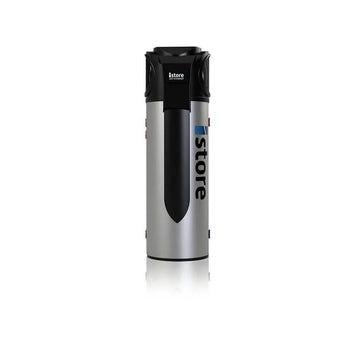
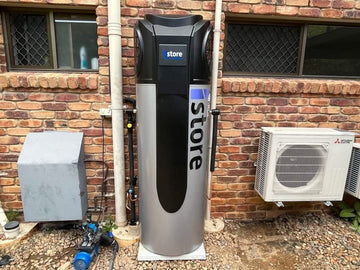
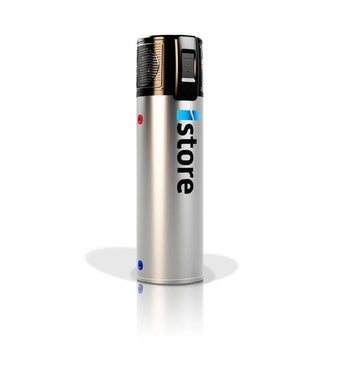
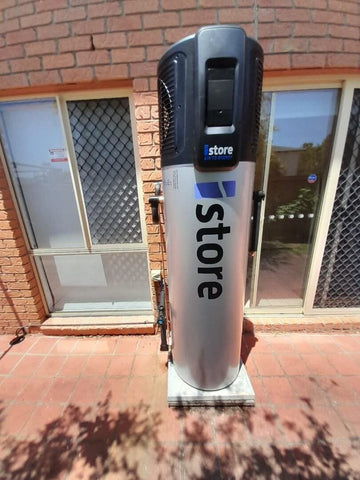
Uses electricity to operate a refrigeration cycle that extracts heat from ambient air. Solargain currently markets iStore heat pumps in this category rather than a Solargain-branded heat-pump model.
Solargain currently sells iStore heat pump hot water systems through its hot-water range.
However, iStore is its own product brand and should not be described as a Solargain-branded heat pump.
Solargain currently lists iStore heat pumps in 180L and 270L capacities, while Solargain-branded hot-water products are primarily solar-thermal systems.
South East Queensland is well suited to solar hot water because of the high annual solar contribution available across Brisbane and the Gold Coast.
Roof orientation, shading, collector pitch, household usage and backup strategy still determine how much of the annual hot-water demand is actually supplied by solar energy.
A well-positioned solar hot-water system can substantially reduce booster operation compared with a poorly located or undersized collector setup.
Replacement does not always require copying the existing Solargain configuration exactly.
An older roof-mounted solar system can be replaced with another roof-mounted product, a ground-mounted split solar system, a modern heat pump or conventional electric storage depending on the property and priorities.
Tank condition, collectors, roof access, booster type, household demand and repair cost should all be considered before deciding whether to repair or replace.
Eligible approved solar hot-water systems can generate Small-scale Technology Certificates where the model and installation comply with the current scheme.
The certificate quantity varies according to the exact model, installation location and current regulator listing.
Solargain's current solar products are promoted as eligible for applicable federal renewable-energy incentives.
JR Gas & Water installs suitable solar hot-water systems throughout Brisbane, the Gold Coast and eligible South East Queensland service areas.
Solar installation needs to consider roof structure, orientation, shading, collector position, tank location, plumbing, booster connection, electrical or gas services, drainage and future service access.
Ground-mounted split solar also requires correctly installed insulated solar flow and return pipework and appropriate circulation-control setup.
Current genuine available Solargain systems at JR Gas & Water range from to .
Yes. Solargain currently offers its own branded roof-mounted and ground-mounted solar hot-water systems.
Solargain sells heat-pump hot water systems, but its current published heat-pump range uses the separate iStore brand rather than a Solargain-branded heat pump.
iStore is a separate product brand sold through Solargain's hot-water and home-energy range. It should not be described as a Solargain-branded heat pump.
Current published Solargain-branded products include compact 200L roof-mounted systems, 300L roof-mounted systems and a 315L ground-mounted system. Broader regional material also references 250L and 315L split-system options.
Standard roof-mounted Solargain systems use thermosiphon circulation. Water heated in the collector naturally rises into the roof-mounted storage cylinder while cooler water circulates down toward the collector.
Standard thermosiphon roof-mounted models do not need an electric circulation pump for normal solar circulation.
Yes. Split ground-mounted solar systems use a circulation pump and controller to move heat between the roof collectors and ground-level storage tank.
Yes. Current Solargain roof and ground-mounted ranges include electric-boosted configurations for periods when solar energy is insufficient.
Yes. Selected 300L roof-mounted Solargain systems use an inline continuous-flow gas booster. Current manufacturer information lists Natural Gas and LPG options.
Solargain's main family roof-mounted platform is currently 300L, with single-panel and twin-panel configurations.
Yes. Solargain currently lists a 200L Slimline roof-mounted system with a single collector and electric boost.
The current IHE2-20-315GL is a 315L vitreous-enamel split solar system using twin roof-mounted collectors and a 3.6kW electric booster.
Current Solargain solar product specifications use protected steel tanks with vitreous or glass-enamel internal coatings rather than stainless-steel cylinders.
Yes. Current Solargain tank specifications list sacrificial-anode corrosion protection.
Solargain recommends a major service approximately every five years, including checks of the anode, PTR valve, booster, collectors and solar circulation equipment where applicable.
Neither configuration suits every home. Roof mount is mechanically simple and requires no tank footprint at ground level, while split ground mount reduces roof weight and gives easier access to the storage cylinder.
Solar collectors can still contribute in lower-light conditions, but electric or gas boosting is used when available solar energy cannot meet the household's hot-water demand.
Yes. A heat pump can be a practical alternative when an older solar system reaches the end of its life, particularly where removing roof-mounted collectors and keeping the new system at ground level is desirable.
Not automatically. JR recommends sizing the replacement from current household demand, collector performance and replacement technology rather than simply copying the old tank capacity.
Eligible approved Solargain solar systems can qualify for Small-scale Technology Certificates when the exact model and installation meet current scheme requirements.
See JR's Hot Water Rebates Queensland page for current information.
JR Gas & Water can install suitable solar hot-water systems throughout its Brisbane service area, subject to system availability and site requirements.
Yes. Suitable solar hot-water systems can be installed throughout JR Gas & Water's Gold Coast service area.
Yes. Solar jobs can depend heavily on roof layout, orientation, collectors, booster type and existing services, so you can request an onsite or written quote before choosing the final replacement.
Start by deciding whether roof-mounted or split ground-mounted solar best suits the property. Then size the tank and collector area around household demand and choose the appropriate electric or gas backup. If solar thermal is no longer the right fit, compare a modern heat pump before automatically replacing the old system like-for-like.
Compare your current hot water system running costs against an efficient heat pump setup and see how much your household could save over 10 years.


