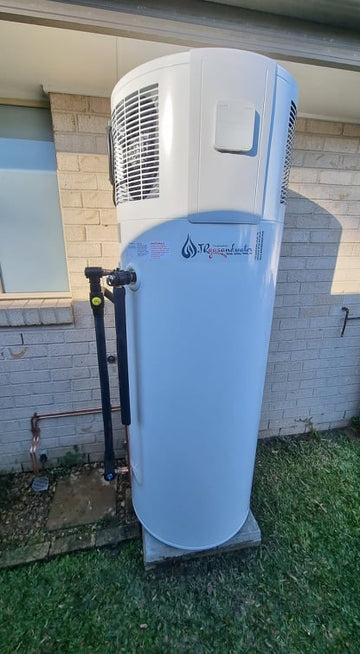
Heat Pump Hot Water Not Heating Properly in Winter: What to Check
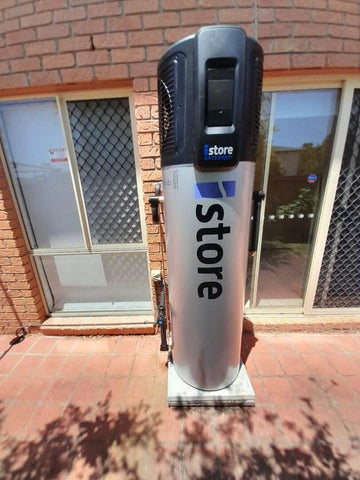
If your heat pump hot water system is not heating properly in winter, it may be struggling with low air temperature, poor airflow, timer settings, high household demand, a faulty booster element, sensor fault, refrigeration issue, water leak or tempering valve problem. Heat pumps are efficient, but they still need the right installation location, airflow, electrical setup and operating conditions to perform properly.
For homes across Brisbane, Gold Coast and South East Queensland, winter is usually mild compared with southern states, but cooler mornings, shaded locations, high hot water use and poor airflow can still expose problems with a heat pump hot water system.
Quick Answer
A heat pump hot water system may not heat properly in winter because of:
-
Low overnight air temperature
-
Poor airflow around the unit
-
System installed in a cold, shaded or enclosed area
-
Timer or off-peak settings limiting run time
-
Backup element not working
-
High household hot water demand
-
Undersized tank
-
Dirty air intake or blocked fan area
-
Error code or sensor fault
-
Refrigeration circuit issue
-
Tempering valve fault
-
Hot water leak or leaking relief valve
-
Old or poorly installed system
Start with safe checks only: look for error codes, check power, check timer settings, confirm the unit has airflow, and see whether the issue affects the whole house. Do not remove covers, alter wiring, adjust refrigerant components or bypass controls.
JR Gas & Water can help with hot water repairs and servicing, heat pump replacement advice and heat pump hot water systems across Greater Brisbane and the Gold Coast.
How Heat Pump Hot Water Works
A heat pump hot water system does not heat water the same way as a standard electric storage system. Instead of relying only on an electric element, it extracts heat from the surrounding air and transfers that heat into the water cylinder.
That makes heat pumps very efficient, but it also means performance depends on:
-
Air temperature
-
Airflow
-
Installation location
-
Run time
-
System size
-
Household demand
-
Controls and sensors
-
Backup element operation
-
Plumbing setup
When winter hits, a system that was already marginal can start showing problems.
Common Reasons a Heat Pump Does Not Heat Properly in Winter
1. Low Air Temperature
Heat pumps work harder when the air is colder. In Brisbane and the Gold Coast, winter air is usually still suitable for heat pump operation, but cold mornings can slow recovery time.
This means the system may:
-
Take longer to reheat
-
Struggle after heavy night-time use
-
Run for longer than normal
-
Deliver cooler water by morning
-
Need help from the booster element
This is not always a fault. But if the system is consistently not producing enough hot water, it needs to be checked.
2. Poor Airflow Around the Unit
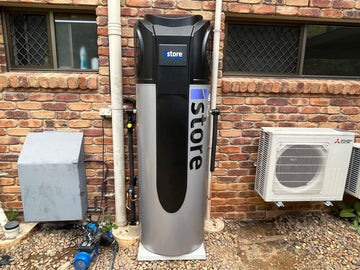
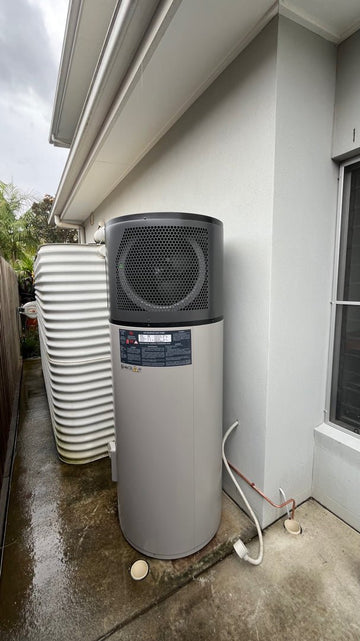
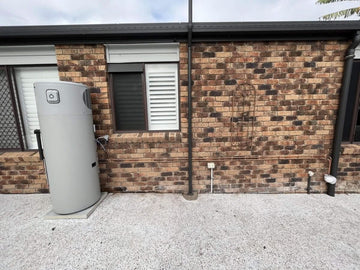
A heat pump needs plenty of clear air around it. If the unit is boxed in, installed in a tight corner or surrounded by stored items, it may not be able to extract enough heat from the air.
Common airflow problems include:
-
Unit installed in a narrow side passage
-
Fences too close to the fan side
-
Plants or screens blocking airflow
-
Storage items stacked around the unit
-
Unit installed inside an enclosed garage
-
Discharge air recirculating back into the intake
-
Poor clearance around walls or corners
Unlike a standard electric storage unit, a heat pump cannot just be hidden anywhere. Location matters.
3. Cold or Shaded Installation Location
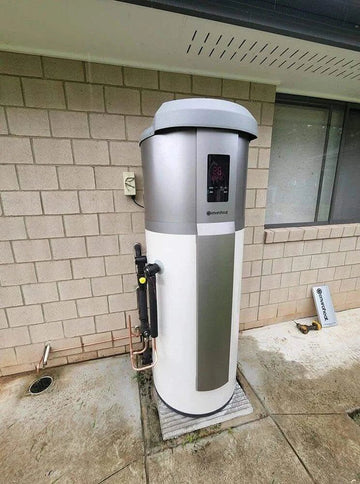
A heat pump installed in a cold, damp or heavily shaded area may perform worse in winter. This is common down the side of the house where the unit gets little sun and poor air movement.
Problem locations can include:
-
South-facing walls
-
Narrow service corridors
-
Damp side paths
-
Under stairs
-
Enclosed courtyards
-
Areas with poor wind movement
-
Locations boxed in by fences or retaining walls
A poor location does not always mean the system must be moved, but it may explain slow recovery or winter performance issues.
4. Timer or Off-Peak Settings Limiting Run Time
Some heat pump hot water systems are set to run during certain times of day. This can be useful for solar power, tariffs or noise management, but it can also cause winter hot water issues if the run window is too short.
For example, the system may not heat properly if:
-
It only runs during cold early morning hours
-
It is locked to a short off-peak window
-
The timer cuts off before the tank recovers
-
Solar timer settings do not match winter sunlight
-
The unit is turned off during the day
-
The controller has been changed accidentally
A heat pump may need more run time in winter than it does in summer.
5. Backup Element Not Working
Many heat pump hot water systems have a backup electric element. This helps when demand is high, the air temperature is low or the heat pump cannot recover quickly enough.
If the booster element is not working, the system may:
-
Run out of hot water faster
-
Take too long to recover
-
Struggle in winter
-
Show error codes
-
Never reach the set temperature
-
Leave the tank lukewarm
Element and thermostat testing involves electrical work and should be checked by a licensed electrician where required.
6. High Household Hot Water Demand
Winter often increases hot water use. Longer showers, more baths, more laundry and cooler incoming water all add load to the system.
The issue may not be a failed heat pump. It may be that the system is being asked to do more than it can recover from.
High-demand signs include:
-
Hot water is fine in the morning but runs out at night
-
System struggles after multiple showers
-
Hot water runs out when visitors stay
-
Recovery is slow after baths
-
Unit works better when usage is reduced
-
Problem is worse on cold mornings
If the system is too small for the home, repair will not fix the sizing problem.
7. Undersized Tank
A heat pump needs to be sized to the household. If the tank is too small, winter will expose the issue faster because recovery takes longer and incoming water is colder.
An undersized system may cause:
-
Short hot water supply
-
Lukewarm showers
-
Long recovery times
-
Frequent booster use
-
Complaints from larger families
-
Poor performance during back-to-back showers
When replacing a failed electric or gas hot water system with a heat pump, the tank size and recovery rate need to suit the home, not just the old unit location.
8. Dirty Intake, Blocked Fan or Debris Around the Unit
Heat pump units pull air through the system. Leaves, dust, cobwebs, insects and garden debris can reduce airflow and performance.
Common signs include:
-
Unit sounds louder than normal
-
Fan area looks blocked
-
Airflow feels weak
-
System runs longer
-
Error codes appear
-
Heating performance drops gradually
You can safely clear loose debris around the outside of the unit, but do not remove covers or access internal components unless you are licensed and authorised to do so.
9. Error Codes or Controller Faults
If the heat pump displays an error code, take a photo before resetting anything. Error codes can relate to sensors, fan faults, compressor faults, water temperature, electrical faults or communication issues.
Do not keep resetting the system every day. A repeated error code means the system needs proper diagnosis.
Useful information to record includes:
-
Error code number
-
When it appears
-
Whether the fan runs
-
Whether the compressor runs
-
Whether the water is cold or lukewarm
-
Whether the issue started after storms
-
Whether the system has recently been serviced or moved
10. Refrigeration Circuit Issue
A heat pump uses refrigeration components to move heat from the air into the water. If the compressor, refrigerant circuit, valves or sensors are not working properly, the system may run without heating correctly.
Possible signs include:
-
Fan runs but water does not heat
-
Compressor does not sound like it is starting
-
System runs for hours with poor recovery
-
Error codes appear
-
Unit trips power
-
Heating performance drops suddenly
-
Ice or abnormal condensation appears
Refrigeration-side faults are not DIY work. They require appropriate licensed assessment.
11. Tempering Valve Issue
A tempering valve blends hot water with cold water to deliver safer outlet temperatures to fixtures. If the tempering valve is faulty, stuck or incorrectly operating, the water at taps may be lukewarm even if the tank is hot.
A tempering valve issue may look like:
-
Lukewarm water throughout the house
-
Hot water at the tank but not at fixtures
-
Temperature changes during use
-
Poor shower temperature
-
Hot water pressure issues
-
Trouble after valve replacement or plumbing work
This is a plumbing issue, not a heat pump refrigeration issue. A licensed plumber can test and replace the valve where required.
12. Leaking Relief Valve or Hot Water Leak
If hot water is leaking from the system or pipework, the heat pump may be heating water that is being wasted. This can make the system seem like it cannot keep up.
Check for:
-
Water discharging from the relief valve
-
Constant water around the base of the unit
-
Hot water pipe leaks
-
Wet ground near the drain line
-
Water meter movement when no taps are on
-
High water bills
-
Hot water running out faster than normal
Some relief valve discharge is normal during heating, but constant running or heavy discharge needs checking.
What You Can Safely Check First
Before booking a service call, you can do a few safe checks without opening the unit.
Check:
-
Is the unit turned on?
-
Is there an error code on the display?
-
Is the fan running?
-
Is there clear airflow around the system?
-
Are fences, plants or stored items blocking the unit?
-
Has the timer been changed?
-
Is the system on off-peak power?
-
Is there water leaking from the tank or valves?
-
Is the problem at every tap or only one fixture?
-
Has hot water demand increased?
-
Did the issue start after heavy rain or a power outage?
Take photos of the unit, controller, error code, installation location and any leaks. This helps with diagnosis.
What Not To Do
Do not treat a heat pump like a basic appliance you can pull apart. It has plumbing, electrical and refrigeration components.
Do not:
-
Remove electrical covers
-
Adjust wiring
-
Open refrigeration components
-
Block the fan or airflow
-
Box the unit in to reduce noise
-
Cover the unit with a tarp
-
Bypass safety controls
-
Change internal settings without knowing what they do
-
Ignore repeated error codes
-
Keep resetting the system daily
-
Let a handyman work on controlled trade components
Plumbing work must be done by a licensed plumber. Electrical work must be done by a licensed electrician. Refrigeration-side work must be handled by an appropriately licensed technician.
Brisbane and Gold Coast Winter Context
SEQ winters are mild, but that does not mean heat pumps are immune to winter issues. The bigger factor is often where the system is installed.
A heat pump in an open, well-ventilated area will usually perform better than one hidden in a cold, shaded, narrow side path. Gold Coast coastal properties may also deal with corrosion, salt air and exposed weather. Brisbane homes with narrow side access, high fences and service corridors may have airflow issues.
Winter also changes household behaviour. Longer showers and cooler incoming water can make a system look faulty when it is actually undersized or poorly timed.
Repair or Replace?
Repair may make sense if:
-
The unit is relatively new
-
The issue is a setting, valve or minor component
-
Airflow can be improved
-
Parts are available
-
The cylinder is not leaking
-
The system is correctly sized
Replacement may be better if:
-
The cylinder is leaking
-
The system is old and unreliable
-
Major refrigeration components have failed
-
Parts are expensive or unavailable
-
The heat pump is too small for the home
-
The installation location is unsuitable
-
The unit has repeated winter performance issues
-
You want a better quality or larger system
JR Gas & Water can help compare repair costs against replacement options, including heat pump hot water systems, electric hot water systems and other hot water system options.
When to Call a Plumber
Book a licensed plumber or hot water technician if:
-
The system is only producing lukewarm water
-
The hot water runs out much faster than normal
-
The unit is leaking
-
The relief valve is constantly running
-
There is an error code
-
The system is not recovering overnight
-
The tempering valve may be faulty
-
The unit is old or corroded
-
The installation location looks unsuitable
-
You are unsure whether the system is safe or worth repairing
JR Gas & Water can inspect the plumbing side of the system, check valves, assess location and airflow issues, advise on replacement sizing and help determine whether the issue appears plumbing, electrical or refrigeration related.
How JR Gas & Water Can Help
JR Gas & Water can assist with heat pump hot water problems across Greater Brisbane, Gold Coast and surrounding South East Queensland service areas.
Depending on the issue, JR Gas & Water can help with:
-
Heat pump hot water fault checks
-
Hot water system replacement
-
Tempering valve checks
-
Leaking valve and pipework issues
-
System sizing advice
-
Location and airflow assessment
-
Heat pump upgrade advice
-
Electric to heat pump replacement
-
Old hot water system replacement
-
Plumbing compliance
You can book a minimum attendance and diagnostic service call or request pricing through the JR Gas & Water quote and booking page.
FAQs
Why is my heat pump hot water colder in winter?
Heat pumps work harder in colder air. If the unit has poor airflow, short run times, high demand or a faulty booster element, winter can make the problem more obvious.
Do heat pump hot water systems work in Brisbane winter?
Yes, properly selected and installed heat pump hot water systems can work well in Brisbane winter. Problems usually come from poor airflow, bad location, incorrect settings, high demand, faults or undersized systems.
Why does my heat pump take so long to reheat?
Slow recovery can be caused by cooler air, short timer settings, poor airflow, dirty intake area, faulty booster element, high hot water use, undersizing or internal faults.
Should I change the timer settings in winter?
Sometimes the run window may need to suit winter conditions better, especially if the system is not getting enough time to recover. Do not change internal trade settings unless you understand the system and manufacturer instructions.
Can a faulty tempering valve make a heat pump seem like it is not heating?
Yes. The tank may be hot, but a faulty tempering valve can deliver lukewarm water to the taps. A licensed plumber can test and replace the tempering valve if required.
Is it normal for a heat pump to make noise?
Some fan and compressor noise is normal. Loud, grinding, rattling, buzzing or sudden noise changes should be checked, especially if heating performance has dropped.
Can I cover my heat pump to protect it from winter weather?
No. Covering or boxing in a heat pump can restrict airflow and make performance worse. Heat pumps need clear air movement to operate properly.
Should I repair or replace my heat pump hot water system?
If the unit is newer and the issue is minor, repair may be worthwhile. If the tank is leaking, the system is old, major components have failed or the unit is undersized, replacement may be better value.
Final Word
A heat pump hot water system that does not heat properly in winter is not always broken, but it should not be ignored. The issue may be airflow, location, timer settings, high demand, a failed booster element, tempering valve problem, leak, error code or internal heat pump fault.
Start with safe checks only. Do not pull covers off or modify the system. If the problem keeps happening, JR Gas & Water can inspect the plumbing and hot water side, help identify the likely cause and advise whether repair or replacement is the smarter option.




Plumbing & Gas Fitting Across South East Queensland
Looking for a local plumber? JR Gas & Water provides plumbing and gas fitting services throughout Greater Brisbane, Logan, Ipswich, Moreton Bay, Redlands and the Gold Coast.
View all plumbing & gas fitting service areas