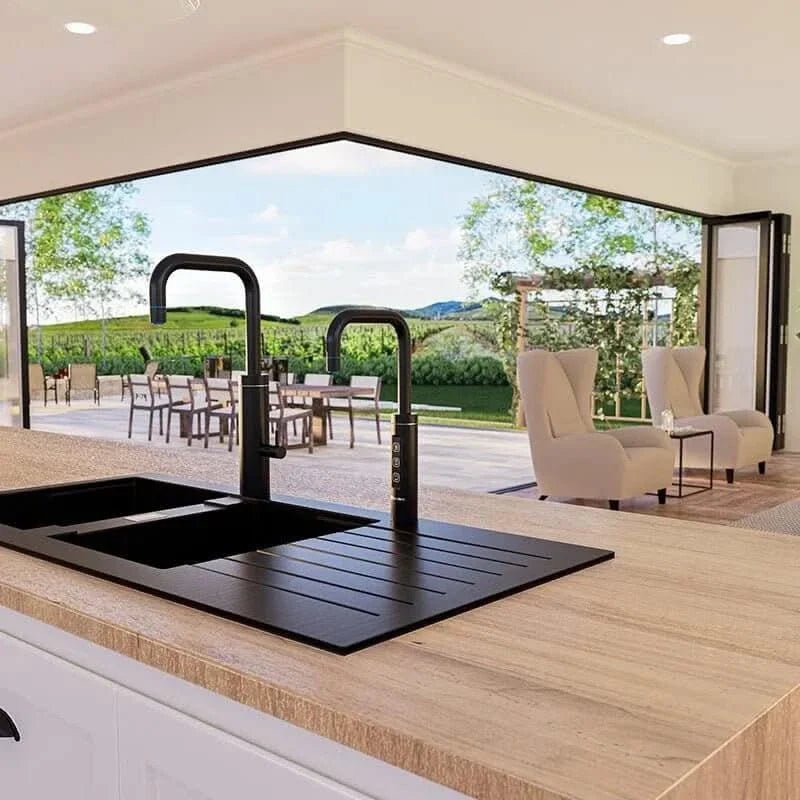
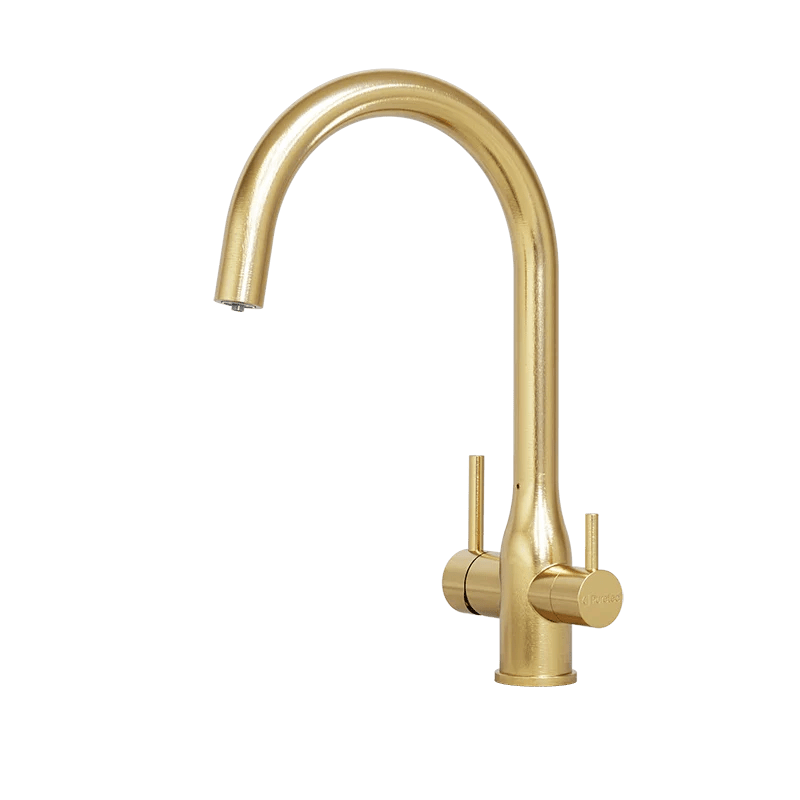
Point of Use Water Filtration Systems
Point of use water filtration treats water at the outlet where it is actually
used rather than filtering the entire property's water supply. In most homes,
that means dedicated filtration at the kitchen sink, but point-of-use systems
can also be installed in butler's pantries, office kitchens and other selected
drinking-water locations.
JR Gas & Water supplies and installs point of use water filtration systems
throughout Greater Brisbane, the Gold Coast, Logan, Ipswich, Redlands, Moreton
Bay, Scenic Rim and surrounding South East Queensland areas.
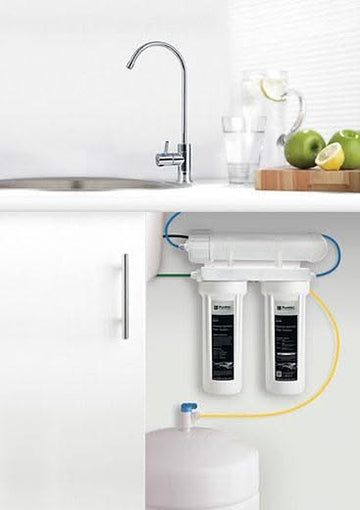
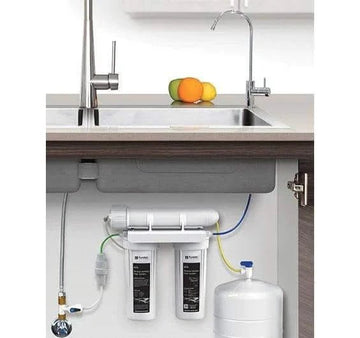
The category includes under-sink cartridge filters, dedicated drinking-water
taps, 3-way filtered kitchen mixers, reverse-osmosis systems and premium
boiling, chilled or sparkling filtered-water appliances.
The right system depends on what you want treated, the level of filtration
required, filtered-water demand, available cabinet space, preferred tap setup,
water pressure and future cartridge servicing.
JR Installer Verdict:
If your main goal is better water for drinking and cooking, point-of-use
filtration is often the most practical place to start. It applies specialised
treatment to the smaller volume of water you actually consume rather than
filtering every litre entering the property.
What Is a Point of Use Water Filter?
A point of use, or POU, water filter treats water immediately before or close
to where that water is used.
In a residential kitchen, the filtration equipment is commonly installed
below the sink and supplies a dedicated filtered-water tap or compatible
filtered mixer.
One Treatment Point
The filter concentrates treatment on a particular outlet rather than the
complete household plumbing system.
Lower Treatment Flow
Because only drinking or kitchen water is treated, the system normally handles
far less flow than whole-house filtration.
Specialised Filtration
The lower treatment volume makes technologies such as fine drinking-water
filtration and reverse osmosis practical.
Simple definition:
Point of use means filtering water where you use it. Point of entry means
filtering water where it enters the property.
Types of Point of Use Water Filtration Systems
Under Sink Water Filters
Compact filtration installed beneath the kitchen sink and connected to a
dedicated drinking-water outlet or compatible mixer.
Compare under-sink filters →
Dedicated Drinking-Water Tap
A separate small tap supplies filtered water while the existing kitchen mixer
continues to provide normal hot and cold water.
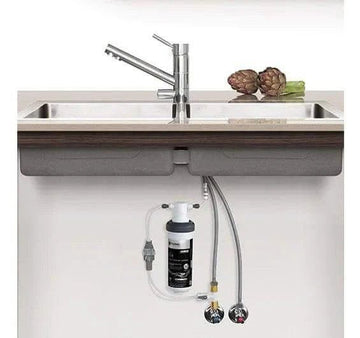
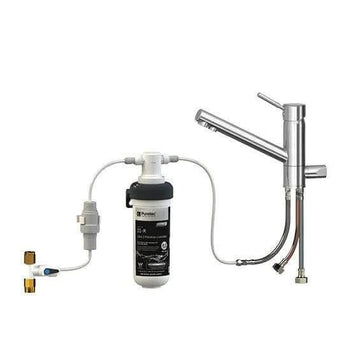
3-Way Kitchen Mixer
Provides normal hot, normal cold and filtered drinking water from one tap
while maintaining a separate filtered-water pathway.
Compare 3-way mixers →
Reverse Osmosis
Uses a membrane and supporting filtration where broader dissolved-substance
reduction is wanted at the drinking-water outlet.
Compare reverse osmosis →
Quick-Change Filter Systems
Compact proprietary systems use cartridges designed for faster replacement
and convenient ongoing kitchen filtration.
Point of Use vs Whole House Water Filtration
Point-of-use and whole-house filtration solve different problems. One is not
automatically better than the other.
| Feature |
Point of Use Filtration |
Whole House Filtration |
| Treatment location |
At a selected outlet |
Near the property's water entry point |
| Water treated |
Drinking / kitchen water |
Multiple household outlets |
| Required flow |
Relatively low |
High household flow |
| Typical installation |
Under sink or nearby cabinet |
Main water supply area |
| Specialised treatment |
Can use fine filtration or RO |
Must support whole-house demand |
| Bathrooms |
Normally untreated |
Treated when downstream |
| Installation footprint |
Compact |
Generally larger |
| Best suited to |
Drinking and cooking water |
Whole-property water treatment |
JR Installer Verdict:
If the concern is mainly water you drink, point-of-use filtration can avoid
oversizing the solution. If you want filtration at showers, bathrooms,
laundry and appliances as well, whole-house filtration becomes the more
relevant category.
Where Can Point of Use Water Filters Be Installed?
Main Kitchen
The most common location for filtered drinking and cooking water.
Butler's Pantry
Useful where the pantry is the main drink-preparation or bottle-filling area.
Office Kitchen
Provides filtered drinking water for employees without filtering the entire
building.
Tea & Coffee Station
A dedicated drinking-water point can support kettles, coffee machines and
drink preparation.
Filtered Bottle Filling
Point-of-use systems are well suited to households regularly filling reusable
water bottles.
Premium Kitchen Water Station
Higher-end systems can add boiling, chilled or sparkling filtered water at one
specific kitchen location.
Why Choose Point of Use Water Filtration?
Targeted Filtration
Apply the strongest or most specialised treatment to the water you actually
drink and cook with.
Lower Water Volume
The filter does not need to process showers, toilets, laundry or garden water.
Compact Installation
Many systems fit neatly inside an existing kitchen cabinet.
More Treatment Choices
Lower flow makes specialised cartridges and membrane treatment more practical.
Flexible Tap Options
Choose a separate filter tap, 3-way mixer or premium drinking-water
appliance.
Simple Upgrade Path
A kitchen filter can often be added without modifying the entire household
water supply.
How Point of Use Water Filtration Works
Point-of-use systems can use one or several treatment technologies. Each
treatment stage should have a defined purpose rather than being included
simply to increase the number of stages in the product description.
| Technology |
Main Role |
Typical POU Use |
| Sediment Filtration |
Physical particle reduction |
Pre-filtration or selected drinking-water systems |
| Activated Carbon |
Commonly used for chlorine, taste and odour reduction |
Everyday kitchen drinking-water filtration |
| Fine Filtration |
Finer physical particle treatment according to product rating |
Premium under-sink filtration |
| Specialist Media |
Targets particular treatment goals |
Selected contaminant-specific systems |
| Reverse Osmosis |
Membrane treatment reducing many dissolved substances |
Advanced drinking-water treatment |
| Post-Treatment |
Polishing or remineralisation where fitted |
Selected RO systems |
JR Installer Verdict:
More stages do not automatically mean better filtration. A well-selected
single or twin-cartridge system can be better suited than a multi-stage system
whose additional stages do not address your actual water goals.
What Can a Point of Use Water Filter Reduce?
That depends on the exact filter. Point-of-use describes where a system is
installed, not what contaminants it automatically reduces.
Chlorine, Taste & Odour
Suitable activated-carbon cartridges are commonly selected for
chlorine-related taste and odour reduction.
Sediment & Particles
Physical cartridges can reduce suspended material according to their design
and micron rating.
Dissolved Substances
Reverse osmosis is a specialist point-of-use option where broader
dissolved-substance reduction is required.
Specific Water Concerns
PFAS, fluoride and other specific treatment goals require an appropriate
cartridge or system with verified product performance.
Water Taste
Suitable treatment can improve chlorine-related taste or other aesthetic
water characteristics covered by the selected cartridge.
Advanced Purification
Where stronger drinking-water treatment is wanted, point-of-use RO can be
compared with conventional cartridge filtration.
JR Installer Verdict:
"Point of use" tells you where the filter is installed. It does not tell you
what it removes. For a specific concern, check the actual treatment media and
verified performance of the individual product.
Standard Point of Use Filter vs Reverse Osmosis
| Feature |
Cartridge Filtration |
Reverse Osmosis |
| Main treatment |
Selected cartridge media |
Membrane plus supporting filtration |
| Chlorine / taste treatment |
Strong use case with suitable carbon |
Normally handled by pre/post carbon stages |
| Dissolved substances |
Depends on specialist media |
Broader reduction is a key RO strength |
| Reject water |
Normally none |
Yes |
| Drain connection |
Normally unnecessary |
Required for conventional RO operation |
| Cupboard space |
Usually smaller |
Generally larger |
| Maintenance |
Cartridge replacement |
Pre-filters, membrane and post-treatment |
| Best suited to |
General drinking-water filtration |
More advanced drinking-water treatment |
JR Installer Verdict:
Do not buy reverse osmosis simply because it sounds like the highest level of
filtration. Choose RO when you specifically want the treatment capability of
RO. Otherwise a quality cartridge system may be simpler and more practical.
Dedicated Filter Tap vs 3-Way Kitchen Mixer
Once the filtration technology is selected, the next decision is usually how
the filtered water will be delivered.
| Feature |
Dedicated Filter Tap |
3-Way Mixer |
| Existing mixer |
Usually remains |
Normally replaced |
| Filtered outlet |
Separate small tap |
Integrated into main mixer |
| Sink appearance |
Two visible fixtures |
Cleaner single-fixture layout |
| Retrofit |
Often straightforward |
Good where mixer upgrade is wanted |
| Renovations |
Practical |
Popular premium option |
| Budget |
Often lower |
Depends on mixer selected |
JR Installer Verdict:
If you like the existing kitchen mixer, keep it and add a filter tap. If the
mixer also needs replacing, a 3-way mixer can make the finished installation
cleaner.
How Does a 3-Way Filtered Mixer Work?
A 3-way mixer combines hot, cold and filtered drinking-water functions within
one tap body while keeping the filtered-water pathway separate from ordinary
mixer water.
That means the filter does not need to process all normal sink water. The
specialist drinking-water cartridge is used when the filtered-water control is
selected.
JR Installer Verdict:
A 3-way mixer is primarily a tap-configuration choice. It does not determine
the filtration quality by itself. The actual filter installed beneath the
sink still determines the treatment performance.
Compare 3-way kitchen mixers →
Point of Use Boiling, Chilled & Sparkling Water
Premium kitchen-water appliances are also point-of-use systems because they
treat and dispense water at one selected location.
Unlike a standard passive filter, these systems can actively heat, chill or
carbonate filtered water using powered under-bench equipment.
Boiling
Provides very hot filtered water for drinks and suitable food preparation.
Chilled
Uses under-bench refrigeration to provide cold filtered drinking water.
Sparkling
Uses compatible CO₂ equipment to provide carbonated filtered drinking water.
Compare boiling, chilled & sparkling water systems →
How Much Filtered Water Flow Do You Need?
Point-of-use filtration does not require whole-house flow, but the system
should still deliver enough water to be convenient for its intended use.
Consider How Often You Use Filtered Water For:
- Drinking glasses.
- Reusable bottles.
- Large water bottles.
- Tea and coffee.
- Kettles.
- Cooking.
- Food preparation.
- Ice makers where applicable.
- Entertaining.
- Office or workplace use.
JR Installer Verdict:
Do not judge a drinking-water system by maximum flow alone. Higher flow is
useful only if the cartridge or membrane can maintain the treatment
performance you selected it for.
Why Water Pressure Matters
Water pressure affects how a point-of-use system performs. Cartridge filters,
valves, tubing and membranes all create some resistance, and very low incoming
pressure can reduce filtered-water flow.
Reverse-osmosis systems are especially sensitive to operating pressure because
pressure drives water through the membrane.
Cartridge Filtration
Pressure needs to be sufficient to provide useful drinking-water flow after
the filter and associated tubing.
Reverse Osmosis
Feed pressure influences membrane production and system performance, with
some systems using integrated pumps where required.
How Much Space Does a Point of Use Filter Need?
Space requirements vary from a compact single cartridge to a larger
reverse-osmosis or boiling/chilled appliance.
Check Space for:
- Filter cartridge or filter head.
- Multiple filter stages where fitted.
- RO membrane where applicable.
- RO tank or powered module where applicable.
- Sink bowl.
- Waste trap.
- Dishwasher hoses.
- Water isolation valves.
- Bins and storage.
- Drain connection for RO where required.
- Future cartridge replacement.
JR Installer Verdict:
A filter fitting inside the cupboard is only half the job. There also needs to
be enough room to remove and replace the cartridge later.
Can Point of Use Filtration Be Added to an Existing Kitchen?
In many kitchens, yes. A point-of-use filter can often be connected to the
existing cold-water supply beneath the sink and added without modifying the
whole property's plumbing.
The main considerations are cabinet space, the water supply, tap arrangement,
drainage where RO is used and access for future servicing.
Existing Kitchen
A dedicated filter tap or compatible mixer can often be retrofitted where
space and plumbing allow.
Kitchen Renovation
A renovation allows the filter, tap, cabinet layout and any power or drainage
requirements to be planned before the kitchen is completed.
Point of Use Water Filter Installation
JR Gas & Water supplies and installs point-of-use filtration throughout
Brisbane, the Gold Coast and surrounding South East Queensland areas.
1. Define the Water Goal
Determine whether you want general drinking-water filtration, treatment for a
specific concern or more advanced reverse osmosis.
2. Check the Kitchen
Review cupboard space, existing plumbing and the preferred filtered-water
outlet.
3. Select the Filter
Match treatment technology, flow, capacity and servicing requirements to the
household.
4. Select the Tap Setup
Choose a dedicated filtered-water tap, 3-way mixer or compatible premium
appliance.
5. Install & Connect
Connect the filter to the appropriate water supply and install any required
tap or drainage connection.
6. Flush & Test
Flush the filter according to requirements, check for leaks and confirm
correct filtered-water flow.
Point of Use Water Filter Maintenance
The filtration equipment may remain installed for many years, but the
cartridges, membranes and other treatment components are consumable.
Filter Cartridges
Replace according to product capacity, water usage and manufacturer service
requirements.
RO Membranes
Membranes have different service requirements from ordinary pre-filter
cartridges.
Post-Filters
Polishing or remineralisation stages also require servicing where fitted.
Tap & Tubing
Visible connections and the drinking-water outlet can be checked as part of
normal servicing.
Water Flow
Reduced flow can indicate a loaded cartridge or another restriction requiring
inspection.
Service History
Recording replacement dates helps maintain the system consistently.
Compare replacement cartridges & service kits →
JR Installer Verdict:
Do not wait for a cartridge to stop passing water. Treatment capacity and flow
restriction are different things.
How Much Does a Point of Use Water Filter Cost?
Cost varies from straightforward under-sink cartridge filtration through to
reverse osmosis and premium powered water appliances.
JR Gas & Water displays current products and installed pricing in the live
range above so customers can compare actual filtration systems rather than
relying on a broad generic price estimate.
What Changes the Installed Price?
- Filter brand and model.
- Number and type of treatment stages.
- Standard cartridge filtration versus RO.
- Dedicated filter tap versus 3-way mixer.
- Tap finish and style.
- Available cabinet space.
- Existing kitchen plumbing.
- Drain connection for RO.
- Power where required.
- Replacement of existing equipment.
- Future cartridge and membrane costs.
JR Installer Verdict:
Compare the initial installation and the ongoing service cost together.
Replacement cartridges are part of owning any filtration system.
How to Choose a Point of Use Water Filter
1. Define What You Want Improved
Start with the actual water concern rather than selecting a filter from stage
count or marketing terminology.
2. Decide the Treatment Level
Choose conventional cartridge filtration or specialist treatment such as
reverse osmosis where required.
3. Decide How Water Is Dispensed
Choose between a dedicated filter tap, 3-way mixer or premium filtered-water
appliance.
4. Check Cabinet Space
Make sure the system fits without making future cartridge replacement
impractical.
5. Check Filter Capacity
Treatment capacity and household use affect how often cartridges require
replacement.
6. Check Replacement Availability
Choose a system with cartridges and service components that remain practical
to source.
Common Point of Use Water Filtration Mistakes
Buying by Stage Count
More stages do not automatically provide better treatment. What each stage
does matters more.
Assuming Every Filter Removes Everything
Treatment performance varies substantially between cartridges, membranes and
systems.
Buying RO Without Needing RO
RO is useful where its specific treatment capability is wanted, but it adds
complexity that every household does not require.
Ignoring Cabinet Space
Waste traps, bins, dishwasher hoses and sink bowls can leave less usable room
than expected.
Choosing the Tap Last
A dedicated filter tap and 3-way mixer require different kitchen layouts and
installation decisions.
Ignoring Cartridge Costs
Replacement-filter price and availability affect the long-term ownership cost
of the system.
Choosing From TDS Alone
TDS is not a complete contaminant analysis and does not tell you which
individual substances are present.
Filtering the Whole House for a Kitchen-Only Goal
If drinking water is the only priority, a point-of-use system may achieve the
goal with far less treatment volume.
What We Look for in a Point of Use Water Filter
Useful Treatment
Every cartridge or membrane should have a clear reason for being included.
Product-Specific Performance
Where a particular reduction claim matters, evidence for the actual product
is more useful than broad category claims.
Practical Water Flow
Filtered water should be convenient enough for normal drinking, cooking and
bottle filling.
Serviceable Installation
The cartridge should be accessible without dismantling large parts of the
sink cabinet.
Replacement Availability
Filters and membranes should remain practical to obtain over the life of the
system.
Good Kitchen Integration
The tap, filtration equipment and cabinetry should work together as one
practical kitchen installation.
Point of Use Water Filters Brisbane & Gold Coast
Point of Use Water Filters Brisbane
JR Gas & Water supplies and installs point-of-use drinking-water
filtration throughout Greater Brisbane, Logan, Ipswich, Redlands, Moreton Bay,
Scenic Rim and surrounding areas.
Options include under-sink cartridge filtration, dedicated filter taps,
3-way mixers, reverse osmosis and premium kitchen water systems.
Point of Use Water Filters Gold Coast
JR Gas & Water installs point-of-use filtration throughout the Gold Coast
for kitchens, butler's pantries, offices and other suitable drinking-water
locations.
The right system depends on the treatment goal, available space, filtered-water
demand and preferred tap arrangement.
Point of Use Water Filter FAQs
What is a point of use water filter?
A point-of-use water filter treats water at a selected outlet close to where
it is consumed, such as the kitchen sink, rather than treating the complete
household water supply.
What does POU mean in water filtration?
POU means point of use. It describes filtration installed at an individual
water-use location such as a kitchen drinking-water outlet.
Is an under-sink filter a point of use filter?
Yes. Under-sink drinking-water filtration is one of the most common forms of
point-of-use filtration.
What is the difference between point of use and point of entry filtration?
Point-of-use filtration treats selected outlets. Point-of-entry filtration
treats water closer to where it enters the property so multiple downstream
fixtures receive filtered water.
Is point of use filtration better than whole-house filtration?
Neither is universally better. Point-of-use filtration is often more practical
where drinking and cooking water are the main concern, while whole-house
filtration suits customers wanting treatment throughout the property.
What is the best point of use water filter?
The right system depends on the water concern, desired treatment level,
filtered-water demand, available space, tap configuration and ongoing
maintenance preferences.
Does a point of use water filter remove chlorine?
Suitable activated-carbon point-of-use filters can reduce chlorine and
chlorine-related taste and odour. Check the specific cartridge performance.
Can point of use filtration reduce PFAS?
Suitable carbon or reverse-osmosis systems can provide PFAS reduction where
the individual product has appropriate verified performance. Not every
point-of-use filter should be assumed to provide the same PFAS reduction.
Can a point of use filter reduce fluoride?
Suitable reverse-osmosis systems and specialist treatment media can reduce
fluoride. Standard sediment and ordinary carbon filtration should not
automatically be assumed to provide fluoride reduction.
Does point of use filtration include reverse osmosis?
Yes. Residential reverse-osmosis systems are commonly point-of-use systems
installed specifically for drinking and cooking water.
Do I need reverse osmosis?
Not necessarily. RO is useful where broader dissolved-substance reduction is
wanted. A conventional cartridge filter may be more practical where general
drinking-water filtration is the main goal.
Do I need a separate filtered-water tap?
No. Filtered water can be supplied through a separate drinking-water tap or a
compatible 3-way kitchen mixer.
What is a 3-way filtered mixer?
A 3-way mixer provides normal hot, normal cold and filtered drinking water
through one tap while maintaining separate pathways for the filtered and
ordinary mixer water.
Can boiling and chilled water systems be point of use filters?
Yes. Premium boiling, chilled and sparkling systems are point-of-use
appliances because they treat and dispense water at a selected kitchen or
drinking-water location.
Can a point of use filter be fitted to an existing kitchen?
Often yes. The main requirements are suitable cabinet space, water supply,
tap arrangement and any drainage or power needed by the selected system.
How much cupboard space does a point of use filter need?
A compact cartridge filter can require relatively little room, while RO and
premium powered water systems need more space. Future cartridge servicing
clearance also needs to be considered.
How often should point of use filters be changed?
There is no universal replacement interval. Service life depends on the
specific cartridge or membrane, rated capacity, water usage, water conditions
and manufacturer requirements.
Can I use point of use and whole-house filtration together?
Yes. A whole-house system can provide broad property filtration while a
point-of-use system provides more specialised drinking-water treatment at the
kitchen.
Do you install point of use water filters in Brisbane and Gold Coast?
Yes. JR Gas & Water supplies and installs point-of-use drinking-water
filtration throughout Greater Brisbane, the Gold Coast and surrounding South
East Queensland service areas.
Compare Point of Use Water Filtration Options
Choose the broader point-of-use range or compare the specialist filtration and
tap categories below.
Choose the Right Point of Use Water Filter
Compare point-of-use drinking-water systems with current products and
installed pricing above. If you are unsure whether a standard under-sink
filter, reverse-osmosis system, dedicated filter tap, 3-way mixer or premium
boiling and chilled system best suits your kitchen, book an onsite quote
inspection and JR Gas & Water can review the plumbing, cupboard space,
water goals and installation requirements before you choose.