
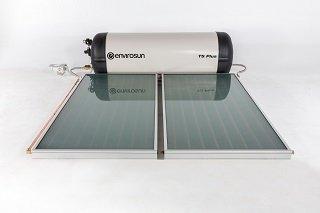
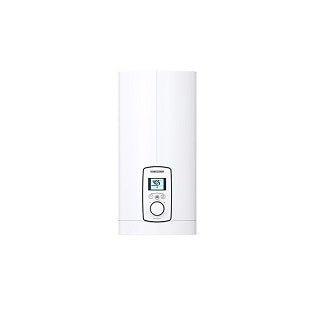


Apricus 250L / 22 Tube
Smaller residential solar configuration for lower household hot water demand while retaining a meaningful solar collector area.
From

Compare electric, gas, heat pump and solar hot water systems with upfront online pricing. Use our guide to narrow the right system or browse the full installed range.
We’ll work out where you should go next. Sizing and model selection come after.
Drag to compare how your hot water system choice can change what you pay to run it over 10 years.
Real stories from hot water system homeowners who’ve experienced fast installs, expert advice, and 5-star service with JR Gas & Water.
Book an onsite inspection and one of our plumbers can inspect your existing hot water system, review the installation requirements and talk you through suitable replacement options before you choose. We can compare electric storage, heat pump, gas and solar hot water options based on your home and existing setup.
Ideal if you would prefer a plumber to inspect the existing system and discuss your hot water replacement options onsite before choosing.
Spread the cost of your new hot water system with flexible payment options on eligible purchases. Pay securely with Zip, Afterpay, PayPal, Google Pay, Visa or Mastercard .


Apricus is an Australian hot water specialist best known for evacuated-tube solar hot water, with residential systems combining roof-mounted solar collectors, ground-level storage and electric or gas boosting. Apricus also offers a 260L R290 All-In-One heat pump for homes wanting efficient hot water without roof-mounted solar collectors.
JR Gas & Water installs, replaces and services suitable Apricus hot water systems throughout Brisbane, the Gold Coast and eligible South East Queensland service areas.
For most homeowners comparing Apricus, the main decision is solar versus heat pump. Solar uses roof-mounted evacuated tubes to collect energy directly from the sun, while the Apricus All-In-One heat pump extracts heat from the surrounding air and keeps the entire hot water system at ground level.
Apricus pricing varies according to whether the system is evacuated-tube solar, heat pump or a solar-ready electric storage system. Solar pricing also changes with storage capacity, number of collector tubes, tank material and boosting method.
The figures below are pulled directly from genuine available Apricus products in JR Gas & Water's live Apricus collection. Unrelated products, general service products, accessories and sold-out products are excluded.
The lowest-priced currently available genuine Apricus system is the from .
Final installed cost depends on system type, roof access, collector position, tank location, boosting method, electrical or gas requirements, pipework and site conditions.
| Apricus range | Current JR price range | Main application |
|---|---|---|
| Apricus Solar Hot Water | – | Evacuated-tube solar hot water with electric or gas boosting. |
| Apricus All-In-One Heat Pump | – | Ground-level R290 heat-pump hot water without rooftop collectors. |
| Apricus Solar Ready Electric | – | Electric storage now with the option to add Apricus solar later. |
Evacuated-tube solar is the technology Apricus is best known for. Instead of using a large flat solar panel, the collector contains multiple cylindrical evacuated glass tubes mounted across the roof.
The round tube shape allows sunlight to strike a useful collector surface across more of the day as the sun moves across the sky. Apricus describes this as passive sun tracking.
Heated fluid from the collector transfers energy into the ground-level hot water storage tank through a pumped solar circuit. An electric or gas booster provides backup hot water when solar contribution is insufficient.
Apricus's typical residential solar configurations combine storage capacity with an appropriate number of evacuated collector tubes. Common manufacturer combinations are approximately 250L with 22 tubes, 315L with 30 tubes and 400L with 44 tubes.
Smaller residential solar configuration for lower household hot water demand while retaining a meaningful solar collector area.
FromMain family-size configuration offering greater stored capacity and a larger evacuated-tube collector array.
FromLarger residential configuration for households with substantial hot water demand and suitable collector area.
FromSolar sizing should consider both storage capacity and collector area. Installing a larger tank without appropriate solar collection does not automatically create a better solar hot water system.
JR's stored-hot-water sizing method uses approximately 40 litres per person per day for light usage, 50 litres for average usage and 65 litres for high usage before matching the household to a practical storage capacity.
Apricus also recommends considering location, household size, water demand, water quality and whether the property uses electricity, Natural Gas or LPG for boosting.
Uses an electric element in the storage tank to provide backup heating when available solar energy is not enough to meet household demand.
Uses an approved gas boosting arrangement to provide additional heat when the solar contribution is insufficient. Natural Gas and LPG options are available within Apricus's broader solar range.
The best boosting method depends on the property's existing energy supply, tariff structure, gas availability and installation configuration.
Apricus solar systems are available with different storage-tank materials, including vitreous-enamel glass-lined tanks and selected stainless-steel options.
Uses a steel cylinder protected internally by a vitreous-enamel lining. These systems use the traditional storage-water-heater approach and require maintenance appropriate to the tank design.
Selected Apricus systems can use stainless-steel storage construction. Suitability still depends on the local water quality and exact product specification.
Evacuated-tube and flat-panel solar systems both use sunlight to reduce the amount of purchased energy needed for water heating, but their collectors are constructed differently.
Use individual cylindrical evacuated glass tubes. Apricus highlights passive sun tracking, cold-weather performance and frost protection as core advantages of the design.
Use a larger flat collector panel. They can perform very well in suitable Australian conditions but use a different collector design and roof-loading arrangement.
Apricus promotes evacuated-tube collectors as relatively lightweight compared with solar systems that place the storage tank itself on the roof.
The manufacturer states that a 30-tube collector is approximately 110kg spread over roughly a 2.2m by 2.0m roof area.
The exact roof structure, mounting system and installation still need to be suitable for the collector and local conditions.
Apricus evacuated-tube solar systems are designed for operation across a broad range of Australian climates. The manufacturer promotes built-in frost protection down to approximately -15°C without relying on glycol within the standard collector arrangement.
Frost performance is not generally the main challenge in Brisbane or the Gold Coast, but the collector design can be relevant for properties in colder inland regions.
Apricus now also offers a 260L All-In-One air-source heat pump. Unlike the solar range, the tank and heat-pump refrigeration equipment remain at ground level and there are no roof-mounted solar collectors.
The current model uses R290 refrigerant and combines a 260L storage tank with heat-pump heating, smart touchscreen controls and an integrated electric element for additional heating when required.
Apricus positions the current All-In-One model for household use with up to approximately six people, subject to actual hot water demand.
Current manufacturer specifications list R290 refrigerant, 2.6kW heating capacity and a rated heat-pump power input of approximately 665W.
Includes touchscreen control, timer-based heat cycles and real-time power-use monitoring intended to help households manage operation.
The home has suitable unshaded roof space and you want to use direct solar thermal energy to heat the water through evacuated-tube collectors.
You want energy-efficient hot water while keeping the entire system at ground level without installing solar collectors and pipework on the roof.
Neither technology is automatically the right choice for every property. Roof suitability, installation complexity, household demand, maintenance preference and upfront cost all matter.
Apricus also offers Solar Ready electric storage tanks for homeowners who need an electric hot water system immediately but may want to add evacuated- tube solar later.
Current Solar Ready storage options include 250L, 315L and 400L glass-lined electric tanks.
The tank can initially operate as a conventional electric storage heater, then be connected to an Apricus solar retrofit package when the household is ready to upgrade.
Smaller Solar Ready storage option for modest household demand.
FromFamily-size electric storage designed to allow future Apricus solar conversion.
FromLarger Solar Ready tank for heavier household demand.
FromA heat pump and rooftop solar PV can work together even though the heat pump does not use solar thermal collectors.
The Apricus All-In-One includes timer-controlled heating cycles, allowing operation to be shifted toward periods when the home is producing rooftop solar electricity.
In this arrangement the PV panels create electricity, the heat pump uses some of that electricity to transfer heat into the water, and the hot water tank effectively stores part of the daytime solar energy for later use.
Eligible Apricus solar hot water and heat pump installations can qualify for Small-scale Technology Certificates where the exact model and installation meet the applicable scheme requirements.
Apricus's current All-In-One heat pump is listed by the manufacturer as an eligible Clean Energy product, while qualifying solar hot water systems can also generate STCs.
The available benefit varies by product, installation location and current scheme rules, so the exact incentive should be checked against the selected system.
Apricus Australia launched in 2005 and describes itself as Australian owned and operated. The business specialises in energy-efficient hot water and has built its Australian reputation primarily around evacuated-tube solar technology.
Apricus reports a national distribution network of more than 1,500 resellers and a dedicated national service-agent network for technical and after-sales support.
Warranty coverage varies by Apricus product family and component. Current Apricus information promotes long-term coverage on major solar components, while the current All-In-One heat pump is marketed with a six-year parts and labour warranty.
The exact warranty applying to the selected tank, collector, heat pump, controller, pump and other components should always be checked against the current manufacturer's warranty documentation.
An ageing Apricus system does not automatically require complete replacement. Solar hot water systems contain several separate components, including collectors, tubes, pump, controller, valves, booster equipment and the storage tank.
A broken evacuated tube or serviceable pump fault is very different from a leaking storage cylinder or several ageing components requiring substantial work.
Where the existing system is no longer economical to repair, homeowners can compare a new Apricus solar package with a modern heat pump rather than automatically repeating the old configuration.
JR Gas & Water installs suitable Apricus hot water systems throughout Brisbane, the Gold Coast and eligible South East Queensland service areas.
Solar installation requires suitable roof area, collector orientation, mounting, pumped solar pipework, storage-tank location, booster supply, valves, drainage and commissioning.
Heat-pump installation instead focuses on airflow, base position, condensate drainage, electrical supply, plumbing and clearances around the ground-level unit.
Where the best pathway is unclear, JR can assess the existing system and property before deciding between Apricus solar, heat pump or another hot water technology.
Current genuine available Apricus systems in JR Gas & Water's live collection range from to .
The lowest-priced currently available Apricus appliance is the from .
Current available Apricus solar systems at JR Gas & Water range from to .
Current genuine available Apricus heat pumps at JR Gas & Water range from to .
Apricus is best known in Australia for evacuated-tube solar hot water systems. Its current broader range also includes an All-In-One heat pump and Solar Ready electric storage tanks.
Roof-mounted evacuated tubes absorb solar energy. A pumped circuit transfers that heat to the storage tank, while electric or gas boosting provides additional heating when solar contribution is insufficient.
Common residential Apricus configurations include approximately 250L with 22 collector tubes, 315L with 30 tubes and 400L with 44 tubes. Other approved combinations can also be available.
Neither is automatically better. The 250L suits lower household demand, while the 315L provides greater stored capacity and is commonly paired with a larger collector array for family use.
Four people using JR's average allowance of around 50 litres each per day equates to approximately 200 litres of daily hot water demand before peak-use and recovery allowances. A 250L or 315L solar package can therefore be a useful starting point depending on actual usage and collector sizing.
Yes. Apricus offers electric-boosted solar hot water systems where an element provides backup heating when solar energy is insufficient.
Yes. Apricus also offers gas-boosted solar configurations with Natural Gas or LPG options where the property and installation are suitable.
Yes. Apricus's broader solar range includes both glass-lined and selected stainless-steel storage-tank options.
They use a different collector design rather than simply being universally better. Apricus highlights passive sun tracking, cold-weather performance and a lightweight collector structure as advantages of evacuated tubes. Real performance still depends on roof orientation, shading and system sizing.
Yes. Apricus specifically promotes evacuated-tube technology for cold-weather performance and frost protection, while the system's electric or gas booster provides additional heating when available solar energy is insufficient.
Individual evacuated tubes are separate components and can generally be replaced without automatically replacing the entire solar hot water system. The system should still be inspected to confirm the extent of damage and correct replacement procedure.
Yes. Apricus currently offers a 260L All-In-One air-source heat pump using R290 refrigerant.
The current Apricus 260L All-In-One heat pump uses R290 refrigerant.
Apricus currently markets the 260L All-In-One for households of up to approximately six people. Actual suitability still depends on shower duration, baths and peak hot water use.
Yes. Current manufacturer specifications list an integrated 1.8kW electric heater alongside the heat-pump system.
Yes. The current All-In-One includes timer-controlled operation that can be scheduled toward periods of daytime rooftop-solar production.
It is an electric storage water heater designed so an Apricus solar retrofit package can be added later. Current Solar Ready tank sizes include 250L, 315L and 400L.
Eligible approved Apricus solar and heat-pump installations can qualify for Small-scale Technology Certificates where the exact model, installation and scheme requirements are satisfied.
JR's Hot Water Rebates Queensland page explains the broader incentive pathway.
Apricus Australia describes itself as Australian owned and operated and has supplied solar hot water systems nationally since 2005.
JR provides hot water diagnostic, repair and servicing pathways for Apricus and other solar hot water systems. Repair suitability depends on the failed component, system age, condition and parts availability.
View Hot Water Repairs & Servicing for the available pathways.
Yes. JR Gas & Water installs suitable Apricus solar and heat-pump hot water systems throughout its Brisbane service area.
Yes. Suitable Apricus hot water systems can be installed throughout JR Gas & Water's Gold Coast service area.
Yes. If roof suitability, collector size, boosting method, household demand or the solar-versus-heat-pump decision is unclear, you can request an onsite or written quote before choosing the system.
Start by deciding whether your property is better suited to evacuated-tube solar or a ground-level heat pump. For solar, match household demand with storage capacity, collector size and boosting method. If roof conditions or the correct system are unclear, JR can assess the property before the final Apricus configuration is selected.
Compare your current hot water system running costs against an efficient heat pump setup and see how much your household could save over 10 years.


