What to Check Around Outdoor Hot Water Systems After Heavy Rain in SEQ
Heavy rain can quickly show problems around outdoor hot water systems, especially across Brisbane, the Gold Coast and South East Queensland where homes often deal with clay soil, tight side access, high stormwater load, older pipework and outdoor units installed close to walls, fences or garden beds.
Once the weather clears, it is worth doing a safe visual check around your hot water system. You are not trying to repair the unit yourself. The goal is to spot warning signs early, before a small drainage, leak, rust or electrical issue turns into a bigger hot water problem.
The main things to look for are pooling water, muddy bases, blocked drains, rust around the cylinder, water marks, leaning slabs, debris around heat pump airflow, error codes, gas smells, noisy operation or hot water that is suddenly running out faster than usual.
If anything looks unsafe, smells like gas, trips power, leaks heavily or has water near electrical components, stop using the system where practical and book a licensed trade. JR Gas & Water can help with hot water repairs and servicing, replacement advice and new hot water systems across Brisbane, the Gold Coast and nearby SEQ areas.
Quick answer
After heavy rain, check around your outdoor hot water system for pooling water, blocked drainage, mud, rust, leaning slabs, visible leaks, damp electrical areas, gas smells, error codes and blocked airflow around heat pump units. Do not remove covers, touch wiring, adjust gas components or modify valves. If the unit is leaking, unsafe, unreliable or sitting in poor drainage, book a licensed plumber, gas fitter or electrician as required.
Why heavy rain can affect outdoor hot water systems
Outdoor hot water systems are built to handle weather, but they still need a suitable location, safe drainage and clear access around the unit. Heavy rain can expose problems that may not be obvious during dry weather.
Common issues include:
-
Water pooling around the base of the unit
-
Stormwater flowing toward the hot water system
-
Mud, leaves or garden debris blocking drainage
-
Slabs shifting or becoming unstable
-
Rust becoming more obvious around older cylinders
-
Heat pump airflow becoming blocked
-
Electrical points or isolators sitting in damp areas
-
Gas units struggling due to water, debris or poor ventilation
-
Existing leaks being mistaken for rainwater
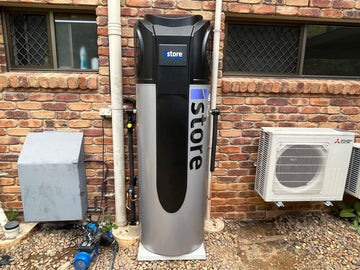
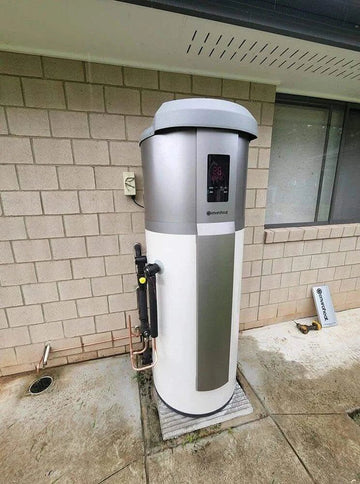
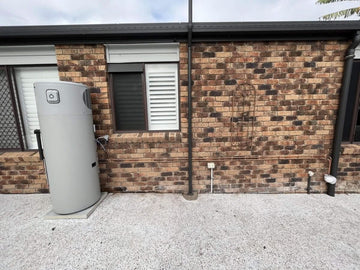
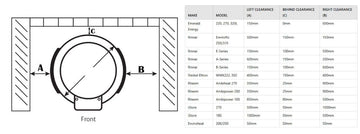
In many SEQ homes, the hot water system is installed down the side of the house, near a fence, beside an air conditioner, under an eave, near a garden bed or close to a stormwater path. These locations can work well, but they need enough clearance, drainage and safe access for servicing.
Safe checks homeowners can do from outside
You can do a basic visual check without touching internal components or making adjustments.
Walk around the system and look for:
-
Water pooling at the base
-
Mud or silt around the slab
-
Fresh rust marks
-
Water running from pipework after the rain has stopped
-
A leaning or sinking base
-
Leaves packed around the unit
-
Drains or grates blocked with debris
-
Error codes on the controller
-
New noises from the system
-
Hot water that is not recovering properly
-
A smell of gas near gas appliances
Do not remove covers, open electrical panels, adjust gas valves, alter relief valves, disconnect pipework or try to dry internal components yourself.
If there is water near electrical fittings, repeated power tripping, a gas smell or visible damage, organise a licensed trade. JR Gas & Water can help assess the hot water side of the issue and, where needed, guide you on whether a plumber, gas fitter or electrician is required.
Pooling water around the hot water unit
Pooling water is one of the most common signs to check after heavy rain.
A small amount of rainwater around an outdoor area may not be a problem, but standing water around a hot water system can cause issues over time. It can speed up corrosion, soften the ground under the slab, make servicing harder and hide leaks from the tank, valves or pipework.
If the water is still sitting there long after the rain has stopped, the issue may be drainage rather than the hot water system itself.
Possible causes include:
-
The ground falling toward the house
-
Blocked stormwater grates
-
Garden beds holding water against the slab
-
Downpipes discharging too close to the unit
-
Poor fall around narrow side access
-
Clay soil holding moisture
-
Paved areas draining toward the hot water system
If stormwater is repeatedly running toward the unit, JR Gas & Water can help with stormwater drainage solutions and drainage plumbing where the issue is more than a simple clean-up.
Rust, stains and leaks after rain
Rain can make it harder to tell the difference between normal surface water and a leaking hot water system. Once the area dries, check whether water is still forming around the unit.
Warning signs include:
-
Water returning after the rain has stopped
-
Rust stains running down the cylinder
-
Dampness around the base of an electric storage tank
-
Water near valves or pipe joins
-
A constantly running overflow
-
Brown or rusty water marks
-
A cylinder base that looks swollen, corroded or weakened
Older electric and gas storage systems are more likely to show corrosion around the base after long periods of moisture. If the tank itself is leaking, repairs are usually limited and replacement may be the more practical option.
JR Gas & Water can compare suitable electric hot water systems, gas storage hot water systems, instant gas hot water systems, solar hot water systems and heat pump hot water systems if replacement is the better option.
Heat pump hot water checks after heavy rain
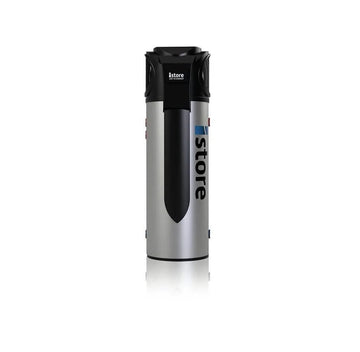
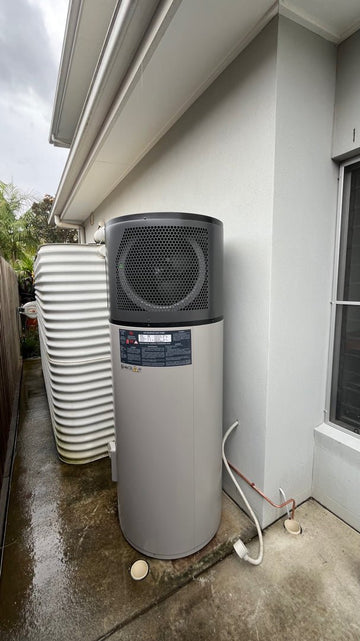
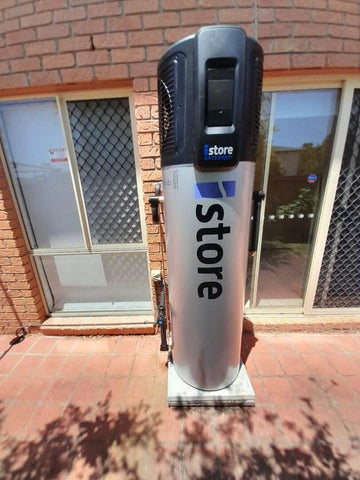
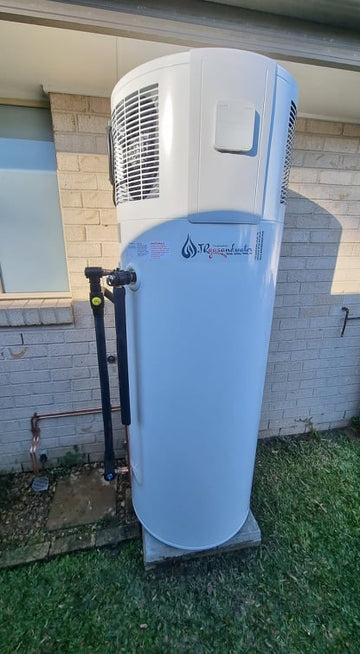
Heat pump systems need good airflow, drainage and a suitable outdoor location. After heavy rain, check the area around the fan, base and drain path.
Look for:
-
Leaves or debris blocking airflow
-
The unit sitting in pooled water
-
Mud packed around the base
-
Water dripping where it normally does not
-
Unusual fan noise
-
Error codes
-
Poor recovery after cloudy or wet weather
-
The system running longer than usual
-
The unit installed too close to walls, fences or clutter
Heat pumps can be a strong option for many Brisbane and Gold Coast homes, especially where the system is matched properly to household demand, site conditions and available space. However, they still need good placement. A quiet unit, correct clearance and suitable drainage can matter just as much as the brand.
For homes with tight side access, nearby bedrooms or neighbours close to the boundary, it may be worth comparing quiet heat pump systems, large family heat pumps or installer’s choice heat pumps.
Gas hot water checks after rain
Gas hot water systems should always be treated carefully. Do not open the unit, modify gas parts or keep using a system that appears unsafe.
After heavy rain, look and smell from a safe distance.
Warning signs include:
-
Gas smell near the unit
-
Error codes
-
Burner or ignition problems
-
Hot water cutting in and out
-
Water sitting near the base
-
Soot marks
-
The unit making unusual noises
-
Poor ventilation around the appliance
-
Debris blocking safe airflow
Gas work should always be completed by a licensed gas fitter. If you smell gas, turn off the appliance if it is safe to do so, avoid ignition sources and arrange urgent licensed help.
JR Gas & Water can help with gas hot water systems, instant gas hot water systems and licensed gas fitting through the Brisbane gas fitter service page.
Electric storage hot water checks after rain
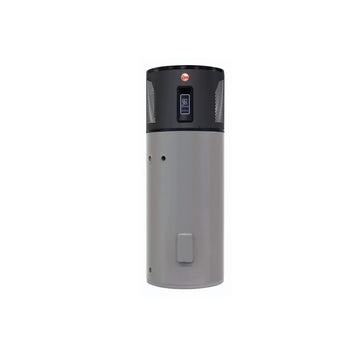
Electric storage systems are common across SEQ homes, especially in older properties. After heavy rain, the main concerns are leaks, corrosion, unstable bases and electrical safety.
Look for:
-
Rust around the cylinder base
-
Water still appearing after the rain has stopped
-
A tripped circuit
-
Hot water running out faster than usual
-
Water near the isolator or electrical conduit
-
A leaning cylinder
-
Visible damage to pipework or valves
Electrical work should always be completed by a licensed electrician. Do not remove covers, reset a system repeatedly if it keeps tripping, or touch anything that looks wet or damaged around electrical components.
If the cylinder is old, leaking or unreliable, JR Gas & Water can help compare replacement electric hot water systems against other options such as heat pumps, gas or solar depending on the home.
Stormwater and drainage problems near hot water systems
Sometimes the hot water system is not the real problem. The issue may be that stormwater is being directed toward it.
This is common in SEQ homes with:
-
Narrow side access
-
Poorly falling concrete paths
-
Garden beds beside the house
-
Blocked strip drains
-
Downpipes discharging near the unit
-
Clay soil that stays wet
-
Older stormwater layouts
-
Townhouse or body corporate drainage constraints
-
Retaining walls or sloped blocks
If water keeps moving toward the unit, replacing the hot water system alone may not solve the underlying issue. The new unit could end up sitting in the same wet location.
JR Gas & Water can help assess whether the concern is related to the hot water unit, the surrounding drainage, or both. For more obvious drainage issues, see stormwater drainage solutions, blocked drain clearing and CCTV drain inspections.
Repair, service or replace?
The right choice depends on the age of the system, the type of fault, the condition of the unit and the site around it.
A repair or service may make sense when:
-
The unit is relatively modern
-
The issue is minor
-
The tank itself is not leaking
-
The system has been reliable until now
-
The fault is related to a valve, controller or serviceable component
-
Drainage can be improved without replacing the system
Replacement may be more practical when:
-
The tank is leaking
-
Rust is advanced
-
The system is old and unreliable
-
Hot water recovery is poor
-
Repairs are becoming frequent
-
The unit is poorly suited to the household
-
The location needs to be improved during replacement
-
The household wants to compare running cost options
JR Gas & Water can help compare suitable replacement options across hot water systems, including heat pump, electric, gas, instant gas and solar systems. The right choice depends on the home, not just the product.
Brisbane, Gold Coast and SEQ context
Outdoor hot water problems after rain are common across South East Queensland because homes vary so much by suburb, block type and property age.
In Brisbane, older homes may have ageing electric storage tanks, narrow side access, high water pressure, clay soil movement and older stormwater layouts.
On the Gold Coast, outdoor units may also deal with coastal corrosion, exposed weather, salt air and tight access around townhouses or duplexes.
In acreage and outer SEQ areas, hot water systems may be part of a larger setup involving LPG, pumps, tanks, long pipe runs or sheds. These homes may need a more practical whole-site view rather than just a like-for-like replacement.
That is why a hot water issue after rain should not always be treated as a product-only problem. The system, drainage, access, household demand and installation conditions all matter.
When to book a licensed plumber or gas fitter
Book help if you notice:
-
Water still appearing after the rain has stopped
-
Rust or corrosion around the tank
-
A leaking cylinder
-
A gas smell
-
Error codes
-
No hot water
-
Hot water cutting in and out
-
The system tripping power
-
Water near electrical components
-
A leaning or unstable base
-
Stormwater repeatedly flowing toward the unit
-
Heat pump airflow blocked by location or debris
-
Poor access for servicing
JR Gas & Water can help with hot water repairs and servicing, service work pricing, replacement recommendations and installation across Brisbane, the Gold Coast and nearby South East Queensland areas.
FAQs
Is it normal for water to be around an outdoor hot water system after rain?
A small amount of rainwater nearby can be normal, but standing water around the base of the unit is not ideal. If water keeps pooling there, the area may have a drainage problem or the unit may be leaking. Once the rain has stopped, check whether the area dries properly.
How can I tell if my hot water system is leaking or if it is just rainwater?
Wait until the rain has stopped and the surrounding area has had time to dry. If water keeps forming around the tank, valves or pipework, it may be a leak. Rust stains, constant dripping, a wet cylinder base or water running from fittings are signs worth getting checked.
Can heavy rain damage a heat pump hot water system?
Outdoor heat pumps are designed for outdoor conditions, but poor drainage, blocked airflow, debris and unsuitable placement can cause problems. If the system is sitting in water, showing error codes, making unusual noise or recovering poorly, it should be assessed.
Should I turn off my hot water system if there is water around it?
If there is water near electrical components, the system is tripping power, the tank is leaking heavily, or anything looks unsafe, stop using it where practical and arrange licensed help. Do not touch wet electrical parts or remove covers.
What should I do if I smell gas near my hot water system after rain?
Do not ignore a gas smell. Avoid ignition sources, turn off the appliance if it is safe to do so, leave the area and arrange urgent help from a licensed gas fitter. Gas work should always be completed by a licensed gas fitter.
Can poor stormwater drainage shorten the life of a hot water system?
It can contribute to problems, especially if water regularly pools around the base of the unit. Constant moisture may increase corrosion risk, weaken the ground under the slab and make leaks harder to notice early.
Is replacement better than repair after heavy rain?
It depends on the age and condition of the system. A newer system with a minor fault may be worth repairing. An older tank with rust, leaks or repeated faults may be better replaced. JR Gas & Water can help compare repair and replacement options based on photos, model details and site conditions.
Which hot water system is best for homes affected by heavy rain?
There is no single best system for every home. Heat pumps, electric storage, instant gas, gas storage and solar can all suit different situations. The right choice depends on household demand, drainage, access, available space, energy setup, gas availability and installation requirements.
Need help checking your hot water system after heavy rain?
If your outdoor hot water system is leaking, sitting in water, showing rust, giving error codes or struggling after heavy rain, JR Gas & Water can help.
Book hot water repairs and servicing, compare replacement hot water systems, or send photos and model details through the quote request and bookings page. JR Gas & Water supplies and installs suitable systems across Brisbane, the Gold Coast and nearby South East Queensland areas.




Plumbing & Gas Fitting Across South East Queensland
Looking for a local plumber? JR Gas & Water provides plumbing and gas fitting services throughout Greater Brisbane, Logan, Ipswich, Moreton Bay, Redlands and the Gold Coast.
View all plumbing & gas fitting service areas