

Whether you're planning a project, comparing options, or need a plumber today, our licensed team is here to help. Choose the option that best suits your situation.
Best Heat Pump Hot Water Systems 2026 Australia: JR Gas & Water Rankings
Choosing the best heat pump hot water system in Australia in 2026 is harder than it used to be. There are now premium European-engineered systems, major Australian-backed brands, mid-range family systems, budget rebate-focused models, stainless steel options, smart-control units and large-capacity heat pumps all competing for the same customer.
The problem is that most homeowners are not comparing like-for-like.
A heat pump with a high advertised COP is not automatically the best system. A cheaper upfront price does not always mean better value. A big tank does not guarantee strong recovery. A long warranty does not always mean fast support. A system that works well for a small investment property may not be the best choice for a five-person family in a long-term home.
JR Gas & Water supplies and installs heat pump hot water systems across Brisbane, the Gold Coast and nearby South East Queensland areas. This 2026 ranking has been written to help homeowners compare the strongest heat pump options by real-world suitability, long-term ownership value, service support, household demand and installation practicality.
If you are comparing the best heat pump hot water system in Australia for 2026, this guide breaks down the top models, the best brands, the key trade-offs, and what actually matters before you buy.
Quick Answer
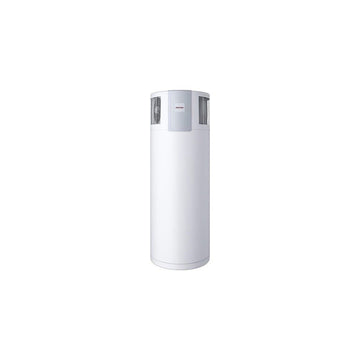
The best overall heat pump hot water system in Australia for 2026 is the Stiebel Eltron SHP-O300 for homeowners wanting a premium, long-term, large-capacity heat pump with strong engineering and ownership confidence.
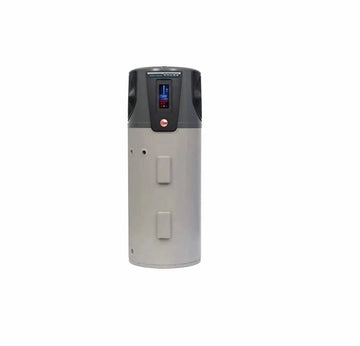
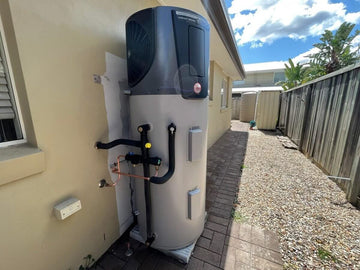
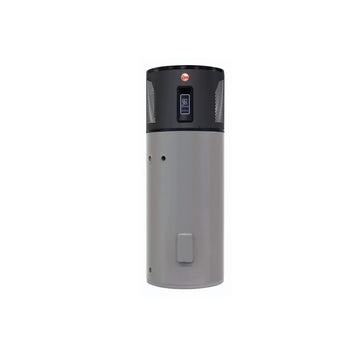
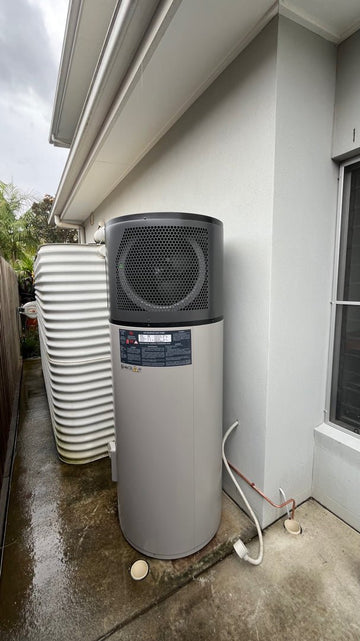
For most family homes wanting a premium 270L option, the Rheem Ambiheat 270 is one of the strongest choices because it combines established brand support, practical capacity and broad service familiarity.
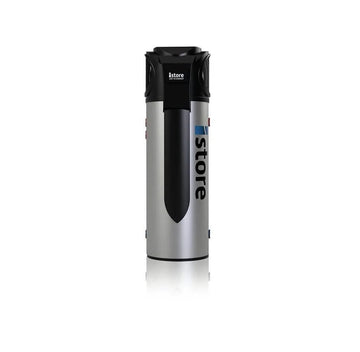
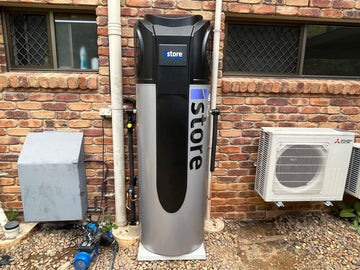
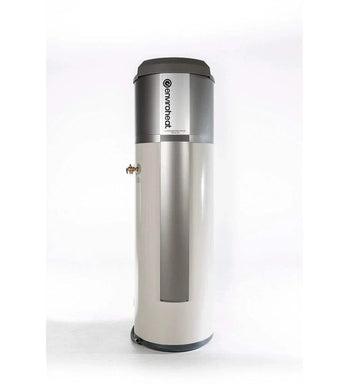
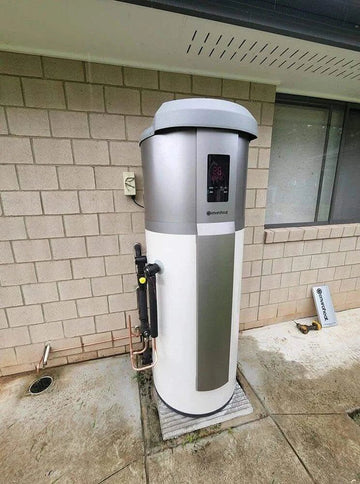
For buyers wanting a strong mid-range system, the iStore 270 remains a good value-focused option. For households wanting a more cost-conscious but established brand-backed pathway, the Rheem AmbiPower 280 is a strong contender. For budget-focused projects, systems such as Envirosun and Enviroheat may suit buyers who are more focused on upfront cost, provided expectations around long-term ownership are realistic.
The best heat pump is not always the most expensive model. It is the system that suits your household size, outdoor location, electrical setup, noise requirements, budget, warranty expectations and long-term plans for the property.
2026 Heat Pump Hot Water Rankings: Category Winners
| Category | Winner | Best Suited To | JR Gas & Water Verdict |
|---|---|---|---|
| Best Overall Heat Pump 2026 | Stiebel Eltron SHP-O300 | Premium homes, large families, long-term ownership | Best overall choice for buyers prioritising engineering, capacity and long-term confidence |
| Best Premium 270L Heat Pump | Rheem Ambiheat 270 | Family homes wanting strong brand support | Best 270L premium option for balanced reliability and service backing |
| Best Large Family Heat Pump | Stiebel Eltron SHP-O300 | Five-plus person households and high-demand homes | Strong capacity and recovery profile for larger households |
| Best Australian-Assembled Strength | Rheem Ambiheat 270 / Rinnai AR340 | Buyers wanting established mainstream support | Strong brand-backed options with broad service familiarity |
| Best Mid-Range Heat Pump | iStore 270 | Standard family homes wanting value | Practical balance of capacity, efficiency and price positioning |
| Best Value Heat Pump | Rheem AmbiPower 280 | Buyers wanting established support without ultra-premium pricing | Good value pathway from a major hot water brand |
| Best Stainless Steel Heat Pump | Reclaim Energy V2 Stainless Steel | Homes prioritising stainless tank construction | Strong material choice, especially where corrosion resistance matters |
| Best Budget Heat Pump | Envirosun M9 / Enviroheat 250 | Budget-sensitive projects and investment properties | Suitable where upfront cost matters most, with realistic long-term expectations |
| Best Solar PV-Friendly Premium Option | Stiebel Eltron SHP-O range | Solar PV homes wanting smarter operating control | Strong option where solar timing and energy management are important |
| Best Brisbane and Gold Coast All-Rounder | Rheem Ambiheat 270 / iStore 270 | Typical SEQ family homes | Strong practical options for many local homes depending on budget |
How We Ranked the Best Heat Pump Hot Water Systems
A heat pump hot water system is not a small appliance. It is a long-term part of the home’s plumbing and energy setup. A good system should deliver reliable hot water for years, not just look good on a quote.
JR Gas & Water’s 2026 rankings consider the factors that matter most to real homeowners.
These include:
-
Build quality
-
Real-world performance
-
Household suitability
-
Recovery performance
-
Brand reputation
-
Warranty structure
-
After-sales support
-
Service network strength
-
Parts availability
-
Ease of repair
-
Noise level
-
Smart control options
-
Solar PV compatibility
-
Installation practicality
-
Long-term ownership value
-
Suitability for Australian conditions
-
Suitability for Brisbane, Gold Coast and SEQ homes
This ranking is not based only on advertised COP figures. Efficiency matters, but it is only one part of the decision.
A system with good efficiency but weak support can become frustrating later. A budget system may make sense for some properties, but may not be the best choice for a long-term family home. A premium system may offer excellent ownership confidence, but may be unnecessary for a small household with lower demand.
The best choice depends on the home.
Why COP Alone Does Not Decide the Best Heat Pump
COP stands for Coefficient of Performance. It is a measure of heat pump efficiency under specific conditions.
A higher COP can indicate better energy efficiency, but it does not tell the whole story.
COP does not always tell you:
-
How the system performs in real household use
-
How quickly it recovers after heavy hot water demand
-
How well it handles cooler mornings
-
Whether the tank and compressor are built for long-term durability
-
How noisy it will feel near bedrooms or neighbours
-
Whether the brand has strong after-sales support
-
Whether parts are easy to source
-
Whether the warranty process is straightforward
-
Whether the system suits your actual installation location
A heat pump can have a strong advertised efficiency figure but still be the wrong choice if it is undersized, poorly located, hard to service or not backed by a strong support network.
For most homeowners, the better question is not “Which heat pump has the highest COP?”
The better question is:
“Which heat pump gives my household the best balance of efficiency, reliability, support, recovery, noise, installation suitability and long-term value?”
Best Overall Heat Pump Hot Water System 2026: Stiebel Eltron SHP-O300
The Stiebel Eltron SHP-O300 is JR Gas & Water’s best overall heat pump hot water system for 2026.
This is the system for homeowners who want a premium long-term solution rather than the cheapest heat pump available. It is especially well suited to larger households, premium builds, long-term owner-occupiers and homes where hot water reliability matters every day.
Why the Stiebel Eltron SHP-O300 Ranks First
The SHP-O300 stands out because it is built around a premium ownership profile.
Its strengths include:
-
Large household capacity
-
Strong recovery suitability for family demand
-
Premium engineering profile
-
High-quality system design
-
Good long-term ownership appeal
-
Smart control capability
-
Strong option for homes with solar PV planning
-
Good fit for households staying in the property long term
-
Premium brand positioning
-
Strong choice where reliability matters more than lowest upfront cost
For a household planning to stay in the same property for many years, the SHP-O300 makes sense because it is not just about the installed price. It is about reducing the risk of underperformance, downtime and regret over the life of the system.
Who Should Consider the SHP-O300?
The Stiebel Eltron SHP-O300 is best suited to:
-
Families of four to six people
-
Homes with multiple bathrooms
-
High hot water usage households
-
Premium new builds
-
Major renovations
-
Long-term owner-occupiers
-
Homes with suitable outdoor space
-
Buyers wanting a premium engineered platform
-
Solar PV households wanting smarter hot water timing
-
Customers who do not want to choose mainly on upfront price
It is one of the strongest options for homeowners who view hot water as long-term infrastructure rather than a quick replacement purchase.
Where the SHP-O300 May Not Be the Best Fit
The SHP-O300 is not the right system for every home.
It may be more than some households need if:
-
The property has only one or two occupants
-
The budget is the main priority
-
The installation site is tight or unsuitable
-
A smaller 270L model would comfortably meet demand
-
The home is an investment property where premium spend is harder to justify
-
The customer is planning to sell the home soon
For smaller homes, it may be worth comparing the SHP-O300 against large family heat pumps, installer’s choice heat pumps and more affordable budget heat pump systems.
JR Verdict
The Stiebel Eltron SHP-O300 is the strongest overall heat pump hot water system for 2026 if your priority is premium engineering, long-term ownership confidence and strong family performance.
It is not the cheapest pathway, but for the right home, it is one of the best long-term heat pump investments available.
Best Premium 270L Heat Pump: Rheem Ambiheat 270
The Rheem Ambiheat 270 is the best premium 270L heat pump hot water system in this ranking.
It is a strong choice for Australian families wanting a major-brand heat pump with broad support, practical capacity and strong day-to-day suitability.
Why the Rheem Ambiheat 270 Ranks Highly
The Rheem Ambiheat 270 performs well because it balances premium features with mainstream brand support.
Its strengths include:
-
270L family-friendly capacity
-
Strong brand recognition
-
Established hot water support network
-
Good practical fit for many homes
-
Suitable replacement for older electric storage systems
-
Strong option for households wanting a premium 270L system
-
Broad installer familiarity
-
Good long-term ownership appeal
-
Suitable for many Brisbane and Gold Coast family homes
Rheem is one of the most recognised hot water brands in Australia, and that matters when it comes to service familiarity, parts pathways and customer confidence.
Who Should Consider the Rheem Ambiheat 270?
The Rheem Ambiheat 270 is best suited to:
-
Three to five person households
-
Homes replacing older electric hot water systems
-
Families wanting a premium 270L heat pump
-
Buyers who value brand recognition
-
Homes where a 300L premium system may be unnecessary
-
Customers wanting a balance of performance and support
-
Brisbane and Gold Coast homes with suitable outdoor placement
For many family homes, the Ambiheat 270 is one of the safest premium recommendations because it is not an obscure product and it is backed by a major hot water brand.
Where the Rheem Ambiheat 270 Has Limitations
The Ambiheat 270 may not suit every customer.
Things to consider include:
-
It may cost more than budget heat pumps
-
It may be more than smaller households need
-
Outdoor placement still needs to be suitable
-
Electrical requirements must be checked
-
Noise placement near bedrooms or neighbours still matters
-
Some value-focused buyers may prefer iStore or AmbiPower options
The Ambiheat 270 is a strong premium 270L option, but buyers should still compare it against household demand, available space and budget.
JR Verdict
The Rheem Ambiheat 270 is one of the best heat pump hot water systems for families wanting a premium 270L model from a major Australian hot water brand.
It is not always the cheapest system, but it is one of the strongest all-round choices for practical family use.
Best Large Family Heat Pump: Stiebel Eltron SHP-O300
Large families need more than a big tank. They need recovery stability, correct sizing, good installation placement and a system that can handle repeated daily demand.
The Stiebel Eltron SHP-O300 wins again in the large family category because of its premium large-capacity positioning.
Why Large Families Need Careful Heat Pump Selection
A household of five or more can place heavy demand on a hot water system.
Common high-demand situations include:
-
Back-to-back showers
-
Multiple bathrooms
-
Teenagers using long showers
-
Evening laundry
-
Dishwasher use
-
Guests staying regularly
-
Large bath filling
-
Morning and evening peak demand
A system that is technically large enough on paper may still disappoint if recovery is weak, placement is poor or the household uses hot water heavily at the same time each day.
Best Heat Pump Size for Large Families
For many larger households, 270L to 300L is the key range to compare.
General guide:
| Household | Common Heat Pump Size to Compare |
|---|---|
| 1–2 people | 180L–200L |
| 2–4 people | 200L–270L |
| 4–5 people | 270L–300L |
| 5+ people | 270L–300L+ depending on usage |
| Heavy hot water users | Larger capacity or stronger recovery model |
The best size depends on usage habits, not just the number of people.
JR Verdict
For large families wanting a premium heat pump, the Stiebel Eltron SHP-O300 is the strongest choice in this ranking. For buyers wanting a strong alternative with Australian-assembled positioning and broad brand support, the Rinnai AR340 is also worth comparing.
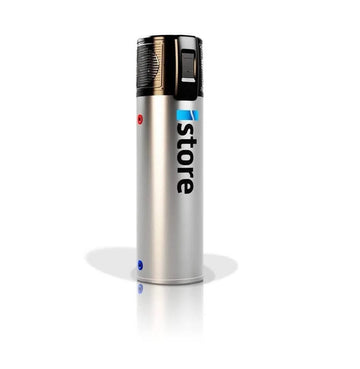
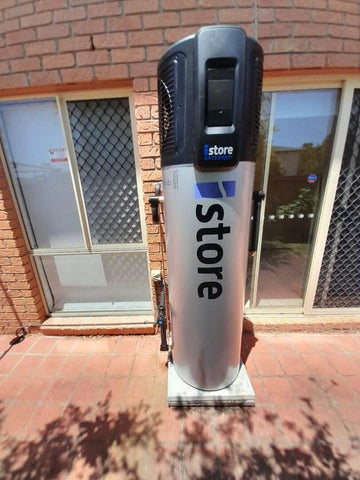
Best Mid-Range Heat Pump: iStore 270
The iStore 270 is one of the strongest mid-range heat pump hot water systems in Australia.
It is not positioned as the most premium system in the market, but it offers a practical balance of capacity, price, efficiency and installer familiarity.
Why the iStore 270 Is Popular
The iStore 270 appeals to homeowners who want a solid family-sized heat pump without jumping into the highest price tier.
Its strengths include:
-
270L capacity
-
Strong value positioning
-
Good fit for many family homes
-
Popular option for electric storage replacement
-
Broad installer familiarity
-
Practical mid-range performance
-
Suitable for many standard homes
-
Good option for buyers comparing installed value
For many Brisbane and Gold Coast properties, the iStore 270 can be a sensible step up from standard electric storage without moving into ultra-premium pricing.
Who Should Consider the iStore 270?
The iStore 270 is best suited to:
-
Three to five person households
-
Value-focused families
-
Homes replacing electric storage
-
Buyers wanting a mid-range heat pump
-
Properties with suitable outdoor placement
-
Customers who want capacity without premium pricing
-
Households comparing long-term running cost improvements
It is a good fit where the homeowner wants a serious heat pump upgrade but does not necessarily need the most premium system available.
Where the iStore 270 Has Limitations
The iStore 270 may not be the top choice if:
-
The buyer wants the strongest premium engineering profile
-
Brand support is the main priority
-
The household has very high hot water demand
-
A larger 300L system would be more suitable
-
The installation site has noise or airflow challenges
-
The customer wants the most premium long-term ownership pathway
It is a strong mid-range system, not the top ultra-premium option.
JR Verdict
The iStore 270 is one of the best mid-range heat pump hot water systems for Australian family homes in 2026.
It is a practical option for buyers wanting capacity, value and a good balance of features without paying for the highest premium tier.
Best Value Heat Pump: Rheem AmbiPower 280
The Rheem AmbiPower 280 is one of the strongest value-focused heat pumps in this ranking because it offers a practical balance of capacity, brand support and cost positioning.
It is a good option for homeowners who want a major brand heat pump without necessarily stepping into the top premium category.
Why the Rheem AmbiPower 280 Is a Strong Value Choice
The AmbiPower 280 works well as a value-focused family heat pump because it offers:
-
280L capacity
-
Major brand backing
-
Practical household suitability
-
Strong fit for electric storage replacements
-
Good balance between price and performance
-
Established hot water brand support
-
Suitable capacity for many family homes
-
Good long-term value potential when installed correctly
For buyers who want a heat pump from a known hot water brand but are watching budget carefully, the AmbiPower 280 is a strong contender.
Who Should Consider the AmbiPower 280?
The Rheem AmbiPower 280 may suit:
-
Families wanting value from a major brand
-
Homes replacing older electric storage
-
Customers comparing heat pump options below premium pricing
-
Properties with suitable outdoor space
-
Households wanting better long-term efficiency than standard electric storage
-
Buyers who value Rheem support but do not need the Ambiheat 270
Where the AmbiPower 280 Has Limitations
The AmbiPower 280 is not the same type of product as the premium Ambiheat 270 or Stiebel SHP-O300.
Things to consider include:
-
It may not have the same premium build profile
-
It may not suit buyers wanting the highest-end platform
-
Placement, airflow and drainage still matter
-
Household demand should still be checked carefully
-
Noise location should be considered before ordering
JR Verdict
The Rheem AmbiPower 280 is one of the best value heat pump hot water systems in Australia for 2026, especially for homeowners wanting major-brand backing without premium-tier pricing.
Best Stainless Steel Heat Pump: Reclaim Energy V2 Stainless Steel
The Reclaim Energy V2 Stainless Steel heat pump stands out for buyers who prioritise stainless steel tank construction and corrosion resistance.
Tank material is not the only thing that matters, but it can be important in certain environments.
Why Stainless Steel Matters
Stainless steel tanks can be appealing because they may offer advantages around corrosion resistance, particularly in challenging water or coastal conditions.
This can matter for:
-
Coastal homes
-
Premium installations
-
Homes where tank material is a priority
-
Buyers wanting a higher-grade cylinder option
-
Customers comparing long-term durability factors
Who Should Consider Reclaim V2 Stainless Steel?
The Reclaim V2 Stainless Steel may suit:
-
Buyers prioritising stainless tank construction
-
Coastal properties where corrosion risk is a concern
-
Premium-focused households
-
Customers comparing material quality
-
Homes where system placement and support access are suitable
Things to Consider
A stainless steel tank alone does not automatically make a system the best overall choice.
You still need to consider:
-
Service network
-
Warranty process
-
Parts access
-
Installation location
-
Household demand
-
Noise level
-
Installer familiarity
-
Long-term support pathway
A strong tank is valuable, but the whole system needs to suit the home.
JR Verdict
The Reclaim Energy V2 Stainless Steel is the best stainless steel heat pump option in this ranking. It is most appealing to buyers who place a high value on tank material and corrosion resistance.
Best Budget Heat Pump: Envirosun M9 and Enviroheat 250
Budget heat pumps have a place in the market. Not every property needs an ultra-premium system, and not every customer has the same ownership goals.
The Envirosun M9 and Enviroheat 250 are better suited to cost-conscious buyers, investment properties, shorter-term ownership plans and customers focused heavily on upfront price.
Why Budget Heat Pumps Are Popular
Budget heat pumps appeal because they often offer:
-
Lower upfront cost
-
Rebate-friendly positioning
-
Reasonable capacity options
-
Simple replacement pathway
-
Good appeal for rental properties
-
Entry-level heat pump upgrade from electric storage
For some homes, that may be enough.
Who Should Consider a Budget Heat Pump?
A budget heat pump may suit:
-
Investment properties
-
Shorter-term property ownership
-
Smaller households
-
Buyers replacing a failed electric system on a tight budget
-
Customers who want lower upfront cost
-
Homes where premium features are not required
Where Budget Heat Pumps Have Trade-Offs
Budget-focused systems can involve trade-offs around:
-
Long-term component quality
-
Acoustic refinement
-
Brand support depth
-
Warranty response experience
-
Parts availability
-
Service network coverage
-
Recovery under heavy load
-
Overall ownership confidence
This does not mean every budget system is bad. It means buyers should be realistic about what they are paying for.
JR Verdict
The Envirosun M9 and Enviroheat 250 can make sense for budget-sensitive buyers, but they should be compared carefully against mid-range and premium options.
For a long-term family home, JR Gas & Water would generally recommend comparing budget systems against installer’s choice heat pumps and large family heat pumps before deciding.
Best Australian-Backed Brand Support: Rheem and Rinnai
For many homeowners, the best heat pump is not only about the product. It is also about what happens if something goes wrong.
This is where Rheem and Rinnai perform strongly.
Why Brand Support Matters
A hot water system failure is disruptive. If the system stops heating, the customer wants fast answers, available parts and a clear service pathway.
Brand support matters because it affects:
-
Warranty handling
-
Parts availability
-
Technician familiarity
-
Response time
-
Fault diagnosis
-
Service coordination
-
Long-term ownership confidence
A lesser-known system may look attractive on price, but support becomes more important three, five or ten years later.
Strong Brand Support Options
The strongest brand support options in this ranking include:
-
Rheem Ambiheat 270
-
Rheem AmbiPower 280
-
Rinnai AR300
-
Rinnai AR340
These are good options for buyers who want a balance of product performance and mainstream support.
JR Verdict
For homeowners who prioritise service support and brand familiarity, Rheem and Rinnai heat pumps deserve serious consideration.
Premium vs Mid-Range vs Budget Heat Pumps
The Australian heat pump market can be split into three broad groups.
Premium Heat Pumps
Premium systems usually offer:
-
Stronger build quality
-
Better engineering refinement
-
Better recovery profile
-
Stronger ownership confidence
-
More advanced controls
-
Better acoustic design
-
Stronger long-term appeal
Examples include:
-
Stiebel Eltron SHP-O300
-
Stiebel Eltron SHP-O200
-
Rheem Ambiheat 270
-
Rinnai AR340
-
Reclaim V2 Stainless Steel
Premium heat pumps are best suited to long-term homeowners, larger families and buyers who want fewer compromises.
Mid-Range Heat Pumps
Mid-range systems usually offer:
-
Good value
-
Practical family capacity
-
Reasonable performance
-
Better affordability than premium units
-
Suitable everyday use
-
Good fit for many standard homes
Examples include:
-
iStore 270
-
Rheem AmbiPower 280
-
Rinnai AR300
-
Reclaim V2 Glass-Lined
Mid-range heat pumps are often the best fit for families wanting a sensible balance of cost and performance.
Budget Heat Pumps
Budget systems usually offer:
-
Lower upfront price
-
Basic hot water performance
-
Entry-level heat pump benefits
-
Strong appeal for rebate-driven purchases
-
Suitability for investment properties or cost-sensitive installs
Examples include:
-
Envirosun M9
-
Enviroheat 250
-
Selected entry-level imported platforms
Budget heat pumps may suit the right property, but buyers should consider long-term support, parts and reliability before choosing based only on price.
Best Heat Pump Brands in Australia 2026
Stiebel Eltron
Stiebel Eltron is the engineering leader in this ranking.
Best suited to:
-
Premium homes
-
Long-term ownership
-
Larger households
-
Buyers prioritising build quality
-
Customers wanting strong system refinement
-
Homes where smart control and solar PV operation matter
Best models to compare:
-
SHP-O300
-
SHP-O200
-
WWK302H
-
WWK222H
JR verdict:
Stiebel Eltron is the strongest premium heat pump brand in this 2026 ranking for buyers who prioritise engineering and long-term ownership confidence.
Rheem
Rheem is one of the strongest all-round hot water brands in Australia.
Best suited to:
-
Family homes
-
Buyers wanting national support
-
Homeowners who value brand familiarity
-
Electric storage replacements
-
Customers wanting premium or value heat pump options
Best models to compare:
-
Ambiheat 270
-
AmbiPower 280
-
AmbiPower 180
JR verdict:
Rheem is one of the safest mainstream heat pump choices because it combines product range, brand recognition and broad support.
Rinnai
Rinnai is a strong option for homeowners wanting established brand support and Australian-assembled heat pump options.
Best suited to:
-
Buyers wanting brand support
-
Family homes
-
Larger households
-
Customers comparing Rheem alternatives
-
Properties where Rinnai’s AR series suits the install
Best models to compare:
-
AR300
-
AR340
-
GR300
-
GR380
JR verdict:
Rinnai is a strong mainstream heat pump brand, especially for buyers who value brand backing and practical support.
iStore
iStore is a strong mid-range heat pump brand for buyers wanting value and capacity.
Best suited to:
-
Standard family homes
-
Value-focused buyers
-
Electric storage replacements
-
Customers wanting a 270L mid-range system
-
Homes where premium pricing is not required
Best models to compare:
-
iStore 270
-
iStore i80
JR verdict:
iStore is one of the strongest mid-tier choices for buyers wanting a practical family heat pump without moving into the highest price tier.
Reclaim Energy
Reclaim Energy is strongest where stainless steel construction and premium material selection are priorities.
Best suited to:
-
Buyers wanting stainless steel tank construction
-
Coastal homes
-
Premium comparison shoppers
-
Customers prioritising material quality
-
Homes where support and installation pathways are suitable
Best models to compare:
-
Reclaim V2 Stainless Steel
-
Reclaim V2 Glass-Lined
JR verdict:
Reclaim is a strong specialist choice, especially for buyers focused on stainless construction, but service support and installer familiarity should still be considered.
Envirosun and Enviroheat
Envirosun and Enviroheat are stronger in the budget and value end of the market.
Best suited to:
-
Budget-sensitive buyers
-
Investment properties
-
Shorter-term ownership plans
-
Entry-level heat pump upgrades
-
Customers focused on upfront cost
JR verdict:
These systems can suit the right buyer, but they should be compared against mid-range models if long-term reliability and support are major priorities.
Best Heat Pump for Brisbane, Gold Coast and South East Queensland Homes
Heat pumps can work very well in Brisbane, the Gold Coast and South East Queensland when they are selected and installed correctly.
The local climate generally suits heat pump operation, but site conditions still matter.
Local Factors That Affect Heat Pump Choice
In Brisbane, Gold Coast and SEQ homes, common heat pump installation factors include:
-
Outdoor airflow clearance
-
Noise near bedrooms or neighbours
-
Tight side access
-
High water pressure
-
Drainage for condensate
-
Stable base requirements
-
Coastal corrosion near the Gold Coast
-
Older pipework in established Brisbane homes
-
Townhouse and body corporate restrictions
-
Solar PV timing
-
Long pipe runs on acreage properties
-
LPG or electric-only homes in outer areas
-
Stormwater and drainage conditions around outdoor units
A heat pump should not be selected from a brochure alone. The outdoor location, household demand and installation conditions matter just as much as the model.
Best Heat Pump Type for Brisbane Homes
For many Brisbane homes, the best options are:
-
Rheem Ambiheat 270 for premium mainstream family use
-
iStore 270 for mid-range value
-
Rheem AmbiPower 280 for value with major-brand support
-
Stiebel SHP-O300 for premium large-family homes
-
Budget heat pumps for investment properties or lower upfront cost projects
Best Heat Pump Type for Gold Coast Homes
For Gold Coast homes, corrosion exposure and outdoor placement can be more important.
Strong options include:
-
Stiebel SHP-O300 for premium long-term ownership
-
Reclaim V2 Stainless Steel where stainless construction is a priority
-
Rheem Ambiheat 270 for premium mainstream support
-
iStore 270 for mid-range family value
Coastal properties should pay close attention to system location, exposure, drainage and long-term serviceability.
Heat Pump Sizing Guide
Correct sizing is one of the most important parts of choosing a heat pump hot water system.
An undersized system may run out of hot water or work harder than ideal. An oversized system may cost more than needed and take up extra space.
General Heat Pump Size Guide
| Household Size | Suggested Capacity Range | Notes |
|---|---|---|
| 1 person | 150L–180L | Depends on shower habits and appliance use |
| 2 people | 180L–200L | Good for smaller homes and lower demand |
| 3 people | 200L–270L | 270L may suit higher usage |
| 4 people | 250L–280L | Common family range |
| 5 people | 270L–300L | Strong recovery becomes more important |
| 6+ people | 300L+ or carefully selected 270L/300L | Usage pattern matters heavily |
Usage Matters More Than Head Count
Two homes with four people can use very different amounts of hot water.
A household may need a larger or stronger system if it has:
-
Long showers
-
Multiple bathrooms
-
Teenagers
-
A large bath
-
Guests staying regularly
-
High laundry use
-
Back-to-back morning showers
-
Evening peak demand
-
No tolerance for running out of hot water
JR Gas & Water can help compare suitable large family heat pumps if demand is high.
Heat Pump vs Electric Hot Water
A heat pump is usually more energy efficient than standard electric storage, but that does not mean it is automatically the best replacement for every property.
Choose a Heat Pump If
A heat pump may suit your home if:
-
You are replacing an older electric storage unit
-
You want lower electricity use than standard electric storage
-
You have suitable outdoor space
-
You have good airflow
-
You can manage noise placement
-
You want better long-term energy performance
-
You have solar PV
-
You plan to stay in the property
Choose Electric Storage If
A standard electric system may still suit if:
-
You need a simple replacement
-
The budget is tight
-
Outdoor heat pump placement is not suitable
-
Space is limited
-
Noise location is a problem
-
The property has low hot water demand
-
A quick like-for-like replacement is preferred
JR Gas & Water can help compare electric hot water systems against heat pump options before you choose.
Heat Pump vs Gas Hot Water
Heat pumps and gas hot water systems solve the same problem in very different ways.
Heat Pump Advantages
A heat pump may offer:
-
Lower electricity use than standard electric storage
-
Good fit for solar PV homes
-
No gas combustion at the unit
-
Strong long-term energy efficiency potential
-
Good option for electric-only homes
-
Modern replacement pathway for older electric systems
Gas Hot Water Advantages
Gas may still suit homes that have:
-
Existing natural gas or LPG supply
-
High continuous flow demand
-
Limited outdoor heat pump placement
-
Preference for instant gas
-
Existing gas hot water infrastructure
If gas is already available and suitable, instant gas hot water systems may still be worth comparing. For homes with gas storage, gas storage hot water systems may also be relevant.
Heat Pumps and Solar PV
Heat pumps can work very well with solar PV when the system is selected and configured correctly.
The goal is to use daytime solar generation to heat water where practical, turning excess solar energy into stored hot water.
What Solar PV Homeowners Should Consider
If you have solar PV, compare:
-
Timer functions
-
Smart control options
-
Relay compatibility where relevant
-
Daytime operating windows
-
Household usage patterns
-
Tank size
-
Recovery time
-
Tariff setup
-
Whether the system will heat during solar production hours
Not every heat pump manages solar in the same way. Some rely on basic timers, while others offer more advanced control options. The right setup depends on the home’s solar system, energy plan and hot water use.
JR Gas & Water can help compare WiFi and smart control heat pumps for homes wanting better control over operation.
Noise: How Loud Are Heat Pump Hot Water Systems?
Heat pumps make noise because they use a fan and compressor. Most modern systems are designed for residential use, but placement still matters.
A heat pump that sounds acceptable in an open yard may feel too loud if it is installed:
-
Outside a bedroom window
-
Near a neighbour’s fence
-
In a narrow side passage
-
Against hard reflective walls
-
Near outdoor living areas
-
In a townhouse courtyard
How to Reduce Heat Pump Noise Issues
Before choosing a system, consider:
-
Distance from bedrooms
-
Distance from neighbouring windows
-
Airflow clearance
-
Fence and wall reflections
-
Operating schedule
-
Acoustic rating
-
Whether a quieter model is available
-
Whether the system can run mainly during daytime
If noise is a major concern, compare quiet heat pump systems before choosing a model.
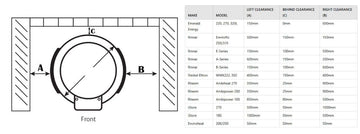
Installation Factors That Matter More Than Most Buyers Realise
A good heat pump can perform poorly if it is installed in the wrong location.
Before choosing a system, check:
-
Is there enough airflow?
-
Is there suitable drainage?
-
Is the base stable?
-
Is the unit too close to a bedroom?
-
Is the unit too close to a neighbour?
-
Is there enough service access?
-
Is the electrical supply suitable?
-
Is the existing plumbing suitable?
-
Is water pressure controlled?
-
Is the system exposed to coastal conditions?
-
Is body corporate approval needed?
-
Can the old system be removed safely?
A heat pump is not a one-size-fits-all product. Installation quality and location can have a major effect on long-term satisfaction.
Common Mistakes When Buying a Heat Pump
Mistake 1: Choosing Only on Price
The cheapest installed price can be tempting, but the lowest upfront cost does not always deliver the best long-term result.
Cheaper systems may still be suitable, but you should compare:
-
Warranty support
-
Parts access
-
Expected lifespan
-
Noise level
-
Recovery performance
-
Installation requirements
-
Brand reputation
-
Service network
Mistake 2: Choosing Only on COP
Efficiency matters, but COP is not the whole story. A heat pump with a strong advertised COP still needs to suit your household, installation location and long-term ownership expectations.
Mistake 3: Undersizing the System
Undersizing can lead to:
-
Running out of hot water
-
Longer recovery periods
-
More compressor strain
-
Customer frustration
-
Poor long-term satisfaction
Mistake 4: Ignoring Noise Placement
A quiet system in the wrong location can still be annoying.
Placement should be considered before the system is installed, not after the first complaint.
Mistake 5: Ignoring After-Sales Support
A hot water system is only as good as the support behind it when something goes wrong.
Premium and major-brand systems often justify their price through better support pathways, not just product features.
Best Heat Pump by Buyer Type
Best for Long-Term Family Homes
Choose:
-
Stiebel Eltron SHP-O300
-
Rheem Ambiheat 270
-
Rinnai AR340
These options suit homeowners who plan to stay long term and want a stronger ownership profile.
Best for Standard Family Value
Choose:
-
iStore 270
-
Rheem AmbiPower 280
-
Rheem Ambiheat 270
These suit buyers wanting a practical balance of capacity, cost and support.
Best for Budget-Sensitive Buyers
Choose:
-
Envirosun M9
-
Enviroheat 250
-
Selected budget heat pump options
These may suit investment properties, shorter-term ownership or tight-budget replacements.
Best for Coastal Homes
Compare:
-
Reclaim V2 Stainless Steel
-
Stiebel Eltron premium options
-
Rheem Ambiheat 270
Coastal homes should consider corrosion exposure, system location and long-term serviceability.
Best for Solar PV Homes
Compare:
-
Stiebel Eltron SHP-O range
-
Rheem Ambiheat 270
-
iStore 270
-
Smart-control heat pump options
The right choice depends on how the system can be scheduled or controlled to align with solar production.
Best for Small Households
Compare:
-
180L–200L heat pumps
-
Compact models
-
Smaller electric storage alternatives if heat pump placement is unsuitable
Smaller households may not need a 270L or 300L system unless usage is high.
Heat Pump Cost Factors
The installed cost of a heat pump hot water system can vary depending on the product and site.
Cost factors include:
-
Brand and model
-
Tank size
-
Existing system type
-
Access to the installation area
-
Electrical requirements
-
Plumbing modifications
-
Valve upgrades
-
Drainage requirements
-
Base requirements
-
Removal of the old system
-
Distance from existing pipework
-
Switchboard or circuit requirements
-
Body corporate access
-
Regional travel or site limitations
Avoid comparing quotes only by the final number. Two heat pump quotes may include very different scopes.
A cheaper quote may exclude important items such as valve upgrades, drainage, base preparation, electrical work or difficult access allowances.
JR Gas & Water provides clear service and quote pathways through service work pricing and the quote request page.
Should You Replace Electric Storage With a Heat Pump?
For many homes, yes.
A heat pump can be a strong replacement for an older electric storage hot water system when:
-
The current unit is old
-
The tank is leaking
-
Running costs are a concern
-
The home has suitable outdoor space
-
Noise placement can be managed
-
Drainage is available
-
The electrical setup is suitable
-
The household plans to stay in the property
However, a heat pump is not automatically right for every site.
Electric storage may still be the better option if:
-
There is no suitable outdoor location
-
Noise placement is a problem
-
The budget does not allow for a heat pump
-
The installation would require too many upgrades
-
A simple like-for-like replacement is needed
JR Gas & Water can help compare plug-in replacement heat pumps where a simpler upgrade pathway is preferred.
What JR Gas & Water Can Help With
JR Gas & Water can help compare suitable heat pump hot water systems based on your home, budget and installation conditions.
Relevant options include:
If your current system is leaking, unreliable, undersized or due for replacement, JR Gas & Water can help compare suitable options from photos, model details and household information.
FAQs About the Best Heat Pump Hot Water Systems in Australia 2026
What is the best heat pump hot water system in Australia in 2026?
The best overall heat pump hot water system in Australia for 2026 is the Stiebel Eltron SHP-O300 for buyers wanting a premium large-capacity system with strong engineering and long-term ownership confidence. For many family homes wanting a premium 270L option, the Rheem Ambiheat 270 is also one of the strongest choices.
What is the best 270L heat pump hot water system?
The Rheem Ambiheat 270 is the best premium 270L heat pump in this ranking because it offers a strong balance of capacity, brand support, reliability profile and practical suitability for family homes. The iStore 270 is also a strong mid-range 270L option for value-focused buyers.
What is the best 300L heat pump hot water system?
The Stiebel Eltron SHP-O300 is the best 300L heat pump hot water system in this ranking. It is best suited to larger households, premium homes and homeowners wanting a long-term heat pump with strong recovery and ownership confidence.
What is the best heat pump for a family of four?
For a family of four, strong options include the Rheem Ambiheat 270, iStore 270, Rheem AmbiPower 280 and Stiebel Eltron SHP-O300. The right choice depends on shower habits, bathrooms, available space, budget and whether the household wants a premium or value-focused system.
What is the best heat pump for a large family?
For larger households, the Stiebel Eltron SHP-O300 is the strongest premium choice in this ranking. The Rinnai AR340 is also worth comparing for families wanting a large-capacity system with established brand support.
Are heat pump hot water systems worth it in Australia?
Yes, heat pump hot water systems can be worth it when they are correctly selected and installed. They can reduce electricity use compared with standard electric storage systems, especially in suitable homes with good outdoor placement and sensible operating schedules.
Are heat pumps good in Brisbane and the Gold Coast?
Yes, heat pumps can work very well in Brisbane, the Gold Coast and South East Queensland when the system has good airflow, suitable drainage, correct sizing and sensible noise placement. Coastal homes should also consider corrosion exposure and outdoor unit location.
Which heat pump brand is best?
Stiebel Eltron leads the premium engineering category, Rheem is one of the strongest mainstream support brands, Rinnai offers strong established brand backing, iStore is a strong mid-range option, and Reclaim is a good choice for buyers prioritising stainless steel construction.
Is Rheem or Stiebel better for heat pumps?
Stiebel Eltron is the stronger premium engineering choice, while Rheem is one of the strongest options for mainstream brand support and broad service familiarity. For a premium large-family system, Stiebel SHP-O300 is hard to beat. For a 270L family system, Rheem Ambiheat 270 is a very strong option.
Is iStore 270 a good heat pump?
Yes, the iStore 270 is a good mid-range heat pump for many family homes. It offers a practical balance of capacity, value and everyday suitability. It may not be the most premium system, but it is one of the stronger value-focused 270L options.
Are budget heat pumps worth it?
Budget heat pumps can be worth it for investment properties, shorter-term ownership or customers focused on upfront cost. However, buyers should compare build quality, warranty response, parts access, noise and long-term support before choosing purely on price.
What size heat pump do I need?
A small household may suit a 180L–200L heat pump, a typical family may suit 250L–280L, and larger households often need 270L–300L or more depending on usage. The number of bathrooms, shower habits and recovery needs matter just as much as household size.
Can a heat pump replace my old electric hot water system?
Yes, a heat pump can often replace an old electric storage system if the home has suitable outdoor space, airflow, drainage and electrical arrangements. JR Gas & Water can help compare heat pumps against electric storage replacements before you choose.
Do heat pumps work with solar panels?
Yes, heat pumps can work well with solar PV when scheduled or controlled correctly. Some systems offer better smart control or solar-friendly operation than others. Solar PV homes should compare timers, control options, operating windows and household usage patterns.
Are heat pump hot water systems noisy?
Heat pumps make some noise because they use a fan and compressor. Many modern systems are suitable for residential use, but placement is critical. Avoid installing the system near bedrooms, neighbouring windows or narrow reflective spaces where possible.
What should I check before buying a heat pump?
Before buying, check household size, tank capacity, recovery needs, outdoor space, airflow, drainage, noise location, electrical requirements, water pressure, warranty, brand support and whether the system suits your long-term plans for the property.
Final Verdict
The best heat pump hot water system in Australia for 2026 depends on what you value most.
If you want the strongest premium overall system, choose the Stiebel Eltron SHP-O300.
If you want the best premium 270L family heat pump, choose the Rheem Ambiheat 270.
If you want a strong mid-range heat pump, compare the iStore 270.
If you want value from a major hot water brand, compare the Rheem AmbiPower 280.
If you want stainless steel construction, compare the Reclaim Energy V2 Stainless Steel.
If you are budget-focused, compare Envirosun and Enviroheat options carefully against mid-range systems before deciding.
The best heat pump is not the one with the loudest marketing claim. It is the one that suits your household demand, installation location, budget, noise requirements, energy setup and long-term ownership expectations.
Need help choosing the right heat pump hot water system?
JR Gas & Water can help compare suitable options for your home across Brisbane, the Gold Coast and nearby South East Queensland areas. Browse heat pump hot water systems, compare large family heat pumps, or send photos and model details through the JR Gas & Water quote request page for a practical recommendation.