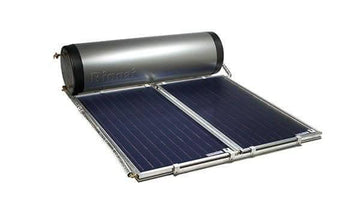
Finding the Best Solar Hot Water System in 2025
Choosing the best solar hot water system in 2025 comes down to more than picking the biggest tank or the most recognisable brand. The right system needs to suit your household size, roof layout, booster type, water usage, budget and long-term plans for the home.
For Brisbane, Gold Coast and South East Queensland homes, solar hot water can still be a strong option where the roof has suitable sun exposure and the household uses enough hot water to justify the investment. But not every property is ideal for solar, and in some cases a heat pump hot water system may be the better alternative.
JR Gas & Water supplies and installs solar hot water systems, with practical advice on when to choose solar, when to compare heat pumps, and when a standard electric or gas hot water system may be more suitable.
Quick Answer
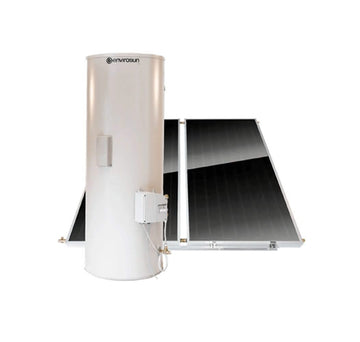
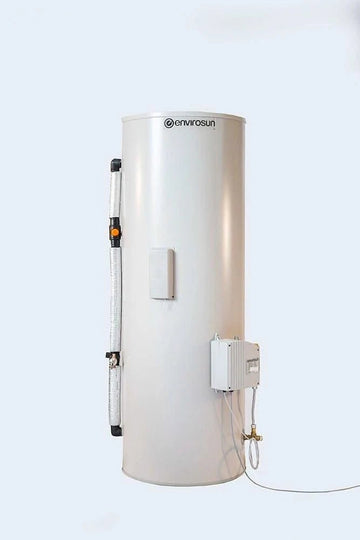
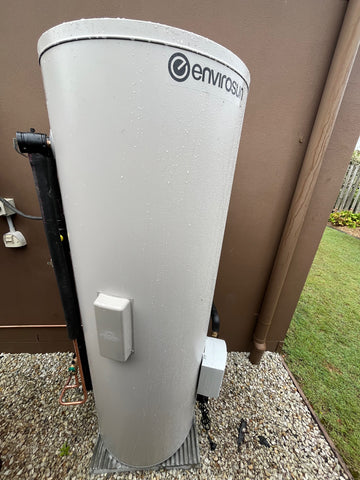
The best solar hot water system for 2025 is the Envirosun TS+300/40, based on its strong balance of performance, stainless steel tank construction, flat panel collector setup and long-term value.
The Rheem 52L300 is the best option for buyers who want brand confidence and long-term warranty support, while the Envirosun THX+300/40 is a strong premium alternative for performance and build quality. For larger households, systems such as the Rheem 325L Loline Twin Panel or Rinnai Prestige 315L Twin Panel may be worth comparing.
2025 Solar Hot Water System Rankings
| Rank | Model | Best For | Score |
|---|---|---|---|
| 1 | Envirosun TS+300/40 | Best Overall Performance | 82 |
| 2 | Rheem 52L300 | Best for Longevity and Warranty | 76 |
| 3 | Envirosun THX+300/40 | Best for Performance and Build Quality | 70 |
| 4 | Rheem 52D300 | Best for Long-Term Reliability | 68 |
| 5 | Rinnai Prestige 315L Twin Panel | Best for High Efficiency | 66 |
| 6 | Rheem 52H300 | Best Trusted Brand Option | 64 |
| 7 | Rheem 325L Loline Twin Panel | Best Large Capacity Option | 64 |
| 8 | Envirosun AS3155/40 | Best Cost-Effective Solar Heating | 62 |
| 9 | Rinnai Close Coupled 330L | Best Space-Saving Design | 54 |
| 10 | Rinnai Sunmaster Split 315L Twin Panel | Best Reliable Solar Backup | 54 |
How We Ranked the Best Solar Hot Water Systems
These rankings are based on the things that matter most when choosing a solar hot water system for Australian homes.
The main ranking factors include:
Solar collector type
Tank material
Household suitability
System efficiency
Warranty and brand support
Expected durability
Installation flexibility
Boosting options
Value for money
Long-term ownership cost
The highest-ranked system is not always the right system for every roof. Solar hot water performance depends heavily on installation conditions, collector orientation, shading, roof access and how the household uses hot water.
Best Overall Solar Hot Water System: Envirosun TS+300/40
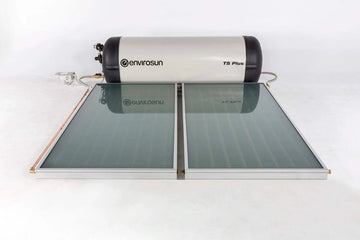
The Envirosun TS+300/40 takes the top position for 2025 because it offers the best overall balance of performance, stainless steel tank construction and long-term value.
It is a strong option for households wanting a premium solar hot water system without relying only on brand name recognition.
Best Suited To
The Envirosun TS+300/40 may suit:
Medium to large households
Homes with strong roof sun exposure
Owner-occupiers wanting long-term value
Families wanting solar hot water performance
Homes replacing older roof-mounted solar systems
Customers wanting stainless steel tank construction
Households wanting a high-performing flat panel system
Why It Ranks Number One
The Envirosun TS+300/40 ranks highly because it combines a stainless steel tank with a strong flat panel collector setup.
Key strengths include:
Strong overall performance
Stainless steel tank construction
Flat panel solar collector design
Good long-term value
Strong suitability for family homes
Premium positioning without unnecessary complexity
Practical fit for many South East Queensland homes
Stainless steel tank construction is a major advantage for buyers focused on long-term durability. It is especially appealing for owner-occupiers who want a system that is built for the long haul rather than the lowest upfront price.
Things to Consider
The Envirosun TS+300/40 still needs the right roof and installation conditions. Solar collectors need good sun exposure, suitable roof space and a practical pipe route between the roof and tank.
If the roof is heavily shaded, faces the wrong direction or has limited access, it may be worth comparing heat pump hot water systems instead.
Best for Longevity and Warranty: Rheem 52L300
The Rheem 52L300 earns second place and is the strongest option for customers who want the confidence of a major household hot water brand.
Rheem has long been one of the most recognised names in Australian hot water, and that brand confidence matters for buyers looking at long-term serviceability, parts support and installer familiarity.
Best Suited To
The Rheem 52L300 may suit:
Homeowners wanting a trusted brand
Families wanting long-term reliability
Homes with suitable roof conditions
Customers focused on warranty support
Properties replacing an older Rheem solar system
Buyers wanting a premium solar storage option
Why It Ranks Highly
The Rheem 52L300 scores well because of its brand support, long-term reputation and stainless steel tank construction.
Key strengths include:
Trusted Australian hot water brand
Strong warranty positioning
Stainless steel tank construction
Good long-term ownership appeal
Practical option for family homes
Strong installer familiarity
Good service and replacement support
Things to Consider
Rheem solar systems can sit at a higher price point than some alternatives. The premium may be worth it if brand support, warranty confidence and long-term serviceability are high priorities.
If upfront value matters more, the Envirosun TS+300/40 or Envirosun AS3155/40 may be worth comparing through JR Gas & Water’s solar hot water system range.
Best for Performance and Build Quality: Envirosun THX+300/40
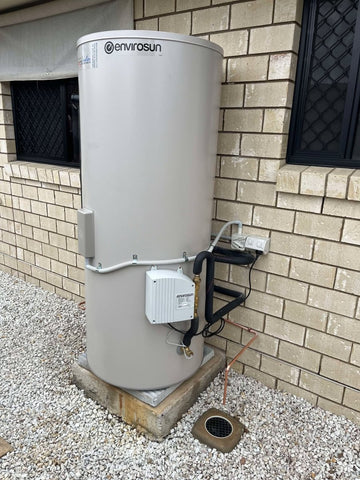
The Envirosun THX+300/40 is a strong premium solar hot water option for customers who want performance and build quality without defaulting to the most expensive brand-name system.
Best Suited To
The Envirosun THX+300/40 may suit:
Performance-focused households
Homes with good solar access
Medium to large families
Customers wanting stainless steel construction
Owner-occupiers wanting long-term value
Homes replacing older solar systems
What It Does Well
The Envirosun THX+300/40 is best viewed as a high-quality solar hot water system for households that want strong performance from a well-built setup.
Key strengths include:
Strong build quality
Stainless steel tank construction
Good solar collection performance
Suitable family capacity
Strong value compared with some premium brand alternatives
Good fit for suitable Brisbane and Gold Coast homes
Things to Consider
As with all solar systems, roof suitability is critical. If roof access is poor or collectors cannot be positioned effectively, system performance may not match expectations.
A pre-installation assessment is important before choosing any roof-mounted solar hot water system.
Best for Long-Term Reliability: Rheem 52D300
The Rheem 52D300 earns its place as the best long-term reliability option.
It is a strong choice for buyers who want a dependable solar hot water system from a well-known brand, even if it does not top the ranking overall.
Best Suited To
The Rheem 52D300 may suit:
Reliability-focused buyers
Homes with existing Rheem solar infrastructure
Families wanting a proven solar option
Customers who prefer a major brand
Properties with suitable roof exposure
Homes replacing older solar hot water systems
What It Does Well
The Rheem 52D300 is a practical long-term option.
Key strengths include:
Strong brand recognition
Reliable system format
Good family suitability
Solid after-sales support
Practical solar hot water replacement pathway
Trusted option for long-term homeowners
Things to Consider
The Rheem 52D300 uses vitreous enamel tank construction rather than stainless steel. This can still be a proven and reliable option, but buyers should understand the maintenance and durability differences compared with stainless steel models.
Best for High Efficiency: Rinnai Prestige 315L Twin Panel
The Rinnai Prestige 315L Twin Panel is the best option in this ranking for customers focused on high-efficiency solar hot water performance.
It offers a larger-capacity setup with twin flat panels, making it a useful option for homes with higher hot water demand and good solar roof conditions.
Best Suited To
The Rinnai Prestige 315L Twin Panel may suit:
Larger households
Families with higher hot water use
Homes with strong sun exposure
Customers wanting twin panel performance
Properties with suitable roof space
Homes wanting strong solar contribution
What It Does Well
The main strength is the combination of larger storage and twin panel solar collection.
Key strengths include:
315L capacity
Twin panel collector setup
Strong efficiency positioning
Suitable for higher-demand households
Good option for family homes
Trusted brand presence
Things to Consider
A twin panel system needs enough suitable roof space. It may not be the best option for small homes, shaded roofs, complex rooflines or properties with limited collector placement options.
Best Trusted Brand Option: Rheem 52H300
The Rheem 52H300 is the best trusted brand option for customers who want a solid solar hot water system backed by a major hot water name.
Best Suited To
The Rheem 52H300 may suit:
Standard family homes
Customers who prefer Rheem
Homes replacing an older solar system
Buyers wanting a proven system format
Households with moderate to high hot water use
What It Does Well
The Rheem 52H300 is not the highest-ranked model, but it offers brand confidence and practical performance.
Key strengths include:
Trusted Rheem name
Practical solar hot water setup
Good household suitability
Strong service familiarity
Suitable for replacement jobs
Long-term brand confidence
Things to Consider
The Rheem 52H300 should be compared against the Rheem 52L300 and Envirosun TS+300/40 if you are deciding between similar-capacity premium systems.
Best Large Capacity Option: Rheem 325L Loline Twin Panel
The Rheem 325L Loline Twin Panel is the best large-capacity option in this ranking.
It is better suited to households that need more stored hot water and have the roof space to support a larger solar collector setup.
Best Suited To
The Rheem 325L Loline Twin Panel may suit:
Larger families
Homes with higher hot water demand
Multiple bathroom properties
Households with strong daytime hot water use
Properties with good roof access
Customers wanting a trusted large-capacity solar option
What It Does Well
The main advantage is capacity.
Key strengths include:
Large 325L tank size
Twin panel solar setup
Good family suitability
Trusted Rheem brand
Suitable for high-demand homes
Strong option where storage volume matters
Things to Consider
Large solar hot water systems cost more, take up more space and need suitable installation conditions. If your household does not need the extra capacity, a smaller system may be better value.
For some high-demand homes, it is also worth comparing large family heat pump systems before deciding on solar.
Best Cost-Effective Solar Heating: Envirosun AS3155/40
The Envirosun AS3155/40 earns the best cost-effective solar heating award.
It is a practical option for customers who want solar hot water without moving into the highest premium price range.
Best Suited To
The Envirosun AS3155/40 may suit:
Value-focused buyers
Families wanting solar hot water
Homes with suitable roof conditions
Customers comparing upfront cost and performance
Properties replacing older solar systems
Households wanting practical solar contribution
What It Does Well
The Envirosun AS3155/40 is appealing because it offers a more value-conscious solar option while still providing useful solar hot water performance.
Key strengths include:
Good value positioning
Practical family sizing
Solar hot water performance without premium pricing
Suitable for many standard homes
Good option for budget-aware solar buyers
Things to Consider
Cost-effective does not always mean best long-term value. Customers should compare tank material, warranty, expected life and installation requirements before choosing based on price alone.
Best Space-Saving Design: Rinnai Close Coupled 330L
The Rinnai Close Coupled 330L earns the best space-saving design award.
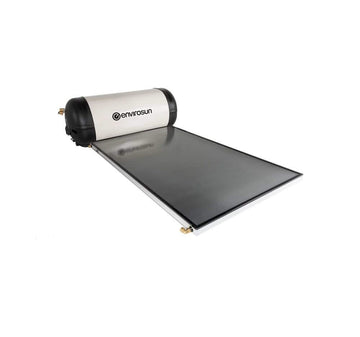
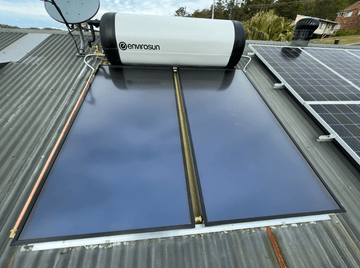
Close-coupled systems place the tank and collectors together on the roof, which can reduce the need for a separate ground-level tank location.
Best Suited To
The Rinnai Close Coupled 330L may suit:
Homes with limited ground-level space
Properties where roof mounting is practical
Households wanting a compact system layout
Homes with suitable roof structure
Customers wanting a roof-mounted tank and collector setup
What It Does Well
The key advantage is the all-on-roof format.
Key strengths include:
Roof-mounted tank and collector design
Less ground-level equipment
Practical where yard or side access is limited
Good option for certain roof layouts
Simple visual system layout
Things to Consider
Close-coupled systems need the right roof structure, access and orientation. They can also add weight to the roof, so suitability should be checked carefully.
This type of system may not suit every home, especially older roofs, shaded roofs or properties with difficult roof access.
Best Reliable Solar Backup: Rinnai Sunmaster Split 315L Twin Panel
The Rinnai Sunmaster Split 315L Twin Panel earns the best reliable solar backup award.
A split system keeps the storage tank separate from the roof collectors, which can be useful for some homes where roof tank weight or appearance is a concern.
Best Suited To
The Rinnai Sunmaster Split 315L Twin Panel may suit:
Homes wanting a split solar layout
Properties with suitable roof collector space
Families wanting electric boosting support
Homes where roof tank placement is not ideal
Households wanting a known brand
What It Does Well
The Rinnai Sunmaster Split 315L Twin Panel offers a practical solar setup with backup heating for times when solar contribution is lower.
Key strengths include:
Split system format
Twin panel collector setup
315L storage capacity
Useful backup support
Practical household suitability
Good option for suitable family homes
Things to Consider
Split solar systems can be more complex than simple electric storage or heat pump replacements. They need suitable roof pipework, a good tank location and correct controller and booster setup.
Solar Hot Water vs Heat Pump Hot Water
Solar hot water is not automatically the best option for every home. Heat pumps have become a serious alternative, especially for homes where roof orientation, shading or roof access makes solar difficult.
| System Type | Best Suited To | Main Advantage | Main Consideration |
|---|---|---|---|
| Solar hot water | Homes with strong sun exposure and suitable roof space | Uses roof-mounted solar collectors to heat water | Roof suitability matters |
| Heat pump hot water | Homes with suitable outdoor airflow and drainage | Efficient electric hot water without roof collectors | Needs suitable installation space |
| Electric storage | Simple like-for-like replacements | Lower upfront complexity | Higher running cost potential |
| Gas hot water | Homes with suitable gas supply | Strong recovery or continuous flow options | Gas supply and compliance requirements |
Choose solar if your roof is suitable and you want a dedicated solar thermal system.
Choose a heat pump if roof conditions are poor, you have solar PV, or you want a more flexible ground-level electric hot water upgrade.
Flat Panel vs Evacuated Tube Solar Hot Water
Most systems in this ranking use flat panel collector technology, which is common and well suited to many Australian homes.
Flat panel collectors are durable, simple and widely used in roof-mounted solar hot water systems.
Evacuated tube systems can perform well in some conditions, especially where cooler climates or certain roof layouts make them attractive, but flat panels remain a common choice for Brisbane and Gold Coast homes because they are practical and proven.
The right collector type depends on:
Roof orientation
Available roof space
Shading
Climate
Budget
Household demand
System type
Maintenance expectations
Stainless Steel vs Vitreous Enamel Solar Tanks
Tank material is one of the most important buying factors.
Stainless Steel Tanks
Stainless steel tanks are often chosen for long-term durability and corrosion resistance. They usually cost more upfront but can offer strong ownership value.
They may suit:
Owner-occupiers
Long-term homes
Premium solar systems
Customers wanting low-maintenance tank construction
Buyers focused on durability
Vitreous Enamel Tanks
Vitreous enamel tanks are common and proven, but they generally rely on a protective lining and sacrificial anode maintenance.
They may suit:
Budget-conscious buyers
Standard replacement jobs
Homes where upfront cost matters
Customers comfortable with normal maintenance requirements
If you want the strongest long-term ownership case, stainless steel options such as the Envirosun TS+300/40, Envirosun THX+300/40 or Rheem 52L300 are worth comparing.
What Size Solar Hot Water System Do You Need?
Solar hot water sizing depends on household demand and booster setup.
Consider:
Number of people in the home
Number of bathrooms
Shower length
Morning and evening hot water demand
Baths or spa baths
Dishwasher and laundry habits
Roof space available for collectors
Whether electric or gas boosting is used
For many family homes, systems around 300L to 325L are common. Smaller households may not need that much storage, while high-demand households may need larger capacity or a different hot water strategy.
Installation Considerations
Solar hot water installation needs proper planning because it involves roof work, plumbing, valves, boosting and sometimes electrical or gas connections.
Important installation factors include:
Roof orientation
Roof pitch
Shading
Roof access
Collector location
Tank location
Pipe run length
Structural suitability
Electric or gas booster setup
Tempering valve requirements
Pressure limiting valve requirements
Relief valve discharge
Drainage
Removal of old system
Access for future servicing
Electrical work must be completed by a licensed electrician where required. Gas boosting must be handled by a licensed gas fitter. Plumbing work must be completed by a licensed plumber.
JR Gas & Water can help with solar hot water systems, hot water repairs and servicing and service work pricing for customers comparing repair, replacement or upgrade options.
Brisbane and Gold Coast Solar Hot Water Considerations
Solar hot water can work well across South East Queensland, but installation conditions still matter.
Common local factors include:
Good solar access on north-facing roof sections
Shading from trees or neighbouring homes
Coastal corrosion around Gold Coast properties
High-set homes with more difficult roof access
Older roofs that may need assessment
Townhouses with body corporate requirements
Acreage homes with different water pressure conditions
Homes with existing solar hot water pipework
Properties comparing solar hot water with heat pumps
Storm exposure and weather protection
A good solar hot water recommendation should consider the roof, not just the household size.
When Solar Hot Water May Not Be the Best Choice
Solar hot water may not be ideal if:
The roof is heavily shaded
The roof faces an unsuitable direction
Roof access is difficult or unsafe
The roof structure is not suitable
The home has limited budget for installation
The household uses very little hot water
The property already has strong solar PV and would suit a heat pump
The old solar system pipework is in poor condition
The site would need expensive roof or plumbing changes
In these cases, a heat pump hot water system may offer a more practical solution.
What JR Gas & Water Can Help With
JR Gas & Water can help compare, supply and install solar hot water systems across Brisbane, the Gold Coast and nearby South East Queensland areas.
Relevant options include:
Large family heat pump systems
Hot water repairs and servicing
FAQs About Solar Hot Water Systems
What is the best solar hot water system in 2025?
The Envirosun TS+300/40 is the best overall solar hot water system in this 2025 ranking because it offers strong performance, flat panel collectors, stainless steel tank construction and excellent long-term value.
Is Rheem better than Envirosun for solar hot water?
Rheem is stronger for brand recognition and long-term support confidence, while Envirosun offers very strong performance and value in this ranking. The best choice depends on whether you prioritise brand confidence, price, tank material or overall installed value.
Is stainless steel worth it for solar hot water?
Stainless steel can be worth it for homeowners focused on long-term durability and lower tank maintenance. It usually costs more upfront but can be a smart option for owner-occupiers planning to stay in the home.
Is solar hot water better than a heat pump?
Solar hot water can be better where the roof has strong sun exposure and the system is installed well. A heat pump may be better where roof conditions are poor, solar PV is already installed, or a ground-level installation is more practical.
What size solar hot water system do I need?
Many family homes compare systems around 300L to 325L, but the right size depends on household size, shower habits, bathrooms, booster type and roof collector setup.
Do solar hot water systems work on cloudy days?
Solar hot water systems can still receive some solar contribution in cloudy weather, but performance is reduced. This is why many systems include electric or gas boosting to maintain hot water availability.
Can JR Gas & Water install solar hot water systems?
Yes. JR Gas & Water supplies and installs solar hot water systems across Brisbane, the Gold Coast and nearby South East Queensland areas, with advice on solar, heat pump, electric and gas replacement options.
Should I repair or replace my old solar hot water system?
Repair may make sense if the system is relatively new and the fault is minor. Replacement may be better if the tank is leaking, collectors are damaged, parts are difficult to justify, or the system is old and unreliable.
Final Thoughts
The Envirosun TS+300/40 is the best overall solar hot water system for 2025, while the Rheem 52L300 is the strongest choice for buyers who want brand confidence and long-term warranty support. The Envirosun THX+300/40 is a strong premium alternative, and larger households should compare options such as the Rheem 325L Loline Twin Panel or Rinnai Prestige 315L Twin Panel.
The right system depends on your roof, household size, budget and hot water usage. Solar hot water can be an excellent long-term choice for the right home, but it should always be compared against heat pump, electric and gas options before you commit.
Need help choosing the right solar hot water system?
Browse JR Gas & Water’s solar hot water systems, compare heat pump hot water systems, or send photos and system details through the JR Gas & Water quote request page for practical replacement advice.
Plumbing & Gas Fitting Across South East Queensland
Looking for a local plumber? JR Gas & Water provides plumbing and gas fitting services throughout Greater Brisbane, Logan, Ipswich, Moreton Bay, Redlands and the Gold Coast.
View all plumbing & gas fitting service areas