COMMON QUESTIONS
PTR & ECV Valve Replacement FAQs
What is a PTR valve?
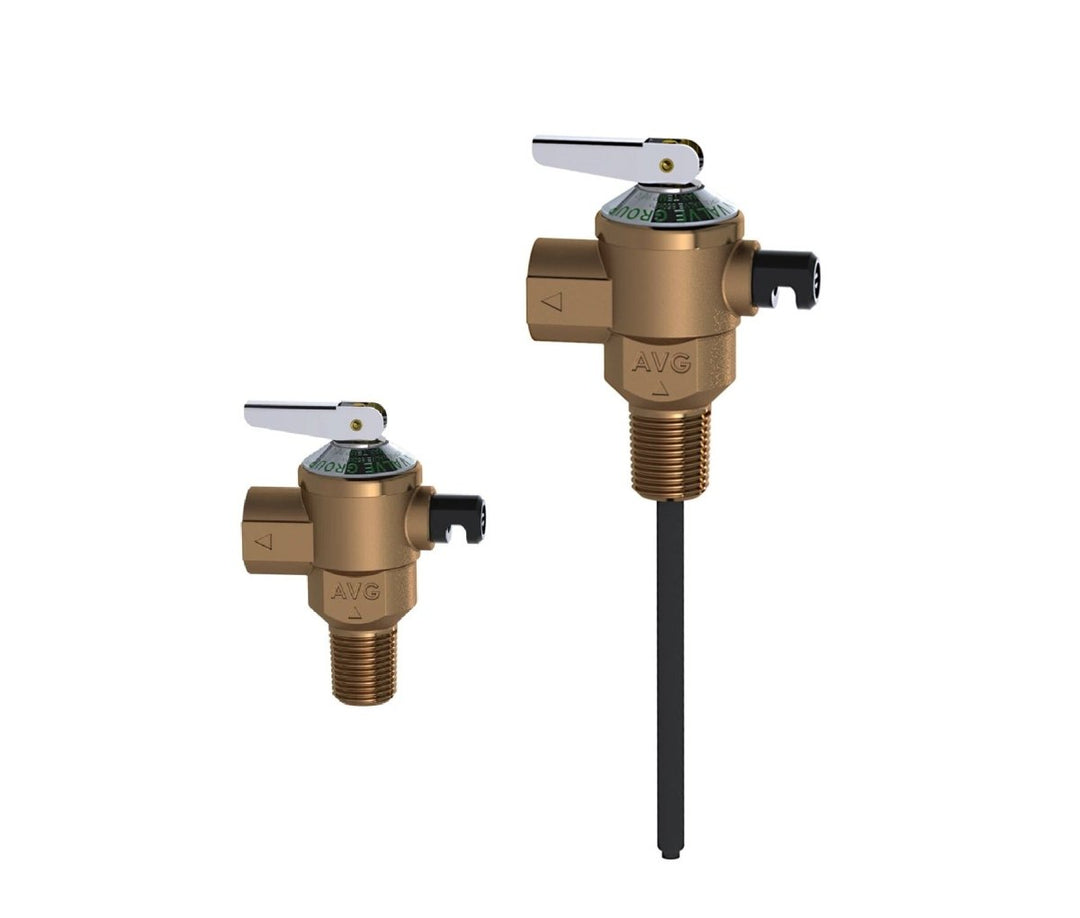
A PTR or TPR valve is a pressure-and-temperature relief valve fitted to applicable storage water heaters. It provides a safety discharge path if cylinder pressure or temperature becomes excessive.
What is an ECV?
An Expansion Control Valve is fitted to the cold-water inlet of some storage hot-water systems and can relieve pressure created as stored water expands during heating.
Does every hot water system have an ECV?
No. ECV requirements vary with the water heater and plumbing arrangement. Replacement only applies where an ECV is actually fitted or required for the system.
Does every hot water system have a PTR valve?
Conventional storage water heaters commonly use a PTR valve, but continuous-flow and other appliance designs use different safety arrangements. The exact system type should be identified first.
Is it normal for a PTR or ECV to drip?
A small amount of discharge during heating can be associated with normal thermal expansion. Continuous, heavy or abnormal discharge should be investigated rather than automatically treated as normal.
Why is my PTR valve constantly running?
Possible causes include a worn valve, excessive incoming pressure, incorrect pressure control, abnormal heating or another installation fault. Proper diagnosis is important because replacing the PTR alone may not correct the underlying problem.
How often should PTR and ECV valves be replaced?
Follow the maintenance instructions for the exact water-heater manufacturer and model. Manufacturer schedules commonly include periodic relief-valve testing and replacement or performance checks, but the exact interval should not be assumed to be identical for every system.
Can I block a leaking relief-valve drain?
No. A relief-valve discharge line must remain able to discharge safely. If the valve is leaking excessively, the valve and underlying pressure or temperature condition should be investigated instead.
Can a failed PTR valve cause low hot-water pressure?
A valve fault can form part of a broader plumbing issue, but low outlet pressure can have many other causes including inlet valves, pressure-control devices, pipe restrictions, mixers and the water heater itself. A diagnosis is preferable if the cause is uncertain.
Can JR replace PTR and ECV valves on heat-pump or solar hot-water systems?
Applicable heat-pump and solar storage tanks can use PTR and ECV arrangements similar to other storage systems. Exact compatibility depends on the tank, valve specification and installed plumbing.
How much does PTR and ECV valve replacement cost?
Use JR's live service selector above for current pricing and booking availability. Work outside the standard valve-replacement scope can require additional quotation.
Can JR replace PTR and ECV valves in Brisbane and the Gold Coast?
JR Gas & Water provides hot-water repairs across eligible Brisbane, Gold Coast and surrounding South East Queensland service areas. Final availability depends on the system, repair type and booking schedule.