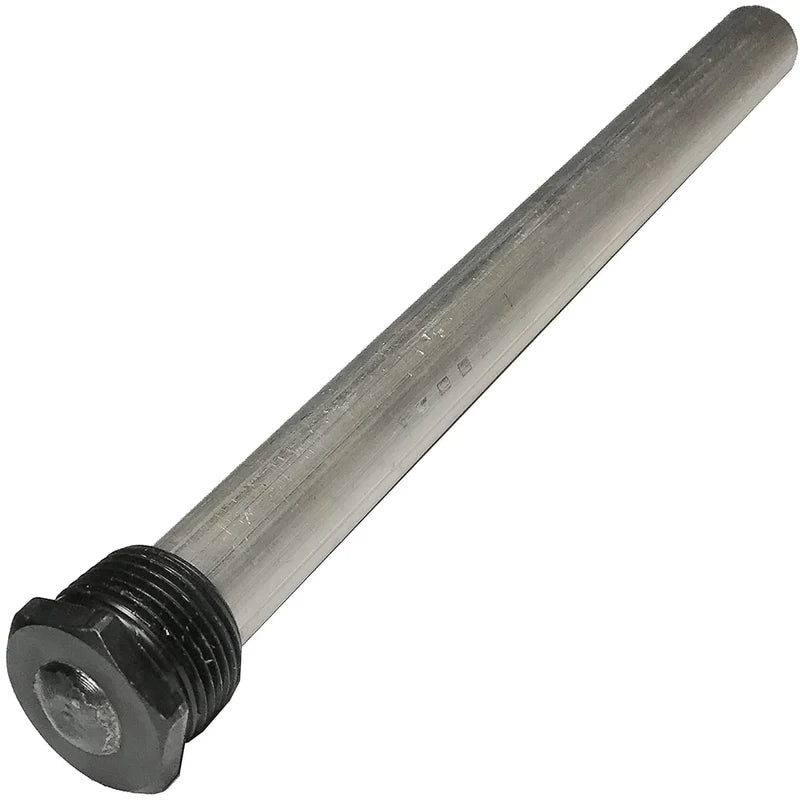
Electric Hot Water Repair - Anode -
Award Winning
2023–2025 ProductReview.com.au Winners
Product Protection
Live Availability
Same Day Service Available 365 Days
Trusted Locally
1000+ 5-Star Google Service Reviews

Electric Hot Water Repair - Anode

From —
Licensed professionals Fixed-price service options
Prefer to speak with us first? Call 1800 161 280
Choose your timeframe below ↓
1

Select Choose When You Want It Installed! Need hot water fast? Pick a priority install and skip the wait!

Your Selected Service
Booking & Payment Summary
Selected Service Total
—
Based on the service and options selected above
Pay In Full Today
The selected service total is charged at checkout
—
Pay your total with
HOT WATER TANK MAINTENANCE

Hot Water Anode Replacement Brisbane & Gold Coast

JR Gas & Water provides sacrificial anode replacement for applicable storage hot water systems across eligible Brisbane, Gold Coast and surrounding South East Queensland service areas.

A sacrificial anode is a corrosion-protection component installed inside many vitreous-enamel or enamel-lined steel hot-water cylinders. It is designed to gradually deteriorate while helping protect exposed steel inside the storage tank.

Anode replacement can be an important part of maintaining a suitable storage cylinder, but it is not universal. Some stainless-steel tanks use no sacrificial anode, some heat pumps use different anode arrangements, some systems use powered or maintenance-free anodes, and continuous-flow water heaters do not have a storage cylinder requiring this type of anode.

Quick answer: book an anode replacement when the exact hot-water system uses a replaceable sacrificial anode and the manufacturer's maintenance schedule, system age, water chemistry or inspection indicates it is due. The correct replacement interval and anode type depend on the exact model.

Hot Water Anode Replacement at a Glance

Tank Protection

Corrosion Control

The sacrificial anode gradually corrodes while helping protect the steel cylinder beneath an enamel lining.

Model Specific

Not Every Tank Is the Same

Anode design, quantity, material and maintenance interval vary by manufacturer and model.

Water Matters

Chemistry Affects Selection

Some manufacturers specify different anode types according to total dissolved solids, water source or other chemistry conditions.

Inspect First

Repair vs Replacement

Anode replacement may not be worthwhile if the cylinder itself is already leaking or heavily corroded.

What Does a Sacrificial Anode Do?

Many storage hot-water cylinders are made from steel with a protective vitreous-enamel or similar internal lining. Because no lining system should be assumed completely immune from exposure over the entire life of the tank, manufacturers can also use a sacrificial metal anode as part of the corrosion-protection system.

The anode is deliberately made from a material that is more electrochemically active than the protected steel. Over time, the anode is consumed while helping reduce corrosion of exposed steel inside the cylinder.

That means an anode is a wear component. Its condition can change with time, water chemistry, temperature, usage and the tank's design.

Important correction: an anode does not simply “attract minerals and impurities”. Its main function is sacrificial electrochemical corrosion protection for applicable steel storage cylinders.
SUITABILITY

Which Hot Water Systems May Need Anode Replacement?

Electric Storage

Many vitreous-enamel electric storage cylinders use one or more replaceable sacrificial anodes.

Gas Storage

Many enamel-lined gas storage tanks also use sacrificial anodes, although exact design and maintenance requirements vary.

Heat Pump Storage

Some heat-pump cylinders use sacrificial anodes, while others use stainless steel, powered anodes or alternative corrosion-protection arrangements.

Solar Storage

Many enamel-lined solar storage tanks include sacrificial anodes as part of their cylinder-maintenance requirements.

Stainless-Steel Tanks

Many stainless-steel cylinders do not use the same replaceable sacrificial-anode arrangement as enamel-lined steel tanks.

Continuous-Flow Systems

Instantaneous gas and electric continuous-flow systems do not use a conventional storage cylinder, so this type of tank anode replacement does not apply.

How Often Should a Hot Water Anode Be Replaced?

There is no universal replacement interval that applies to every hot-water system.

The correct timing depends on the manufacturer, model, cylinder design, anode material, water chemistry, water source and previous maintenance history.

For example, current Rheem electric-storage documentation for applicable vitreous-enamel models recommends a major service every five years, including inspection and replacement of the anode where required. Rheem also specifies earlier or repeated inspection requirements for softened, desalinated or variable water supplies and a model-specific maximum replacement period.

Follow the Exact Manual

The manufacturer's current owner's guide or installation manual should be the primary maintenance reference.

Water Chemistry Matters

Bore, tank, desalinated, softened or variable water can alter both inspection frequency and the required anode type.

Previous Service History Matters

If the system's age or anode history is unknown, inspection can help determine whether replacement remains sensible.

Do not rely on a blanket “3–7 year” rule. Some systems have shorter inspection requirements, some allow longer periods, and some do not use a replaceable sacrificial anode at all.

Signs the Hot Water System Should Be Checked

A depleted anode does not always produce a clear symptom. Scheduled inspection is often more reliable than waiting for visible problems.

Rusty Hot Water

Rust or discolouration from multiple hot outlets can indicate tank, anode, fitting or pipework deterioration and should be investigated.

Unknown Maintenance History

An older enamel-lined storage cylinder with no known anode-service history may justify checking the manufacturer's maintenance requirements.

Tank Corrosion

Visible corrosion around the cylinder, fittings or tank base can indicate broader deterioration that needs assessment before an anode is replaced.

Unusual Hot-Water Odour

Odour can involve water chemistry, bacteria, anode material or other causes. It should not automatically be diagnosed as a failed anode.

Sediment or Debris

Particles or sediment can come from tank deterioration, pipework, scale or other internal components and may justify broader inspection.

Manufacturer Service Due

If the exact system has reached its specified major-service or anode-inspection interval, preventative inspection can be more useful than waiting for a leak.

Rusty or Discoloured Hot Water Does Not Always Mean the Anode

Rust-coloured hot water can be associated with a depleted anode or internal cylinder corrosion, but it can also come from old galvanised pipework, corroded fittings, sediment, recent plumbing work or deterioration elsewhere in the hot-water system.

If discolouration occurs only from the hot taps, the hot-water side deserves closer investigation. If both hot and cold water are affected, the source may be elsewhere in the property's water supply.

Where the cylinder itself has begun rusting internally or leaking through the tank body, simply fitting a new anode will not restore the damaged steel or enamel lining.

Repair decision: anode replacement is most useful while the storage cylinder remains structurally sound. If the tank is already failing, replacing the complete hot-water system may be the more practical option.

Correct Anode Type Matters

Replacement is not simply a matter of installing any rod that physically fits the tank.

Manufacturers can specify different anode materials, dimensions, quantities or colour codes according to the cylinder and local water chemistry. The correct replacement should therefore be matched to the exact hot-water model and manufacturer requirements.

System Identification

The brand, model, serial information, tank construction and original anode arrangement should be confirmed before the replacement part is selected.

Water Chemistry

Where the manufacturer links anode selection to TDS, conductivity or water source, those conditions should be considered before selecting the replacement.

Rheem's current electric-storage documentation is one example: it uses different colour-coded anodes across specified TDS ranges and warns that the wrong anode can affect cylinder life and warranty coverage.

What Happens During an Anode Replacement?

Confirm the hot-water system including brand, model and tank type where accessible.

Check whether the system uses a replaceable sacrificial anode rather than assuming one is fitted.

Isolate the applicable water and energy supply before work begins.

Relieve and drain water as required to safely access and remove the anode.

Remove the existing anode where access and cylinder condition allow.

Fit the correct replacement suited to the applicable model and installation.

Refill and check the system for normal water operation and visible leakage.

Identify broader tank deterioration where corrosion or another issue becomes apparent during the work.

Access can change the job: some anodes need substantial overhead clearance for removal. Tight cupboards, low roofs, solar tanks, integrated heat pumps or unusual cylinder positions can require additional access planning or a different service approach.

Anode Replacement vs Full Hot Water Service

Service Best Used When Typical Focus
Anode Replacement The applicable storage tank is sound and the anode is the defined maintenance item required. Correct sacrificial anode replacement and associated access/refill work.
Storage Hot Water Service Multiple scheduled maintenance components are due. Can include anode, PTR, ECV and other system-specific service components according to the selected package.
Fault Find The system has an unexplained leak, no hot water, discolouration, odour or another fault and the cause is unknown. Diagnose the actual fault before deciding which part requires replacement.
System Replacement The cylinder itself is leaking, badly corroded or no longer economical to maintain. Replace the complete hot-water system with a suitable new unit.

Can Anode Replacement Extend Tank Life?

Replacing a depleted sacrificial anode can help maintain corrosion protection in a cylinder that is designed to use one. Manufacturers including Rheem state that cylinder life may be extended by replacing the anode.

That is different from promising that anode replacement will “double the life” of every hot-water system. The remaining life of a tank also depends on internal lining condition, water chemistry, pressure, temperature, previous maintenance, installation environment and existing corrosion.

Best approach: maintain the anode according to the exact manufacturer schedule while the tank is still sound. An anode is preventative corrosion protection, not a repair for a cylinder that has already rusted through.

Hot Water Brands & Anode Compatibility

JR works with many major hot-water brands, but anode compatibility should be confirmed by exact model and tank construction, not brand name alone.

Rheem

Many Rheem vitreous-enamel storage cylinders use replaceable sacrificial anodes with manufacturer-specific maintenance and water-chemistry requirements.

Vulcan

Applicable enamel-lined Vulcan storage systems may use sacrificial anodes. Stainless-steel models can have different requirements.

Dux

Applicable Dux storage cylinders can use sacrificial-anode protection depending on the exact range and tank construction.

Thermann

Thermann storage models vary, so the exact product documentation should determine whether a replaceable anode is fitted.

Aquamax

Aquamax models include different cylinder constructions, meaning anode requirements are not identical across the brand.

Other Storage Brands

JR can check other applicable storage systems where the manufacturer specifies a serviceable sacrificial anode and a suitable replacement is available.

How Much Does Hot Water Anode Replacement Cost?

Use JR's live repair and booking area above for the current anode-replacement price and available booking timeframes.

Keeping the price in the live service selector avoids conflicting information when repair pricing, availability or service options change.

The final scope can differ where the system has difficult access, requires a non-standard manufacturer part, has multiple anodes, has significant corrosion or needs other repairs in addition to the anode.

Not sure the anode is actually the fault? If you have rusty water, an unexplained smell, a leaking system or another symptom but do not know the cause, a hot-water fault find can be a better starting point than ordering a specific part replacement.
BRISBANE HOT WATER SERVICING

Hot Water Anode Replacement Brisbane

JR Gas & Water provides hot-water anode replacement across eligible Brisbane service areas for suitable storage hot-water systems.

Brisbane properties contain a wide mix of electric storage, gas storage, solar and heat-pump tanks. Some use conventional replaceable magnesium-style sacrificial anodes, while others use different materials, multiple anodes or entirely different corrosion-protection systems.

The correct approach is to identify the actual tank first, check its maintenance requirements and confirm that replacing the anode remains worthwhile given the cylinder's current condition.

GOLD COAST HOT WATER SERVICING

Hot Water Anode Replacement Gold Coast

JR Gas & Water also provides hot-water anode replacement across eligible Gold Coast service areas.

For Gold Coast properties, tank condition and installation environment should be considered alongside anode maintenance. External corrosion, coastal exposure, old fittings or a deteriorated cylinder can influence whether replacing the anode is still sensible.

Where the tank remains structurally sound, maintaining the correct sacrificial anode can support the manufacturer's intended corrosion-protection system. Where the cylinder is already leaking, the better pathway may be complete hot-water replacement.

Anode Replacement, Water Chemistry & Warranty

Water chemistry can be important to both anode performance and manufacturer warranty conditions.

For some water heaters, manufacturers specify the correct anode according to total dissolved solids or conductivity. Other factors such as softened water, desalinated water, bore supply, rainwater or alternating water sources can also change inspection requirements.

If the property uses anything other than a standard reticulated mains supply, or if the water chemistry is known to be unusual, the exact manufacturer's water-quality requirements should be checked before an anode is selected.

Warranty point: routine anode replacement is generally a maintenance item rather than a manufacturing defect. Manufacturer warranty conditions can also require the correct anode type and maintenance schedule to be followed.
COMMON QUESTIONS

Hot Water Anode Replacement FAQs

What is a sacrificial hot water anode?

It is a corrosion-protection component used inside many enamel-lined steel hot-water cylinders. The anode is designed to gradually corrode while helping protect exposed steel within the tank.

Does every hot water system have a replaceable anode?

No. Many enamel-lined storage cylinders use sacrificial anodes, but stainless-steel tanks, powered-anode systems and other designs can have different requirements. Continuous-flow systems do not have a conventional storage-tank anode.

How often should a hot water anode be replaced?

There is no single interval for every system. Follow the exact manufacturer's maintenance schedule for the model, taking water chemistry and previous service history into account.

What are the signs of a worn-out anode?

A depleted anode may have no obvious symptom. Rusty hot water, sediment, unusual odour or an ageing tank can justify inspection, but those symptoms can also have other causes.

Does rusty hot water mean the anode needs replacing?

Not necessarily. Rusty hot water can come from the cylinder, anode, fittings, old pipework, sediment or recent plumbing work. The actual cause should be established before assuming the anode is responsible.

Can an anode cause a rotten-egg smell?

Hot-water odour can involve interactions between water chemistry, bacteria and anode material, but it is not enough on its own to diagnose a failed anode. The water supply and system should be assessed properly.

Can heat pump and solar hot water systems need anode replacement?

Yes, some do. Many enamel-lined solar and heat-pump storage tanks use sacrificial anodes, while other models use stainless-steel cylinders, powered anodes or different protection systems. Exact model compatibility must be checked.

Will replacing the anode fix a leaking hot water tank?

No, not if the cylinder itself has already failed. Anode replacement is preventative corrosion maintenance. It cannot repair steel that has already rusted through or restore a failed internal lining.

Can any replacement anode be fitted to my tank?

No. Length, thread, material, quantity and water-chemistry requirements can vary. The replacement should match the manufacturer's requirements for the exact hot-water model.

How much does hot water anode replacement cost?

Use JR's live service selector above for current anode-replacement pricing and booking options. Additional work can change the scope where access is difficult, multiple anodes are fitted or other faults are discovered.

What happens during an anode replacement service?

The applicable system is identified and isolated, water is drained as required, the existing anode is removed where practical, the correct replacement is fitted, and the system is refilled and checked for normal operation and visible leakage.

Where does JR provide hot water anode replacement?

JR Gas & Water provides hot-water servicing across eligible Brisbane, Gold Coast, Logan, Ipswich, Redlands, Moreton Bay and surrounding South East Queensland areas. Availability can vary by system, suburb and service scope.

Why Choose JR Gas & Water for Anode Replacement?

JR Gas & Water works across hot-water repairs, servicing, replacement and installation throughout eligible Brisbane, Gold Coast and surrounding South East Queensland service areas.

Anode replacement is most useful when it is matched to the correct tank and completed at the right point in the cylinder's life. That means identifying the system, checking whether an anode is actually fitted, selecting the appropriate replacement and considering the condition of the tank before further money is spent.

If the cylinder remains sound, anode maintenance can support its intended corrosion-protection system. If the tank is already failing, JR can also help assess repair-versus-replacement options.

BOOK YOUR SERVICE

Book Hot Water Anode Replacement With JR Gas & Water

If your storage hot-water system uses a replaceable sacrificial anode and it is due for maintenance, JR Gas & Water can provide anode-replacement support across eligible Brisbane, Gold Coast and surrounding South East Queensland areas.

If you are not sure whether your system uses an anode, have rusty or smelly hot water, or suspect the tank itself may be deteriorating, identifying the exact system and condition first can avoid spending money on the wrong repair.

Use the live repair and booking area above for current pricing, service options and booking availability.

This site is protected by hCaptcha and the hCaptcha Privacy Policy and Terms of Service apply.