Water Leaking Under the Sink? What Homeowners Should Check First
Water leaking under the sink is usually caused by a loose trap, damaged waste pipe, leaking mixer tap, failed flexi hose, faulty isolation valve, worn seal or water tracking down from the bench above. The first step is to work out whether the leak happens only when the tap runs, only when the sink drains, or all the time.
A small leak under a kitchen, bathroom or laundry sink can quickly damage cabinetry, flooring and walls if it is ignored. In Brisbane, Gold Coast and South East Queensland homes, under-sink leaks are especially common in busy kitchens, older vanities, laundries, renovated bathrooms and homes with ageing flexible hoses.
If you can see water under the sink, smell damp cabinetry or notice swelling around the cupboard base, JR Gas & Water can help with practical plumbing services across Brisbane and the Gold Coast.
Quick Answer: What Should You Check First?
If water is leaking under the sink, check these areas first:
-
Mixer tap connections
-
Flexible water hoses
-
Isolation valves
-
Sink waste trap
-
Plug and waste seal
-
Dishwasher connection
-
Water filter connection
-
Hot water connection
-
Pipe joins and compression fittings
-
Cabinet base for signs of hidden water damage
If water appears when the tap is running, the leak may be from the mixer, hoses or water supply connections. If water appears when the sink drains, the issue is more likely to be the waste trap, plug seal or drain connection. If water leaks even when nobody is using the sink, the issue may be a live water supply leak and should be treated more urgently.
First Step: Turn Off the Water if the Leak Is Active
If water is actively leaking under the sink and you can safely access the isolation valves, turn them off. These are usually small valves located under the sink or vanity where the hot and cold water hoses connect.
Turn the valves clockwise to shut them off. Then dry the area with a towel and watch where new water appears.
If the isolation valves are stuck, corroded or leaking themselves, do not force them. You may need to turn off the water at the property’s main meter and contact a plumber.
If the leak is only happening when the sink drains, you may not need to turn off the main water supply, but you should stop using the sink until the waste connection is checked.
Is the Leak From the Water Supply or the Waste Pipe?
This is the most important question because it changes the urgency and likely repair.
A water supply leak usually involves clean water under pressure. It can leak continuously, even when the sink is not being used. These leaks often come from flexi hoses, isolation valves, mixer connections or pipework.
A waste leak usually only appears when water is draining from the sink. It may come from the trap, plug and waste, dishwasher drain connection or loose waste pipe.
A simple way to narrow it down is to dry the area, then run the tap briefly while watching the hoses and valves. Next, fill the sink slightly and release the plug while watching the trap and waste pipe. If water appears during draining, the waste side is likely the problem.
Common Causes of Water Leaking Under the Sink
1. Loose Sink Trap
The sink trap is the curved waste fitting under the sink. It holds water to stop sewer smells from coming back into the room.
Over time, trap connections can loosen due to movement, vibration, cleaning, heat changes or poor installation. If the trap is loose, water may drip when the sink drains.
A trap leak is common in kitchen sinks, bathroom vanities and laundry tubs. It may be more noticeable when a large volume of water drains quickly.
2. Damaged Waste Pipe or Fitting
Waste pipes under sinks are often made from plastic. They can crack, become misaligned or leak from compression joins.
This can happen when items are pushed into the cabinet, when the pipework has been bumped, or when a previous repair was not fitted correctly.
Waste pipe leaks often smell musty or dirty because they involve used sink water. In kitchens, the water may contain food particles, grease and detergent.
3. Failed Plug and Waste Seal
The plug and waste is the fitting at the bottom of the sink or basin. If the seal around this fitting fails, water can leak from the underside of the sink whenever water drains.
This type of leak can be hard to spot because it may run down the outside of the waste fitting before dripping into the cabinet.
In bathroom vanities, a failed plug and waste seal can cause cabinet swelling and mould if it is not fixed early.
4. Leaking Mixer Tap Connection
A mixer tap connects to the hot and cold water supply using hoses or copper connections underneath the sink.
If the mixer connection is loose, damaged or poorly sealed, water can leak into the cabinet. This may happen when the tap is turned on, or it may leak constantly if the issue is on the pressurised side.
Kitchen mixers are especially prone to movement because they are used frequently and often have swivel spouts or pull-out sprays.
5. Failed Flexi Hose
Flexible braided hoses are common under sinks, vanities, toilets and hot water connections. They are convenient, but they can fail with age, corrosion, kinking, poor installation or excess pressure.
A failed flexi hose can start as a small weep or suddenly become a major leak. Signs of a risky flexi hose include:
-
Rust marks
-
Bulging
-
Fraying
-
Kinks
-
Green or white corrosion
-
Drips at the crimped ends
-
Dampness around the hose connection
If a flexi hose is leaking, it should be replaced promptly. If one hose is badly aged, it may be worth checking other similar hoses around the home.
6. Leaking Isolation Valve
Isolation valves let you turn off water to a specific fixture without shutting down the whole house.
These valves can leak from the spindle, thread, connection or body. Older valves may also seize, meaning they cannot be turned off properly when needed.
If the valve itself is leaking, replacing the hose alone will not solve the issue. The valve needs to be checked and replaced if required.
7. Dishwasher Connection Leak
Many kitchen sinks have a dishwasher hose connected into the sink waste or trap. If this hose is loose, poorly clamped or incorrectly installed, water can leak under the sink when the dishwasher drains.
This may not happen every time the kitchen tap is used, which can make the leak confusing. You may only see water after a dishwasher cycle.
If water appears under the sink after the dishwasher runs, the dishwasher drain hose and waste connection should be checked.
8. Water Filter Connection Leak
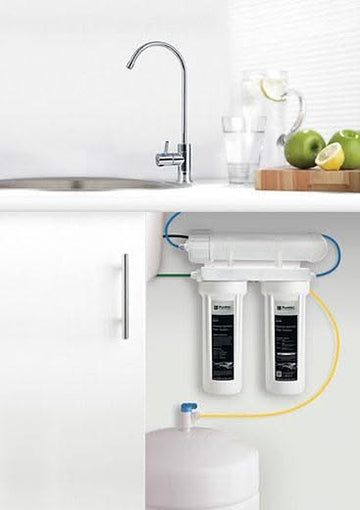
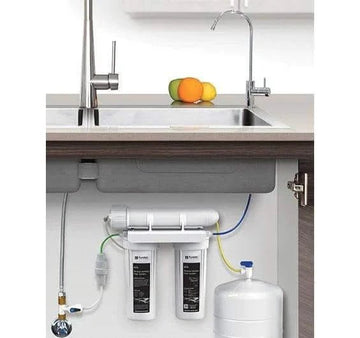
Under-sink water filters, reverse osmosis systems and drinking water taps add extra fittings inside the cabinet. These may include filter housings, small hoses, pressure fittings, shut-off valves and separate tap connections.
A filter connection leak can be slow and easy to miss. It may show as a small puddle, damp cabinet base, swollen shelf or water tracking from the back of the cabinet.
If you have a filter system under the sink, check around the cartridge housings, tubing and shut-off valve. If the system was recently serviced, a fitting may need attention.
9. Hot Water Unit or Boiling Water Tap Connection
Some kitchens have under-sink boiling water units, small hot water units or extra hot water fittings. These can add more possible leak points.
Leaks may come from the unit, valve, hose, drain line or pressure relief connection. Because these systems can involve heat and pressure, they should be checked carefully by a qualified tradesperson.
10. Water Tracking From Above the Bench
Sometimes the leak is not from the plumbing underneath at all. Water may be running through a gap around the sink, mixer base or splashback and then appearing inside the cabinet.
This can happen if water is splashed heavily around the sink, if the mixer base seal has failed, or if the sink edge seal is damaged.
A plumber can help confirm whether the issue is plumbing-related or whether sealing around the sink or benchtop is also part of the problem.
What Different Leak Patterns Usually Mean
Water Leaks Only When the Tap Is Running
If water appears only when the tap is turned on, check the mixer connections, flexi hoses, tap body and any fittings under pressure while the tap is operating.
This may suggest a leak on the water supply side or a mixer issue.
Water Leaks Only When the Sink Drains
If the cabinet stays dry until water goes down the drain, the issue is likely with the waste trap, plug and waste seal, dishwasher drain connection or waste pipe.
This type of leak may get worse when the sink is full and released quickly.
Water Leaks All the Time
A constant leak is more urgent because it may involve a pressurised water supply line.
Common causes include flexi hose failure, isolation valve leaks, mixer connection leaks or pipework issues. Turn off the local isolation valves or main water supply if safe, then arrange a plumber.
Water Appears After the Dishwasher Runs
This often points to the dishwasher drain hose, clamp, spigot or waste connection under the sink.
Because dishwasher discharge can be forceful, a loose connection may leak only during parts of the wash cycle.
Water Appears After Heavy Sink Use
If the leak happens after washing dishes, filling the basin or heavy use, the issue may be the waste trap, plug seal, sink edge seal or water splashing through a failed mixer base seal.
Signs the Leak Has Been Happening for a While
An under-sink leak can be hidden for weeks or months before it becomes obvious.
Look for:
-
Swollen cabinet board
-
Bubbling laminate
-
Mould spots
-
Musty smell
-
Water staining
-
Soft cabinet base
-
Rusted hinges or shelf pins
-
White mineral marks
-
Damp items stored under the sink
-
Cockroach or pest activity attracted by moisture
If the cabinet is already damaged, the leak may not be new. The source should be found and repaired before replacing or drying the cabinetry.
Kitchen Sink Leaks
Kitchen sinks are one of the most common places for under-sink leaks because there are often multiple services packed into one cabinet.
A kitchen sink cabinet may include:
-
Hot water hose
-
Cold water hose
-
Mixer tap connections
-
Sink trap
-
Dishwasher drain hose
-
Water filter system
-
Fridge water connection
-
Isolation valves
-
Waste pipework
-
Sink overflow connection
With so many fittings in one area, it is important to diagnose the leak properly instead of guessing.
Bathroom Vanity Leaks
Bathroom vanities are often damaged by slow leaks because the cabinetry is not designed to stay wet.
Common vanity leak points include:
-
Basin mixer connections
-
Basin waste seal
-
Bottle trap or P-trap
-
Flexible hoses
-
Isolation valves
-
Overflow connection
-
Tap body leaks
A small vanity leak can cause swelling, staining and mould. If water is leaking inside a new vanity, it is worth getting it fixed quickly before the cabinet is permanently damaged.
Laundry Sink Leaks
Laundry tubs often handle high water flow from washing machines, soaking, cleaning and outdoor-style use.
Laundry leaks may come from:
-
Washing machine hose connections
-
Laundry mixer
-
Tub waste
-
Trap
-
Isolation valves
-
Drain hose
-
Old pipework
If the washing machine drains into or near the laundry tub, leaks may appear only during the drain cycle.
Should You Keep Using the Sink?
If the leak appears to be from the waste pipe and only happens when the sink drains, avoid using that sink until it is repaired. Used water can damage cabinetry and create odours.
If the leak is from the water supply side, turn off the local isolation valve if safe. If you cannot isolate it, turn off the main water and call a plumber.
If you are unsure where the leak is coming from, stop using the sink and have it checked.
Can You Fix an Under-Sink Leak Yourself?
Some loose waste fittings may seem simple, but under-sink plumbing can be easy to damage if fittings are overtightened, cross-threaded or misaligned.
A plumber is the safer choice when:
-
The leak is from a flexi hose
-
The isolation valve is leaking
-
The mixer connection is leaking
-
The cabinet is already swollen or mouldy
-
The leak is constant
-
The leak is near a dishwasher or filter system
-
The pipework has been altered before
-
The waste keeps leaking after tightening
-
You cannot safely isolate the water
-
The leak is inside a wall or behind cabinetry
DIY tightening can sometimes make plastic traps or compression fittings leak worse if the seal is not seated correctly.
When Is an Under-Sink Leak Urgent?
Treat the leak as urgent if:
-
Water is leaking continuously
-
You cannot turn off the fixture
-
A flexi hose is bulging or dripping
-
The isolation valve is leaking
-
Water is spreading across the floor
-
Cabinetry is swelling quickly
-
The leak is near power points or appliances
-
Hot water is leaking
-
You live in an apartment or townhouse where water may affect another property
In these situations, isolate the water if safe and arrange plumbing help promptly.
Brisbane and Gold Coast Home Considerations
In South East Queensland, under-sink leaks can happen in a wide range of properties, from older Brisbane homes and coastal Gold Coast units to new builds, townhouses and acreage homes.
Older homes may have ageing valves, older waste fittings and tapware that has already been repaired several times. Renovated homes may have newer cabinetry but mixed plumbing conditions behind the scenes. Coastal properties may show faster corrosion on some exposed fittings. Family homes with busy kitchens and laundries often put more wear on mixers, hoses and traps.
Because every setup is different, the best repair depends on what is actually leaking, how old the fittings are and whether nearby valves, hoses or pipework also need attention.
How JR Gas & Water Can Help
JR Gas & Water can inspect under-sink leaks in kitchens, bathrooms, laundries and utility areas across Brisbane, the Gold Coast and South East Queensland.
Depending on the cause, the repair may involve:
-
Tightening or replacing waste fittings
-
Replacing a trap
-
Resealing a plug and waste
-
Replacing flexi hoses
-
Replacing isolation valves
-
Repairing mixer connections
-
Replacing a leaking mixer tap
-
Checking dishwasher drain connections
-
Checking under-sink filter connections
-
Testing water pressure
-
Investigating hidden water damage
The aim is to find the actual source of the leak and fix it properly, not just wipe up the water and hope it stops.
For leaking sinks, under-sink plumbing repairs and general plumbing support, book JR Gas & Water’s Brisbane and Gold Coast plumbing services.
FAQs About Water Leaking Under the Sink
Why is there water under my sink but no obvious leak?
Water may be tracking from the mixer base, sink edge, plug and waste seal, dishwasher hose, water filter connection or a slow flexi hose leak. Dry the area and check when the water appears. If it returns even when the sink is not being used, it may be a pressurised supply leak.
Why does my sink only leak when water goes down the drain?
This usually points to the waste side of the plumbing. The trap, plug and waste seal, dishwasher drain connection or waste pipe may be loose, cracked or misaligned.
Is a leaking flexi hose dangerous?
A leaking flexi hose should be taken seriously. Flexi hoses are under pressure and can fail suddenly, especially if they are old, corroded, kinked or fraying. If a flexi hose is leaking, isolate the water if safe and arrange replacement.
Can a leaking sink damage the cabinet?
Yes. Even a slow leak can cause swelling, mould, staining and soft cabinet board. Bathroom vanities and flatpack-style kitchen cabinets are especially vulnerable to water damage.
Why does my kitchen sink leak after the dishwasher runs?
The dishwasher drain hose may be loose, poorly clamped or incorrectly connected to the sink waste. It may only leak when the dishwasher pumps water out during the drain cycle.
Should I replace the isolation valves under my sink?
If the isolation valves are old, seized, corroded or leaking, replacement may be recommended. Working isolation valves are important because they allow a fixture to be shut off quickly during future plumbing issues.
What should I do if water is leaking under the sink right now?
Turn off the local isolation valves if safe. If that does not stop the leak, turn off the main water supply at the meter. Remove items from the cabinet, dry the area and contact a plumber to inspect the source of the leak.
Final Word
Water leaking under the sink can come from the water supply, waste pipe, mixer, flexi hoses, valves, dishwasher connection, water filter or sink seal. The key is to work out when the leak appears and where the water is coming from.
If the leak is constant, involves a flexi hose, damages cabinetry or cannot be isolated, it is best to have it checked quickly. A small under-sink leak can become a much bigger repair if it is left long enough to damage cabinets, floors or walls.
JR Gas & Water can inspect and repair under-sink leaks across Brisbane, the Gold Coast and South East Queensland, including kitchens, bathrooms, laundries, vanities and utility areas.
Book JR Gas & Water for practical plumbing help and reliable leak repairs.




Plumbing & Gas Fitting Across South East Queensland
Looking for a local plumber? JR Gas & Water provides plumbing and gas fitting services throughout Greater Brisbane, Logan, Ipswich, Moreton Bay, Redlands and the Gold Coast.
View all plumbing & gas fitting service areas