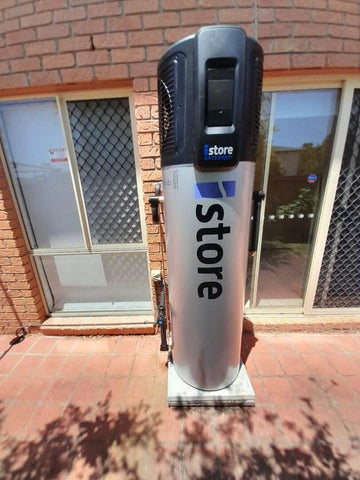
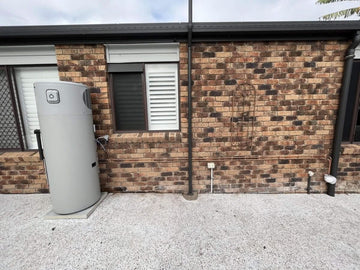
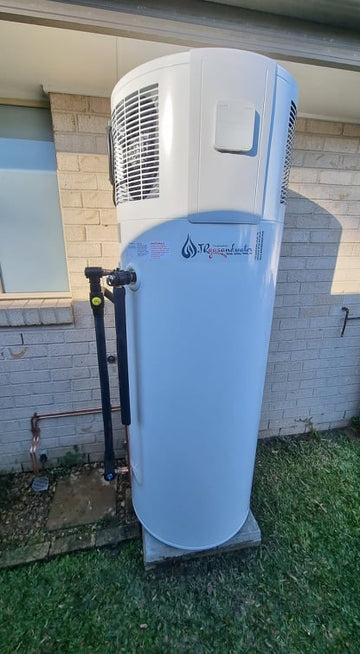
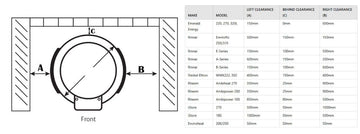
Best Hot Water System Cover Ideas for Every Home
A hot water system cover can make an outdoor unit look neater, protect the surrounding pipework, and help your side yard, patio or outdoor area feel more finished. But it needs to be designed carefully.
A cover that blocks airflow, traps heat, restricts servicing access or encloses a gas appliance incorrectly can create problems. Heat pumps need airflow. Gas systems need safe ventilation and clearances. Valves, drains, pipework and electrical components must remain accessible.
For Brisbane, Gold Coast and South East Queensland homes, the best hot water system cover is usually a ventilated screen, open timber enclosure, Colorbond-style surround or custom privacy screen that improves appearance without interfering with the system.
JR Gas & Water can help with hot water repairs and servicing, replacement advice and system suitability if your current unit is exposed, ageing, leaking or due for upgrade.
Quick Answer
The best hot water system cover is one that hides the unit without blocking airflow, access, drainage, valves or manufacturer clearances.
For electric storage and gas storage systems, a ventilated metal or timber screen can work well if access is maintained. For heat pump hot water systems, the cover must be open and well ventilated so the fan can move air properly. For instant gas hot water systems, avoid enclosing the unit unless the design is compliant with ventilation, flueing and clearance requirements.
A hot water cover should improve the area around the system, not create overheating, servicing or safety issues.
Why Cover a Hot Water System?
Outdoor hot water systems are often installed down the side of the house, near a laundry, beside a patio, outside a bathroom wall or close to a garden path. They are practical locations, but they are not always attractive.
A good cover or screen can help:
Improve the look of the outdoor area
Hide bulky tanks or pipework
Protect nearby pipes and valves from minor knocks
Reduce exposure to leaves and garden debris
Help the system blend with fencing or landscaping
Keep the area around the unit tidier
Create a cleaner finish after a hot water replacement
The goal is usually visual screening and basic protection, not fully boxing the system in.
What Not to Do With a Hot Water System Cover
Before choosing a cover, it is important to understand what should be avoided.
Do not:
Fully enclose a gas hot water system
Block heat pump airflow
Cover the fan outlet on a heat pump
Block pressure relief valve drains
Restrict access to valves or pipework
Build a screen that prevents servicing
Trap moisture around the tank
Place flammable materials too close to gas appliances
Cover electrical isolators or access panels
Ignore manufacturer clearance requirements
Build a cover that makes leaks hard to spot
A hot water system needs space to operate, drain, ventilate and be serviced. A cover should never make the system unsafe or harder to maintain.
Best Hot Water System Cover Ideas
1. Open Timber Screen
A timber screen is one of the most popular hot water system cover ideas because it can blend with decks, fences, garden beds and outdoor entertaining areas.
It works well when the goal is to hide the system from view without creating a sealed box around it.
Best Suited To
Timber screens may suit:
Side yards
Garden areas
Patios
Poolside areas
Outdoor entertaining spaces
Homes with timber fencing or decking
Electric storage systems
Some heat pumps, if airflow is not restricted
Why It Works
Timber screens can look more natural than metal covers and can be built to match the home’s outdoor style.
Benefits include:
Good visual screening
Custom sizing
Can match fencing or decking
Easy to design with service access
Can be built with open slats for ventilation
Works well with garden landscaping
Important Design Tips
Use open slats rather than solid panels
Leave clearance around the unit
Include a removable or hinged access section
Keep the top open where airflow or heat release is needed
Avoid untreated timber in wet areas
Do not block drains, valves or access panels
For heat pump systems, timber screening must be carefully positioned so airflow around the fan remains clear.
2. Colorbond or Metal Screen
A metal screen can be a durable option for outdoor hot water systems, especially when the unit is exposed to sun, rain or garden traffic.
Colorbond-style screening is popular because it can match fencing, roofing, sheds or exterior trims.
Best Suited To
Metal screens may suit:
Outdoor electric storage units
Gas storage units with correct ventilation and clearances
Side access areas
Homes with Colorbond fencing
High-exposure locations
Properties needing a durable finish
Why It Works
Metal screens are strong, low-maintenance and can look tidy when matched to the home.
Benefits include:
Durable outdoor finish
Good weather resistance
Can match fencing or roof colours
Lower maintenance than timber
Useful for side yards and service areas
Can be designed with ventilation gaps
Important Design Tips
Choose ventilated panels or open screening
Avoid sealing the system into a metal box
Allow access for servicing and replacement
Prevent water pooling around the base
Keep sharp edges away from pipes and valves
Consider corrosion exposure near coastal Gold Coast homes
Metal can heat up in direct sun, so avoid tight enclosed covers that trap heat around the system.
3. Slatted Privacy Screen
A slatted privacy screen is a strong all-round option because it hides the system while still allowing airflow.
This can be made from timber, aluminium, composite materials or powder-coated metal.
Best Suited To
Slatted screens may suit:
Heat pump hot water systems
Electric storage systems
Outdoor tanks near entertaining areas
Visible side yards
Townhouses and compact homes
Modern homes with clean exterior styling
Why It Works
A slatted screen gives a clean appearance while still allowing ventilation.
Benefits include:
Good airflow
Modern look
Flexible sizing
Works with many home styles
Can be freestanding or fixed
Can include removable panels for access
Important Design Tips
Keep the screen far enough from the unit
Leave space behind and beside the system
Do not cover the heat pump air inlet or outlet
Make sure valves can be reached
Allow the system to be removed in future without demolition
For heat pumps, this is often a better direction than a solid enclosure.
4. Garden Screen or Landscaping Cover
Landscaping can be a softer way to hide a hot water unit, especially when the system sits near a garden bed or outdoor walkway.
This might include plants, low screens, planter boxes or a garden trellis placed carefully around the unit.
Best Suited To
Garden screening may suit:
Outdoor electric systems
Visible side yards
Homes with landscaped gardens
Systems near fences
Properties wanting a softer look
Low-traffic outdoor areas
Why It Works
Landscaping helps the system blend into the yard without building a hard enclosure.
Benefits include:
Natural appearance
Can soften harsh outdoor units
Works well with timber screens
Can improve side yard presentation
Flexible and easy to adjust
Important Design Tips
Do not let plants grow into the system
Keep airflow clear
Avoid roots near pipework
Do not block service access
Keep mulch and soil away from the base
Choose plants that will not drop excessive leaves into the unit
Avoid dense hedging around heat pumps or gas units. The system still needs breathing room.
5. Hinged Access Cover
A hinged cover or hinged screen can be useful when the system is in a narrow side area and needs to be hidden but still serviced.
The key advantage is access. The screen can open when a plumber needs to inspect valves, service the system or replace the unit.
Best Suited To
Hinged covers may suit:
Narrow side yards
Townhouses
Systems close to paths
Visible outdoor units
Homes where servicing access is tight
Custom timber or metal screens
Why It Works
A fixed cover can become frustrating when repairs are needed. A hinged section solves that problem.
Benefits include:
Easy servicing access
Cleaner appearance day to day
Useful for tight spaces
Can be made from timber or metal
Reduces need to dismantle the screen later
Important Design Tips
Use durable outdoor hinges
Allow the panel to open fully
Do not place posts in front of key valves
Make sure the system can still be removed
Avoid locks that prevent emergency access
6. Freestanding Screen
A freestanding screen can be a practical option when you do not want to attach anything to the house, fence or system.
It can be moved or adjusted more easily than a built-in enclosure.
Best Suited To
Freestanding screens may suit:
Rental properties
Temporary screening
Outdoor electric units
Areas where fixing into walls is not preferred
Garden and patio areas
Systems that may be replaced soon
Why It Works
A freestanding screen is flexible and can be repositioned if servicing is needed.
Benefits include:
No permanent wall fixing
Can be moved for access
Useful as a temporary visual solution
Works with timber, composite or metal panels
Can hide the system without enclosing it
Important Design Tips
Make sure it is stable in wind
Do not place it too close to the unit
Avoid blocking airflow
Keep access to valves and drains
Do not let it lean on pipework or the tank
For storm-prone areas, make sure the screen is securely positioned so it cannot fall into the unit.
7. Custom Cabinet-Style Enclosure
A custom enclosure can look neat, but it needs the most care. A cabinet-style cover can easily become a problem if it blocks ventilation, traps heat or prevents servicing.
This option should be open, ventilated and designed around the system type.
Best Suited To
Custom enclosures may suit:
Electric storage systems
Some outdoor units with simple clearance needs
High-visibility areas
Architectural homes
Custom renovation projects
Use Caution With
Custom enclosures may not suit:
Heat pumps if airflow is restricted
Instant gas systems if ventilation or flue clearances are affected
Any system where access is limited
Locations with poor drainage
Areas where heat builds up
Important Design Tips
Include large ventilation gaps
Keep the front removable or hinged
Leave the top open where needed
Do not block valves or drains
Check manufacturer clearance requirements
Avoid enclosing gas appliances without proper compliance advice
If in doubt, use a screen rather than a cabinet.
Best Cover Ideas by Hot Water System Type
Electric Storage Hot Water Systems
Electric storage systems are often the easiest to screen because they do not need fan airflow like a heat pump or combustion ventilation like gas.
Suitable ideas may include:
Timber slat screens
Colorbond-style screens
Freestanding panels
Hinged access screens
Open cabinet-style covers
Still, the cover must not block valves, drains, access panels or removal access.
JR Gas & Water can help compare electric hot water systems if your current unit is old, leaking or due for replacement before building a cover around it.
Heat Pump Hot Water Systems
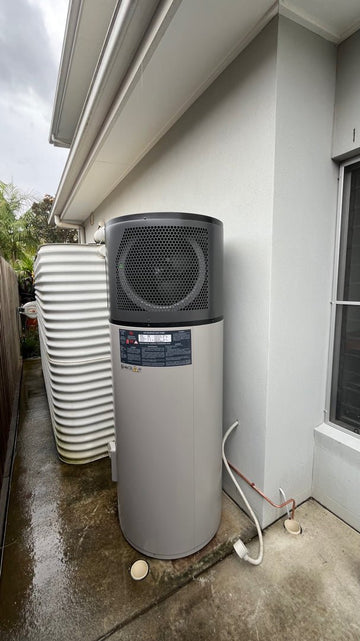
Heat pumps need airflow. This is the most important rule.
A cover that blocks the air inlet, outlet or service clearance can reduce performance, increase noise, cause faults or make the system work harder than it should.
Suitable ideas may include:
Open slatted screens
Wide-set timber battens
Ventilated metal screens
Landscaping set well away from the unit
Low visual screens that do not block fan airflow
Avoid:
Solid boxes
Tight enclosures
Screens directly in front of the fan
Dense plants around the unit
Covers that trap hot or cold exhaust air
If you are planning a heat pump installation, compare heat pump hot water systems and choose the system location before building a screen.
Gas Storage Hot Water Systems
Gas storage systems need safe ventilation and correct clearances. They should not be tightly enclosed.
Suitable ideas may include:
Open screens
Ventilated side screening
Non-combustible materials where appropriate
Screens positioned away from burner and flue areas
Access-friendly designs
Avoid:
Sealed cabinets
Combustible materials too close to burner or flue areas
Blocking ventilation
Blocking access to gas valves
Building over flue discharge points
For gas hot water work, JR Gas & Water can help with gas storage hot water systems and licensed gas support through the Brisbane gas fitter service.
Instant Gas Hot Water Systems
Instant gas systems are compact, but they still need ventilation, clearances and service access. They are not designed to be hidden inside a tight box.
Suitable ideas may include:
A decorative screen nearby
Open side screening
A fence-matched panel set clear of the unit
Landscaping that does not block the appliance
Avoid:
Covering the unit face
Blocking flue discharge
Enclosing the appliance
Restricting gas service access
Placing plants or panels too close to vents
JR Gas & Water can help compare instant gas hot water systems if your existing unit is old, visible or due for replacement.
Solar Hot Water Systems
Solar hot water setups may include tanks, roof collectors, pipework and boosters. Ground-level tanks may be screened, but the system still needs clear access and proper drainage.
Suitable ideas may include:
Open screens around ground tanks
Timber or metal privacy panels
Landscaping set away from pipework
Access-friendly screening near booster components
Avoid anything that blocks roof collector access, traps heat around components or makes servicing harder.
JR Gas & Water can help compare solar hot water systems for suitable homes.
Material Comparison: Timber vs Metal vs Fabric
| Cover Type | Best For | Main Benefit | Main Limitation |
|---|---|---|---|
| Timber screen | Gardens, decks and patios | Natural look and custom sizing | Needs maintenance |
| Metal screen | Exposed outdoor areas | Durable and low maintenance | Can trap heat if poorly designed |
| Slatted aluminium | Modern homes | Clean look and good airflow | Higher upfront cost |
| Freestanding screen | Flexible screening | Easy to move for access | Must be secured against wind |
| Fabric cover | Temporary use only | Cheap and quick | Not ideal for long-term outdoor systems |
| Custom enclosure | High-visibility areas | Neat finish | Must be carefully ventilated |
For most permanent outdoor hot water systems, a ventilated timber, aluminium or metal screen is usually better than a fabric cover.
Can a Hot Water Cover Improve Energy Efficiency?
A cover may help protect pipework from weather and reduce some exposure, but it should not be promoted as a guaranteed major energy-saving upgrade.
The bigger efficiency gains usually come from:
Choosing the right hot water system
Correct sizing
Good installation
Suitable valves and pipework
Pipe insulation where appropriate
Heat pump placement and airflow
Solar suitability
Regular servicing
Fixing leaks and faulty valves
If your system is old, inefficient or struggling, upgrading to a suitable heat pump hot water system or another modern replacement may make more difference than covering the old unit.
DIY or Professional Help?
Some simple screens can be a DIY project, especially if they are freestanding and do not connect to the hot water system.
DIY may suit:
Freestanding privacy screens
Simple timber slat screens
Garden screening
Decorative panels set away from the system
Professional advice is better when:
The cover is close to a gas appliance
A heat pump may have airflow restrictions
The system needs servicing first
The unit is leaking or corroded
Electrical or gas components are nearby
The cover affects access or drainage
The screen is fixed to walls or structural areas
The system may be replaced soon
Before building an expensive cover, check whether the hot water system is worth keeping. If it is near failure, replace the system first and design the screen around the new unit.
Installation Tips for Hot Water System Covers
A good cover should be practical, safe and easy to maintain.
Before building, check:
System type
Manufacturer clearance requirements
Airflow needs
Gas ventilation requirements
Pipe and valve access
Relief valve drain location
Electrical isolator access
Ground drainage
Future system removal access
Service technician access
Wind exposure
Material durability
Practical design tips:
Leave the top open where possible
Use slats instead of solid panels
Make one side removable or hinged
Keep plants away from fans and burners
Avoid storing items against the system
Keep the base clear of mulch and soil
Do not drill into the hot water unit
Do not attach screens to pipework
Keep access clear for servicing
Local Brisbane and Gold Coast Cover Considerations
Outdoor hot water systems in Brisbane, the Gold Coast and South East Queensland are exposed to heat, humidity, storms, UV, pests and heavy rain.
Local considerations include:
Strong summer sun
Storm debris and leaf litter
High humidity
Coastal corrosion around Gold Coast homes
Tight side access in newer estates
Townhouse and body corporate rules
Heat pump noise placement near neighbours
Outdoor entertaining areas where systems are visible
Acreage homes with exposed systems
Drainage around outdoor units after heavy rain
For coastal or high-exposure areas, material choice matters. Powder-coated metal, treated timber, composite screening and corrosion-resistant fixings are usually better than cheap materials that break down quickly.
When to Replace the System Before Covering It
Do not spend money hiding a hot water system that is close to failing.
Consider replacement first if the system has:
Tank leaks
Visible rust or corrosion
Frequent valve discharge
Poor hot water recovery
Repeated repairs
No hot water
Electrical tripping
Gas ignition faults
Heavy noise
Age-related issues
Undersized capacity
Poor location or access
JR Gas & Water can help through hot water repairs and servicing, or compare replacement options across electric hot water systems, heat pump hot water systems, gas storage hot water systems, instant gas hot water systems and solar hot water systems.
What JR Gas & Water Can Help With
JR Gas & Water can help customers with hot water repairs, replacements and system suitability across Brisbane, the Gold Coast and nearby South East Queensland areas.
Relevant support includes:
Book hot water repairs and servicing if your current system is leaking, noisy, rusty or unreliable
Compare heat pump hot water systems before building a cover around an old electric unit
Review electric hot water systems for straightforward storage replacements
Compare gas storage hot water systems for existing gas storage homes
Consider instant gas hot water systems for suitable gas properties
Use the quote request page to send photos and model details before upgrading or relocating a system
FAQs About Hot Water System Covers
Can I cover my hot water system?
You can screen many hot water systems, but you must not block airflow, ventilation, service access, valves, drains or manufacturer clearances. Heat pumps and gas units need particular care.
What is the best cover for an outdoor hot water system?
For most homes, an open slatted timber, aluminium or metal screen is the best option. It improves appearance while still allowing ventilation and access.
Can I build a box around a heat pump hot water system?
A tight box around a heat pump is not recommended. Heat pumps need airflow to operate properly. Use open slatted screening set well away from the fan inlet and outlet.
Can I cover an instant gas hot water system?
Instant gas systems should not be enclosed in a tight cover. They need ventilation, flue clearance and service access. A nearby decorative screen may be possible if it does not restrict the unit.
Will a hot water system cover save energy?
A cover may help protect the area around the system, but major energy savings usually come from correct system choice, sizing, pipe insulation, maintenance and replacing inefficient old units. Do not rely on a cover alone to reduce running costs.
What material is best for a hot water system cover?
Timber looks natural and suits gardens, while metal or aluminium is durable and low maintenance. Fabric covers are usually only suitable for temporary or light-duty use.
Should I replace my hot water system before building a cover?
If the system is old, rusty, leaking or unreliable, replacement should be considered before building a custom screen. That way, the cover can be designed around the new unit and clearances.
Can JR Gas & Water help if my hot water system is exposed or ageing?
Yes. JR Gas & Water can help assess whether your current system should be repaired, replaced or upgraded before you invest in screening or cover work.
Final Thoughts
A hot water system cover can make an outdoor area look cleaner and more finished, but it needs to be designed around safety, airflow and service access.
For most homes, the best solution is an open timber, aluminium or metal screen rather than a fully enclosed box. Heat pumps need airflow. Gas systems need ventilation. All systems need access for valves, drainage, repairs and future replacement.
Need help before covering or replacing a hot water system?
JR Gas & Water can assess your current unit through hot water repairs and servicing, help compare suitable heat pump hot water systems, or review photos and model details through the quote request page.


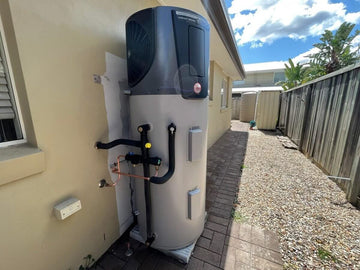


Plumbing & Gas Fitting Across South East Queensland
Looking for a local plumber? JR Gas & Water provides plumbing and gas fitting services throughout Greater Brisbane, Logan, Ipswich, Moreton Bay, Redlands and the Gold Coast.
View all plumbing & gas fitting service areas