Brown Water From Taps in Brisbane Homes: Pipe, Mains or Hot Water Issue?
Brown water from taps is usually caused by disturbed sediment, rust inside older pipework, corrosion in a hot water system, water main works, pressure changes, old galvanised pipes or an issue affecting only one fixture. The first clue is whether the brown water comes from every tap, only hot water taps, only cold water taps, or just one outlet.
For Brisbane, Gold Coast and South East Queensland homeowners, brown tap water can be frustrating and concerning. Sometimes it clears quickly after mains work in the street. Other times, it points to ageing plumbing, a hot water cylinder problem, a valve issue or pipe corrosion inside the property.
If your tap water is brown, rusty, discoloured, gritty or leaving stains, JR Gas & Water can help investigate the plumbing side of the issue through practical plumbing services across Brisbane and the Gold Coast.
Quick Answer: Why Is Brown Water Coming From My Taps?
Brown water from taps may be caused by:
-
Sediment disturbed in the local water main
-
Recent water main works nearby
-
Hydrant flushing or pressure changes
-
Rust inside older steel or galvanised pipework
-
Corrosion inside a hot water system
-
Sediment in a hot water cylinder
-
A failing tempering valve or valve issue
-
Old flexi hoses or fittings
-
One faulty tap or mixer
-
Rainwater tank sediment if connected to tank supply
-
Cross-connection or filtration issue
-
Pipework disturbed during renovation or plumbing work
If brown water comes from both hot and cold taps throughout the home, the issue may be mains-related or in the main incoming supply. If it only comes from hot taps, the hot water system or hot water pipework may be involved. If it only comes from one tap, the problem may be local to that fixture.
First Step: Work Out Which Taps Are Affected
Before assuming the worst, check where the brown water appears.
Run a few taps one at a time and note whether the discolouration comes from:
-
Only one tap
-
All cold taps
-
All hot taps
-
Both hot and cold taps
-
Outdoor taps
-
Upstairs taps only
-
Downstairs taps only
-
The shower only
-
The bath only
-
The kitchen sink only
This helps narrow down whether the issue is likely to be from the mains, the hot water system, internal pipework or a single fixture.
Brown Water From All Taps
If brown water comes from every tap in the home, especially both hot and cold, the issue may be coming from the mains supply or the main water line into the property.
This can happen after:
-
Water main repairs
-
Hydrant flushing
-
Pressure changes in the street
-
Fire hydrant use
-
Nearby construction
-
Local water network disturbance
-
Sediment movement in older water mains
In many cases, the water may clear after flushing the cold taps for a short period. However, if the issue continues, returns regularly or includes grit and staining, the property plumbing may also need checking.
Brown Water From Hot Taps Only
If the cold water is clear but the hot water is brown, the hot water system or hot water pipework is more likely.
Possible causes include:
-
Corrosion inside the hot water cylinder
-
Sediment in the storage tank
-
Ageing sacrificial anode
-
Rust from old hot water pipework
-
Deteriorating fittings
-
Hot water valve or connection issue
-
End-of-life storage hot water unit
Brown hot water should be investigated, especially if the hot water system is old, leaking, noisy, rusty around the base or producing discoloured water regularly.
JR Gas & Water can help with hot water system services if the discolouration appears to be linked to your hot water unit.
Brown Water From Cold Taps Only
If only the cold water is brown, the cause may be the incoming mains supply, cold water pipework, a valve, an outdoor line or a fixture connected to the cold supply.
Cold-only discolouration may happen after street works, pressure changes or internal plumbing disturbance.
If it happens from all cold taps, start by checking whether neighbours are seeing similar discolouration. If it happens from only one cold tap, the issue may be local to that tap or pipe branch.
Brown Water From One Tap Only
If only one tap produces brown water, the issue is more likely to be local to that fixture or the pipe feeding it.
Possible causes include:
-
Rust or sediment in the tap body
-
Old mixer cartridge
-
Corroded fitting
-
Flexible hose deterioration
-
Local branch pipe issue
-
Debris caught inside the aerator
-
A rarely used tap collecting sediment
This is common with spare bathrooms, outdoor taps, laundry tubs, guest ensuites and fixtures that are not used often.
Common Causes of Brown Tap Water
1. Disturbed Sediment in the Water Main
Water mains can contain small amounts of sediment. When pressure changes or water flow is disturbed, sediment can move through the network and reach homes.
This may happen after:
-
Water main repairs
-
Burst water mains
-
Hydrant use
-
Nearby construction
-
Firefighting activity
-
Planned water network works
-
Sudden pressure changes
The water may look brown, yellow, tea-coloured or cloudy. If the issue is network-related, it may affect more than one property.
2. Old Galvanised Pipework
Older homes may still have sections of galvanised steel pipework. Over time, these pipes can corrode internally and release rust into the water.
Signs of old galvanised pipe issues include:
-
Brown water after taps have not been used
-
Reduced water pressure
-
Rust stains around fixtures
-
Discoloured water from certain taps
-
Metallic taste
-
Ongoing sediment
-
Frequent blockages in tap aerators
-
Old visible steel pipework
If pipe corrosion is the cause, flushing may only provide temporary improvement. Sections of pipe may need replacement.
3. Hot Water Cylinder Corrosion
Storage hot water systems can develop sediment and corrosion as they age. If the internal cylinder is deteriorating, hot water may become brown or rusty.
Warning signs include:
-
Brown water from hot taps only
-
Rust around the base of the hot water unit
-
Water leaking from the cylinder
-
Hot water running out faster than usual
-
Noisy heating
-
Metallic smell or taste from hot water
-
Unit is older and near end of life
If the cylinder itself is corroding, repair may not be practical. Replacement may be the safer long-term option.
4. Sediment in a Storage Hot Water System
Storage hot water units can collect sediment over time. This may be more noticeable when water is heated, stirred up or drawn from the tank.
Sediment can contribute to:
-
Discoloured hot water
-
Noisy operation
-
Reduced efficiency
-
Poor hot water recovery
-
Valve issues
-
Shorter system life
A plumber can assess whether the issue is sediment, corrosion or a failing hot water unit.
5. Corroded Fittings or Valves
Brown water can sometimes come from a corroded fitting, valve or connector rather than the pipe itself.
Possible sources include:
-
Isolation valves
-
Old stop taps
-
Hot water valves
-
Mixer connections
-
Flexi hose ends
-
Outdoor tap fittings
-
Old brass or steel connections
-
Pipe transition fittings
If discolouration is isolated to one area, local fittings should be checked.
6. Rarely Used Taps
A tap that has not been used for a long time may release discoloured water when first turned on. Sediment can settle in the branch line or tap body.
This may happen in:
-
Spare bathrooms
-
Guest ensuites
-
Outdoor taps
-
Laundry tubs
-
Garden taps
-
Shed taps
-
Granny flat fixtures
-
Upstairs fixtures with low use
If the water clears quickly and does not return, it may simply be stagnant water or settled sediment. If it keeps returning, the pipework or fixture should be checked.
7. Renovation or Plumbing Work
Recent plumbing work can disturb sediment inside pipes. Turning water off and back on can also stir up debris.
Brown water after renovation work may be linked to:
-
Pipe cutting
-
Valve replacement
-
Tap replacement
-
Hot water system replacement
-
Bathroom renovation
-
Kitchen renovation
-
New fixtures being connected
-
Water being shut off and restored
If the discolouration does not clear, there may be debris trapped in tap aerators, mixers or valves.
8. Rainwater Tank Sediment
If your home uses rainwater for some taps, toilets, laundry or outdoor areas, brown water may come from tank sediment, pump disturbance or filter issues.
This is more common in acreage and semi-rural properties where tank water is used for household supply or garden use.
Possible causes include:
-
Sediment at the bottom of the tank
-
Dirty roof catchment
-
Pump drawing from too low in the tank
-
Poor pre-filtration
-
Cartridge filters needing replacement
-
UV or filtration system maintenance issues
-
Recent heavy rain stirring tank contents
Rainwater systems need different checks compared with mains-only homes.
9. Water Filter Cartridge Issues
A water filter may release discoloured water if a cartridge is overdue, disturbed, incorrectly installed or not flushed properly after replacement.
Depending on the system, filter-related issues may show at:
-
Drinking water taps
-
Kitchen mixers
-
Whole-home filtered taps
-
Fridge water points
-
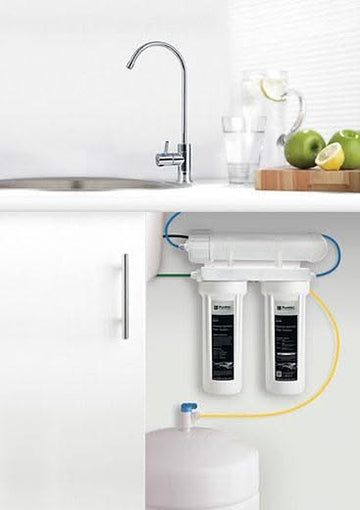
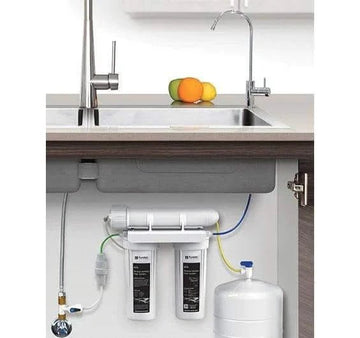
Under-sink systems
-
Rainwater filter outlets
If the brown water is only from filtered outlets, the filter system should be checked and serviced.
JR Gas & Water can help with whole home water filter systems and filter servicing where water quality issues may relate to filtration equipment.
10. Mains Pressure Changes
Sudden changes in pressure can dislodge sediment inside pipework or mains. This can create short-term brown water, especially in older plumbing systems.
Pressure changes may follow:
-
Water main repairs
-
Street network works
-
Fire hydrant use
-
Pump changes in the network
-
Plumbing repairs inside the home
-
Main shut-off valve operation
If pressure changes reveal ongoing rust or sediment, older internal pipework may need attention.
Is Brown Tap Water Dangerous?
Brown water can be unpleasant and should not be ignored, but the level of concern depends on the cause. It may simply be sediment from mains disturbance, or it may point to rust, corrosion, tank sediment or failing plumbing components.
As a practical rule, avoid drinking, cooking with or washing white laundry in heavily discoloured water until the cause is understood and the water clears.
If the water is brown from all taps after local mains work, contact the water authority for current advice. If the issue appears to be inside your property, contact a plumber.
What To Do If Brown Water Comes From Your Taps
1. Check Hot Versus Cold
Run a cold tap first, then a hot tap. Do this at more than one fixture if possible.
If only hot water is brown, the hot water system may be involved. If only cold water is brown, the issue may be mains or cold pipework. If both are brown, start by considering the incoming supply or shared pipework.
2. Check Multiple Fixtures
Test the kitchen, bathroom, laundry and outdoor taps.
If all fixtures are affected, it is more likely to be a main supply or whole-house issue. If only one fixture is affected, the issue may be local.
3. Ask Nearby Neighbours
If neighbours also have brown water, the issue may be in the local water network.
If only your property is affected, internal plumbing, hot water, filters or property pipework may be more likely.
4. Check for Recent Works
Think about whether there has been recent:
-
Plumbing work
-
Hot water system work
-
Renovation work
-
Street work
-
Water main repairs
-
Fire hydrant use nearby
-
Filter cartridge replacement
-
Pump or tank work
Recent changes can help identify the cause.
5. Avoid Using Appliances Until Water Clears
If water is visibly brown, avoid running washing machines, dishwashers, ice makers or water filters until the issue is understood. Sediment can stain clothing and may clog screens, filters or appliance inlets.
6. Check Tap Aerators
Tap aerators can trap rust, grit and sediment. If water flow is poor from one tap and the water is discoloured, the aerator may be blocked.
A plumber can check whether the debris is coming from the aerator only, the tap, the pipework or the broader system.
7. Call a Plumber if It Continues
If brown water does not clear, returns often, affects only your property, comes only from hot water, or appears with low pressure, leaks or rust stains, it is worth arranging a plumbing inspection.
Brown Water From the Shower
Brown water from the shower may be caused by hot water system issues, old pipework, mixer problems or sediment from the mains.
If it happens only when using hot water, the hot water system should be checked. If both hot and cold are affected, check whether other taps are also discoloured.
Shower mixers can also trap debris, especially after plumbing work or pressure changes.
Brown Water From the Bath
Bath outlets often show discolouration clearly because they fill a larger volume of water. Brown bath water may come from the hot water system, pipework, fixture or mains.
If the bath is not used often, stagnant water and sediment in that branch line may also be involved.
Brown Water From the Kitchen Tap
Brown water from the kitchen tap can be concerning because it is used for drinking and cooking.
Check whether the issue affects:
-
Cold kitchen water
-
Hot kitchen water
-
Filtered drinking water
-
Fridge water
-
Other taps in the home
If only the filtered tap is affected, the filter system may need attention. If only hot water is affected, check the hot water system. If all kitchen water is affected, the mains or internal pipework may be involved.
Brown Water From Outdoor Taps
Outdoor taps can release discoloured water if they are rarely used, connected to older pipework or affected by soil, rust or debris around external fittings.
If only outdoor taps are affected, the issue may be in an external branch line. If outdoor taps and indoor cold taps are affected, the incoming supply may be involved.
Brown Hot Water: When To Suspect the Hot Water System
Brown hot water is one of the most important patterns to investigate.
The hot water system may be involved if:
-
Cold water is clear
-
Hot water is brown from multiple taps
-
The hot water unit is old
-
There is rust near the unit
-
The unit is leaking
-
Hot water smells metallic
-
Sediment appears from hot taps
-
The issue returns after flushing taps
-
Hot water pressure has dropped
An ageing hot water cylinder that produces rusty water may be nearing failure. JR Gas & Water can help assess whether repair or replacement is the more practical option.
Brown Water and Low Pressure
Brown water combined with low pressure can point to internal pipe corrosion, blocked aerators, sediment in valves or issues with old pipework.
Old galvanised pipes can narrow internally as corrosion builds up. This can reduce flow and release rust-coloured water.
If pressure is poor at several fixtures and water is discoloured, a plumber should check the pipework, valves and supply condition.
Brown Water After Turning the Main Water Back On
If the water has been off for plumbing work or mains repairs, turning it back on can disturb sediment.
This may cause temporary discolouration. However, if brown water continues for a long time, only affects your property or appears with poor pressure, there may be debris trapped in fixtures or an issue with internal plumbing.
Brown Water After Heavy Rain
Heavy rain itself should not normally turn mains water brown inside your home. However, rain can coincide with water network disturbance, storm damage, pump activity, tank water issues or property plumbing problems.
For rainwater tank systems, heavy rain can wash sediment, organic material and roof debris into the tank if pre-filtration is poor.
If the home uses tank water, filtration and pump setup should be checked.
Brown Water in Older Brisbane Homes
Older Brisbane homes may have sections of ageing pipework, older valves, previous renovations and mixed plumbing materials. Brown water may appear after water has sat in old pipes overnight or after a fixture has not been used.
Common older-home contributors include:
-
Galvanised pipework
-
Old stop taps
-
Corroded fittings
-
Renovation joins
-
Old hot water systems
-
Low-use branch lines
-
Ageing bathroom or laundry fixtures
If brown water is recurring, the issue may not be solved by flushing taps alone.
Brown Water in Gold Coast Homes
Gold Coast homes and units can have coastal exposure, humidity and corrosion around fittings, external pipework and valves.
Brown water may also be more noticeable in apartments, townhouses and properties with shared services, body corporate infrastructure or old fixture connections.
If only your unit or home is affected, internal plumbing should be checked. If multiple properties are affected, the building or local supply may need investigation.
Should You Install a Water Filter for Brown Water?
A water filter may help with certain taste, sediment, chlorine or water quality concerns, but it should not be used as a shortcut to ignore a plumbing problem.
If brown water is caused by pipe corrosion, a failing hot water cylinder or disturbed mains sediment, the cause should be identified first.
A whole-home filter may be useful when there is ongoing sediment or taste concern from the incoming supply, but the plumbing should be checked so the filter is matched to the actual issue. JR Gas & Water can help with water filtration options for homes where filtration is suitable.
When To Call a Plumber
Call a plumber if:
-
Brown water only affects your home
-
Brown water keeps returning
-
Hot water is brown but cold water is clear
-
Water pressure has dropped
-
You see rust, grit or particles
-
The hot water system is old or rusty
-
Brown water appears from one fixture repeatedly
-
There are leaks, stains or damp areas
-
Water filters keep clogging quickly
-
Outdoor pipes or valves are corroded
-
You suspect old galvanised pipework
-
The water meter is moving when no taps are on
A plumber can help determine whether the issue is likely in the property plumbing, hot water system, fixtures, valves or filtration setup.
How JR Gas & Water Can Help
JR Gas & Water can investigate plumbing-related causes of brown tap water across Brisbane, the Gold Coast and South East Queensland.
Depending on the situation, this may include:
-
Checking hot and cold water patterns
-
Inspecting visible pipework and valves
-
Checking hot water systems
-
Assessing old fittings and tapware
-
Checking for sediment at fixtures
-
Inspecting under-sink connections
-
Checking filtration systems
-
Reviewing rainwater tank connections where relevant
-
Identifying likely internal plumbing causes
-
Recommending repair, replacement or filtration options where suitable
If the issue is caused by local mains works, your water authority may need to provide advice. If the issue is inside your property, JR Gas & Water can help identify the practical plumbing fix.
For discoloured water, hot water system concerns, old pipework, filtration advice or plumbing inspections, book JR Gas & Water’s Brisbane and Gold Coast plumbing services.
FAQs About Brown Water From Taps
Why is brown water coming from my taps?
Brown water may be caused by disturbed mains sediment, old pipe corrosion, hot water cylinder corrosion, valve issues, tapware problems, rainwater tank sediment or filtration issues. The cause depends on whether it affects hot, cold, all taps or only one fixture.
Is brown water from hot taps a hot water system problem?
If cold water is clear but hot water is brown from multiple taps, the hot water system or hot water pipework may be involved. This can point to sediment, corrosion or an ageing storage cylinder.
Why is only one tap producing brown water?
If only one tap has brown water, the issue may be local to that tap, mixer, aerator, flexible hose, valve or branch line. Rarely used taps can also release settled sediment when first turned on.
Can old pipes cause brown water?
Yes. Older galvanised or corroded pipework can release rust into the water. This may also cause low pressure, blocked aerators and recurring discolouration.
Should I drink brown tap water?
Avoid drinking or cooking with visibly discoloured water until the cause is understood and the water clears. If the issue is local mains-related, follow water authority advice. If it appears to be inside your property, contact a plumber.
Can a water filter fix brown water?
A water filter may help with some sediment and taste issues, but it should not be used to cover up pipe corrosion, a failing hot water system or a plumbing fault. Identify the cause first, then choose filtration if it suits the problem.
Why does brown water appear after plumbing work?
Plumbing work can disturb sediment inside pipes, valves or fixtures. It may clear after flushing, but if discolouration continues, debris may be trapped in tap aerators, mixers, valves or pipework.
When should I call JR Gas & Water?
Call JR Gas & Water if brown water only affects your property, keeps returning, appears only from hot water, comes with low pressure, involves an old hot water system or may be linked to internal plumbing, valves, filters or pipework.
Final Word
Brown water from taps can be caused by mains disturbance, old pipework, hot water system corrosion, sediment, valves, fixtures, rainwater systems or filtration issues. The best first step is to identify whether it affects hot water, cold water, every tap or only one fixture.
If the issue clears quickly and neighbours are affected too, it may be related to local water network disturbance. If it keeps returning, only affects your home or appears mainly from hot water, it is worth getting the plumbing checked.
JR Gas & Water can help investigate plumbing-related causes of brown, rusty or discoloured tap water across Brisbane, the Gold Coast and South East Queensland.
Book JR Gas & Water for practical plumbing, hot water and filtration support if your tap water has changed colour and you are unsure why.




Plumbing & Gas Fitting Across South East Queensland
Looking for a local plumber? JR Gas & Water provides plumbing and gas fitting services throughout Greater Brisbane, Logan, Ipswich, Moreton Bay, Redlands and the Gold Coast.
View all plumbing & gas fitting service areas