Water Meter Spinning When No Taps Are On: Hidden Leak Guide
If your water meter is spinning when no taps are on, it usually means water is still moving somewhere on the property. The cause may be a running toilet, leaking tap, failed flexi hose, faulty irrigation line, hot water valve issue, underground pipe leak, hidden wall leak or water escaping from a fixture you have not noticed yet.
For Brisbane, Gold Coast and South East Queensland homeowners, a moving water meter can be an early warning sign of a hidden plumbing leak. Some leaks are small and easy to repair. Others can waste large amounts of water, damage soil, affect foundations, increase water bills and lead to more expensive repairs if left too long.
If your water meter is moving while every tap and appliance is off, JR Gas & Water can help with practical plumbing services across Brisbane and the Gold Coast.
Quick Answer: Why Is My Water Meter Spinning?
A water meter usually spins when no taps are on because water is escaping somewhere after the meter.
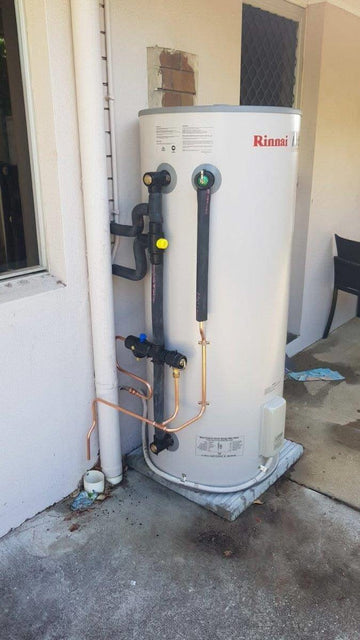
Common causes include:
-
Running toilet
-
Leaking tap or mixer
-
Leaking flexi hose
-
Leaking isolation valve
-
Underground water pipe leak
-
Hot water system valve discharge
-
Leaking pressure relief valve
-
Irrigation system leak
-
Pool top-up leak
-
Hidden wall or ceiling leak
-
Leaking pipe under a slab
-
Rainwater or mains changeover issue
-
Appliance connection leak
-
Outdoor tap or hose leak
If the meter keeps moving after all taps, toilets, appliances, irrigation and outdoor taps are off, there is a strong chance you have a leak that needs investigation.
What a Spinning Water Meter Means
Your water meter records water flowing from the mains supply into your property. If everything is turned off and the meter is still moving, water is likely going somewhere.
That water may be:
-
Running into a toilet bowl
-
Dripping under a sink
-
Escaping underground
-
Discharging from a hot water valve
-
Leaking through a wall or ceiling
-
Running through irrigation
-
Feeding an automatic top-up system
-
Leaking from an outdoor pipe or fitting
Some leaks are obvious. Others are hidden until the water bill arrives, a damp patch appears or the ground starts getting soft.
First Step: Make Sure Everything Is Turned Off
Before assuming the worst, check that all water-using fixtures and appliances are off.
Check:
-
Kitchen taps
-
Bathroom taps
-
Shower mixers
-
Laundry taps
-
Outdoor taps
-
Toilets
-
Washing machine
-
Dishwasher
-
Fridge water connection
-
Water filter system
-
Irrigation controller
-
Pool top-up system
-
Rainwater tank top-up or changeover system
-
Hose connections
-
Garden taps
-
Hot water system valves
Once everything is off, look at the water meter again. If it is still spinning or the leak indicator is moving, water may still be passing through the system.
How To Do a Basic Water Meter Leak Check
A basic meter check can help confirm whether water is moving when it should not be.
-
Turn off all taps and water-using appliances.
-
Make sure no one is flushing toilets, showering, washing clothes or using irrigation.
-
Check the water meter and note whether the dial or leak indicator is moving.
-
Wait a short period without using water.
-
Check whether the meter reading has changed.
If the meter moves while nothing is being used, there may be a leak after the meter.
This check does not tell you where the leak is. It only helps confirm that water is likely moving somewhere on the property.
Common Causes of a Water Meter Spinning When No Taps Are On
1. Running Toilet
A running toilet is one of the most common causes of a moving water meter.
The leak may be almost silent. Water can pass from the cistern into the toilet bowl through a worn outlet valve seal or faulty flush mechanism. The cistern then refills to replace the lost water.
Signs include:
-
Toilet refills randomly
-
Hissing from the cistern
-
Water trickling into the bowl
-
Ripples in the toilet bowl
-
Cistern filling at night
-
Higher water bill
-
Meter moving slowly when all taps are off
A running toilet may look minor, but because it can run 24 hours a day, it can waste a significant amount of water.
2. Leaking Tap or Mixer
A dripping tap or mixer can also move the water meter, especially if the leak is continuous.
Common problem areas include:
-
Kitchen mixer
-
Bathroom basin mixer
-
Laundry tap
-
Shower mixer
-
Outdoor tap
-
Bath spout
-
Garden tap
A slow drip may not move the meter quickly, but it can still add up over time. If the tap is leaking from the handle, base or underneath the sink, there may also be hidden water damage.
3. Leaking Flexi Hose
Flexible braided hoses are common under sinks, vanities, toilets and some hot water connections. If a flexi hose leaks, the water may escape inside a cupboard or behind a toilet where it is not immediately noticed.
Signs include:
-
Damp cabinet base
-
Rust marks on hose ends
-
Bulging hose
-
Frayed braid
-
Water under a vanity
-
Drips near an isolation valve
-
Musty smell under the sink
-
Meter movement when fixtures are off
A leaking flexi hose should be treated seriously because some failures can worsen quickly.
4. Leaking Isolation Valve
Isolation valves allow individual fixtures to be shut off. These valves can leak from the body, spindle, thread or connection.
A leaking isolation valve may be hidden inside a vanity, under a kitchen sink, behind a toilet or near an appliance connection.
If the valve is old, seized or corroded, replacement may be needed rather than tightening.
5. Underground Water Pipe Leak
An underground pipe leak can cause the meter to spin even when the home appears dry inside.
The leak may be on the water service line between the meter and the house, or on a branch line feeding outdoor taps, sheds, granny flats, irrigation, garden areas or other fixtures.
Signs of an underground leak include:
-
Wet patch in the yard
-
Soft or muddy ground
-
Greener grass in one area
-
Water pooling near paths or driveways
-
Reduced water pressure
-
Sound of running water outside
-
Higher water bills
-
Meter moving continuously
-
Cracks or movement near paved areas
In Brisbane and Gold Coast homes, underground leaks may be affected by soil movement, tree roots, older pipe materials, long service runs or previous landscaping work.
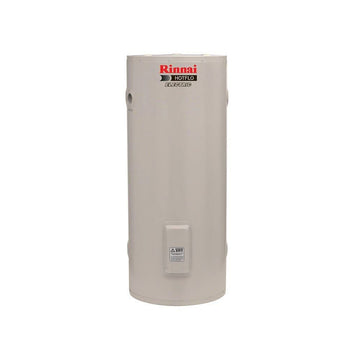
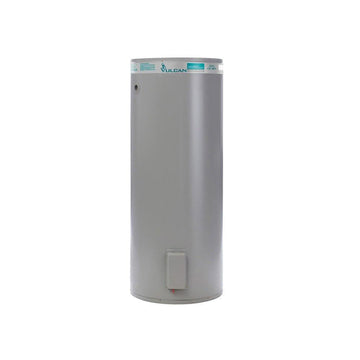
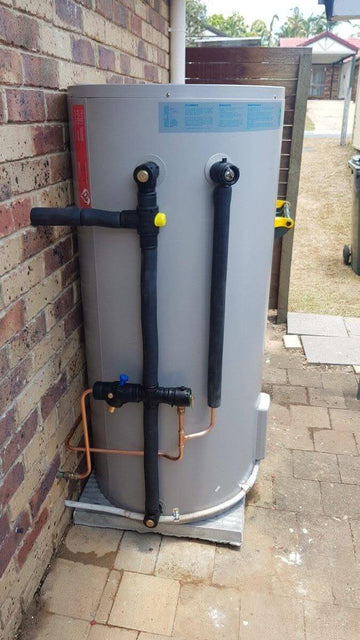
6. Hot Water System Valve Discharge
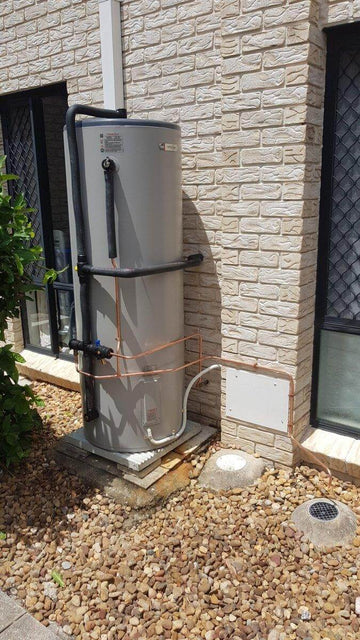
Hot water systems have valves designed to release water under certain conditions. Some discharge can be normal during heating cycles, but continuous discharge may indicate a fault or pressure issue.
A leaking or constantly discharging hot water valve can move the meter if it is connected to mains water.
Signs include:
-
Water running from the hot water overflow line
-
Wet area near the hot water system
-
Valve dripping constantly
-
Hot water pressure issues
-
Meter moving when no taps are on
-
Hot water system making unusual noises
Hot water valves and pressure issues should be checked by a qualified plumber.
7. Leaking Pressure Relief Valve
Pressure relief valves can leak if they are worn, affected by debris, exposed to high pressure or nearing the end of their service life.
A relief valve leak may appear as a small but constant discharge. Over time, this can waste water and indicate a pressure or valve problem.
8. Irrigation System Leak
Irrigation systems are a common hidden source of water loss. A cracked pipe, failed solenoid valve, leaking sprinkler head or poor connection may allow water to escape without being obvious.
Signs include:
-
Wet garden beds when irrigation is off
-
One area of lawn staying greener
-
Sprinkler heads weeping
-
Controller running at unexpected times
-
Damp soil near irrigation lines
-
Water meter moving overnight
-
Higher water bills during dry periods
If the meter stops moving when the irrigation isolation valve is turned off, the leak may be within the irrigation system.
9. Outdoor Tap or Hose Leak
An outdoor tap may be left slightly open, have a worn washer, leak at the hose connection or drip into a garden bed where it is not noticed.
Hose reels, timers and irrigation attachments can also leak slowly.
Check:
-
Front garden tap
-
Backyard tap
-
Side access tap
-
Hose reel
-
Tap timer
-
Pressure washer connection
-
Shed tap
-
Pool area tap
-
Outdoor kitchen tap
Outdoor leaks can be easy to miss because the water may soak into soil.
10. Pool Top-Up System Leak
Some pools have automatic top-up systems connected to the mains water supply. If the top-up valve fails or the pool has a separate leak, the system may keep adding water.
This can make the water meter move even when household taps are off.
Signs include:
-
Pool water level staying unusually constant
-
Top-up running frequently
-
Wet area near pool plumbing
-
Higher water bill
-
Meter moving with no household use
Pool systems may require both plumbing and pool-specific investigation depending on the setup.
11. Fridge Water Connection Leak
Fridges with water dispensers or ice makers often have small water lines behind cabinets. These lines can leak slowly and remain hidden for a long time.
Signs include:
-
Damp floor near the fridge
-
Swollen cabinetry
-
Water under nearby kickboards
-
Musty smell
-
Meter movement
-
Low-level leak behind the fridge
Because fridge water lines are often hidden behind cabinetry, leaks can cause damage before they are noticed.
12. Under-Sink Water Filter Leak
Under-sink water filters, reverse osmosis systems and drinking water taps have extra tubing and fittings. A small leak from one of these connections can keep the meter moving.
Check around:
-
Filter housings
-
Tubing connections
-
Shut-off valves
-
Drinking water tap connections
-
Reverse osmosis storage tank
-
Drain saddle connection
-
Cartridge housings
If the filter system was recently serviced, a fitting may need attention.
13. Washing Machine or Dishwasher Connection Leak
Appliance hoses and valves can leak slowly, especially behind machines or inside cabinets.
Look for:
-
Water behind the washing machine
-
Damp laundry cabinet
-
Dishwasher hose leak
-
Drips near appliance valves
-
Swollen cabinetry
-
Water under kickboards
If appliance valves are old or difficult to turn off, a plumber may need to replace them.
14. Hidden Wall or Ceiling Leak
A pipe leak inside a wall or ceiling can move the meter and cause damage before it becomes visible.
Signs include:
-
Bubbling paint
-
Damp plasterboard
-
Ceiling stains
-
Mould smell
-
Swollen skirting
-
Wet carpet near a wall
-
Dripping sounds
-
Meter moving during dry weather
If the leak is inside a wall, it should be investigated promptly to reduce water damage.
15. Leak Under a Concrete Slab
A slab leak can be harder to detect because the pipework is concealed under or within the slab area.
Possible signs include:
-
Warm patch on the floor if hot water is leaking
-
Damp carpet or flooring
-
Cracked tiles
-
Mould smell
-
Reduced water pressure
-
Sound of running water
-
Higher water bills
-
Meter moving continuously
-
Moisture near external slab edges
Slab leaks need proper investigation. Guesswork can lead to unnecessary damage.
Why the Meter Spins Slowly Versus Fast
The speed of the meter can give a rough indication of leak size, but it does not confirm the cause.
Slow Meter Movement
Slow movement may point to:
-
Running toilet
-
Dripping tap
-
Small valve leak
-
Flexi hose weep
-
Filter connection leak
-
Small underground leak
-
Slow hot water valve discharge
Slow leaks can still be expensive because they often run all day and night.
Fast Meter Movement
Fast movement may point to:
-
Burst pipe
-
Major underground leak
-
Failed flexi hose
-
Open tap
-
Significant irrigation leak
-
Large hot water discharge
-
Major pipe failure
If the meter is spinning quickly and you cannot find the cause, turn off water at the main meter if safe and arrange urgent plumbing help.
What To Check Around the House
Before calling a plumber, it can help to check the most common areas.
Toilets
Listen for hissing. Look for water trickling into the bowl. Check whether the cistern refills when nobody has used it.
Sinks and Vanities
Open cabinets and check for dampness, swelling, drips, rust marks or musty smells.
Hot Water System
Look for water constantly running from the relief drain or overflow line. Check whether the surrounding ground is wet.
Outdoor Taps
Check all outdoor taps, hose reels, timers and garden connections. Make sure hoses are not leaking into garden beds.
Irrigation
Turn off the irrigation controller and check whether any areas remain wet. If possible, isolate the irrigation system and observe whether the meter stops moving.
Appliances
Check around the washing machine, dishwasher, fridge water line and under-sink filter system.
Walls and Ceilings
Look for stains, bubbling paint, damp skirting, mould or soft plasterboard.
When To Turn Off the Main Water Supply
Turn off the main water supply if:
-
The meter is spinning quickly
-
You can hear running water but cannot find the leak
-
Water is appearing inside the house
-
A flexi hose has failed
-
An underground leak is flooding the yard
-
Water is leaking near electrical fittings
-
A wall or ceiling is actively wet
-
You are leaving the property and suspect a leak
-
You cannot isolate the leaking fixture
The main water shut-off is usually located near the meter. If you are unsure or the valve is difficult to turn, contact a plumber.
Can a Water Meter Move Without a Leak?
Sometimes a meter may move briefly after water has just been used, especially if pressure is settling in the system. However, continuous movement when everything is off usually means water is still flowing somewhere.
Possible non-leak explanations may include:
-
Someone using water without realising
-
Irrigation schedule running
-
Appliance filling
-
Pool top-up operating
-
Water filter system refilling
-
Toilet cistern refilling after a flush
If all of these are ruled out and the meter still moves, a leak is likely.
Why Hidden Leaks Should Be Found Early
Hidden leaks can cause more than water waste.
They can lead to:
-
Higher water bills
-
Cabinet damage
-
Mould growth
-
Ceiling stains
-
Wall damage
-
Soil erosion
-
Foundation moisture issues
-
Paving movement
-
Damage to flooring
-
Reduced water pressure
-
More expensive repairs
-
Disruption to tenants or occupants
The earlier the leak is found, the better chance there is of limiting damage.
Brisbane and Gold Coast Hidden Leak Considerations
Across Brisbane, the Gold Coast and South East Queensland, hidden leaks can be influenced by property age, soil movement, weather, pipe material and property layout.
Older Brisbane homes may have ageing underground water services, older valves and pipework that has been altered during renovations. Gold Coast properties may experience corrosion around fittings, outdoor plumbing and coastal-exposed areas. Acreage and semi-rural homes can have longer pipe runs, pumps, tanks, irrigation and multiple outdoor taps. Townhouses and units may have body corporate considerations and shared walls or service areas.
Because properties vary so much, the cause of a spinning water meter should be investigated properly rather than guessed from the meter alone.
Water Meter Spinning After Recent Plumbing Work
If the meter started spinning after recent plumbing, renovation, landscaping or irrigation work, tell your plumber.
Recent work can sometimes disturb:
-
Pipe joints
-
Flexible hoses
-
Isolation valves
-
Outdoor pipes
-
Irrigation lines
-
Appliance connections
-
Under-sink fittings
-
Hot water valves
-
Filter connections
The timing may help narrow down where the leak is likely to be.
Water Meter Spinning After Heavy Rain
A water meter measures mains water use, not rainwater entering the property. If the meter is spinning after rain, there may still be a mains water leak, but heavy rain can make some leaks harder to notice because the ground is already wet.
Rain can also coincide with:
-
Soft ground around underground pipes
-
Soil movement
-
Stormwater issues being mistaken for mains leaks
-
Irrigation faults going unnoticed
-
Outdoor leaks hidden by wet weather
If the meter moves when no water is being used, it is worth investigating even if the yard is already wet from rain.
What a Plumber May Do to Find the Leak
A plumber may work through the property systematically to narrow down the leak source.
This may include:
-
Confirming meter movement
-
Checking toilets
-
Checking taps and mixers
-
Inspecting under-sink areas
-
Checking flexi hoses
-
Checking isolation valves
-
Inspecting hot water valve discharge
-
Checking outdoor taps
-
Isolating sections where possible
-
Checking irrigation or external lines
-
Looking for visible water damage
-
Assessing pressure-related issues
-
Recommending further leak detection if needed
Not every leak is visible immediately. Some hidden leaks require specialist leak detection, especially underground or slab leaks.
Should You Wait for the Next Water Bill?
No. If the meter is moving and you cannot find a normal reason, waiting for the next bill can be expensive.
A hidden leak may continue running every hour of the day. Even a small leak can waste a lot of water over weeks. A larger underground leak can waste a significant amount of water and may cause property damage.
If the meter is spinning now, it is better to investigate now.
How JR Gas & Water Can Help
JR Gas & Water can help inspect plumbing systems when a water meter is moving with no taps on across Brisbane, the Gold Coast and South East Queensland.
Depending on the situation, the job may involve:
-
Checking toilets for internal leaks
-
Inspecting taps and mixers
-
Checking under-sink leaks
-
Inspecting flexi hoses and isolation valves
-
Checking hot water system valve discharge
-
Looking for signs of underground leaks
-
Checking outdoor taps and visible pipework
-
Assessing water pressure
-
Isolating likely leak areas where possible
-
Repairing accessible plumbing faults
-
Advising when specialist leak detection is needed
The goal is to identify why the meter is moving, stop unnecessary water loss and repair the plumbing fault properly.
For suspected hidden leaks, running toilets, underground water leaks or unexplained water meter movement, book JR Gas & Water’s Brisbane and Gold Coast plumbing services.
FAQs About a Water Meter Spinning With No Taps On
Why is my water meter spinning when no taps are on?
Your water meter is spinning because water is likely flowing somewhere after the meter. Common causes include a running toilet, leaking tap, flexi hose leak, irrigation leak, hot water valve discharge, underground pipe leak or hidden wall leak.
Does a moving water meter always mean a leak?
Continuous meter movement when all taps and appliances are off usually points to a leak or an automatic system using water. Check toilets, irrigation, pool top-ups, appliances and outdoor taps first. If the meter still moves, arrange a plumbing inspection.
Can a running toilet make the water meter move?
Yes. A running toilet can make the meter move if water is constantly leaking from the cistern into the bowl. This is one of the most common hidden water leaks in homes.
How do I know if the leak is underground?
Possible signs include wet or soft ground, greener grass in one area, water pooling, reduced pressure, a sound of running water outside or continuous meter movement with no visible indoor leaks.
Should I turn off the water if my meter is spinning?
If the meter is spinning quickly, water is appearing inside the home, or you cannot find the leak, turn off the main water supply if safe to do so and contact a plumber.
Can a hot water system make the meter move?
Yes. A hot water system can cause meter movement if a valve is discharging constantly or there is a leak on the hot water side. A plumber can check whether the discharge is normal or fault-related.
Why does my water meter move at night?
If nobody is using water overnight and the meter still moves, common causes include a running toilet, irrigation leak, pool top-up issue, hot water valve discharge or hidden pipe leak.
What should I do before calling a plumber?
Turn off all taps and water-using appliances, check toilets, inspect under sinks, check the hot water system, look at outdoor taps and irrigation, then observe the meter. If it still moves, book a plumber.
Final Word
A water meter spinning when no taps are on is a strong sign that water is being used or leaking somewhere on the property. The cause may be simple, such as a running toilet or dripping tap, or more serious, such as an underground pipe leak or hidden wall leak.
Do not ignore unexplained meter movement. A hidden leak can waste water, increase bills and damage the property if left unresolved.
JR Gas & Water can inspect common leak sources, repair accessible plumbing faults and help identify when specialist leak detection may be needed across Brisbane, the Gold Coast and South East Queensland.
Book JR Gas & Water for practical plumbing help if your water meter is moving and you cannot find the cause.
Plumbing & Gas Fitting Across South East Queensland
Looking for a local plumber? JR Gas & Water provides plumbing and gas fitting services throughout Greater Brisbane, Logan, Ipswich, Moreton Bay, Redlands and the Gold Coast.
View all plumbing & gas fitting service areas