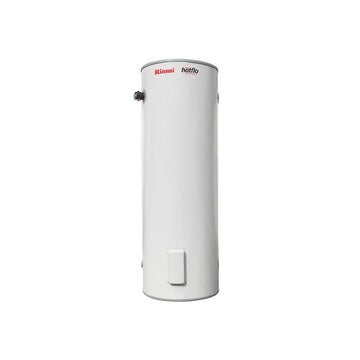
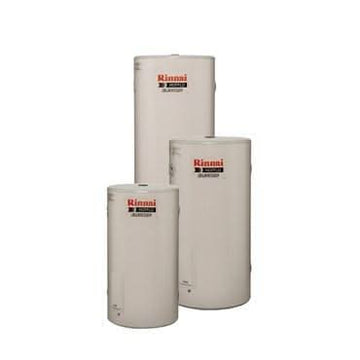
Rusty Hot Water: Is the Cylinder Failing?
Rusty hot water usually means corrosion, sediment or deteriorating pipework is affecting the hot water side of the plumbing. If rusty water only comes from hot taps, the issue may be inside the hot water cylinder, hot water pipework, valves or fittings. If both hot and cold water are rusty, the issue may be with the mains supply, rainwater system, old pipework or recent water supply disturbance.
For Brisbane, Gold Coast and South East Queensland homes, rusty hot water is common in older storage tanks, ageing electric hot water systems, gas storage systems, solar storage tanks, older homes with original pipework, coastal properties with external corrosion and systems that are near the end of their service life.
JR Gas & Water can help through licensed plumbing services across Greater Brisbane and the Gold Coast, including hot water checks, pipework inspections, valve issues, leak investigation and replacement advice.
Quick Answer: Does Rusty Hot Water Mean the Cylinder Is Failing?
Rusty hot water can mean the cylinder is failing, especially if:
-
Rusty water only comes from hot taps
-
The hot water system is old
-
Water is brown, orange or metallic from multiple hot outlets
-
Rust appears first thing in the morning
-
There are rust stains around the tank
-
The tank base or fittings are corroded
-
The relief valve or drain water looks rusty
-
Hot water pressure is also poor
-
The system is leaking
-
The anode may be depleted
-
Sediment is coming from the tank
-
The issue keeps returning after flushing or tap cleaning
However, rusty hot water does not always mean immediate cylinder failure. It can also come from old hot water pipework, valves, fittings, recent plumbing work, water supply disturbance or sediment in the system.
First Check: Is It Hot Water Only or Hot and Cold?
This is the most important first check.
Rusty Hot Water Only
If rusty water only comes from hot taps, the issue is likely on the hot water side.
Possible causes include:
-
Corroding hot water cylinder
-
Depleted sacrificial anode
-
Sediment inside the tank
-
Rusted hot outlet fittings
-
Old hot water pipework
-
Corroded valves
-
Heat-affected fittings
-
Old galvanised hot lines
-
Internal tank deterioration
-
Recent hot water system disturbance
Rusty Hot and Cold Water
If both hot and cold water are rusty, the issue is less likely to be only the hot water system.
Possible causes include:
-
Mains water disturbance
-
Council water main work
-
Old property pipework
-
Rainwater tank sediment
-
Pump or filtration issue
-
Corroded cold water pipework
-
Sediment after a water shutdown
-
Rural or acreage water supply issues
If every tap is affected, the whole plumbing supply needs to be considered.
What Rusty Hot Water Looks Like
Rusty hot water can appear as:
-
Brown water
-
Orange water
-
Yellow water
-
Tea-coloured water
-
Metallic-looking water
-
Rust particles
-
Dirty water from hot taps
-
Brown water that clears after running
-
Rust stains in basins, baths or showers
-
Brown water first thing in the morning
-
Rusty water after the hot water system reheats
The colour and pattern help identify the cause.
Brown Water From Hot Taps
Brown water from hot taps often points to sediment or corrosion in the hot water system or hot water pipework.
It may happen:
-
First thing in the morning
-
After the system has sat unused
-
After heavy hot water use
-
After a water shutdown
-
After plumbing work
-
When the tank is old
-
When fittings are corroded
-
When the tank is disturbed
-
When pressure changes push sediment through the lines
If the water clears quickly and does not return, it may be debris from a one-off disturbance. If it keeps returning, the system should be checked.
Orange or Red Rust Particles
Visible rust particles are more concerning than slightly discoloured water.
Particles may come from:
-
Corroding cylinder lining
-
Rusted fittings
-
Old pipework
-
Depleted anode
-
Internal sediment
-
Corroded valves
-
Old galvanised pipes
-
Deteriorating tank components
Rust particles from multiple hot taps suggest the hot water system or hot pipework needs inspection.
Metallic Taste or Smell
Rusty hot water may have a metallic taste or smell. Hot water should not be used for drinking or cooking, especially if it appears discoloured.
Metallic hot water may suggest:
-
Internal corrosion
-
Sediment
-
Old pipework
-
Tank deterioration
-
Fitting corrosion
-
Water chemistry issues
-
Old valves or mixed metals
If drinking water quality is a concern, test cold water separately and consider whether the issue affects only hot water or the full supply.
Why Hot Water Cylinders Rust
Most storage hot water systems are made with a steel cylinder protected by internal linings and corrosion protection components. Over time, that protection can deteriorate.
A hot water cylinder may rust due to:
-
Age
-
Depleted sacrificial anode
-
Internal lining failure
-
Sediment buildup
-
Water chemistry
-
High temperatures
-
Poor maintenance
-
External weather exposure
-
Coastal corrosion
-
Leaking valves
-
Deteriorated fittings
-
Long-term pressure stress
Once the cylinder itself begins to fail, replacement is usually the practical option.
What Is a Sacrificial Anode?
A sacrificial anode is a corrosion protection component inside many storage hot water tanks. Its job is to corrode before the tank does.
Over time, the anode is consumed. If it is not replaced and the tank is old, corrosion protection can reduce.
A depleted anode may contribute to:
-
Rusty hot water
-
Metallic water
-
Internal tank corrosion
-
Shorter cylinder life
-
Sediment in the tank
-
Rust particles
Anode condition is one factor, but it is not the only cause of rusty hot water. On older systems, replacing an anode may not be worthwhile if the cylinder is already deteriorating.
Sediment in the Hot Water Tank
Sediment can build up inside storage hot water tanks over time.
Sediment may include:
-
Minerals
-
Rust particles
-
Scale
-
Sand or grit
-
Anode breakdown material
-
Internal tank debris
-
Pipework debris
Sediment can cause:
-
Brown hot water
-
Rust particles
-
Popping or rumbling noises
-
Reduced effective tank volume
-
Poor hot water pressure
-
Relief valve issues
-
Blocked tapware
-
Shorter system life
If sediment is heavy and the tank is old, replacement may be more sensible than repeated flushing or valve repairs.
Rust Around the Hot Water System
External rust around the unit can help identify whether the system is deteriorating.
Look for rust around:
-
Tank base
-
Top fittings
-
Cold inlet
-
Hot outlet
-
Relief valve
-
Valve kit
-
Cylinder seams
-
Jacket or casing
-
Pipe connections
-
Mounting points
-
Safe tray
-
Drain line
-
External panels
External rust does not always mean the cylinder has failed internally, but it is a warning sign, especially if water is also discoloured.
Rust at the Tank Base
Rust at the tank base is more concerning because leaks often appear at the bottom of older storage systems.
Warning signs include:
-
Water pooling around the base
-
Rust stains under the system
-
Flaking metal
-
Damp concrete
-
Rust-coloured water near the base
-
Swollen or distorted casing
-
Leaking from underneath the tank
-
Rusty safe tray water
If the cylinder is leaking from the base, replacement is usually required.
Rust Around Fittings
Rust around hot water fittings may come from fittings, valves or pipe connections rather than the cylinder itself.
This may include:
-
Rusted unions
-
Corroded nipples
-
Old valves
-
Mixed metal corrosion
-
Slow leaks at fittings
-
Weather-exposed pipework
-
Rusted drain lines
-
Corroded relief valve outlet
Fitting corrosion may be repairable if the tank is otherwise sound, but old fittings can also signal the system is ageing overall.
Rusty Water First Thing in the Morning
If rusty hot water appears mainly first thing in the morning, it may be caused by water sitting in the tank or pipework overnight.
Possible causes include:
-
Old hot water cylinder
-
Sediment settling overnight
-
Rusty hot water pipework
-
Corroded fittings
-
Water sitting in old lines
-
Anode deterioration
-
Mains disturbance becoming visible after sitting
-
Rainwater supply sediment where applicable
If the rusty water clears after a few seconds and does not return, the cause may be local pipework or sitting water. If it keeps returning from multiple hot outlets, the hot water system should be checked.
Rusty Water After Plumbing Work
Rusty water may appear after plumbing or water supply work because sediment has been disturbed.
This can happen after:
-
Hot water replacement
-
Water shutdown
-
Valve replacement
-
Pipe repair
-
Tapware replacement
-
Mains work
-
Pressure changes
-
Flushing old pipework
-
Renovation plumbing
-
Work on older galvanised lines
If the water clears and does not return, it may be temporary. If it continues, there may be an underlying corrosion issue.
Rusty Water After Hot Water System Replacement
If rusty water appears after replacing a hot water system, the cause may not be the new system itself.
Possible causes include:
-
Old hot water pipework disturbed during installation
-
Debris from existing pipes
-
Corroded fittings reused or disturbed
-
Sediment released from old lines
-
Mains water disturbance
-
Old valves or branch lines
-
Tap strainers catching debris
-
Existing rust in pipework
A new system connected to old pipework can expose problems that were already present.
Rusty Water From One Tap Only
If only one hot tap has rusty water, the issue is likely local.
Possible causes include:
-
Old tapware
-
Mixer cartridge debris
-
Local flex hose corrosion
-
Rusted fitting near that fixture
-
Branch pipe corrosion
-
Aerator debris
-
Vanity or sink connection issue
-
Renovation pipework disturbance
If the rest of the home has clear hot water, replacing the hot water system is unlikely to fix that one tap.
Rusty Water From Every Hot Tap
If every hot tap has rusty water, the issue is more likely central.
Possible causes include:
-
Hot water cylinder corrosion
-
Sediment inside the tank
-
Rusted hot outlet fittings
-
Old central hot pipework
-
Valve kit corrosion
-
Depleted anode
-
Corroded storage tank
-
Hot water system nearing failure
This is when the hot water system and main hot pipework should be checked.
Rusty Water From Shower Only
If the shower has rusty hot water but the basin nearby is clear, check the shower mixer, shower rose and local pipework.
Possible causes include:
-
Shower mixer corrosion
-
Debris in shower head
-
Old shower arm
-
Local hot branch restriction
-
Rust in shower fittings
-
Recent bathroom work
-
Flexible connector issue
If the bathroom basin also has rusty hot water, the issue may be further upstream.
Rusty Water From Kitchen Hot Tap Only
A kitchen-only issue may be caused by:
-
Kitchen mixer cartridge
-
Aerator debris
-
Flexible hose corrosion
-
Local isolation valve
-
Old hot branch to kitchen
-
Recent kitchen renovation
-
Filter or appliance connection issue
-
Pipework disturbance under sink
Test other hot taps before assuming the hot water cylinder is failing.
Rusty Hot Water and Low Pressure
Rusty hot water with low pressure often points to pipework, valve or sediment issues.
Possible causes include:
-
Sediment blocking valves
-
Old galvanised hot pipework
-
Corroded fittings
-
Blocked tempering valve
-
Debris in mixer cartridges
-
Hot water cylinder sediment
-
Old valve kit restriction
-
Rust particles in strainers
Low hot pressure plus rusty water should be checked before fixtures become blocked or the system fails.
Rusty Hot Water and Noisy System
Rusty water with popping, rumbling or banging from the hot water system may suggest sediment inside the tank.
Possible causes include:
-
Heavy sediment buildup
-
Tank corrosion
-
Scale around heating element
-
Gas storage burner heat transfer issue
-
Old cylinder
-
Internal tank deterioration
-
Relief valve or pressure issues
If the tank is old and making noise, replacement may be more practical than repair.
Rusty Hot Water and Leaking System
Rusty hot water with leaks is more concerning.
Possible causes include:
-
Cylinder corrosion
-
Tank seam failure
-
Rusted fittings
-
Relief valve discharge carrying rust
-
Corroded valve kit
-
Base leak
-
Internal lining failure
-
Old system at end of life
If the tank body or base is leaking, replacement is usually required.
Rusty Hot Water and Relief Valve Discharge
If rusty water comes from the relief valve drain line, sediment or corrosion may be inside the hot water system.
Possible causes include:
-
Internal tank sediment
-
Corroded relief valve
-
Rusted fitting
-
Depleted anode
-
Old cylinder
-
Water pressure issue
-
Valve kit deterioration
The relief valve is a safety device and should not be capped, blocked or ignored.
Electric Hot Water and Rusty Water
Electric storage systems may produce rusty hot water when the cylinder, fittings, anode or pipework deteriorates.
Common causes include:
-
Old tank
-
Depleted anode
-
Internal sediment
-
Corroded hot outlet
-
Rusted fittings
-
Valve kit corrosion
-
Old hot water pipework
-
Cylinder lining failure
If an electric storage tank is old and rusty water is coming from multiple hot outlets, replacement should be considered.
Gas Storage Hot Water and Rusty Water
Gas storage systems can also develop rusty water when the storage cylinder or fittings corrode.
Common causes include:
-
Ageing cylinder
-
Sediment buildup
-
Corroded tank base
-
Rusted fittings
-
Internal lining deterioration
-
Depleted anode
-
Old valves
-
External weather exposure
If a gas storage unit also has gas smell, burner issues or leaks, treat those as safety concerns and arrange licensed help.
Heat Pump Hot Water and Rusty Water
Heat pump hot water systems usually have a storage tank, so rusty hot water can still occur if the cylinder, anode, fittings or pipework deteriorate.
Possible causes include:
-
Storage tank corrosion
-
Sediment
-
Old valve kit
-
Corroded fittings
-
External weather exposure
-
Reused old pipework
-
Installation connected to rusty existing lines
If the heat pump is newer but the home has old pipework, the pipework and fittings should also be considered.
Solar Hot Water and Rusty Water
Solar hot water systems can develop rusty water due to tank age, roof-mounted storage corrosion, booster tanks, fittings or old pipework.
Possible causes include:
-
Old solar storage tank
-
Internal corrosion
-
Sediment
-
Roof-mounted tank exposure
-
Corroded fittings
-
Depleted anode
-
Booster tank issue
-
Long hot pipe runs
-
Old valves
Solar tanks can be expensive to repair depending on age and access. Replacement options should be compared carefully.
Instant Gas Hot Water and Rusty Water
Instant gas hot water systems do not usually have a large storage cylinder, so rusty hot water is less likely to come from stored tank corrosion.
Possible causes may include:
-
Old hot water pipework
-
Corroded fittings
-
Heat exchanger issue
-
Debris in plumbing
-
Rust from existing pipework
-
Recent water supply disturbance
-
Old valves or connections
If an instant gas system is producing discoloured water, the pipework and fittings need checking as well as the appliance.
Is the Cylinder Failing?
The cylinder may be failing if:
-
Rusty water comes from every hot tap
-
The system is old
-
Rust particles are visible
-
The tank casing is rusty
-
There is rust at the base
-
Water is leaking from the cylinder
-
Relief valve discharge is rusty
-
Hot pressure is poor
-
Noises are present
-
Sediment keeps returning
-
Repairs are becoming frequent
-
Parts are difficult to justify
-
The water smells or tastes metallic
-
The issue is getting worse
A plumber can inspect the system and advise whether repair is worth it or replacement is the better option.
When Rusty Water May Be Temporary
Rusty water may be temporary if it appears after:
-
Council mains work
-
Water supply shutdown
-
Recent plumbing repair
-
Hot water system installation
-
Tapware replacement
-
Pipework disturbance
-
Valve operation
-
Pressure changes
If the water clears quickly and does not return, it may have been disturbed sediment.
If rusty hot water keeps returning from multiple taps, book an inspection.
When Rusty Hot Water Is Urgent
Rusty hot water should be checked urgently if:
-
The hot water system is leaking
-
Rust is coming from every hot tap
-
Water is dark brown or full of particles
-
The system is old and corroded
-
There is water at the tank base
-
Hot water pressure has dropped badly
-
The system is making loud noises
-
The relief valve is discharging rusty water
-
The water smells strongly metallic
-
A rental property is affected
-
The system has stopped heating properly
-
Electrical or gas safety concerns are present
Do not ignore rusty hot water when it is combined with leaks, age or poor performance.
Repair or Replace?
The decision depends on the source of the rust, system age and condition.
Repair May Make Sense When
Repair may suit if:
-
Rust is from a fitting, not the cylinder
-
One fixture is affected
-
A valve or flex hose is corroded
-
Pipework debris is localised
-
The system is relatively new
-
The cylinder is sound
-
Pressure and temperature are normal
-
The issue appeared after recent work and clears
-
The problem is a replaceable valve or fitting
Replacement May Be Better When
Replacement may be better if:
-
The cylinder is rusting internally
-
Rust affects every hot tap
-
The system is old
-
The tank is leaking
-
The base is corroded
-
Sediment is heavy
-
Rust keeps returning
-
The relief valve discharges rusty water
-
Repairs are becoming frequent
-
Anode replacement is no longer worthwhile
-
Hot pressure is poor due to system deterioration
-
The system is inefficient or undersized
If the tank itself is failing, replacing valves or flushing lines will not solve the problem long term.
Should You Flush the Hot Water System?
Flushing may remove some loose sediment, but it is not always the right answer.
Flushing an old or badly corroded system can sometimes disturb sediment, cause valves to leak or expose failing components.
Do not attempt to flush, drain or open the system yourself.
A plumber should decide whether flushing is appropriate or whether the system is too old and should be replaced.
Can Rusty Hot Water Be Used?
Avoid using rusty hot water for drinking or cooking. In general, hot water should not be used for drinking or food preparation.
For showering or bathing, mild temporary discolouration may not be an immediate emergency, but if the water is strongly rusty, full of particles, smells metallic or the system is leaking, stop using it and have it checked.
If there are health concerns, use clear cold water from a known safe supply and seek appropriate water quality advice.
What Homeowners Can Check Safely
You can check the pattern without pulling anything apart.
Check:
-
Is the rusty water hot only or hot and cold?
-
Is every tap affected?
-
Is only one tap affected?
-
Does it clear after running?
-
Does it return after sitting overnight?
-
Is there rust around the hot water system?
-
Is the tank leaking?
-
Is there water at the base?
-
Is the relief valve discharging rusty water?
-
Is hot water pressure low?
-
Is the system noisy?
-
How old is the system?
-
Was plumbing work done recently?
-
Is the home on mains water, rainwater or a pump?
This information helps narrow the cause.
Helpful Photos To Send
Helpful photos include:
-
Hot water system
-
Model label or compliance plate
-
Rust around the tank
-
Tank base
-
Hot and cold pipe connections
-
Relief valve and drain line
-
Valve kit
-
Photos of rusty water in a white cup or basin
-
Affected tap or shower
-
Any visible old pipework
-
Any leaks
-
Pump or rainwater system if applicable
-
System location and access
Use the JR Gas & Water website or the Greater Brisbane and Gold Coast plumbing services page to request help.
What Not To Do
Avoid these common mistakes:
-
Do not assume rusty water is harmless if it keeps returning
-
Do not ignore rusty hot water from every tap
-
Do not drink or cook with rusty hot water
-
Do not drain or flush the hot water system yourself
-
Do not open electrical or gas components
-
Do not cap relief valve drains
-
Do not ignore water around the cylinder base
-
Do not keep using a leaking system
-
Do not replace tapware before checking whether every hot outlet is affected
-
Do not assume a new system is the cause if old pipework remains
-
Do not ignore rusty water in a rental property
-
Do not wait for a corroded cylinder to burst
Rusty hot water should be diagnosed properly so the source is fixed, not guessed.
Brisbane Rusty Hot Water Considerations
Brisbane homes often include older electric storage systems, gas storage units, solar hot water, high-set homes, renovated bathrooms and older pipework.
Common Brisbane causes include:
-
Ageing storage tanks
-
Old hot water pipework
-
Sediment in cylinders
-
Rusted fittings
-
High-set pipework corrosion
-
Older systems near end of life
-
Renovation pipework disturbance
-
Valve kit deterioration
If rusty water is only on the hot side, the hot water system and hot pipework should be checked first.
Gold Coast Rusty Hot Water Considerations
Gold Coast properties may have extra corrosion concerns due to coastal exposure.
Common Gold Coast issues include:
-
External hot water system corrosion
-
Rusted fittings near outdoor systems
-
Coastal wear on valves and pipework
-
Solar tank exposure
-
Outdoor heat pump or storage tank corrosion
-
Apartment or townhouse system access
-
Older systems in coastal environments
-
Brown hot water from corroded components
Coastal homes should not ignore external rust around hot water systems.
Acreage and Rural SEQ Rusty Hot Water
Acreage homes may use rainwater, pumps, filtration, LPG systems, electric storage, heat pumps or solar hot water.
Rusty water may be linked to:
-
Rainwater tank sediment
-
Pump or pipework corrosion
-
Hot water cylinder sediment
-
Old galvanised lines
-
Bore or non-mains water issues where applicable
-
Filters needing service
-
Long external pipe runs
-
LPG hot water storage tanks
-
Old valves and fittings
If both hot and cold are discoloured, the water supply, tanks, pumps and filters may also need checking.
Rental Property Rusty Hot Water
For rental properties, rusty hot water should be investigated quickly.
Property managers should ask:
-
Is only hot water affected?
-
Is every fixture affected?
-
Is the hot water system old?
-
Is the system leaking?
-
Is the water brown, orange or full of particles?
-
Does it clear after running?
-
Is pressure low?
-
Was maintenance recently completed?
-
Are tenants reporting staining or smell?
Rusty hot water can quickly become a safety, comfort and property damage concern if the cylinder is failing.
When To Book a Plumber
Book a plumber if:
-
Rusty water comes from multiple hot taps
-
Rust keeps returning
-
The hot water system is old
-
The tank has visible rust
-
There is water around the base
-
Hot water pressure is low
-
The relief valve discharges rusty water
-
The system is noisy
-
A rental property is affected
-
The issue started after plumbing work and does not clear
-
Both hot and cold water are discoloured
-
You are unsure whether the system is failing
JR Gas & Water can help through licensed plumbing services across Greater Brisbane and the Gold Coast.
How JR Gas & Water Can Help
JR Gas & Water can help identify whether rusty hot water is caused by the hot water cylinder, hot pipework, valves, fittings, recent plumbing disturbance or a broader water supply issue.
Depending on the issue, this may involve:
-
Checking whether hot only or hot and cold are affected
-
Inspecting the hot water system
-
Checking visible rust and leaks
-
Inspecting valves and fittings
-
Checking hot water pressure
-
Reviewing system age and condition
-
Looking for signs of cylinder failure
-
Assessing whether repair is practical
-
Advising whether replacement is the better option
-
Checking related plumbing issues where pipework is the cause
For service information, visit the JR Gas & Water homepage or the Greater Brisbane and Gold Coast plumbing services page.
FAQs About Rusty Hot Water
Why is only my hot water rusty?
If only hot water is rusty, the issue is usually on the hot water side. Common causes include a corroding hot water cylinder, sediment, old hot pipework, rusted valves or deteriorating fittings.
Does rusty hot water mean my hot water system is failing?
It can. Rusty water from every hot tap, especially with an old system, tank rust, leaks or sediment, may mean the cylinder is failing.
Why is rusty water coming from only one tap?
If only one tap is affected, the issue is likely local to that fixture, mixer, flex hose, aerator or branch pipe rather than the hot water cylinder.
Is brown hot water dangerous?
Brown hot water should not be used for drinking or cooking. If the water is strongly discoloured, full of particles, smells metallic or keeps returning, have it checked.
Can rusty hot water be caused by old pipes?
Yes. Old galvanised or corroded hot water pipework can release rust into the hot water supply.
Can rusty hot water be temporary?
Yes. It may be temporary after mains work, water shutdowns or plumbing repairs. If it clears and does not return, it may have been disturbed sediment. If it keeps returning, book an inspection.
Should I flush my hot water system if the water is rusty?
Do not attempt to flush or drain the system yourself. A plumber should inspect it first, especially if the system is old or corroded.
When should I replace a rusty hot water system?
Replacement may be needed if the cylinder is old, leaking, corroded, producing rusty water from every hot tap or showing signs of internal failure.
Final Word
Rusty hot water can be a warning sign that the hot water cylinder is corroding, but it can also come from old pipework, fittings, valves, sediment or recent water supply disturbance. The first step is working out whether only the hot water is affected or whether both hot and cold water are discoloured.
If rusty water comes from every hot tap, the hot water system is old, rust is visible around the tank, pressure is poor or the system is leaking, the cylinder may be failing and replacement may be the safest long-term option.
JR Gas & Water can help inspect rusty hot water issues, identify whether the problem is the cylinder or pipework, and recommend the right repair or replacement pathway across Greater Brisbane and the Gold Coast.
Book JR Gas & Water before a rusty hot water issue turns into a leaking cylinder, blocked fixtures or full system failure.
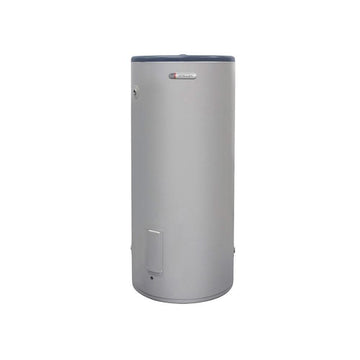
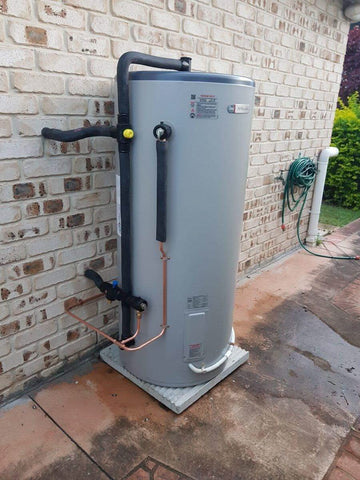
Plumbing & Gas Fitting Across South East Queensland
Looking for a local plumber? JR Gas & Water provides plumbing and gas fitting services throughout Greater Brisbane, Logan, Ipswich, Moreton Bay, Redlands and the Gold Coast.
View all plumbing & gas fitting service areas