After Heavy Rain in SEQ: Stormwater, Drains, Pumps, Hot Water and Filter Checks for Homeowners
Heavy rain can expose plumbing problems that stay hidden during normal weather. A yard that usually drains well can suddenly hold water. A stormwater pit can overflow. A pump can run constantly or fail when it is needed most. Outdoor hot water systems can end up sitting in pooling water, and tank-fed homes can notice dirtier water after roof runoff.
For homeowners across Brisbane, the Gold Coast and South East Queensland, wet weather is often when small drainage issues become obvious. Blocked grates, undersized stormwater lines, poor fall, tree roots, clay soil movement, old pipework and overloaded downpipes can all show up once rain gets heavy enough.
Some checks are safe for homeowners to do from ground level. Others need a licensed plumber, especially where stormwater, sewer drainage, electrical components, gas appliances, pumps or underground pipework may be involved.
JR Gas & Water provides licensed plumbing services in Brisbane, including stormwater drainage, blocked drain clearing, pump installations, rainwater tank plumbing, hot water repairs and water filter support across Brisbane, the Gold Coast and nearby South East Queensland areas.
Quick answer
After heavy rain, homeowners should check for pooling water, overflowing stormwater pits, blocked surface grates, slow drains, wet hot water system bases, pumps running constantly, muddy tank water and leaking filter housings. Do not open electrical components, work on gas appliances, enter flooded pits or try to modify drainage pipework yourself.
If water is pooling around the house, drains are backing up, a pump is not working, a hot water system has been affected by water, or stormwater is not draining properly, book a licensed plumber. JR Gas & Water can help with stormwater drainage solutions, blocked drain clearing, CCTV drain inspections, water pumps, rainwater tank plumbing and hot water repairs.
Why heavy rain causes plumbing problems
Heavy rain puts pressure on every part of a property’s water management system. Roof water, driveway runoff, side access drainage, garden beds, retaining walls, pits, downpipes, pumps and underground pipes all need to move water away from the home quickly enough.
When one part of the system is blocked, undersized or poorly connected, water starts showing up where it should not.
Common wet weather causes include:
-
Leaves and debris covering stormwater grates
-
Downpipes discharging onto the ground instead of into suitable stormwater drainage
-
Stormwater pits full of silt, mud or garden matter
-
Poor fall in old or poorly installed drainage lines
-
Tree roots entering underground pipes
-
Broken, crushed or sagging pipework
-
Clay soil holding water around low sections of the yard
-
Pumps failing during peak rain
-
Tank overflows not discharging properly
-
Outdoor hot water systems sitting in low, wet areas
If the issue keeps happening every time it rains, it is usually not just “bad weather”. It often means the property needs drainage assessment, cleaning, repair or upgrade work from a licensed drainage plumber.
What homeowners can safely check after heavy rain
You do not need to pull anything apart to do a useful first check. A simple walk around the property can tell you a lot.
Safely check:
-
Whether water is pooling near the house, garage, shed or retaining walls
-
Whether stormwater grates are covered with leaves, bark or debris
-
Whether downpipes are overflowing or discharging badly
-
Whether outdoor drains are slow to clear
-
Whether water is flowing toward the slab instead of away from it
-
Whether external pits are overflowing
-
Whether your rainwater tank is overflowing correctly
-
Whether a pump is running constantly, short cycling or not starting
-
Whether the hot water system base is sitting in water
-
Whether filter housings, pipework or valves are leaking
-
Whether internal drains are slow, gurgling or backing up
Do not remove electrical covers, open pump wiring, alter gas appliances, remove hot water covers, enter flooded pits or dig around underground services. If the problem is more than visible surface debris, it is safer to book a licensed plumber.
Stormwater warning signs after heavy rain
Stormwater issues are one of the most common wet weather problems across SEQ homes. The signs can be obvious, but the cause is not always easy to see from the surface.
Watch for:
-
Water pooling along side access paths
-
Stormwater pits overflowing
-
Downpipes dumping water at ground level
-
Water running toward the home
-
Driveway channel drains overflowing
-
Wet patches around retaining walls
-
Boggy lawns that stay wet for days
-
Garden beds washing out
-
Water pooling around sheds or granny flats
-
Dampness near the slab or external walls
-
Repeated flooding in the same low point
JR Gas & Water’s stormwater drainage solutions can help with downpipe connections, stormwater pits, surface drains, channel drains, yard drainage and practical discharge improvements for residential properties.
Blocked drains after heavy rain
Heavy rain can also make blocked drains more obvious. If a drain was already partly blocked by roots, silt, grease, wipes or damaged pipework, wet weather may push it from slow to fully blocked.
Common signs include:
-
Multiple drains backing up at once
-
Toilets gurgling when other fixtures drain
-
Outdoor gullies overflowing
-
Bad smells from drains
-
Slow showers, sinks or floor wastes
-
Water backing up near inspection openings
-
Repeated blockages after rain
A one-off slow drain may be minor, but recurring wet weather blockages usually need proper assessment. JR Gas & Water offers blocked drain clearing and CCTV drain inspections to help identify whether the problem is a blockage, root intrusion, damaged pipe, poor fall or another drainage fault.
When CCTV drain inspection is worth it
A drain camera can be useful when the same drain keeps blocking or the cause is not visible from above ground.
A CCTV drain inspection may be worth booking if:
-
The same drain blocks repeatedly
-
Stormwater pits overflow even after surface cleaning
-
There are gurgling sounds from multiple fixtures
-
You suspect tree roots
-
You are planning drainage work
-
You need to locate underground pipes
-
You are buying a property and want to check drainage risk
-
Water keeps pooling despite previous repairs
CCTV inspections help reduce guesswork. Instead of assuming the pipe is blocked, broken or undersized, the plumber can inspect the line and recommend a more practical next step.
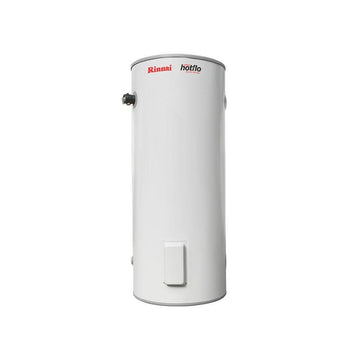
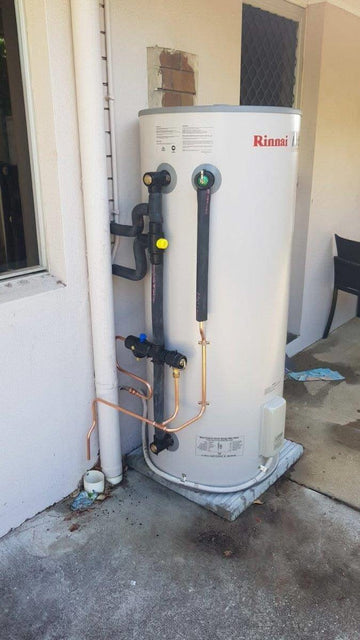
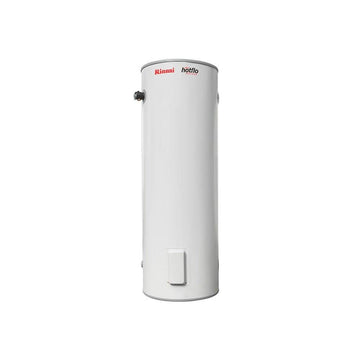
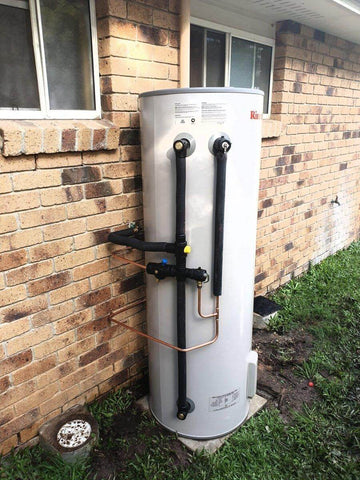
Hot water system checks after heavy rain
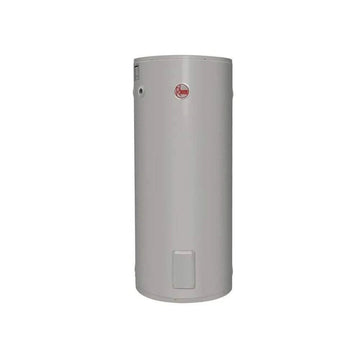
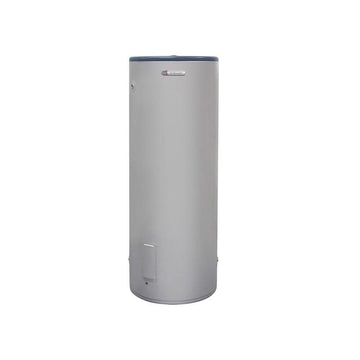
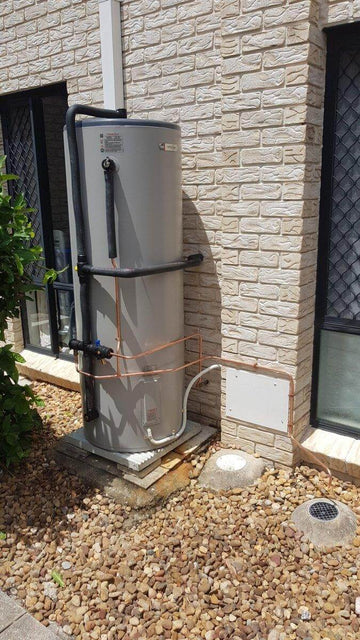
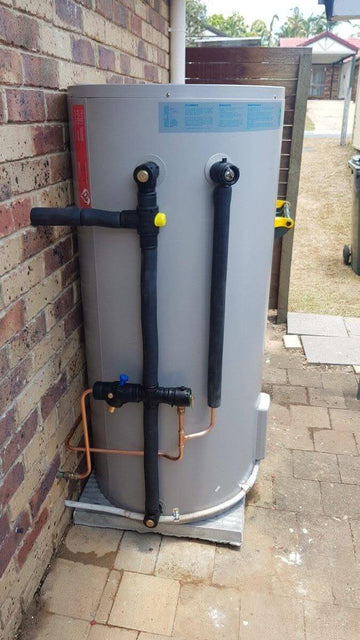
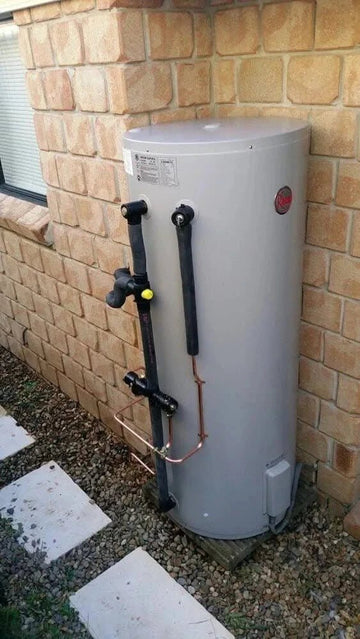
Outdoor hot water systems are exposed to weather, but they should not sit in floodwater or constant pooling water. Heavy rain can also reveal problems with the slab, base, nearby drainage or relief valve discharge.
After heavy rain, check around your hot water system for:
-
Water pooling around the base
-
Mud or debris around the unit
-
Water running from nearby downpipes toward the system
-
Signs of corrosion around the base
-
Leaking valves or pipework
-
Unusual noises
-
No hot water after storms
-
Electrical components that appear wet
-
Gas systems that may have been affected by water
Do not remove covers or inspect internal components yourself. Electric hot water systems, heat pumps and gas hot water systems should be assessed by the right licensed trades if there is any safety concern.
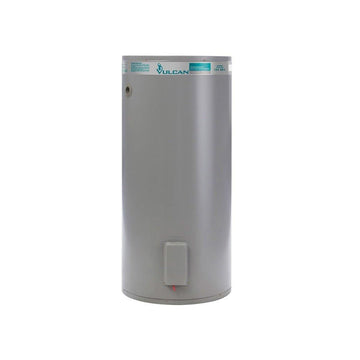
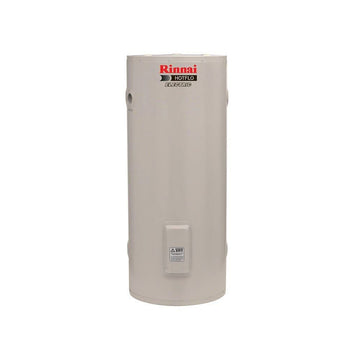
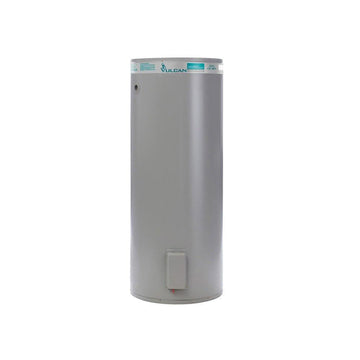
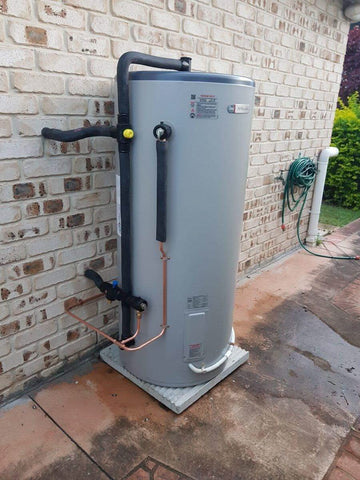
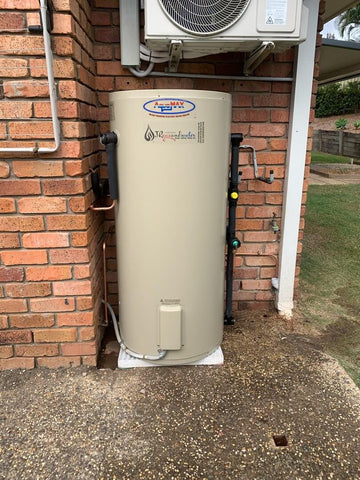
JR Gas & Water can help with hot water repairs and servicing, replacement advice and system checks if wet weather has exposed a fault. If the system is older, unreliable or badly positioned, it may also be worth comparing replacement options from JR’s hot water systems range.
Heat pump hot water and drainage after rain
Heat pump hot water systems need clear airflow, a suitable base and proper drainage. If a heat pump is installed in a low, wet area with poor drainage, heavy rain can make the problem obvious.
Check whether:
-
Water pools around the unit
-
The base is sinking or uneven
-
Condensate and relief discharge are draining properly
-
Airflow around the unit is blocked by debris
-
The unit is close to a muddy or boggy area
-
The system is noisier than usual after storms
-
The household is running out of hot water unexpectedly
A heat pump should be matched to the property, not just placed wherever the old electric storage tank used to sit. If the location is wet, tight or poorly drained, JR Gas & Water can help assess whether drainage improvements, servicing or replacement planning is needed through hot water repairs and servicing.
Pump issues after heavy rain
Pumps often get tested hardest during wet weather. Rainwater tank pumps, pressure pumps, sump pumps, stormwater pumps and submersible pumps may all be affected by heavy rainfall, debris, power interruptions or flooded pits.
Warning signs include:
-
Pump not starting
-
Pump running constantly
-
Pump short cycling
-
Low water pressure after rain
-
No water from tank supply
-
Pump making unusual noises
-
Pump tripping power
-
Float switch not activating
-
Water level rising in a pit
-
Dirty water or debris around the pump
Do not reach into a flooded pit or open electrical pump components. Pumps involve water and electricity, so safety matters.
JR Gas & Water supplies and installs water pumps and can also help with rainwater tank plumbing, pump and filter connections for homes, sheds, acreage properties and tank-fed systems.
Rainwater tank checks after heavy rain
Heavy rain can stir up sediment, wash roof debris into tanks and put pressure on overflows, pumps and filters. This is especially relevant for acreage homes, sheds, granny flats and properties using tank water for irrigation, toilets, laundries or household supply.
Check:
-
Whether the tank overflow is working
-
Whether water is discharging away from the house
-
Whether the pump is cycling normally
-
Whether water looks muddy or discoloured
-
Whether filters are clogging faster than usual
-
Whether gutters or first-flush devices are full of debris
-
Whether pipework around the tank is leaking
-
Whether pressure has dropped after the rain
If the tank system feeds the house, do not assume dirty or flood-affected water is safe to drink. Tank water quality depends on roof condition, gutters, filtration, disinfection, maintenance and whether floodwater or contamination has entered the system.
JR Gas & Water can help with rainwater tank plumbing and pump connections, including tank-to-house, tank-to-shed, pump and filter connection work.
Water filters after heavy rain
Water filters can take a heavier load after storms, especially in homes using rainwater tanks or whole-house filtration. Sediment, organic matter and discoloured water can clog cartridges faster than normal.
After heavy rain, check:
-
Whether filter housings are leaking
-
Whether water pressure has dropped
-
Whether cartridges look dirty earlier than expected
-
Whether tank water has become cloudy or muddy
-
Whether UV systems have suitable pre-filtration
-
Whether any pipework or valves around the filter are leaking
-
Whether drinking water taste, smell or colour has changed
A filter cartridge may need replacement sooner after heavy sediment loads. UV systems also rely on clear, properly filtered water before disinfection can work effectively.
JR Gas & Water installs and services water filters, including whole home systems, under sink systems, rainwater filtration, reverse osmosis and UV water filtration options.
Local SEQ drainage context
Stormwater problems vary across South East Queensland. The right fix depends on the property, slope, soil, pipework, roof area and where water can legally and practically discharge.
Common local issues include:
-
Brisbane older homes with ageing underground drainage
-
Inner-city properties with tight access and shared services
-
Logan and Ipswich homes with clay-heavy soil and yard pooling
-
Gold Coast properties exposed to coastal storms and high rainfall bursts
-
Redlands homes with sloping blocks and surface runoff
-
Moreton Bay homes with large roof areas and stormwater load
-
Scenic Rim and acreage properties with tanks, pumps, long pipe runs and shed drainage
-
Townhouses and body corporate properties with shared drainage pathways
-
Renovated homes where old drainage was not upgraded with the new layout
This is why stormwater work needs more than a quick guess. JR Gas & Water’s drainage plumbers can assess stormwater, sewer drainage, surface drainage, pits, downpipes and site conditions before recommending the right scope.
What not to do after heavy rain
Wet weather can make homeowners want to fix things quickly, but some jobs are not safe or suitable for DIY work.
Avoid:
-
Opening electrical pump covers
-
Touching wet electrical components
-
Removing hot water system covers
-
Altering gas hot water systems
-
Entering flooded pits or confined spaces
-
Digging without knowing where services are
-
Pouring harsh chemicals into drains
-
Disconnecting pump pipework without isolating safely
-
Modifying stormwater or sewer pipework yourself
-
Assuming flood-affected water is safe to drink
For urgent plumbing, drainage, hot water or pump problems, it is safer to use a licensed team. JR Gas & Water’s service work pricing page can help homeowners view common service options before booking where available.
When to book a licensed plumber
Book a licensed plumber if you notice:
-
Water pooling near the slab or foundations
-
Stormwater pits overflowing repeatedly
-
Downpipes discharging into bad locations
-
Drains backing up or gurgling
-
Sewage smells or external drain overflow
-
Hot water system sitting in water
-
Pump not working after rain
-
Pump running constantly
-
Rainwater tank supply pressure problems
-
Muddy tank water or filter issues
-
Leaking pipework, valves or fittings
-
Burst pipe or visible water leak
-
Wet electrical or gas appliance concerns
-
Repeated drainage issues every time it rains
JR Gas & Water can help with leak detection and water leak repairs, burst pipe repairs, stormwater drainage, blocked drains, pump faults and hot water issues across Brisbane, the Gold Coast and nearby SEQ areas.
What JR Gas & Water can help with after heavy rain
JR Gas & Water can help homeowners, landlords, property managers, builders and commercial sites with wet weather plumbing issues, including:
-
Stormwater drainage upgrades
-
Downpipe connections
-
Stormwater pits and surface drains
-
Yard drainage improvements
-
Blocked drain clearing
-
CCTV drain inspections and pipe locating
-
Sewer and sanitary drainage faults
-
Pump installation and replacement
-
Rainwater tank plumbing
-
Water filter installation and servicing
-
Hot water repairs and servicing
-
Leak detection and burst pipe repairs
-
General plumbing repairs after storms
For larger or site-specific drainage jobs, send photos, plans and details through a JR Gas & Water quote request so the team can review the scope and recommend the right next step.
FAQs
Can heavy rain damage a hot water system?
Heavy rain can create problems if water pools around the base of an outdoor hot water system, drainage is poor, valves are leaking, or electrical and gas components are affected by water. Do not remove covers or inspect internal parts yourself. Book hot water repairs and servicing if the system is leaking, unreliable or has been affected by flooding.
Why does my stormwater drain overflow during heavy rain?
Stormwater drains may overflow because of leaves, silt, root intrusion, poor fall, undersized pipework, blocked pits, damaged pipes or too much roof and surface water entering the system at once. JR Gas & Water can assess the issue through stormwater drainage solutions or CCTV drain inspections.
Should I clear leaves from stormwater grates myself?
You can usually clear visible leaves and surface debris from the top of an external grate if it is safe and dry enough to do so. Do not enter pits, remove heavy covers, dig around underground services or reach into flooded areas. If the drain still overflows, book a licensed plumber.
Why is my pump running constantly after rain?
A pump may run constantly after heavy rain if the pit or tank is filling quickly, the float switch is stuck, the pump is struggling to keep up, there is a leak, or the system has a fault. Because pumps involve water and electricity, do not open electrical components yourself. JR Gas & Water can help with water pumps and rainwater tank pump connections.
Why is my rainwater tank water dirty after heavy rain?
Heavy rain can wash roof debris, sediment, leaves and organic matter into rainwater tanks, especially if gutters, screens or first-flush devices need maintenance. If tank water is discoloured or used for household supply, check filtration and get professional advice before drinking it.
Can heavy rain affect water filters?
Yes. Heavy rain can increase sediment and debris loads, especially on rainwater tank systems. This can clog cartridges faster, reduce pressure and affect water clarity. JR Gas & Water can help with water filters, including rainwater filtration, whole home filtration and UV filtration options.
Is it safe to use a gas hot water system after floodwater?
If a gas hot water system has been affected by floodwater or you smell gas, do not keep using it. Avoid flames, do not operate electrical switches nearby, and arrange inspection by a licensed gas fitter. JR Gas & Water provides licensed plumbing and gas services in Brisbane.
Do I need a plumber for yard drainage problems?
If water keeps pooling after rain, runs toward the house, overflows from pits or leaves parts of the yard boggy for days, it is worth getting a drainage plumber to assess it. JR Gas & Water’s drainage plumbers can help with stormwater pits, surface drains, channel drains, downpipe connections and yard drainage improvements.
Need help after heavy rain?
If heavy rain has exposed blocked drains, stormwater overflow, pump faults, leaking pipework, hot water issues or filter problems, JR Gas & Water can help assess the issue and recommend a practical repair or upgrade.
Book blocked drain clearing, organise stormwater drainage solutions, compare water pumps, arrange hot water repairs and servicing, or send photos through a JR Gas & Water quote request.
Plumbing & Gas Fitting Across South East Queensland
Looking for a local plumber? JR Gas & Water provides plumbing and gas fitting services throughout Greater Brisbane, Logan, Ipswich, Moreton Bay, Redlands and the Gold Coast.
View all plumbing & gas fitting service areas