

Forever Chemicals in Drinking Water: Understanding and Removing PFAS from Your Water Supply
PFAS, often called forever chemicals, have become one of the most talked-about drinking water concerns in Australia. They are persistent, difficult to break down and can move through soil, groundwater and surface water before ending up in water supplies.
For Brisbane, Gold Coast and South East Queensland households, the key point is not panic. It is understanding the risk, knowing where PFAS can come from, and choosing the right filtration approach if you are concerned about your drinking water.
JR Gas & Water can help customers compare suitable water filters, including under-sink filtration, reverse osmosis-style drinking water systems and whole-home filtration options depending on the property, water source and filtration goal.
Quick Answer
PFAS are a large group of manufactured chemicals that do not break down easily in the environment. They have been used in products such as firefighting foam, coatings, water-resistant materials, packaging, cosmetics and industrial applications.
PFAS can enter drinking water through contaminated groundwater, industrial sites, landfills, firefighting training areas and catchment contamination. Boiling water does not remove PFAS. If PFAS reduction is your goal, look for filtration technologies specifically rated for PFAS reduction, such as reverse osmosis, activated carbon and ion exchange resin systems.
For most homes, the best starting point is to identify your water source, check whether there is a known contamination concern, and choose a filter that is designed for the contaminants you want to reduce.
What Are PFAS?
PFAS stands for per- and polyfluoroalkyl substances. They are a group of manufactured chemicals used because they resist heat, water, oil and stains.
That resistance is what makes them useful in products, but it is also what makes them a problem in the environment. Many PFAS do not break down easily, which is why they are often called forever chemicals.
PFAS can be found in or linked to:
Firefighting foams
Industrial coatings
Water-resistant fabrics
Some food packaging
Stain-resistant products
Certain cosmetics
Non-stick coatings
Wastewater and landfill leachate
Contaminated soil and groundwater
Not every home has a PFAS drinking water problem, but households near known contamination areas, private bores, industrial zones or legacy firefighting training sites may have stronger reasons to investigate.
Why Are PFAS Called Forever Chemicals?
PFAS are called forever chemicals because many of them persist in the environment for a long time.
They can:
Move through soil
Enter groundwater
Travel into rivers and catchments
Remain in the environment for long periods
Build up in some living organisms
Be difficult for standard water treatment to remove
This does not mean every water supply is unsafe. It means PFAS needs to be managed carefully, especially where contamination has been identified.
How Can PFAS Get Into Drinking Water?
PFAS can enter water supplies when PFAS-containing products or contaminated materials move through the environment.
Common sources include:
Firefighting foam used historically at airports, defence sites, training grounds and industrial facilities
Industrial sites that used PFAS in coatings, plastics, textiles or chemical processes
Landfills where PFAS-containing products break down and leach into water
Wastewater treatment systems that are not specifically designed to remove PFAS
Stormwater runoff from contaminated land
Groundwater affected by legacy contamination
Private bores near contaminated areas
For homes on treated town water, the local drinking water provider is responsible for managing water quality. For private bores, wells, tanks or unregulated water sources, the property owner may need to arrange testing and treatment if there is a concern.
Are PFAS Regulated in Australian Drinking Water?
Australia has health-based guideline values for several PFAS in drinking water. These guideline values are used to help manage drinking water safety and reduce long-term exposure risk.
Queensland drinking water providers must manage PFAS under a risk-based approach and comply with adopted Australian Drinking Water Guideline values. That means water suppliers may need to test, monitor and manage PFAS where there is a relevant risk.
For households, this matters because PFAS management is not just about buying a filter. It starts with understanding the water source and whether there is a known risk.
Health Concerns Linked With PFAS
PFAS research is complex, and health advice should be based on official guidance rather than fear-based claims.
Long-term PFAS exposure has been associated with health concerns including:
Changes in cholesterol levels
Effects on some hormones
Possible kidney or immune system effects
Potential thyroid-related effects for some PFAS
Potential cancer-related concerns for some PFAS
Developmental concerns depending on exposure type and timing
The health risk depends on the type of PFAS, the level of exposure, how long exposure occurs and other sources of PFAS in daily life.
Drinking water is only one possible exposure pathway. Food, dust, consumer products and contaminated environments can also contribute.
Can You Remove PFAS From Drinking Water?
Yes, some water filtration technologies can reduce PFAS when the system is properly selected, installed and maintained.
The key is choosing a filter that is specifically designed and tested for PFAS reduction. Not every standard jug, fridge filter or basic tap filter is suitable.
The main PFAS filtration technologies to compare are:
Reverse osmosis
Activated carbon
Ion exchange resin
The best system depends on the PFAS type, concentration, water source, flow rate, household demand and whether you want filtered water at one tap or across more of the home.
1. Reverse Osmosis for PFAS Reduction
Reverse osmosis, often called RO, is one of the strongest point-of-use filtration options for drinking water.
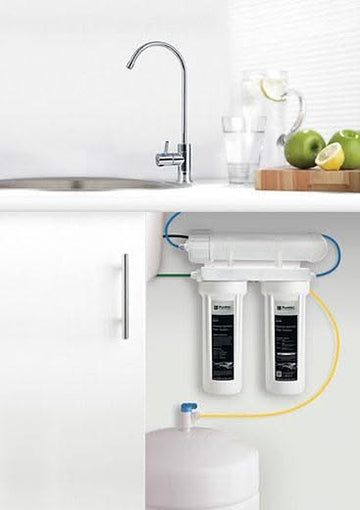
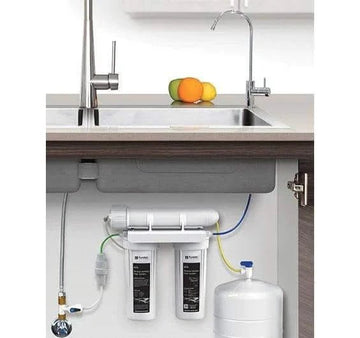
RO systems push water through a fine membrane that can reduce many dissolved contaminants. They are commonly installed under the kitchen sink and connected to a dedicated filtered water tap.
Best Suited To
Reverse osmosis may suit:
Homes with confirmed PFAS concerns
Households wanting high-level drinking water filtration
Customers wanting a dedicated filtered kitchen tap
Properties using private bores or non-standard water sources after testing
Families wanting filtered water for drinking and cooking
Customers comparing PFAS, fluoride, dissolved solids and other contaminant reduction
What It Does Well
Reverse osmosis can help reduce a broad range of contaminants when the system is correctly selected and maintained.
Potential benefits include:
Strong drinking water filtration
Useful for dissolved contaminants
Dedicated under-sink setup
Good option for targeted drinking water treatment
Can be paired with carbon pre-filtration
Can suit households wanting a premium drinking water system
Things to Consider
RO systems need maintenance. Filters and membranes must be replaced according to the manufacturer’s schedule.
Consider:
Under-sink space
Filter replacement cost
Membrane replacement schedule
Water pressure
Drain connection
Filtered water flow rate
Whether remineralisation is preferred
Whether the system is rated for PFAS reduction
JR Gas & Water can help compare water filters and under-sink drinking water options.
2. Activated Carbon Filtration for PFAS
Activated carbon is commonly used in drinking water filters because it can reduce chlorine taste, odour and some organic chemicals. Certain activated carbon filters can also reduce some PFAS when properly designed and maintained.
Carbon filtration may be used in under-sink filters, whole-home systems or as part of a multi-stage setup.
Best Suited To
Activated carbon may suit:
Homes wanting better-tasting drinking water
Town water households with taste and odour concerns
Customers wanting lower-complexity filtration
Some PFAS reduction applications where the filter is rated for it
Pre-filtration before reverse osmosis
Whole-home systems where appropriate
What It Does Well
Carbon filtration is practical and widely used.
Potential benefits include:
Improves taste and odour
Can reduce chlorine taste
Can reduce selected organic chemicals
May reduce PFAS when the cartridge is designed for that purpose
Useful in under-sink and whole-home setups
Often lower complexity than RO
Things to Consider
Not all carbon filters are equal. Cartridge type, contact time, flow rate, filter size and maintenance all affect performance.
A small basic filter may not perform the same as a properly rated PFAS reduction system.
Before choosing carbon filtration for PFAS, check:
PFAS reduction rating
Filter capacity
Flow rate
Replacement schedule
Water source
Whether the cartridge suits the target contaminant
Whether RO or ion exchange is more suitable
3. Ion Exchange Resin for PFAS
Ion exchange resin systems use charged resin media to attract and capture certain contaminants, including some PFAS depending on system design.
Ion exchange is often used in more specialised filtration applications and may be combined with other technologies.
Best Suited To
Ion exchange may suit:
Higher PFAS reduction needs
Specialist filtration setups
Private water supplies after testing
Commercial or larger household treatment designs
Multi-stage treatment systems
What It Does Well
Ion exchange can be useful when a targeted PFAS treatment approach is needed.
Potential benefits include:
Strong contaminant-targeting ability where correctly designed
Can be used with carbon or RO
Useful for higher-risk water sources
Can suit specialist treatment applications
Things to Consider
Ion exchange systems need correct design, media selection and maintenance. They are not usually the first basic filter option for a standard household unless water testing shows a clear need.
Does Boiling Water Remove PFAS?
No. Boiling water does not remove PFAS.
Boiling can kill many microorganisms, but PFAS are chemical contaminants. Heating water does not make PFAS disappear, and boiling may concentrate some non-volatile contaminants as water evaporates.
If PFAS is the concern, filtration or alternative water management is needed.
Do Basic Jug Filters Remove PFAS?
Some basic jug filters may improve taste, but you should not assume they remove PFAS unless the product is specifically tested and rated for PFAS reduction.
For PFAS concerns, look for a system with clear performance information, suitable cartridge capacity and proper maintenance instructions.
A cheap filter that improves taste is not the same as a PFAS-focused drinking water system.
Is Bottled Water PFAS-Free?
Bottled water should not automatically be assumed to be PFAS-free.
If you are using bottled water because of a confirmed PFAS concern, check the brand’s water source and quality information. For many households, a properly selected under-sink drinking water system may be more practical long term than relying on bottled water.
Should Brisbane and Gold Coast Homes Worry About PFAS?
Most households should avoid panic and focus on practical risk.
For treated town water, drinking water providers are responsible for monitoring and managing water quality. For private bores, wells, tanks or unregulated sources, owners have more responsibility to test and manage their own supply.
You may have stronger reason to investigate PFAS if:
You use bore water for drinking
You live near a known PFAS investigation area
Your property is near former firefighting training sites
Your water source is near industrial or landfill areas
You use untreated private water sources
You have been advised of local contamination
Your household wants extra drinking water protection
If you are unsure, water testing is the best starting point before choosing an advanced filtration system.
PFAS and Private Bores, Tanks and Acreage Homes
Acreage and rural properties can have more complex water setups than suburban mains water homes.
PFAS risk depends on the water source, nearby land use and whether the supply is treated or tested.
Private sources may include:
Bore water
Rainwater tanks
Creek or dam-fed systems
Mixed water supplies
Pump-fed systems
Untreated or partially treated water
For these properties, filtration should be selected based on testing and use. Drinking water may need a different treatment setup from garden water, laundry water or general household supply.
JR Gas & Water can help compare water filters and water pumps where filtration is part of a broader tank, pump or acreage water setup.
Whole-Home Filter or Under-Sink PFAS Filter?
The best option depends on what you want to protect.
Under-Sink Drinking Water Filter
An under-sink system is usually the most practical starting point for PFAS drinking water concerns.
It targets the water used for:
Drinking
Cooking
Tea and coffee
Baby bottles where appropriate
Food preparation
This is often more affordable and easier to maintain than filtering every tap in the home.
Whole-Home Filtration
A whole-home system filters water before it reaches taps, showers and appliances.
It may suit:
Homes with broader water quality concerns
Private water sources
Sediment or taste issues across the property
Acreage or pump-fed systems
Customers wanting filtration beyond the kitchen
However, whole-home PFAS reduction can be more complex and may require larger filters, specialist media and careful maintenance.
How to Choose the Right PFAS Water Filter
Before buying a filter, work through these questions.
1. What Is Your Water Source?
Is the home on town water, rainwater, bore water, tank water or a mixed supply?
Water source determines the treatment approach.
2. Has PFAS Been Confirmed?
If PFAS has been confirmed through local advice or water testing, choose a filter specifically designed for PFAS reduction.
If PFAS has not been confirmed but you are concerned, testing may help avoid overbuying the wrong system.
3. What Do You Want Filtered?
Do you want drinking water only, or water across the whole home?
For most households, drinking water filtration is the practical first step.
4. What Maintenance Will You Keep Up With?
PFAS filters need cartridge changes. If filters are not changed on time, performance can drop.
Check:
Filter life
Replacement cartridge cost
Membrane replacement schedule
Flow rate
PFAS reduction rating
Installation requirements
Service access
5. Is the System Properly Rated?
Look for specific contaminant reduction information. Avoid relying on vague claims like “pure water” or “removes toxins” without product data.
Reducing PFAS Exposure Beyond Drinking Water
Filtering drinking water is one step, but PFAS exposure can also come from other sources.
Practical household steps may include:
Avoiding unnecessary stain-resistant treatments
Choosing PFAS-free cookware where possible
Reducing use of grease-resistant food packaging
Checking waterproofing sprays and outdoor gear claims
Disposing of chemical products responsibly
Following local advice near known contamination areas
Using tested water sources for drinking and cooking
Keeping up with official water quality updates
The aim is to reduce avoidable exposure, not create unnecessary fear.
Local Brisbane, Gold Coast and SEQ Considerations
PFAS concerns in South East Queensland can vary by water source and location.
Common local considerations include:
Town water versus private bore water
Acreage homes using tanks or pumps
Properties near industrial or legacy firefighting areas
Gold Coast and Brisbane households wanting extra drinking water protection
Families wanting better-tasting filtered water
Homes with under-sink space limitations
Customers comparing RO, carbon and whole-home filtration
Properties needing plumbing support for filter installation
The right filtration setup should match the property’s water source and the household’s concerns.
What JR Gas & Water Can Help With
JR Gas & Water can help customers compare water filtration options across Brisbane, the Gold Coast and nearby South East Queensland areas.
Relevant support includes:
Water filters for under-sink, whole-home and drinking water filtration options
Book a Brisbane plumber for plumbing support and installation advice
Service work pricing for common service and plumbing jobs
Request a quote if you need help choosing a suitable filtration setup
Water pumps for tank, acreage and pump-fed water systems
Hot water repairs and servicing if water quality, pressure or filtration is part of a broader plumbing issue
FAQs About PFAS in Drinking Water
What are PFAS?
PFAS are a group of manufactured chemicals used in products that resist heat, water, oil and stains. They are often called forever chemicals because many do not break down easily in the environment.
Why are PFAS a concern in drinking water?
PFAS can persist in water sources and may contribute to long-term exposure. Health concerns depend on the specific PFAS, exposure level and duration. Drinking water is one possible exposure pathway.
Does boiling water remove PFAS?
No. Boiling water does not remove PFAS. PFAS are chemical contaminants, so filtration or alternative water management is needed if PFAS reduction is the goal.
What is the best filter for PFAS?
Reverse osmosis is often one of the strongest point-of-use options for PFAS reduction. Activated carbon and ion exchange resin can also reduce PFAS when the system is properly designed, rated and maintained.
Do carbon filters remove PFAS?
Some activated carbon filters can reduce PFAS, but not all carbon filters are equal. Check whether the cartridge is specifically rated for PFAS reduction and follow the replacement schedule.
Do I need a whole-home PFAS filter?
Not always. If the main concern is drinking water, an under-sink system may be the most practical starting point. Whole-home PFAS filtration may be considered for broader water quality concerns or private water sources after testing.
Should I test my water for PFAS?
Testing is a good idea if you use private bore water, live near a known contamination area, or have been advised of possible PFAS risk. For town water, check local water provider information and official updates.
Can JR Gas & Water help with PFAS filtration?
Yes. JR Gas & Water can help compare suitable water filtration options, check installation requirements and recommend practical pathways based on your water source and filtration goals.
Final Thoughts
PFAS are persistent chemicals that can be difficult to remove once they enter water sources. The right response is to understand your water source, check whether there is a known risk, and choose a filtration system that is specifically suited to PFAS reduction if needed.
For most households, an under-sink drinking water system such as reverse osmosis or a properly rated carbon system is the most practical place to start. For acreage, tank, bore or pump-fed properties, filtration may need a more tailored approach.
Need help choosing a PFAS water filter?
JR Gas & Water can help compare suitable water filters, provide plumbing support through the Brisbane plumber service, or review water source details through the quote request page.