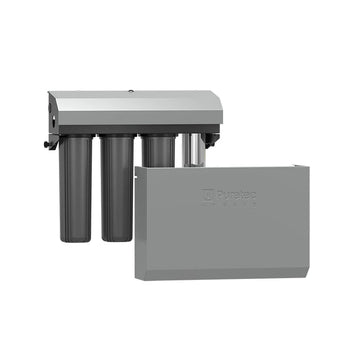


How Water Filter Systems Work: Components, Benefits and Purification Methods
A water filter system improves the quality of water entering your home, kitchen or drinking water tap by reducing unwanted sediment, chlorine taste, odour, chemicals, scale-forming minerals, bacteria or other contaminants, depending on the system selected.
The right water filter depends on your water source and what you want to improve. A Brisbane home on town water may mainly want better taste and chlorine reduction. A Gold Coast home may want whole-house filtration for showers, appliances and drinking water. An acreage property using rainwater or tank water may need sediment filtration, UV treatment and a different setup entirely.
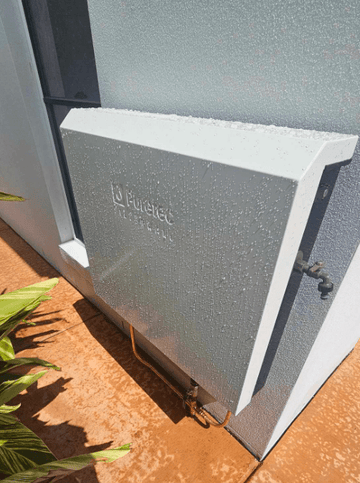
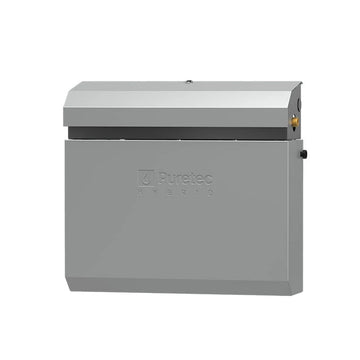
JR Gas & Water can help compare water filters, whole-house water filtration systems, Puretec water filters, water filter installation Brisbane and Puretec FilterWall systems based on your home, not just the filter brand.
Quick answer
A water filter system works by passing water through one or more filtration stages. Each stage targets different water quality issues. Sediment filters catch dirt, rust and particles. Carbon filters reduce chlorine, taste and odour. Reverse osmosis systems use a fine membrane for high-level drinking water filtration. UV systems use ultraviolet light to treat bacteria and microorganisms in suitable water supplies.
The best system depends on whether you need kitchen drinking water filtration, whole-house mains water filtration, rainwater treatment, reverse osmosis, UV protection or a premium point-of-entry system.
What is a water filter system?
A water filter system is a device or group of devices that removes, reduces or treats unwanted material in the water before it reaches a tap, appliance or the whole home.
Water filter systems can be installed:
-
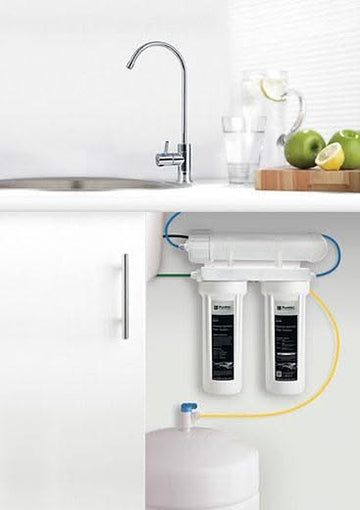
Under the kitchen sink
-
At the main water line entering the home
-
On rainwater or tank water supplies
-
On fridge water points
-
On benchtops
-
As part of a 3-way kitchen mixer setup
-
As a reverse osmosis drinking water system
-
As a UV-treated whole-house system
Not all filters do the same job. A simple carbon filter is very different from a reverse osmosis system or a UV rainwater treatment system.
Main water filter components
1. Sediment pre-filter
A sediment pre-filter is usually the first stage in many filtration systems.
It catches larger particles such as:
-
Sand
-
Dirt
-
Rust
-
Silt
-
Grit
-
Pipe scale
-
Fine debris
Why it matters
Sediment can affect water clarity, block cartridges, reduce flow and protect downstream filters from clogging too quickly. In whole-house systems, sediment filtration can also help protect taps, valves, appliances, hot water systems and fixtures from visible particles.
Sediment filters are especially useful for older pipework, tank water, rural supplies and homes where water carries visible particles.
2. Fine sediment filter
Some systems include a second, finer sediment stage. This catches smaller particles that pass through the first filter.
A finer sediment filter can help improve:
-
Water clarity
-
Cartridge life
-
Protection for carbon filters
-
Protection for reverse osmosis membranes
-
Performance of UV systems
For UV systems, pre-filtration is especially important because water needs to be clear enough for UV light to work effectively.
3. Activated carbon filter
Activated carbon is one of the most common filtration materials used in home water filters.
Carbon filters can help reduce:
-
Chlorine taste
-
Chlorine smell
-
Bad odours
-
Some chemicals
-
Some volatile organic compounds
-
Unpleasant taste from mains water
Carbon filters are popular for kitchen drinking water because they can make water taste and smell better.
Carbon block vs granular carbon
| Carbon type | How it works | Common use |
|---|---|---|
| Granular activated carbon | Water passes through loose carbon granules | Taste and odour reduction |
| Carbon block | Water passes through compressed carbon media | Finer filtration and stronger contact time |
Carbon filters need to be replaced on schedule. Once exhausted, they may stop performing properly and can reduce flow.
4. Reverse osmosis membrane
Reverse osmosis, often called RO, is a higher-level drinking water filtration method. It pushes water through a very fine membrane to reduce many dissolved substances.
Reverse osmosis may be used to reduce:
-
Dissolved salts
-
Fluoride
-
Some heavy metals
-
PFAS-related contaminants
-
Nitrates
-
Fine particles
-
Some microorganisms
-
Total dissolved solids
Best suited to
-
Kitchen drinking water
-
Cooking water
-
Homes wanting high-purity drinking water
-
Customers concerned about dissolved contaminants
-
Properties wanting a dedicated filtered drinking tap
Things to consider
Reverse osmosis is usually for drinking water, not whole-house filtration. It often needs a storage tank, dedicated tap, drain connection and regular membrane and cartridge servicing.
JR Gas & Water can help compare reverse osmosis options as part of a broader water filter installation.
5. Post-filter or polishing filter
A post-filter is commonly used after reverse osmosis or multi-stage filtration.
Its job is to refine the final taste before the water reaches the tap.
A polishing filter may help improve:
-
Taste
-
Odour
-
Final clarity
-
Drinking water freshness
This final stage is especially useful in drinking water systems that store filtered water in a small pressure tank.
6. UV sterilisation system
A UV system uses ultraviolet light to treat water as it passes through a chamber. UV does not filter sediment or chemicals. Instead, it targets bacteria and microorganisms in suitable water supplies.
Best suited to
-
Rainwater systems
-
Tank water
-
Rural water supplies
-
Homes where bacteria risk needs to be managed
-
Whole-house water treatment where the water source is not standard town water
Important note
UV systems need the right pre-filtration, power supply, lamp replacement and servicing. If the water is cloudy, dirty or high in sediment, UV treatment may not work properly.
UV does not replace sediment or carbon filtration. It is usually part of a complete treatment setup.
7. Storage tank for reverse osmosis systems
Some reverse osmosis systems include a pressurised storage tank.
Because RO filtration can be slower than standard carbon filtration, the tank stores filtered water ready for use.
Why it matters
A storage tank helps provide filtered drinking water on demand instead of making the user wait for the membrane to produce water in real time.
The tank should be checked as part of system servicing.
8. Valves, fittings and pressure controls
Water filter systems use valves, fittings and pressure controls to manage flow and protect the system.
These may include:
-
Isolation valves
-
Pressure limiting valves
-
Non-return valves
-
Flow restrictors
-
Bypass valves
-
Pressure gauges
-
Drain connections
-
Filter housings
-
O-rings and seals
Whole-house systems should be installed so cartridges can be serviced without creating unnecessary disruption. A good setup should allow safe isolation, cartridge replacement and leak checking.
9. Filter housings
Filter housings hold the cartridges in place. They may be clear, opaque, stainless steel, wall-mounted or enclosed in a premium cabinet-style system.
For whole-house filters, housing quality matters because the system handles all incoming water pressure.
Filter housings should be installed with enough clearance for future cartridge replacement.
10. Dedicated filtered tap or 3-way mixer
Some under-sink systems use a separate filtered water tap. Others connect to a 3-way kitchen mixer, which delivers hot, cold and filtered water through one tap body.
JR Gas & Water can help compare 3-way kitchen mixers and boiling, sparkling, chilled and filtered water taps for kitchen upgrades.
How water filtration works
Mechanical filtration
Mechanical filtration physically catches particles as water passes through filter media.
It can reduce:
-
Dirt
-
Rust
-
Sand
-
Silt
-
Sediment
-
Fine particles
Mechanical filtration is usually the first step in a water filter system.
Adsorption through carbon
Carbon filtration works by adsorption, where contaminants attach to the surface of activated carbon.
Carbon filtration is commonly used to reduce:
-
Chlorine
-
Taste
-
Odour
-
Some chemicals
-
Some organic compounds
This is one of the most common methods used in drinking water filters and whole-house mains water systems.
Reverse osmosis
Reverse osmosis pushes water through a fine membrane to reduce dissolved substances and very small contaminants.
It is commonly used where the customer wants higher-purity drinking water rather than general whole-house filtration.
UV treatment
UV treatment uses ultraviolet light to treat microorganisms in suitable water supplies.
UV is especially relevant for rainwater and tank water, but it must be paired with good pre-filtration and regular servicing.
Multi-stage filtration
Many better systems combine more than one filtration method.
For example:
-
Sediment filter plus carbon filter for mains water
-
Sediment filter plus carbon plus UV for tank water
-
Sediment plus carbon plus RO plus post-filter for drinking water
-
Whole-house filtration plus under-sink RO for stronger drinking water filtration
The right combination depends on the water source and the goal.
Types of water filter systems
Whole-house water filter systems
A whole-house water filter is installed at the point where water enters the home. It filters water before it reaches taps, showers, toilets, appliances, hot water systems and the kitchen.
Best suited to
-
Families wanting filtered water throughout the home
-
Mains water homes with chlorine taste and odour concerns
-
Homes with sediment issues
-
Properties wanting appliance and fixture protection
-
Customers wanting better shower and bath water
-
Premium renovations and new builds
Things to consider
Whole-house filters need proper pipe sizing, pressure consideration, service access and regular cartridge replacement. The system must be matched to the home’s flow demand.
JR Gas & Water supplies and installs whole-house water filtration systems across Brisbane, Gold Coast and nearby SEQ areas.
Under-sink drinking water filters
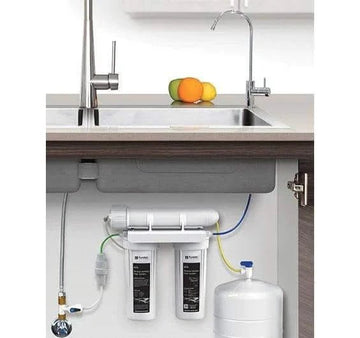
An under-sink filter is installed below the kitchen sink and usually filters water for one tap.
Best suited to
-
Drinking water
-
Cooking water
-
Coffee and tea
-
Kitchen upgrades
-
Customers wanting a lower-cost starting point
-
Homes that do not need whole-house filtration
Things to consider
Under-sink filters only treat water at that tap. They do not filter showers, bathrooms, laundry taps or appliances elsewhere in the home.
Reverse osmosis drinking water systems
Reverse osmosis systems are usually installed under the sink with a dedicated tap and storage tank.
Best suited to
-
High-purity drinking water
-
Customers concerned about fluoride, PFAS or dissolved solids
-
Drinking and cooking water
-
Homes wanting a stronger filtration stage than carbon alone
Things to consider
RO systems need regular maintenance, membrane replacement and enough space under the sink. They may also require a drain connection and storage tank.
UV rainwater filtration systems
UV systems are often used for homes relying on rainwater or tank water.
Best suited to
-
Tank water homes
-
Rural properties
-
Acreage homes
-
Rainwater used inside the home
-
Homes needing bacteria management
Things to consider
UV requires power, clear water, pre-filtration and scheduled lamp replacement. It should be treated as part of a full treatment system, not a standalone fix for poor water quality.
Countertop water filters
Countertop filters can be useful for renters or homes where plumbing changes are not preferred.
Best suited to
-
Renters
-
Temporary setups
-
Small households
-
Basic drinking water improvement
-
Homes that cannot install under-sink systems
Things to consider
They can take up bench space and usually do not offer the same neat finish as under-sink systems.
Portable and gravity water filters
Portable and gravity filters are useful for camping, emergency use or off-grid settings.
Best suited to
-
Camping
-
Travel
-
Emergency kits
-
Temporary water filtering
-
Off-grid use
Things to consider
They are not usually a replacement for a properly installed home filtration system.
Whole-house filter vs under-sink filter
| Filter type | Best suited to | Main advantage |
|---|---|---|
| Whole-house filter | Filtering water throughout the home | Treats showers, taps, appliances and general water supply |
| Under-sink filter | Kitchen drinking and cooking water | Lower-cost focused drinking water solution |
| Reverse osmosis | High-purity drinking water | Stronger filtration for dissolved substances |
| UV system | Rainwater and tank water | Treats bacteria in suitable water supplies |
Many homes use more than one system. For example, a whole-house filter for general water quality and an under-sink RO system for drinking water.
Water filters for town water
Town water is already treated, but many homeowners still want filtration for taste, odour, chlorine, sediment and general comfort.
Common goals for town water include:
-
Reducing chlorine taste
-
Reducing chlorine smell
-
Improving drinking water taste
-
Reducing sediment from older pipes
-
Protecting tapware and appliances
-
Improving shower water feel
-
Filtering water before hot water systems and fixtures
For town water homes, common options include under-sink carbon filters, whole-house carbon systems, FilterWall systems and reverse osmosis for drinking water.
Water filters for rainwater and tank water
Rainwater and tank water need a different approach. The issue is not just taste. It can involve sediment, organic matter, bacteria and tank condition.
A rainwater setup may need:
-
First-flush diversion
-
Tank maintenance
-
Sediment filtration
-
Carbon filtration
-
UV treatment
-
Pump protection
-
Regular servicing
-
Water testing depending on use
For homes using tank water for drinking, a proper treatment plan is important.
Water filters for bore or rural water
Bore and rural water can vary widely depending on the source.
Issues may include:
-
Sediment
-
Iron
-
Manganese
-
Hardness
-
Odour
-
Staining
-
Salinity
-
Bacteria
-
Variable water chemistry
A standard under-sink carbon filter may not be enough. Water testing may be needed before choosing the right system.
Benefits of water filter systems
Better-tasting drinking water
Carbon drinking water filters can reduce chlorine taste and odour, making water more pleasant for drinking, cooking, coffee and tea.
Reduced sediment
Sediment filters can reduce visible particles that may come from older pipework, tanks or incoming supply.
Whole-house comfort
Whole-house filtration can improve water at showers, baths, laundry taps and appliances, not just the kitchen.
Appliance and fixture protection
Reducing sediment can help protect tapware, valves, washing machines, dishwashers, hot water systems and other fixtures from particle build-up.
Less reliance on bottled water
A good drinking water filter can reduce the need for bottled water, which can save money and reduce plastic waste over time.
Better rainwater treatment
For homes on rainwater, filtration and UV treatment can help manage sediment and bacteria risk when designed and maintained properly.
Limitations of water filters
Water filters are useful, but they are not magic.
Important limitations include:
-
Not every filter removes every contaminant
-
Cartridges must be replaced on time
-
Poorly selected filters can reduce water pressure
-
Whole-house filters need enough flow capacity
-
UV systems need clear water and lamp replacement
-
RO systems need membrane servicing
-
Tank water may need a full treatment setup
-
Some water problems require testing first
-
Filters do not fix plumbing pipe issues by themselves
The right filter needs to match the water source and the concern.
Common water filter problems
Reduced water pressure
Possible causes include:
-
Clogged cartridges
-
Undersized filter
-
High sediment load
-
Blocked pre-filter
-
Incorrect installation
-
Existing plumbing pressure issue
Replacing cartridges on time is one of the simplest ways to maintain flow.
Bad taste returning
Possible causes include:
-
Carbon cartridge exhausted
-
Filter overdue for replacement
-
Wrong filter type
-
Contamination after the filter
-
Issue with the water source
If the taste returns quickly after replacement, the system may not be suited to the water issue.
Leaks under the sink
Possible causes include:
-
Loose fitting
-
Failed O-ring
-
Cracked housing
-
Poor installation
-
Cartridge not seated correctly
-
High pressure
Turn off the isolation valve if safe and book help if the leak continues.
UV system warning or lamp failure
Possible causes include:
-
Lamp expired
-
Power issue
-
Faulty ballast
-
Dirty sleeve
-
Poor water clarity
-
System overdue for service
UV systems need regular maintenance to work properly.
RO system slow flow
Possible causes include:
-
Low pressure
-
Full or faulty storage tank issue
-
Blocked pre-filter
-
Exhausted membrane
-
Flow restrictor issue
-
System needs servicing
Water filter maintenance
Water filter maintenance depends on the system type, water quality and household usage.
Typical maintenance may include:
-
Replacing sediment cartridges
-
Replacing carbon cartridges
-
Replacing RO membranes
-
Replacing UV lamps
-
Cleaning or replacing UV sleeves
-
Checking O-rings
-
Inspecting for leaks
-
Checking pressure
-
Sanitising parts of the system where required
-
Recording service dates
-
Checking cartridge compatibility
Do not leave cartridges in far beyond their service life. Old filters can reduce flow and stop performing as intended.
How often should filters be replaced?
Replacement frequency depends on the system and water quality, but common intervals include:
| Component | Common service interval |
|---|---|
| Sediment cartridge | Often 6–12 months |
| Carbon cartridge | Often 6–12 months |
| RO membrane | Often 2–3 years |
| UV lamp | Often yearly |
| Post-filter | Often 6–12 months |
| Whole-house cartridges | Depends on system, usage and water quality |
Always follow the cartridge and system instructions for the specific model.
Brisbane and Gold Coast installation considerations
Water filter installation can vary across South East Queensland homes.
Common local considerations include:
-
Town water chlorine taste and odour
-
Older Brisbane pipework and sediment
-
Gold Coast coastal exposure for outdoor systems
-
Townhouses and body corporate access
-
Under-sink cabinet space
-
Fridge water point requirements
-
Rainwater tanks on acreage properties
-
Pumped water supplies
-
Whole-house filter placement
-
Pressure limiting requirements
-
Service access for cartridge replacement
-
Compatibility with hot water systems and appliances
A filter should be installed where it can be maintained easily. A system hidden in a tight or awkward location is more likely to be neglected.
What to check before choosing a water filter
Before choosing a water filter system, check:
-
Is the home on town water, tank water, bore water or mixed supply?
-
Do you want drinking water only or whole-house filtration?
-
Is the concern taste, chlorine, sediment, bacteria, PFAS, fluoride or scale?
-
How many people live in the home?
-
How many bathrooms and fixtures are used?
-
Is there space under the sink?
-
Is there space near the main water line?
-
Is water pressure already low?
-
Is there easy access for cartridge changes?
-
Do you need a dedicated tap or 3-way mixer?
-
Is UV treatment required?
-
Is reverse osmosis required?
Photos of the installation area, existing pipework and under-sink space can help narrow down the right system.
What JR Gas & Water can help with
JR Gas & Water can help with:
-
Water filter selection
-
Under-sink water filter installation
-
Whole-house water filtration
-
Puretec water filter systems
-
Puretec FilterWall installation
-
Reverse osmosis drinking water systems
-
UV filtration for rainwater and tank water
-
Filter cartridge replacement
-
Kitchen mixer and filtered tap upgrades
-
Water filter advice from photos
-
Brisbane, Gold Coast and nearby SEQ installation support
Related JR Gas & Water services
FAQs
How does a water filter system work?
A water filter system works by passing water through one or more filtration stages. Sediment filters catch particles, carbon filters reduce chlorine taste and odour, reverse osmosis membranes reduce dissolved substances, and UV systems treat bacteria in suitable water supplies.
What is the best type of water filter for home use?
The best type depends on your water source and goal. For drinking water, an under-sink carbon filter or reverse osmosis system may suit. For every tap in the home, a whole-house filter may be better. For rainwater, UV treatment may be needed.
Does a water filter remove chlorine?
Many carbon filters are designed to reduce chlorine taste and odour. This is one of the most common reasons homeowners install kitchen or whole-house water filtration.
Does a water filter remove bacteria?
Not all filters remove or treat bacteria. UV systems and some reverse osmosis systems are more relevant for bacteria management, depending on the water quality and system design.
Is reverse osmosis better than a normal water filter?
Reverse osmosis is stronger for many dissolved substances, but it is usually used for drinking water only. A normal carbon filter may be enough if the main concern is chlorine taste and odour.
Do I need a whole-house water filter?
You may want a whole-house filter if you want filtered water at every tap, shower and appliance. If you only care about drinking water, an under-sink filter may be enough.
How often should water filters be changed?
Many sediment and carbon cartridges are replaced every 6–12 months, while RO membranes and UV components may have different service intervals. The exact timing depends on the system, water quality and household usage.
Can I install a water filter myself?
Some small filters may appear simple, but any connection to household plumbing should be installed correctly to avoid leaks, pressure issues or contamination. Whole-house systems should be installed by a licensed plumber.
Need help choosing the right water filter system?
If your water tastes like chlorine, your taps collect sediment, your rainwater system needs treatment, or you want filtered water throughout the home, JR Gas & Water can help compare suitable options.
Browse water filters, compare whole-house water filtration systems, or look at Puretec FilterWall systems if you want a premium point-of-entry setup.