How Heat Pump Hot Water Systems Work: Components, Benefits and Smart Features
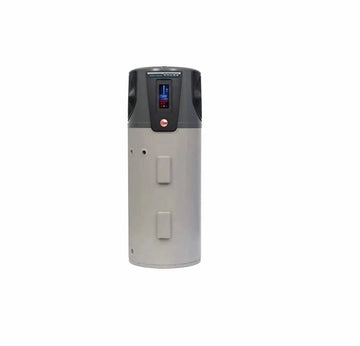
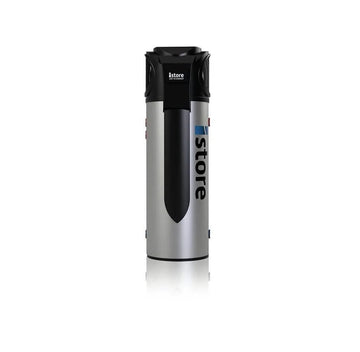
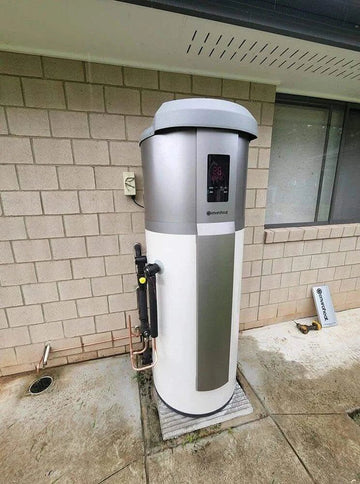
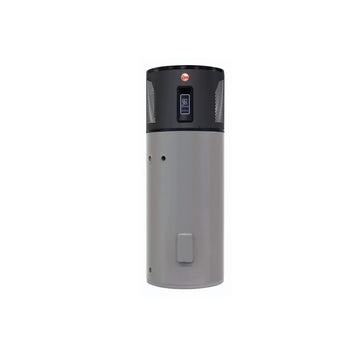
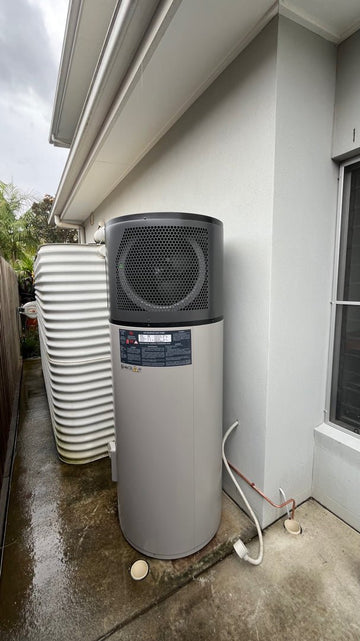
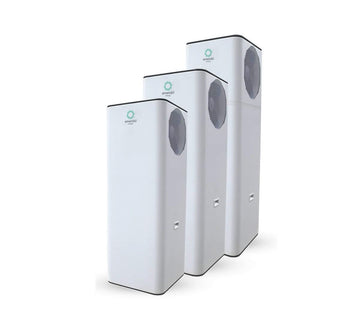
Heat pump hot water systems are one of the most efficient electric hot water options for Australian homes. Instead of using a standard electric element as the main heat source, a heat pump draws heat from the surrounding air and transfers it into water stored inside a tank.
For Brisbane, the Gold Coast and South East Queensland, heat pumps can be a strong replacement for older electric storage systems because the warmer climate generally suits heat pump operation. They can also work well for homes with rooftop solar, where the system can often be timed to heat water during the day when solar generation is strongest.
A heat pump is not the right fit for every property. The best result depends on system size, outdoor airflow, drainage, noise placement, household hot water use, electrical setup and installation quality.
JR Gas & Water can help compare heat pump hot water systems, budget heat pump systems, quiet heat pump systems, large family heat pumps, plug-in replacement heat pumps and electric hot water systems based on your home, not just the product label.
Quick answer
A heat pump hot water system works like a reverse fridge. It pulls heat from the surrounding air, compresses that heat to a higher temperature, then transfers it into water stored in a tank.
The main parts include the fan, evaporator coil, refrigerant, compressor, condenser or heat exchanger, expansion valve, storage tank, thermostat, electronic controller and sometimes a backup electric element. When selected and installed correctly, a heat pump can use less electricity than a standard electric storage hot water system.
What is a heat pump hot water system?
A heat pump hot water system is an electric hot water system that uses heat from the air to warm water. It still uses electricity, but it uses that electricity to run a refrigeration cycle rather than relying only on direct electric resistance heating.
Heat pumps are commonly used for:
-
Replacing older electric storage hot water systems
-
Homes with rooftop solar
-
Families wanting a more efficient electric hot water option
-
Homes without natural gas
-
Properties where solar hot water roof collectors are not practical
-
Customers wanting to reduce reliance on standard electric storage
-
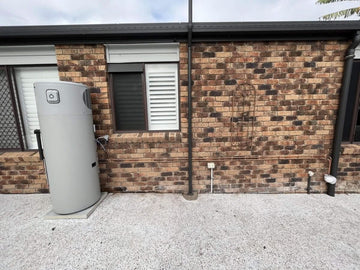
Brisbane and Gold Coast homes with suitable outdoor installation space
Most domestic heat pump systems include a storage tank, so they still need to be sized correctly for the household.
How a heat pump hot water system works step by step
Step 1: A fan draws in surrounding air
The heat pump uses a fan to pull outdoor air across an evaporator coil. Even when the air does not feel hot, it still contains heat energy that the system can use.
This is why airflow around the unit matters. A heat pump needs enough open air to work efficiently.
Step 2: Refrigerant absorbs heat from the air
Inside the evaporator coil, refrigerant absorbs heat from the air and changes state. This is part of the same basic refrigeration process used in air conditioners and fridges, but the heat is used to warm water instead of being rejected as waste.
Step 3: The compressor increases the temperature
The compressor pressurises the refrigerant, raising its temperature. This creates hot refrigerant vapour that can transfer heat into the water system.
The compressor is one of the main working parts of the heat pump, so good installation, airflow and correct operation help protect long-term performance.
Step 4: Heat transfers into the water
The hot refrigerant passes through a condenser or heat exchanger. Heat moves from the refrigerant into the stored water.
The refrigerant then cools down and continues through the cycle.
Step 5: The expansion valve controls refrigerant flow
The expansion valve regulates the refrigerant as it moves back toward the evaporator side of the system. This helps maintain the correct pressure and temperature balance for the heat pump cycle.
Step 6: Hot water is stored in the tank
The heated water is stored in an insulated tank until it is needed. When someone uses hot water, cold water enters the tank and the heat pump heats again when required.
Key components of a heat pump hot water system
1. Fan
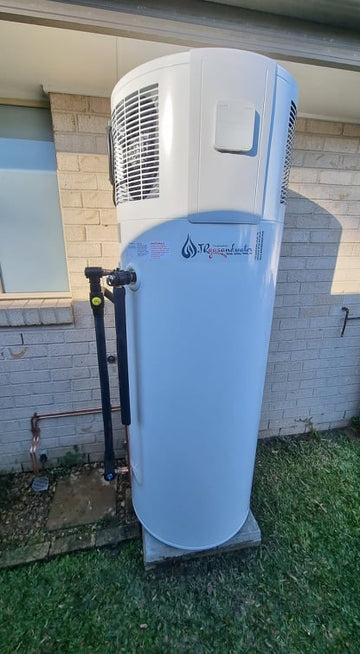
The fan draws air into the heat pump unit and across the evaporator coil.
A fan needs clear airflow. If the system is installed in a tight, enclosed or poorly ventilated space, performance can suffer.
Poor airflow can lead to:
-
Slower recovery
-
Higher energy use
-
More strain on the system
-
Noise issues
-
Fault codes
-
Reduced system efficiency
2. Evaporator coil
The evaporator coil is where the refrigerant absorbs heat from the surrounding air.
The coil needs good airflow and should not be blocked by walls, fences, storage items, plants or debris. If the coil becomes dirty or restricted, the system may not perform as well.
3. Refrigerant
Refrigerant is the working fluid that moves heat through the system. It absorbs heat from the air, carries it through the compressor, then releases it into the water through the heat exchanger.
Different heat pumps use different refrigerants. Some premium systems use lower-impact refrigerants, while budget systems may use more common refrigerant types.
The refrigerant circuit should only be worked on by licensed and qualified technicians.
4. Compressor
The compressor raises the pressure and temperature of the refrigerant.
This is one of the most important parts of the system. If the compressor fails, the heat pump may stop heating properly or rely heavily on backup heating if fitted.
Good system selection and correct installation help reduce unnecessary compressor stress.
5. Condenser or heat exchanger
The condenser or heat exchanger transfers heat from the refrigerant into the stored water.
Depending on the system design, the heat exchanger may be wrapped around the tank, integrated into the tank, or part of a separate heat transfer arrangement.
The goal is the same: move heat from the refrigerant into the water efficiently.
6. Expansion valve
The expansion valve controls refrigerant flow and pressure through the system.
It helps the refrigerant cycle operate efficiently and prevents the compressor from working outside its intended conditions.
7. Storage tank
The storage tank holds heated water until the household needs it.
Heat pump tank sizes vary, but common residential options include:
| Tank size | Common use |
|---|---|
| 150L–220L | Smaller homes, couples or low-use households |
| 250L–280L | Many standard family homes |
| 300L–340L | Larger households or higher demand |
| 400L+ | High-use homes or specialist applications |
The right size depends on household use, not just the number of people in the home.
A family of four with short showers may suit a different system from a family of four with teenagers, multiple bathrooms and heavy evening hot water demand.
8. Insulation
The tank is insulated to help keep the stored water hot.
Good insulation reduces heat loss, helping the system avoid unnecessary reheating. This matters because a heat pump still stores hot water, even though it heats more efficiently than standard electric storage in many situations.
9. Thermostat and sensors
Thermostats and sensors monitor water temperature and system operation.
They help the controller decide when to heat, when to stop heating, when to run defrost mode on suitable systems and when to show an error code.
Faulty sensors can lead to poor performance, incorrect temperatures or system faults.
10. Electronic controller
The controller is the brain of the heat pump.
Depending on the model, it may manage:
-
Water temperature
-
Heating cycles
-
Boost operation
-
Defrost operation
-
Error codes
-
Timer settings
-
Economy mode
-
Holiday mode
-
Solar-friendly operation
-
WiFi or app control
Not every heat pump has the same controls. Some are simple. Others include smart scheduling and app-based monitoring.
11. Backup electric element
Some heat pumps include a backup electric element.
The backup element may assist when:
-
Hot water demand is unusually high
-
The tank needs faster recovery
-
Outdoor conditions are outside the ideal operating range
-
The heat pump has a fault
-
A boost mode is selected
-
The system needs support during peak demand
A backup element can be useful, but if it runs too often, the system may lose some of its efficiency advantage.
12. Valves and plumbing connections
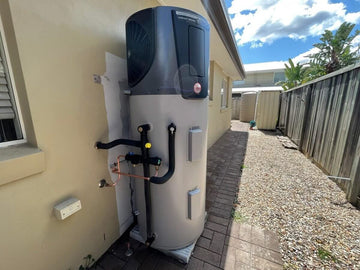
Heat pump hot water systems include plumbing valves and connections to manage pressure, temperature and safety.
These may include:
-
Isolation valves
-
Non-return valves
-
Pressure limiting valves
-
Temperature and pressure relief valves
-
Tempering valves
-
Drain lines
-
Condensate drainage
-
Cold water inlet
-
Hot water outlet
Do not cap, block, modify or remove safety valves. If a valve is leaking heavily or constantly, book a licensed plumber.
Why heat pumps are efficient
A standard electric hot water system uses electricity to directly heat an element. A heat pump uses electricity to move heat from the air into the water.
That is why heat pumps can use less electricity than traditional electric storage systems when installed correctly.
Efficiency depends on:
-
Outdoor air temperature
-
Airflow
-
Tank size
-
Household hot water use
-
System settings
-
Heat pump quality
-
Backup element use
-
Tariff setup
-
Solar PV timing
-
Installation location
A heat pump installed in a poor location may not perform as well as expected. The site matters just as much as the system.
Heat pump vs standard electric storage
| Feature | Heat pump hot water | Electric storage hot water |
|---|---|---|
| Main heating method | Uses heat from surrounding air | Uses electric element directly |
| Electricity use | Usually lower when suitable | Usually higher |
| Upfront cost | Usually higher | Usually lower |
| Installation needs | Airflow, drainage and clearances | Often simpler replacement |
| Noise | Fan and compressor noise | Generally quiet |
| Best suited to | Long-term efficient electric upgrade | Simple like-for-like replacement |
If the lowest upfront cost is the main priority, electric hot water systems may still be worth comparing. If the goal is reducing electricity use over time, a heat pump is usually the stronger category.
Heat pump vs solar hot water
| Feature | Heat pump hot water | Solar hot water |
|---|---|---|
| Main energy source | Heat from surrounding air | Heat from roof-mounted collectors |
| Roof panels | Not required | Required |
| Best suited to | Homes with suitable outdoor unit location | Homes with good roof space and sun exposure |
| Solar PV compatibility | Often good with timer control | May compete for roof space |
| Main concern | Noise, airflow and drainage | Shading, roof access and collector orientation |
If the roof is shaded, full of solar PV panels or difficult to access, a heat pump may be more practical than solar hot water systems.
Heat pump vs instant gas hot water
| Feature | Heat pump hot water | Instant gas hot water |
|---|---|---|
| Energy source | Electricity | Natural gas or LPG |
| System type | Storage tank with heat pump recovery | Continuous flow on demand |
| Space required | Tank location required | Compact wall-mounted unit |
| Best suited to | Efficient electric replacement | Homes with suitable gas supply |
| Key consideration | Airflow, drainage and noise | Gas pipe sizing and gas supply |
If your home already has suitable natural gas or LPG, instant gas hot water systems may still make sense. If you want an efficient electric option or have rooftop solar, a heat pump may be better to compare.
Smart features in modern heat pump hot water systems
Modern heat pumps can include smart features that help manage performance, convenience and energy use.
Timer control
Timer control lets the system heat water during preferred times of day.
This can be useful for:
-
Solar PV homes
-
Avoiding peak tariffs
-
Matching hot water recovery to household use
-
Reducing unnecessary heating overnight
-
Helping manage noise timing in some locations
WiFi or app control
Some systems include WiFi or app control, allowing homeowners to monitor or adjust settings from a phone.
Depending on the model, app control may include:
-
Temperature settings
-
Boost mode
-
Error alerts
-
Operating mode changes
-
Energy monitoring
-
Timer schedules
WiFi is useful, but it should not be the only reason to choose a heat pump. Tank size, reliability, noise and installation suitability matter more.
Solar PV-friendly operation
Many homeowners use heat pumps with rooftop solar by running the system during daylight hours.
This can work well when:
-
The home has enough solar generation
-
The heat pump has timer control
-
The tank is large enough for evening use
-
Hot water demand is predictable
-
The system is not relying too heavily on the backup element
Some heat pumps offer more advanced solar integration than others, but even basic timer settings can help in the right home.
Boost mode
Boost mode uses extra heating support when the household needs more hot water than usual.
This may help during:
-
Guests staying
-
Back-to-back showers
-
Heavy laundry use
-
Cooler weather
-
Recovery after high demand
Boost mode is useful, but frequent boosting can increase energy use.
Holiday mode
Holiday mode can reduce unnecessary heating while the home is empty.
This can be helpful when travelling, but the system should be returned to normal operation before regular hot water use resumes.
Error codes and diagnostics
Modern heat pumps may show error codes when something is wrong.
Error codes can help identify:
-
Sensor faults
-
Compressor issues
-
Fan problems
-
Defrost issues
-
Water temperature faults
-
Electrical or control faults
Record the code and share it with the installer or service technician. Do not open the unit or try to repair internal components yourself.
Defrost mode
Some heat pumps include defrost control for cooler conditions. If frost forms on the evaporator, the system may run a defrost cycle to protect performance.
In Brisbane and the Gold Coast, extreme cold is less common than in southern states, but hinterland areas and cooler mornings can still make defrost capability useful on some models.
Benefits of heat pump hot water systems
Lower electricity use than standard electric storage
When selected and installed correctly, heat pumps can use less electricity than traditional electric resistance storage systems.
This can be especially useful for homes replacing an older electric tank.
Good match for rooftop solar
Heat pumps can often be timed to run during the day when solar PV is producing power.
This makes them a strong option for homes that want to use more of their own solar energy for hot water.
No gas supply required
A heat pump can suit homes without natural gas or properties wanting to move away from gas hot water.
No roof collectors required
Unlike solar hot water, a heat pump does not need roof-mounted collectors. This can be useful where the roof is shaded, difficult to access or already full of solar panels.
Suitable for many Brisbane and Gold Coast homes
South East Queensland’s warmer climate generally suits heat pump operation well, provided the unit has enough airflow and a suitable installation location.
Limitations of heat pump hot water systems
Heat pumps are not perfect for every home.
Potential limitations include:
-
Higher upfront cost than standard electric storage
-
Fan and compressor noise
-
Requires suitable outdoor airflow
-
Needs drainage for condensate and valve discharge
-
May need a proper base or slab
-
Can perform poorly in enclosed spaces
-
Requires correct sizing
-
Some budget models may have weaker support or recovery
-
Not always ideal for apartments or tight body corporate sites
-
Backup element use can increase energy consumption
The best system depends on the home, not just the energy-saving claim.
Choosing the right heat pump size
The right tank size depends on household demand.
| Household size | Common heat pump size range | Notes |
|---|---|---|
| 1–2 people | 150L–220L | Smaller homes, couples or units |
| 3–4 people | 250L–280L | Common range for many family homes |
| 5+ people | 270L–340L+ | Consider larger tanks and stronger recovery |
| High-demand homes | 300L–400L+ | Best assessed from actual usage |
Also consider:
-
Number of bathrooms
-
Shower flow rates
-
Bath use
-
Teenagers
-
Guests
-
Morning and evening peak demand
-
Laundry use
-
Solar PV timing
-
Whether the system has backup heating
Brisbane and Gold Coast installation considerations
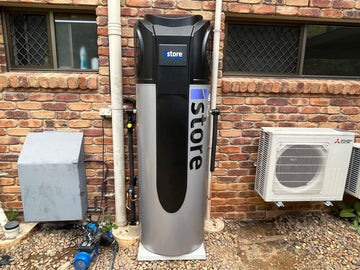
Heat pump performance depends heavily on installation location.
Important local considerations include:
-
Outdoor airflow
-
Distance from bedrooms and neighbours
-
Narrow side access
-
Noise reflection from fences and walls
-
Drainage for condensate and valve discharge
-
Concrete base or slab condition
-
Coastal corrosion exposure on the Gold Coast
-
Homes with solar PV
-
Older electric systems on off-peak tariffs
-
Townhouse and body corporate requirements
-
Delivery access for larger tanks
-
Future service access
-
Whether the old tank location is still suitable
A heat pump should not be installed in a tight, enclosed space just because the old electric storage system was there.
Common heat pump hot water problems
Not enough hot water
Possible causes include:
-
Tank too small
-
Heavy household usage
-
Incorrect settings
-
Backup element not operating when needed
-
Recovery time too slow for demand
-
Poor airflow
-
Faulty sensor or controller
-
System not suited to the household
Heat pump running too often
Possible causes include:
-
High hot water demand
-
Poor insulation or heat loss
-
Incorrect timer settings
-
Backup element use
-
Faulty thermostat or sensor
-
Tank too small
-
Poor installation location
Noisy operation
Possible causes include:
-
Normal fan and compressor noise
-
Poor location near bedrooms or fences
-
Vibration through the base
-
Debris near the fan
-
Faulty fan or compressor
-
Narrow side paths amplifying sound
Error codes
Possible causes include:
-
Sensor faults
-
Airflow restriction
-
Refrigerant circuit issue
-
Controller fault
-
Fan problem
-
Compressor issue
-
Defrost fault
Record the error code and book a technician.
Water leaking near the system
Possible causes include:
-
Normal condensate
-
Relief valve discharge
-
Pipework leak
-
Valve issue
-
Tank leak
-
Drainage problem
Some condensate is normal for heat pumps, but ongoing pooling, leaks from pipework or tank leaks should be checked.
Maintenance for heat pump hot water systems
Heat pumps should be maintained according to the model, age, location and manufacturer guidance.
Maintenance may include:
-
Checking airflow around the unit
-
Keeping the fan and intake area clear
-
Checking for leaks
-
Inspecting valves
-
Checking condensate drainage
-
Checking for corrosion
-
Reviewing error codes
-
Checking temperature performance
-
Inspecting the electrical connection
-
Checking anode requirements where applicable
-
Confirming timer and boost settings
-
Booking professional servicing when needed
Do not open the heat pump, touch wiring, alter refrigerant components or modify safety valves yourself.
What homeowners can safely check
Homeowners can safely check:
-
Whether the unit has clear airflow
-
Whether plants, storage or debris are blocking the system
-
Whether hot water use has changed
-
Whether the system shows an error code
-
Whether the timer settings look correct
-
Whether there is water pooling around the unit
-
Whether noise has changed suddenly
-
Whether the issue affects every tap
Avoid:
-
Opening covers
-
Touching electrical components
-
Working on refrigerant parts
-
Modifying valves
-
Draining the system without correct knowledge
-
Changing wiring or timers at the switchboard
Electrical work should be completed by a licensed electrician. Plumbing work should be completed by a licensed plumber.
What to check before ordering a heat pump
Before choosing a heat pump, check:
-
Current hot water system size
-
Current system type
-
Number of people in the home
-
Number of bathrooms
-
Whether hot water currently runs out
-
Whether the home has solar PV
-
Available outdoor space
-
Distance to bedrooms and neighbours
-
Drainage options
-
Access path for delivery
-
Whether a base or slab is needed
-
Electrical requirements
-
Whether quiet operation is important
-
Whether a budget, mid-range or premium model suits best
Photos of the current system, model plate, surrounding area, switchboard and access path can help JR Gas & Water recommend a suitable option.
What JR Gas & Water can help with
JR Gas & Water can help with:
-
Heat pump hot water replacement
-
Upgrading from electric storage to heat pump
-
Heat pump sizing advice
-
Budget, mid-range and premium heat pump comparisons
-
Quiet heat pump recommendations
-
Large-family heat pump options
-
Solar PV-friendly heat pump advice
-
Plug-in heat pump replacement options
-
Hot water repairs and servicing
-
Replacement recommendations from photos
-
Brisbane, Gold Coast and nearby SEQ installations
Related JR Gas & Water services
FAQs
How does a heat pump hot water system work?
A heat pump hot water system draws heat from the surrounding air, compresses that heat to a higher temperature, then transfers it into water stored in a tank. It uses electricity to move heat rather than relying only on a direct electric element.
Is a heat pump cheaper to run than electric hot water?
A heat pump can use less electricity than standard electric storage when selected and installed correctly. Running cost depends on household usage, tariff setup, solar PV, system size, location and how often the backup element runs.
Does a heat pump hot water system work in winter?
Yes, suitable heat pumps can work in cooler conditions, although performance may vary by model and climate. In Brisbane and the Gold Coast, the climate generally suits heat pump operation well.
Does a heat pump need sunlight?
No. A heat pump does not need direct sunlight. It uses heat from the surrounding air. This is different from solar hot water, which uses roof-mounted collectors.
Can a heat pump work with solar panels?
Yes. Many heat pumps can be timed to run during the day when rooftop solar is producing power. The result depends on timer settings, solar generation, household usage and system size.
Are heat pump hot water systems noisy?
Heat pumps use a fan and compressor, so they do make some noise. Noise levels vary by model and installation location. If the system is near bedrooms, windows, fences or neighbours, compare quiet heat pump options.
What size heat pump do I need for a family of four?
Many families of four compare 250L to 280L heat pumps. Larger households, long showers, teenagers, baths or heavy evening use may need a larger system or stronger recovery.
Can I install a heat pump where my old electric tank was?
Sometimes, but not always. The old location must have suitable airflow, drainage, clearances, access and noise placement. A heat pump should not be installed in a tight or enclosed space without checking suitability.
Need help choosing the right heat pump hot water system?
If your current hot water system is leaking, expensive to run, undersized or due for replacement, JR Gas & Water can help compare suitable heat pump options for your home.
Browse heat pump hot water systems, compare quiet heat pump systems, or look at large family heat pumps if your household needs more capacity.