


Hot Water Systems Russell Island | Compare Installed Prices & Choose Online
Compare electric, gas, heat pump and solar hot water systems available in Russell Island with upfront online pricing. Tell us what you have now, where it is installed and what you want to achieve.
Choose Your Hot Water System in Russell Island
Tell us about your current setup and what you want from your next hot water system. We’ll guide you to the right range for your home in Russell Island. Sizing comes after.
Drag to compare how your hot water system choice can change what you pay to run it over 10 years.
Why Russell Island homeowners choose JR Gas & Water
Real stories from Russell Island locals who’ve experienced fast installs, expert advice, and 5-star service with JR Gas & Water.
What hot water service do you need in Russell Island today?
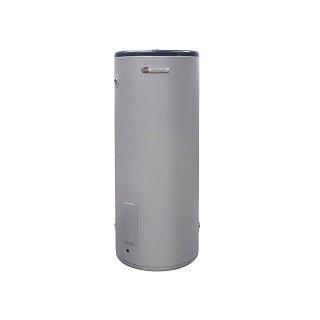
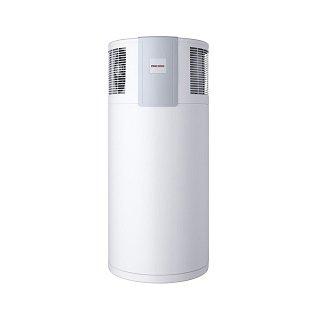
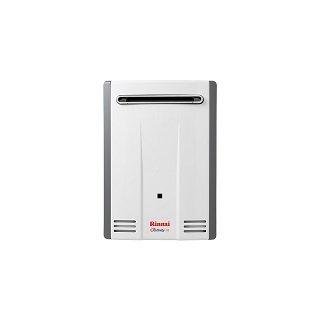
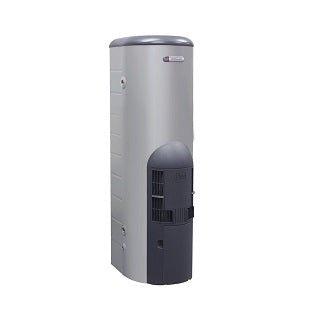


Prefer to discuss your hot water options onsite?
Book an onsite inspection and one of our plumbers can inspect your existing hot water system, review the installation requirements and talk you through suitable replacement options before you choose. We can compare electric storage, heat pump, gas and solar hot water options based on your home and existing setup.
Ideal if you would prefer a plumber to inspect the existing system and discuss your hot water replacement options onsite before choosing.
Flexible payment options
Spread the cost of your new hot water system with flexible payment options on eligible purchases. Pay securely with Zip, Afterpay, PayPal, Google Pay, Visa or Mastercard .






Russell Island’s Trusted Hot Water Experts – Fast Installations, Repairs & Upgrades
Need reliable hot water system installation on Russell Island? Whether you're building a new home or upgrading an existing system, JR Gas & Water has you covered with expert advice and fast, professional service. With over 50 years of combined experience and more than 10,000 hot water systems installed across South-East Queensland, we understand the unique needs of island properties.
From heat pump and solar to gas and electric systems, we handle everything in-house — no subcontractors. We offer complete solutions including Form 4 compliance, licensed plumbing and electrical, and old unit removal.
Hot Water Installations on Russell Island – What We Do
-
Heat pump hot water systems
-
Gas hot water systems (instantaneous or storage)
-
Solar hot water systems
-
Electric hot water systems
Every installation includes:
-
Pressure, tempering & duo valves
-
Licensed plumbing & electrical work
-
QBCC Form 4 submission
-
Safe removal of your old system
-
Transparent, fixed pricing
Choosing the Right Hot Water System for Your Russell Island Home
-
Number of residents and daily usage
-
Power availability (solar, electric, gas access)
-
Roof space and sun exposure
-
Off-grid or tank water considerations
-
Ongoing energy costs
Quick System Match:
-
Heat Pump – Energy efficient & rebate-ready
-
Gas – Great for LPG users
-
Solar – Maximise island sunshine
-
Electric – Simple & low upfront cost
Heat Pump Hot Water Systems – Energy Smart & Rebate-Ready
Heat pump systems are ideal for Russell Island homes looking to reduce energy bills by up to 70%. We install Reclaim Energy, EvoHeat, Rinnai, and Stiebel Eltron heat pumps, and manage your STC rebate application for you.
Gas Hot Water Systems – Instant, Reliable & Efficient
Have LPG bottles? A gas hot water system is perfect for island homes without access to natural gas. Get fast, reliable hot water with trusted brands like Rinnai, Bosch, Rheem, and Thermann.
Solar Hot Water Systems – Sunshine Savings
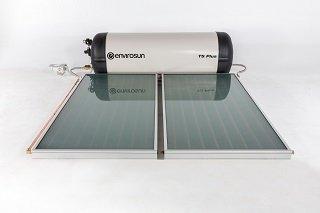
Russell Island receives plenty of sunlight — ideal for solar hot water systems. We install Solahart, Envirosun, and Rinnai systems, ensuring correct panel placement and helping you claim available government rebates.
Electric Hot Water Systems – Simple, Effective & Affordable
Electric hot water systems are a great choice for smaller homes or where simplicity is key. We supply and install Rheem, Dux, Aquamax, and Thermann, and offer fast turnaround and full compliance.
Hot Water Repairs & Emergency Service on Russell Island
No hot water? We offer fast response and reliable repair services to residents of Russell Island. We fix:
-
Leaking tanks or burst cylinders
-
Tripped power or no hot water
-
Ignition and gas flow issues
-
Element and thermostat faults
-
Solar and heat pump system errors
-
Corroded valves or rusted tanks
Why Russell Island Homeowners Choose JR Gas & Water
-
10,000+ hot water systems installed
-
Fully licensed & insured (QBCC #15087259)
-
No subcontractors — just our expert team
-
Fixed, upfront pricing with no surprises
-
5-star reviews on Google & ProductReview
-
ProductReview Best Plumbers & Home Care Store 2023–2025
-
Friendly, clean, and efficient service
We Work With All Major Brands
-
Rheem
-
Rinnai
-
EvoHeat
-
Reclaim Energy
-
Bosch
-
Thermann
-
Dux
-
Aquamax
-
Stiebel Eltron
-
Solahart
-
Envirosun
Servicing Russell Island and Surrounding Southern Moreton Bay Islands
We service Russell Island as well as Macleay Island, Lamb Island, and Karragarra Island. We coordinate delivery, access, and logistics to suit your location and timing.
Book Online or Get a Fast Quote
Need help with your hot water on Russell Island? Book online now or contact JR Gas & Water for expert advice, rebate assistance, and smooth installation — island-friendly service, mainland-quality standards.
Some of our hot water installations for other Russell Island locals!


HOT WATER RUNNING COST CALCULATOR
Compare your current hot water system running costs against an efficient heat pump setup and see how much your household could save over 10 years.
How many people live in your home?
Need Hot Water Repairs in Russell Island?
If your hot water system is leaking, not heating properly, running out too quickly, making unusual noises or showing signs of a fault, JR Gas & Water can help with hot water repairs in Russell Island.
We repair and assess all common hot water system types, including electric hot water, gas hot water, continuous flow, storage systems, solar hot water and heat pump hot water units. Whether you are looking for a repair, a fault diagnosis or advice on whether your system should be repaired or replaced, our licensed team can inspect the issue and provide clear options.
Repairs for leaking, faulty or unreliable systems
Support for gas, electric, solar, heat pump and continuous flow units
Licensed plumbing and gas fitting support where required
🔥 Best Hot Water Installers in Russell Island
When locals look for the best hot water installers in Russell Island, the name that consistently stands out is JR Gas & Water. Recognised as Australia’s Best National Plumber and Best Home Care Store on ProductReview.com.au in 2023, 2024, and 2025, JR Gas & Water has become the go-to team for reliable, energy-efficient hot water installations across Brisbane, Gold Coast, Logan, Ipswich, and surrounding regions.
Unlike many industry awards that can be bought or self-nominated, ProductReview.com.au is Australia’s largest independent review platform, and its awards are based purely on genuine customer feedback. There are no paid entries, no sponsorships, and no marketing influence — which makes JR Gas & Water’s recognition truly earned and transparent.
Why JR Gas & Water Are the Best Hot Water Installers in Russell Island
✅ National ProductReview Award Winner — 2023, 2024 & 2025
✅ 4.9★ average rating from hundreds of verified homeowner reviews
✅ Specialists in Rheem, Rinnai, Stiebel Eltron, iStore, Reclaim Energy & iStore systems
✅ Fully licensed QBCC plumbers and hot water technicians
✅ Fast installations, replacements & repairs — gas, electric, solar & heat pump
✅ Local family-owned business servicing Russell Island and nearby suburbs
✅ Transparent pricing, lifetime workmanship warranty, and same-day service
Whether you need a new hot water system, an energy-efficient heat pump, or a fast emergency replacement, JR Gas & Water delivers expert installation, safety compliance, and reliable hot water every day — backed by real customer satisfaction and award-winning service.

Hot Water System Advice for Russell Island Homeowners
View all


FAQs
Hot water systems often fail suddenly because many of the critical components wear internally and give little or no visible warning. In Russell Island homes, we commonly see failures caused by ageing elements, failing thermostats, pressure relief valves wearing out, or internal tank corrosion.
Hard water, sediment build-up, and daily heating cycles slowly stress the system until a part finally gives way. In many cases, the system appears to be working normally right up until it stops heating, starts leaking, or trips power or gas supply without notice.
A leaking hot water system should never be ignored. While some leaks are minor valve issues, others can indicate excessive internal pressure or tank failure, which can lead to water damage, electrical hazards, or gas safety risks.
If the leak is coming from the tank itself, pooling at the base, or associated with strange noises, loss of pressure, or electrical tripping, the system should be turned off and inspected promptly. Even small leaks can escalate quickly once pressure increases during heating cycles.
Whether repair or replacement is the better option depends on the age of the system, the type of fault, and overall condition. In many Russell Island homes, faults such as failed elements, thermostats, valves, or ignition components can be repaired safely and cost-effectively.
However, if the tank is leaking, heavily corroded, or nearing the end of its expected lifespan, replacement is usually the safer long-term option. A professional assessment helps avoid unnecessary replacements while ensuring the system remains safe and reliable.
The most common hot water issues we see in Russell Island include:
No hot water or inconsistent temperatures
Faulty heating elements or thermostats
Pilot light or ignition failures on gas systems
Leaking pressure relief valves or pipework
Tripped electrical circuits or blown fuses
Faulty tempering valves causing temperature fluctuations
These problems often develop gradually and can usually be diagnosed quickly when addressed early.
You should turn off your hot water system and arrange professional Russell Island specialist assistance immediately if you notice:
Water leaking from the tank or pooling at the base
Strong gas smells or electrical burning odours
Loud banging, hissing, or popping noises
Repeated power or gas supply interruptions
Discoloured water coming from hot taps
Turning the system off reduces the risk of property damage and helps prevent safety hazards while the issue is assessed.
- Electric storage hot water systems – A popular and cost-effective option for many homes in Russell Island, particularly where gas is not available. These systems store heated water in a tank and are reliable for small to medium households.
Gas hot water systems (storage or instant) – Suitable for homes with natural gas or LPG connections. Gas systems heat water faster than electric and are often preferred in larger households that use hot water frequently.
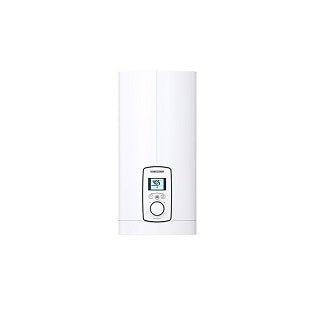
Instant (tankless) hot water systems – These systems heat water on demand rather than storing it, providing continuous hot water while using less space. They are common in Russell Island homes looking to upgrade from older tank systems.
Heat pump hot water systems – An energy-efficient option that extracts heat from the surrounding air to warm water. Heat pumps are increasingly popular in Russell Island due to their lower running costs and eligibility for energy rebates.
Solar hot water systems – Designed to use roof-mounted solar collectors to heat water, with electric or gas boosting when required. These systems are well suited to homes in Russell Island seeking long-term energy savings.
The most suitable system depends on factors such as household size, roof space, available utilities, and budget. A professional assessment helps ensure the system installed is correctly sized and appropriate for local conditions in Russell Island.
Choosing the right hot water system for your home in Russell Island depends on how your household uses hot water, the type of energy connections available, and the long-term running costs you’re comfortable with.
Key factors to consider include:
Household size and usage patterns – Larger families or homes with multiple bathrooms in Russell Island generally require higher-capacity systems or instant hot water to avoid running out during peak times.
Available energy sources – Some homes in Russell Island have access to natural gas, while others rely on electricity or solar, which influences the most suitable system type.
Space and installation location – Tank size, ventilation requirements, and outdoor versus indoor installation can affect which systems are practical for your property.
Energy efficiency and running costs – Heat pump and solar hot water systems are increasingly popular in Russell Island due to lower ongoing energy costs and potential rebates.
Budget and long-term value – While upfront cost matters, choosing a system based solely on price can lead to higher running costs or undersized performance over time.
In many cases, the best hot water system is not the largest or most expensive option, but the one that is correctly sized and matched to your household’s daily usage. A professional assessment helps ensure the system chosen is safe, efficient, and suited to typical living conditions in Russell Island.
Sizing a hot water system correctly for your home in Russell Island depends on the number of people in the household, how hot water is used throughout the day, and the type of system being installed.
Key considerations include:
Number of occupants – Homes in Russell Island with one to two occupants typically require smaller-capacity systems, while families or multi-bathroom homes need larger or higher-recovery systems.
Peak usage times – If showers, laundry, and dishwashing often occur at the same time, the system needs enough capacity or recovery rate to handle demand without running out.
System type – Storage tanks are sized by litres, while instant and gas systems are sized by flow rate. Heat pump and solar systems may require larger tanks to maintain consistent performance.
Water efficiency fittings – Low-flow shower heads and modern appliances can reduce required capacity, which may allow for a smaller, more efficient system.
Installing an undersized hot water system can lead to temperature drops and frequent outages, while an oversized system may result in unnecessary energy costs. A professional assessment ensures the system installed is appropriately sized for your household’s usage patterns and typical living conditions in Russell Island.
The main difference between storage and tankless (instant) hot water systems is how water is heated and supplied to your home.
Storage hot water systems heat and store a set amount of hot water in a tank. Once the stored water is used, the system needs time to reheat before more hot water is available. Storage systems are common in many homes because they are reliable, cost-effective, and suitable for predictable daily usage.
Tankless (instant) hot water systems heat water only when it is needed, without storing it in a tank. This means hot water is supplied continuously, as long as the system’s flow capacity is not exceeded. Tankless systems are compact and efficient, but must be correctly sized to handle multiple outlets operating at the same time.
In practical terms, storage systems suit households with steady usage patterns and limited simultaneous demand, while tankless systems work well where space is limited or where continuous hot water is preferred. The right choice depends on household size, water usage habits, available energy sources, and installation requirements.
The cost of installing a hot water system in Russell Island depends on the type of system being installed, the size required for the household, and the complexity of the installation.
In general, electric storage systems are the most affordable upfront option, while gas, heat pump, and solar hot water systems typically have higher initial costs but may offer lower running costs over time. Pricing can also vary based on factors such as access to the installation location, whether existing pipework or electrical upgrades are required, and the brand or model selected.
Rather than focusing only on upfront price, it is important to consider long-term reliability, energy efficiency, and suitability for your household’s hot water usage. A professional assessment helps ensure the system chosen is appropriately sized and cost-effective for typical living conditions in Russell Island.
Solar hot water systems can be a strong long-term investment in Russell Island, but whether they are worth it depends on your household needs, roof orientation, and how you value ongoing energy savings.
A solar hot water system uses roof-mounted solar collectors to pre-heat water before it enters your storage tank. In Russell Island, where sunlight is abundant for much of the year, this can significantly reduce the amount of electricity or gas needed to heat water, lowering your utility bills.
However, there are a few key factors to consider:
Upfront cost versus long-term savings
Solar hot water systems typically cost more to purchase and install than basic electric or gas systems. The initial investment can be higher because you are paying for solar collectors, a larger tank and integration with your existing plumbing and roof structure. Over time, especially in a sunny suburb like Russell Island, the reduced running cost can make up for the higher upfront price. Many households see payback on the system through energy savings over several years.
Performance in real conditions
Solar systems perform best when they have good sun exposure. If your roof in Russell Island has limited northern sun, or if shading is significant, you may not see as much benefit. In such cases, a solar system with a high-efficiency booster (gas or electric) or an alternative like a heat pump may deliver better overall performance.
Comparison with heat pump systems
Heat pump hot water systems are often an excellent alternative to traditional solar systems. Heat pumps extract ambient air heat and use electricity much more efficiently than standard electric storage systems. In many Brisbane suburbs, including Russell Island, heat pumps can provide similar or better energy savings compared with solar systems, with lower installation costs and fewer site constraints. Heat pumps also perform reliably through seasonal changes and require less roof space or orientation planning.
Maintenance and lifespan
Solar hot water systems typically require periodic maintenance of the collector panels and pumps. Heat pump systems also require servicing but are generally simpler, with fewer components exposed to the elements. Both technologies have long lifespans when installed and maintained correctly.
Summary
Solar hot water systems can be worth the investment in Russell Island if:
Your property gets strong and consistent sun exposure,
You plan to stay in the home long enough to benefit from energy savings,
You prioritise using renewable energy.
That said, a heat pump hot water system is often a more cost-effective alternative in many Brisbane suburbs, including Russell Island, because it delivers high efficiency with lower installation complexity and good year-round performance.
Heat pump hot water systems offer a range of advantages for homes in Russell Island, particularly when compared with traditional electric or gas-only systems. These benefits make heat pumps a highly efficient and cost-effective solution for meeting hot water needs in this area.
1. Lower ongoing energy costs
Heat pump systems extract heat from the surrounding air to heat your water, using significantly less electricity than conventional electric storage systems. In Russell Island, where ambient temperatures are moderate for much of the year, this efficiency translates into lower energy bills without sacrificing performance.
2. Better year-round efficiency
Unlike solar systems that depend on strong sunlight, heat pumps can operate efficiently regardless of cloud cover or time of day. This makes them particularly reliable in the variable climate around Russell Island, where overcast days or seasonal changes could otherwise affect solar-dependent systems.
3. Reduced environmental impact
Heat pump hot water systems use less energy than traditional electric systems, resulting in lower greenhouse gas emissions. For environmentally conscious households in Russell Island, this means reducing your carbon footprint while still enjoying plentiful hot water.
4. Government rebates and incentives
In many parts of Australia, including Brisbane and surrounding suburbs like Russell Island, heat pump installations may qualify for government energy-efficiency rebates or incentives. These programs can help offset the upfront cost and improve the overall value of upgrading.
5. Consistent hot water supply
Heat pump systems maintain stable water temperatures and are capable of meeting the needs of most families in Russell Island, even during peak usage times. Unlike some solar systems that rely on backup heating, a heat pump delivers consistent performance without needing additional energy sources.
6. Longer lifespan and lower maintenance
Heat pump systems typically have a long service life and require less frequent maintenance than complex solar hot water setups. With fewer exposed components and no reliance on roof-mounted collectors, they can be easier and cheaper to maintain over the long term.
7. Minimal roof or orientation requirements
Because heat pump systems don’t require solar panels or collectors, they don’t depend on specific roof orientation or shading conditions. For homes in Russell Island with limited roof space or shading issues, heat pumps avoid the siting constraints that solar systems face.
Summary
For many households in Russell Island, a heat pump hot water system delivers:
lower ongoing energy costs
reliable year-round performance
reduced environmental impact
eligibility for rebates
consistent hot water supply
lower maintenance needs
fewer installation constraints
Compared with traditional systems, heat pumps are an efficient, practical choice that aligns well with the local climate, energy costs and lifestyle expectations in Russell Island. If you’d like, I can also provide estimated running cost comparisons between heat pump, solar and gas systems specific to your suburb.
Electric hot water systems are generally less energy efficient than modern alternatives such as heat pump or solar systems, but they remain a common choice due to their lower upfront cost and simple installation.
Traditional electric storage systems heat water using electric elements inside a tank and then maintain that temperature throughout the day. This constant reheating results in higher energy consumption, particularly in households with frequent or unpredictable hot water use.
Energy efficiency can vary depending on:
The age and insulation quality of the tank
Whether the system is correctly sized for the household
How often hot water is used during peak times
The availability of off-peak electricity tariffs
In many homes, electric systems are reliable but can be costly to run over time. For households looking to reduce long-term energy costs and improve efficiency, upgrading to a heat pump hot water system is often a more energy-efficient option, as heat pumps use significantly less electricity to produce the same amount of hot water.
Electric hot water systems can still be suitable where budget, space, or installation constraints apply, but a professional assessment helps determine whether they are the most efficient choice for your household’s usage patterns.
The main difference between gas and electric hot water systems is how water is heated, how quickly hot water is delivered, and the ongoing running costs. The best option for homes in Russell Island depends on available services, household usage, and energy preferences.
Gas hot water systems heat water using natural gas or LPG and are known for their fast recovery times. This means hot water is reheated quickly, making gas systems well suited to larger households or homes with higher hot water demand. In Russell Island, gas systems are often preferred where a gas connection is already available and consistent hot water use is required.
Electric hot water systems use electric heating elements to heat and store water in a tank. They are typically simpler to install and have lower upfront costs than gas systems. However, they generally have slower recovery times and higher running costs, particularly during peak electricity pricing periods.
In practical terms, gas systems tend to offer:
Faster hot water recovery
Better performance during high usage
Lower running costs where gas is readily available
Electric systems tend to offer:
Lower upfront installation costs
Simpler installation where gas is not available
Reliable performance for smaller households
Choosing between gas and electric hot water systems in Russell Island often comes down to balancing upfront cost, long-term energy expenses, and household hot water demand. A professional assessment helps ensure the system selected is suitable for both the property and typical usage patterns.
Regular maintenance helps ensure a hot water system operates safely, efficiently, and reliably over its lifespan. For homes in Russell Island, maintenance requirements can vary depending on the type and age of the system, but there are some common considerations.
Most hot water systems benefit from periodic professional inspections, typically every one to two years. These inspections check key components such as heating elements, thermostats, pressure relief valves, tempering valves, and electrical or gas connections. Identifying wear early can help prevent sudden breakdowns or leaks.
Maintenance needs may include:
Testing and servicing pressure relief and tempering valves
Checking for leaks, corrosion, or sediment build-up
Inspecting electrical or gas components for safe operation
Flushing tanks where sediment accumulation is present
In Russell Island, water quality and daily usage patterns can influence how often maintenance is required. Systems exposed to higher usage or mineral build-up may need more frequent attention to maintain performance and efficiency.
While some basic visual checks can be done by homeowners, servicing should always be carried out by a licensed professional to ensure safety and compliance. Regular maintenance not only improves efficiency but can also extend the life of the hot water system and reduce the likelihood of unexpected failures.
Basic troubleshooting can help identify simple issues with a hot water system, but it is important to prioritise safety and know when professional assistance is required.
Some initial checks you can safely make include:
No hot water at all – Check whether power or gas supply has been interrupted, including circuit breakers, safety switches, or gas isolation valves.
Water not hot enough – This may indicate a failing thermostat, heating element, or tempering valve, especially if temperatures fluctuate.
Inconsistent hot water – Running out of hot water faster than usual can be a sign of undersized systems, sediment build-up, or components beginning to fail.
Unusual noises – Banging, popping, or hissing sounds can indicate pressure issues or sediment accumulation inside the tank.
Visible leaks – Moisture around valves or pipework may point to a minor component issue, while water pooling at the base of the unit can indicate a more serious problem.
If the issue involves electrical faults, gas supply, tank leaks, or persistent loss of hot water, the system should be turned off and assessed by a licensed professional. Attempting repairs without the correct qualifications can create safety risks and may void warranties.
Troubleshooting can help identify symptoms, but a professional inspection ensures the cause of the problem is correctly diagnosed and resolved before it leads to system failure or property damage.
When replacing your hot water system in Russell Island, consider:
1. System type
Evaluate whether a conventional electric, gas, tankless, heat pump or solar-assisted system best matches your household’s needs and energy goals.
2. Household hot water demand
Size your new system to meet the peak usage of your household to avoid shortages.
3. Energy costs and efficiency
Compare long-term running costs and efficiency ratings. Heat pump systems may cost more upfront but deliver lower energy bills.
4. Installation location
Ensure there is space and proper access for installation, and that any roof-mounted components (solar) have good exposure.
5. Compliance and safety
Your new system must meet all Queensland plumbing, gas and electrical compliance requirements relevant to Russell Island.
6. Warranty and service support
Understand the manufacturer’s warranty and find a local installer who offers service support.
Choosing the right replacement involves balancing performance, reliability, and cost to deliver the best outcome for your property in Russell Island.
Warranty coverage for hot water systems in Russell Island depends on the brand and type of unit you choose, but generally includes:
1. Manufacturer’s warranty
Most reputable brands offer a standard manufacturer's warranty covering defects in materials and workmanship. Typical warranty periods range from 5 to 10 years for tanks, with shorter coverage (often 1–2 years) for parts and components.
2. Extended warranties
Some manufacturers or installers offer extended warranty options that can increase coverage on parts or labour when professional maintenance is performed regularly.
3. Installer workmanship warranty
Licensed plumbers often include a workmanship warranty on installation, which may cover installation-related problems for a specified period (such as 12 months).
4. Conditions and maintenance
Warranties usually require proof of regular maintenance and correct usage. Failure to maintain the system properly can void warranty coverage.
Before installation, review the warranty details for your specific hot water system and ask your installer about warranty terms relevant to homes in Russell Island. This ensures you understand what is covered and any requirements to keep the warranty valid.
Hot water systems are generally safe when installed and maintained correctly, but there are several safety concerns that homeowners should be aware of to reduce the risk of injury, property damage, or system failure.
Common safety concerns include:
Excessive water temperature – Water that is too hot can cause scalding injuries, particularly to children or elderly occupants. Tempering valves are used to regulate outlet temperatures and should be maintained correctly.
Pressure build-up – Faulty or blocked pressure relief valves can allow dangerous pressure levels to build inside the system, increasing the risk of leaks or tank failure.
Electrical hazards – Electric hot water systems can pose a risk if wiring, elements, or safety switches are damaged or exposed to moisture.
Gas safety risks – Gas hot water systems require proper ventilation and secure connections. Gas leaks or combustion issues can present serious safety hazards if not addressed promptly.
Leaks and corrosion – Undetected leaks or internal corrosion can lead to sudden tank failure and water damage to the property.
Improper installation or modifications – Unlicensed work or incorrect installation can compromise safety systems and void manufacturer warranties.
Regular professional inspections, correct temperature control, and timely maintenance help minimise these risks. If a hot water system shows signs of leaking, unusual noises, electrical faults, or gas smells, it should be turned off and assessed by a licensed professional to ensure safe operation.