Hot Water Takes Too Long to Reach the Shower: Causes and Fixes
Hot water taking too long to reach the shower is usually caused by the distance between the hot water system and the bathroom, long pipe runs, low-flow fixtures, pipework design, poor system location, cooled water sitting in the line, tempering valve restrictions or plumbing layout changes from renovations and extensions. In many homes, the hot water system itself is not faulty — the delay is caused by the pipework between the system and the shower.
For Brisbane, Gold Coast and South East Queensland homes, slow hot water delivery is common in large homes, two-storey homes, renovated properties, acreage homes, townhouses, granny flats and houses where the hot water unit sits at one end of the building while the ensuite or main bathroom is at the other.
JR Gas & Water can help with hot water repairs and servicing, hot water replacement and broader plumbing services across Greater Brisbane and the Gold Coast where pipe layout, fixtures, valves or system location are affecting hot water delivery.
Quick Answer: Why Does Hot Water Take So Long To Reach the Shower?
Hot water may take too long to reach the shower because:
-
The shower is far from the hot water system
-
The pipe run is long or poorly routed
-
The hot water pipe holds a lot of cooled water
-
The pipe size is larger than needed for the fixture
-
Low-flow shower heads clear the pipe slowly
-
The hot water system is on the opposite side of the home
-
The home has been renovated, extended or reconfigured
-
The shower is upstairs and the system is downstairs
-
Pipework runs through ceilings, walls, slabs or subfloor spaces
-
The tempering valve is restricting flow
-
Hot water pressure is poor
-
There is a valve, mixer or pipe restriction
-
Instant gas hot water has ignition or minimum-flow delay
-
The home does not have a circulation loop or ring main
-
The system was replaced but kept in the same poor location
The fix depends on the cause. Some issues can be improved with fixture, valve or pressure repairs. Bigger layout problems may need pipework changes, hot water relocation, system upgrade or circulation planning.
Slow Hot Water Does Not Always Mean the System Is Broken
A hot water system can be working correctly and still take a long time to deliver hot water to the shower.
The system heats the water. The pipework delivers it.
If the shower is a long way from the system, the pipe between them fills with hot water after use, then cools down while sitting in the pipe. The next time someone turns the shower on, that cooled water has to run out before hot water arrives.
That is why replacing a hot water unit in the same location may not fix slow delivery time.
Slow Delivery vs Lukewarm Hot Water
Slow hot water delivery and lukewarm hot water are different problems.
Slow Hot Water Delivery
Slow delivery usually means:
-
Water starts cold
-
Water slowly warms up
-
It eventually gets properly hot
-
The system may be heating correctly
-
The delay is usually pipework, flow or layout related
Lukewarm Hot Water
Lukewarm water usually means:
-
Water never gets properly hot
-
Every tap may be affected
-
A tempering valve, thermostat, element, gas burner, heat pump or system fault may be involved
-
The issue may be temperature, not distance
If the shower eventually gets properly hot and stays hot, the issue is likely delivery delay. If it never gets properly hot, the system or tempering valve needs checking.
Main Cause: Distance From the Hot Water System
The most common reason hot water takes too long to reach the shower is distance.
A shower at the far end of the house will usually wait longer than a shower close to the hot water unit.
Longer distance means:
-
More cooled water sitting in the pipe
-
More water wasted before showering
-
Longer wait time
-
More heat loss
-
Greater frustration
-
Worse performance with low-flow shower heads
This commonly happens when the hot water system is located:
-
Outside the laundry
-
In the garage
-
Near the kitchen
-
At the front of the home
-
At the rear of the home
-
Downstairs while bathrooms are upstairs
-
On the opposite wall to the ensuite
-
Beside the original bathroom while a new ensuite was added later
A good hot water layout keeps the system close to the main hot water demand. Many older or renovated homes were not built that way.
Long Pipe Runs
The actual pipe route may be much longer than the straight-line distance.
Hot water pipework may travel:
-
Up a wall
-
Across a ceiling
-
Down another wall
-
Through a slab
-
Under a high-set home
-
Around structural beams
-
Through roof space
-
Around stair voids
-
Across an extension
-
From an old bathroom line to a new ensuite
This is why two bathrooms that look close on a floor plan may perform very differently.
Pipe Size Can Affect Wait Time
Pipe size affects how much cooled water sits in the line.
A larger pipe holds more water. More water in the pipe means more water must run out before hot water reaches the shower.
Oversized or poorly planned pipework can make hot water delivery slower, especially when combined with:
-
Long pipe runs
-
Low-flow shower heads
-
Large homes
-
Bathrooms far from the system
-
Renovation tie-ins
-
Old pipe layouts reused for new bathrooms
Bigger pipe is not always better for hot water delivery.
Low-Flow Shower Heads Can Make the Delay Feel Worse
Low-flow shower heads save water, but they can make hot water take longer to arrive.
The reason is simple: the cooled water in the pipe is being pushed out more slowly.
If the pipe contains several litres of cooled water, a lower flow rate means it takes longer to clear that water before hot water reaches the shower.
That does not mean the shower head is faulty. It means the fixture and pipe layout may not work well together.
JR Gas & Water lists shower head replacement through the plumbing services page, which may be relevant where the fixture itself is affecting shower performance.
Water Cools in the Pipe Between Uses
After someone uses hot water, hot water remains in the pipe between the system and the fixture. Over time, that water cools.
The next person to use the shower has to clear that cooled water before hot water arrives.
Hot water may arrive faster if:
-
Someone recently used the shower
-
A nearby basin was used first
-
The pipe run is short
-
The hot water system is close to the bathroom
-
The pipe is insulated
-
A circulation system is operating correctly
Hot water may take longer if:
-
The shower has not been used for hours
-
The system is far away
-
The pipe run is long
-
The pipework is large
-
The fixture has low flow
-
The pipe runs through cold or exposed areas
Hot Water System Location
System location is one of the biggest design factors.
Poor hot water locations include:
-
Far side of the house from bathrooms
-
Garage far from the ensuite
-
Front of the home when bathrooms are at the rear
-
Rear of the home when the ensuite is at the front
-
Downstairs when most showers are upstairs
-
Outside a laundry while bathrooms are in a separate wing
-
Old system location kept after renovations
Better locations are usually closer to:
-
Main bathroom
-
Ensuite
-
Bathroom and laundry cluster
-
Main hot water demand
-
Central plumbing zone
If the hot water system is being replaced and the delay has always been bad, it is worth asking whether relocation is possible before installing the new system in the same poor location.
Renovations and Extensions
Renovations often make slow hot water worse.
This happens when:
-
A new ensuite is added far from the existing system
-
A bathroom is moved
-
A second storey is added
-
A garage is converted
-
A granny flat is connected
-
A kitchen is relocated
-
Old pipework is reused
-
New fixtures are connected to long existing runs
-
The hot water system stays where it was
-
The pipe design is treated as an afterthought
The best time to fix slow hot water delivery is during renovation planning, before walls, tiles, cabinetry and slabs are finished.
For broader renovation and plumbing layout issues, use JR Gas & Water’s Greater Brisbane and Gold Coast plumbing services.
Two-Storey Homes
Two-storey homes often have longer delivery times because hot water pipework may travel vertically and horizontally before reaching the shower.
Common issues include:
-
System downstairs
-
Ensuite upstairs
-
Long ceiling runs
-
Pipes through wall cavities
-
Multiple bathrooms in different parts of the home
-
Low-flow upstairs fixtures
-
Poor pressure upstairs
-
Retrofitted bathrooms
-
Pipework routed around structural walls
If upstairs showers are much slower than downstairs outlets, pipe distance and route are likely causes.
Large Homes
Large homes often have fixtures spread across different zones.
Common layouts include:
-
Kitchen at one end
-
Ensuite at the other
-
Laundry near garage
-
Main bathroom in the middle
-
Guest bathroom in a separate wing
-
Outdoor shower or pool bathroom
-
Hot water system outside one side wall
One central hot water system may not deliver fast hot water to every outlet unless the plumbing layout is designed for it.
Acreage and Rural Homes
Acreage and rural-residential homes can have long pipe runs, separate buildings, pumps, rainwater, sheds, granny flats and outdoor bathrooms.
Slow hot water may be caused by:
-
Long distance from system to fixtures
-
Hot water system near laundry but far from ensuite
-
Long external pipework
-
Pump pressure variation
-
Low-flow fixtures
-
Large pipework
-
Pipework through sheds or subfloor areas
-
Detached bathrooms or granny flats
-
System location chosen for access, not delivery speed
For rural or acreage homes, the whole plumbing layout needs to be considered, not just the hot water unit.
Instant Gas Hot Water Delay
Instant gas systems can take slightly longer to start because the unit must detect water flow, ignite, heat the water, then send it through the pipework.
Delay may be caused by:
-
Unit start-up sequence
-
Minimum flow rate
-
Long pipe run
-
Low-flow shower head
-
Gas or water flow issue
-
Distance from unit to shower
-
Temperature controller settings
-
Cold water sitting in the line
-
Multiple outlets being used
-
Pipe sizing or pressure issues
JR Gas & Water’s homepage menu includes instant gas hot water systems for replacement options where the system type is being reviewed.
Electric Storage Hot Water Delay
Electric storage systems store heated water ready to use. If the tank is hot, delivery delay is usually pipework-related.
Common causes include:
-
System far from bathroom
-
Long pipe run
-
Low-flow shower head
-
Large pipe volume
-
Cooled water in pipework
-
Tempering valve restriction
-
Poor hot water pressure
-
Pipework from old layout
JR Gas & Water lists electric hot water systems from the homepage hot water menu for homes looking at like-for-like replacement or system upgrades.
Heat Pump Hot Water Delay
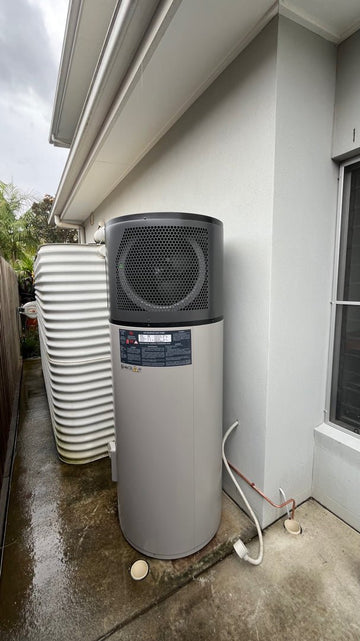
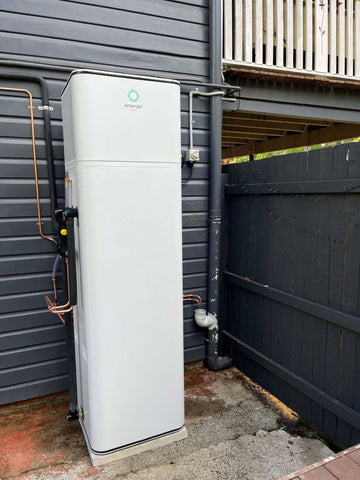
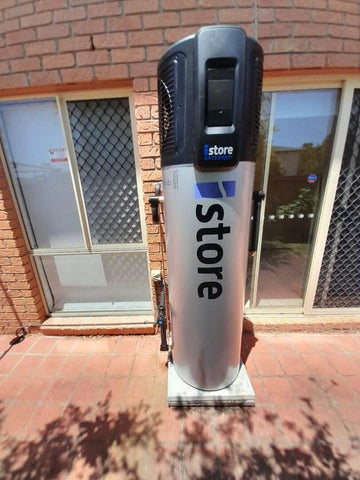
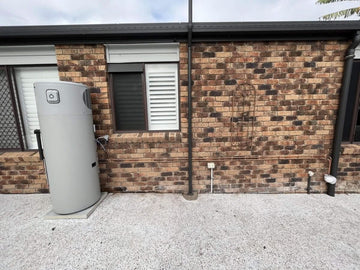
Heat pump systems are storage systems, so slow delivery is usually caused by pipework rather than the heat pump itself.
Possible causes include:
-
Tank far from bathroom
-
Reused old pipework
-
Long pipe run
-
Low-flow fixtures
-
Tempering valve restriction
-
Poor hot water pressure
-
Heat loss in pipes
-
System installed where the old unit sat, not where delivery is best
If the water eventually becomes hot, the issue is probably delivery distance. If it never gets hot enough, the heat pump operation needs checking.
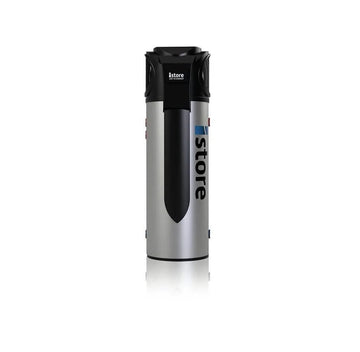
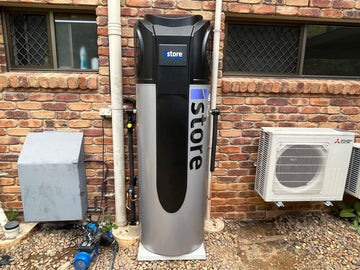
JR Gas & Water lists heat pump hot water systems from the homepage hot water menu.
Gas Storage Hot Water Delay
Gas storage systems also hold hot water ready to use. If the tank is hot, delay is normally caused by pipe distance and flow.
Common causes include:
-
Long pipe run
-
System far from shower
-
Low-flow shower head
-
Tempering valve issue
-
Old hot water pipework
-
Renovation layout
-
Large pipe volume
JR Gas & Water lists storage gas hot water systems from the homepage hot water menu.
Solar Hot Water Delay
Solar hot water systems can have slow delivery where the tank or pipework is far from bathrooms.
Possible causes include:
-
Roof-mounted or remote tank location
-
Long pipe run from tank to bathroom
-
Booster location
-
Large pipe volume
-
Tempering valve distance
-
Low-flow fixtures
-
Heat loss in pipework
-
Bathroom added after original solar system installation
JR Gas & Water lists solar hot water systems from the homepage hot water menu.
Tempering Valve Restrictions
A tempering valve blends hot and cold water to deliver safer hot water to fixtures.
If the tempering valve is faulty, blocked or restricted, it can affect:
-
Hot water delivery speed
-
Hot water pressure
-
Temperature stability
-
Shower performance
-
Basin performance
-
Flow to multiple outlets
A tempering valve issue is more likely if:
-
Hot water pressure is poor
-
Water is lukewarm
-
Temperature fluctuates
-
Multiple outlets are affected
-
The issue started after plumbing work
-
The system is hot but fixtures are not
This needs a licensed plumber to check properly.
Low Hot Water Pressure
Low hot water pressure can make hot water take longer to reach the shower because water moves through the pipe more slowly.
Low hot pressure may be caused by:
-
Faulty tempering valve
-
Blocked valve strainers
-
Partly closed isolation valve
-
Old pipework
-
Restricted flexible connector
-
Mixer tap issue
-
Pressure limiting valve fault
-
Sediment or debris
-
Hot water system restriction
If cold pressure is strong but hot pressure is weak, the issue is on the hot water side.
Shower Mixer Problems
Sometimes the shower itself is the problem.
A shower mixer may cause:
-
Slow temperature response
-
Lukewarm water
-
Poor hot flow
-
Cold water overpowering hot
-
Temperature fluctuation
-
Hard-to-control shower temperature
-
Hot water delay at the shower but not the basin
If the basin near the shower gets hot quickly but the shower takes ages, the shower mixer or shower head may be the issue.
Basin Gets Hot Faster Than Shower
This is an important clue.
If the basin in the same bathroom gets hot faster than the shower, the cause may be:
-
Shower mixer fault
-
Shower head flow restriction
-
Thermostatic shower valve issue
-
Blocked shower hot inlet
-
Temperature limit stop set too low
-
Longer branch line to the shower
-
Cross-flow inside the mixer
In this case, replacing the hot water system will usually not fix the shower delay.
Kitchen Gets Hot Faster Than Ensuite
If the kitchen gets hot quickly but the ensuite is slow, the system is probably closer to the kitchen than the ensuite.
This is common where:
-
Hot water unit is near kitchen or laundry
-
Ensuite is at the far end of the home
-
Ensuite was added later
-
Home is long or split-level
-
Pipework travels through the roof, slab or subfloor
The system may be heating correctly, but the layout is working against fast delivery.
Ensuite Gets Hot Faster Than Kitchen
If the ensuite gets hot quickly but the kitchen is slow, the kitchen may be further from the hot water system.
This can happen when:
-
Hot water unit is near bathrooms
-
Kitchen was renovated or relocated
-
Kitchen line runs through slab
-
Kitchen mixer has low flow
-
Pipework route is indirect
-
Kitchen fixture has a restriction
Again, the hot water system may not be the fault.
Why a New Hot Water System May Not Fix It
A new hot water system will not automatically shorten delivery time if:
-
It is installed in the same location
-
The pipe run is unchanged
-
The pipe size is unchanged
-
The low-flow fixture is unchanged
-
The tempering valve location is unchanged
-
No circulation system is added
-
The bathroom layout is unchanged
A new system can improve heating, recovery and reliability, but it cannot remove cooled water from a long pipe run unless the layout is changed.
Possible Fixes for Slow Hot Water Delivery
The right fix depends on the cause.
1. Check Whether It Is One Fixture or Every Fixture
If only one shower is slow, check the shower mixer, shower head and local pipework.
If every outlet is slow, look at system location, main hot water pipework, valve restrictions and overall layout.
2. Check Hot Water Pressure
Poor hot water pressure makes delays worse. A plumber can check whether the issue is pressure, flow, valves, pipework or fixtures.
3. Check the Tempering Valve
A faulty or restricted tempering valve can slow flow and reduce delivered temperature.
4. Review Shower Head Flow
A very low-flow shower head may make the wait longer. The aim is not to waste water, but the fixture should still suit the plumbing layout.
5. Insulate Accessible Pipework
Insulation may reduce heat loss in accessible pipework, especially where pipes run externally, under floors or through roof space.
6. Shorten Pipe Runs During Renovations
If walls or floors are open, pipe routes can sometimes be improved. This is much easier during renovation than after tiling.
7. Relocate the Hot Water System
Where practical, moving the hot water system closer to bathrooms may improve delivery time. This needs proper planning around plumbing, electrical, gas, drainage, access and compliance.
8. Consider a Different System Type
Changing system type may help in some situations, but only if it also improves location, flow or pipe layout.
Options may include:
9. Consider Circulation or Ring Main Design
Some larger homes use hot water circulation systems to reduce wait time. These need careful design because they can increase heat loss and running costs if set up poorly.
A circulation system should be planned by a licensed plumber, not added casually.
10. Replace a Poorly Located Old System With Better Planning
If the old system is already due for replacement, that is the time to review whether the same location still makes sense.
Start with JR Gas & Water’s hot water replacement range or book a service call online if the issue needs diagnosis first.
Hot Water Circulation Systems
A hot water circulation system moves hot water around a loop so hot water is closer to fixtures when needed.
It can reduce wait time, but it is not automatically the best choice for every home.
Circulation systems need to consider:
-
Pipe layout
-
Heat loss
-
Pump control
-
Timer settings
-
Running cost
-
Insulation
-
System compatibility
-
Check valves
-
Maintenance
-
Access
-
Whether the home was designed for a return line
A poorly designed circulation loop can waste energy. It should be planned properly.
Ring Main Problems
If a home already has a ring main or circulation system and hot water is suddenly slow, the issue may be with the circulation setup.
Possible causes include:
-
Pump not running
-
Timer setting wrong
-
Failed pump
-
Air in the line
-
Valve closed
-
Check valve fault
-
Poor insulation
-
Power issue
-
Pipework modification
-
Recent plumbing work
A circulation system needs diagnosis as a system, not just at the hot water unit.
Hot Water Delay in Brisbane Homes
Brisbane homes often include high-set houses, post-war homes, long low-set homes, renovated Queenslanders, townhouses and newer estate homes.
Common Brisbane causes include:
-
Hot water system outside laundry
-
Ensuite added far from old pipework
-
Long pipe runs under high-set floors
-
Low-flow shower heads
-
Bathroom renovations tied into old lines
-
Electric storage systems kept in original location
-
Heat pump installed where old tank was
-
Large homes with bathrooms at opposite ends
If the system is old as well as slow, replacement planning should include location and delivery time, not just tank size.
Hot Water Delay on the Gold Coast
Gold Coast homes may include coastal houses, apartments, duplexes, canal homes, townhouses, hinterland homes and outdoor bathrooms.
Common Gold Coast causes include:
-
Bathrooms far from external systems
-
Outdoor units exposed to coastal weather
-
Long runs to upper levels
-
Body corporate limitations
-
Renovated ensuites
-
Pool bathrooms or outdoor showers
-
Heat pump location constraints
-
Low-flow shower heads
For apartments and townhouses, access and body corporate rules may limit relocation options.
Hot Water Delay in Rental Properties
For rental properties, slow hot water can create repeated tenant complaints even when the system technically works.
Property owners should check:
-
Is every outlet slow or only one shower?
-
Does the system eventually get hot?
-
Is hot water pressure poor?
-
Has the bathroom been renovated?
-
Is the system far from the bathroom?
-
Is the unit due for replacement anyway?
-
Are there valve or fixture issues?
-
Is a repair, system upgrade or plumbing change needed?
A clear diagnosis helps avoid replacing the wrong part.
What Homeowners Can Check Safely
You can check the pattern before booking:
-
Which shower is slow?
-
Are all taps slow or only one?
-
Does the basin near the shower get hot faster?
-
How long does it take to get hot?
-
Does it eventually get properly hot?
-
Is hot water pressure weaker than cold?
-
Is the issue worse first thing in the morning?
-
Did it start after a renovation?
-
Did it start after a new shower head?
-
Has the hot water system been moved or replaced?
-
Is the hot water system far from the shower?
-
Is there any leaking from the hot water system?
A short video showing the delay and photos of the system can help.
Helpful Photos To Send
Helpful photos include:
-
Hot water system
-
Model label
-
Valve kit and tempering valve
-
Shower head and mixer
-
Bathroom basin tap
-
Hot water system location compared with bathroom
-
Any visible pipework
-
Any leaks
-
Property access
-
System location down the side of the house
-
Recent renovation areas
-
Any existing hot water pump or circulation equipment
Use the request quote page if you need to upload photos and explain the issue.
What Not To Do
Avoid these mistakes:
-
Do not assume the hot water system is faulty if water eventually gets hot
-
Do not replace the system without checking distance and pipe layout
-
Do not expect a like-for-like replacement to fix long pipe runs
-
Do not ignore a faulty tempering valve
-
Do not remove flow restrictors without considering compliance and water use
-
Do not install pumps or circulation systems without proper design
-
Do not open electrical or gas components yourself
-
Do not bypass tempering valves
-
Do not cap relief valve drains
-
Do not alter hot water pipework yourself
-
Do not ignore low hot water pressure
-
Do not assume every bathroom has the same pipe run
Hot water delivery issues need proper plumbing diagnosis before money is spent in the wrong place.
When To Book a Plumber
Book a plumber if:
-
Hot water takes several minutes to reach the shower
-
One shower is much worse than other outlets
-
Hot water pressure is poor
-
Water is only lukewarm
-
A tempering valve may be faulty
-
The issue started after renovation work
-
The hot water system is old and due for replacement
-
You are planning a bathroom or ensuite renovation
-
You want to relocate the hot water system
-
You have a ring main that is not working
-
Tenants are repeatedly complaining
-
The system is leaking or unreliable
JR Gas & Water offers hot water repairs and servicing and licensed plumbing services across Greater Brisbane and the Gold Coast.
How JR Gas & Water Can Help
JR Gas & Water can help diagnose why hot water takes too long to reach the shower and recommend the right fix for the property.
Depending on the issue, this may involve:
-
Checking whether the delay is system-wide or fixture-specific
-
Testing hot water pressure and flow
-
Checking the tempering valve
-
Inspecting shower mixer and fixture issues
-
Reviewing hot water system location
-
Identifying long pipe run problems
-
Checking whether the system itself is heating correctly
-
Advising whether repair or replacement is worth it
-
Recommending system relocation where practical
-
Helping plan hot water during renovations
-
Replacing old or unsuitable systems
For diagnosis, use hot water repairs and servicing. For replacement options, view all hot water systems. For broader plumbing work, use Greater Brisbane and Gold Coast plumbing services.
FAQs About Hot Water Taking Too Long
Why does my shower take so long to get hot?
The most common reason is distance from the hot water system. The cooled water sitting in the pipe has to run out before hot water reaches the shower.
Will a new hot water system fix slow hot water delivery?
Not always. If the new system is installed in the same location and connected to the same long pipework, the delay may stay the same.
Why does my basin get hot faster than my shower?
If the basin gets hot faster than the shower, the shower mixer, shower head, branch pipe or fixture restriction may be the issue.
Why is hot water slow only in the ensuite?
The ensuite may be further from the hot water system, connected through a longer pipe run, or affected by a local shower mixer or fixture issue.
Can low-flow shower heads make hot water take longer?
Yes. Low-flow shower heads clear cooled water from the pipe more slowly, so the wait can feel longer.
Can pipe insulation fix slow hot water?
Pipe insulation can reduce heat loss, but it will not remove the initial delay if the pipe run is long and fully cooled.
Is instant gas slower to deliver hot water?
Instant gas can have a short start-up delay because the unit must detect flow and ignite. Pipe distance still matters after that.
What is the best fix for slow hot water?
The best fix depends on the cause. It may be a fixture repair, valve repair, pipework change, system relocation, replacement system or circulation design.
Final Word
Hot water taking too long to reach the shower is usually a plumbing layout problem, not simply a hot water system fault. Distance from the system, long pipe runs, low-flow fixtures, pipe size, cooled water in the line, tempering valve restrictions and renovation layouts all affect how quickly hot water arrives.
A new hot water system may improve reliability and recovery, but it will not automatically fix long pipe runs if installed in the same poor location.
JR Gas & Water can help check whether the issue is the hot water system, pipework, valve setup, shower mixer, pressure or fixture layout, then recommend the most practical repair or replacement option.
Book JR Gas & Water before replacing parts at random so the real cause of slow hot water delivery is found first.




Plumbing & Gas Fitting Across South East Queensland
Looking for a local plumber? JR Gas & Water provides plumbing and gas fitting services throughout Greater Brisbane, Logan, Ipswich, Moreton Bay, Redlands and the Gold Coast.
View all plumbing & gas fitting service areas