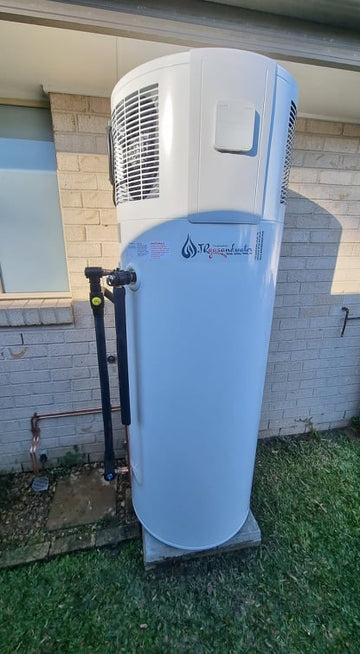
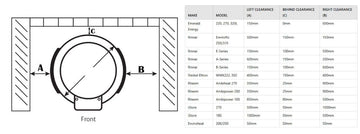
Hot Water Pressure Low but Cold Water Fine: What It Usually Means
Hot water pressure that is low while cold water pressure is fine usually means the issue is on the hot water side of the plumbing. Common causes include a faulty tempering valve, blocked valve kit, restricted hot water outlet, old pipework, sediment, a partially closed isolation valve, a collapsed flex hose, a hot water system valve issue or a problem inside one fixture such as a shower mixer or kitchen tap.
For Brisbane, Gold Coast and South East Queensland homes, this is a common plumbing issue on electric storage, gas storage, heat pump, solar and instant gas hot water systems. The key question is whether low hot water pressure affects every hot tap or only one outlet.
JR Gas & Water can help with licensed plumbing services across Greater Brisbane and the Gold Coast, including hot water pressure issues, valve faults, tap problems, pipework restrictions and hot water system checks.
Quick Answer: Why Is My Hot Water Pressure Low but Cold Water Fine?
If cold water pressure is normal but hot water pressure is low, the fault is usually somewhere between the hot water system and the hot outlets.
Common causes include:
-
Faulty tempering valve
-
Blocked tempering valve strainers
-
Faulty pressure limiting valve
-
Partly closed hot water isolation valve
-
Blocked hot water valve kit
-
Sediment or debris in the hot water line
-
Collapsed or kinked flexible hose
-
Old galvanised hot water pipework
-
Blocked mixer cartridge
-
Shower mixer fault
-
Tapware restriction
-
Hot water system outlet blockage
-
Instant gas hot water flow restriction
-
Heat pump or storage system valve issue
-
Recent plumbing work disturbing debris
-
Pipe corrosion or scale
-
Issue affecting only one fixture
If every hot tap has low pressure, the problem is likely central. If only one tap or shower is affected, the problem is more likely at that fixture.
First Check: Is It Every Hot Tap or Only One?
Before assuming the hot water system is faulty, check multiple outlets.
Test:
-
Kitchen hot tap
-
Bathroom basin hot tap
-
Ensuite basin hot tap
-
Shower
-
Bath outlet
-
Laundry tub
-
Outdoor hot tap if fitted
If Every Hot Tap Has Low Pressure
If all hot outlets are weak, the issue is likely central.
Possible causes include:
-
Tempering valve fault
-
Valve kit blockage
-
Pressure limiting valve issue
-
Hot water outlet restriction
-
Partly closed isolation valve
-
Old hot water pipework
-
Hot water system restriction
-
Sediment in pipework
-
Mains pressure issue affecting the hot side through valves
If Only One Hot Tap Has Low Pressure
If only one tap or shower has low hot water pressure, the hot water system is probably not the problem.
Possible causes include:
-
Mixer cartridge fault
-
Blocked tap aerator
-
Shower mixer issue
-
Blocked hot inlet
-
Flexible hose restriction
-
Local isolation valve issue
-
Debris in tapware
-
Faulty thermostatic mixer
-
Tap body restriction
This matters because replacing hot water system parts will not fix a single blocked tap.
Why Cold Water Can Be Fine but Hot Water Weak
Cold water usually travels directly from the mains or pumped supply to the fixture. Hot water has to pass through more components before reaching the tap.
Hot water may pass through:
-
Hot water system inlet valves
-
Pressure limiting valve
-
Non-return valve
-
Expansion control valve
-
Hot water cylinder or heat exchanger
-
Hot outlet fitting
-
Tempering valve
-
Hot water pipework
-
Mixer tap or shower valve
Any restriction on the hot side can reduce hot water pressure while cold water remains normal.
Tempering Valve Problems
A tempering valve blends hot and cold water to deliver safer hot water temperatures to fixtures. It is one of the most common causes of low hot water pressure.
A tempering valve can cause low hot water pressure if it is:
-
Blocked
-
Faulty
-
Scaled up
-
Full of debris
-
Internally stuck
-
Incorrectly installed
-
Reaching end of life
-
Affected by pressure imbalance
-
Restricting flow through internal strainers
Signs of a tempering valve issue may include:
-
Low hot water pressure at multiple taps
-
Lukewarm hot water
-
Fluctuating shower temperature
-
Hot water that starts strong then weakens
-
Poor hot water after plumbing work
-
Good cold pressure but poor hot pressure
-
Multiple bathrooms affected
A tempering valve should be checked, serviced or replaced by a licensed plumber.
Blocked Tempering Valve Strainers
Some tempering valves have strainers that can catch debris before it enters the valve. These can become restricted over time.
Blockages may come from:
-
Pipe corrosion
-
Sediment
-
Scale
-
Dirt from old pipework
-
Debris after water supply work
-
Particles released during hot water replacement
-
Material from old valves or fittings
Blocked strainers can reduce flow even if the hot water system is heating properly.
Pressure Limiting Valve Issues
A pressure limiting valve controls water pressure entering the hot water system. If it fails or becomes restricted, hot water pressure may drop across the home.
Symptoms may include:
-
Low hot pressure at all outlets
-
Relief valve issues
-
Noisy valves
-
Flow that changes suddenly
-
Poor hot water after valve work
-
Hot pressure lower than cold
-
Multiple fixtures affected
If the pressure limiting valve is faulty, simply replacing tapware will not solve the issue.
Partly Closed Isolation Valve
A hot water isolation valve that is not fully open can restrict flow to the system or through the hot side.
This may happen after:
-
Hot water servicing
-
Valve replacement
-
Plumbing repairs
-
Emergency isolation
-
Recent system installation
-
Someone adjusting valves without realising
A partly closed valve can cause low hot water pressure across multiple outlets.
Homeowners should not force stuck or old valves. If a valve is seized, leaking or unclear, it should be checked by a plumber.
Blocked Hot Water Valve Kit
Hot water systems have valve kits that control pressure, expansion, isolation and safety. If part of the valve kit is blocked, faulty or deteriorated, hot water pressure can suffer.
A valve kit issue may involve:
-
Isolation valve
-
Non-return valve
-
Pressure limiting valve
-
Expansion control valve
-
Tempering valve
-
Relief valve
-
Unions or fittings
-
Strainers
-
Old or corroded pipework around the unit
A plumber should check the full hot water valve assembly, not just the tap where pressure is noticed.
Old Galvanised Pipework
Older homes may still have sections of galvanised pipework. Over time, galvanised hot water pipes can corrode internally and restrict flow.
Signs of old pipe restriction include:
-
Hot pressure slowly getting worse over years
-
Brown or rusty water
-
Low hot pressure but acceptable cold pressure
-
Multiple outlets affected
-
Worse pressure at far fixtures
-
Old home with original pipework
-
Debris appearing in tap strainers
-
Pipework that has not been upgraded during renovations
If pipework is internally restricted, replacing valves may only partly improve the issue.
Sediment or Debris in Hot Water Lines
Sediment can move through hot water pipework and block valves, cartridges, strainers and fixtures.
This can happen after:
-
Hot water system replacement
-
Mains water shutdown
-
Pipe repairs
-
Old valve operation
-
Corroded pipe disturbance
-
Hot water cylinder failure
-
Water pressure changes
-
Plumbing renovation work
If low hot water pressure started suddenly after plumbing work, debris may be lodged in a valve or fixture.
Collapsed or Kinked Flexible Hose
Flexible hoses are sometimes used under basins, sinks, vanities and appliances. A kinked or collapsed hot-side flex hose can reduce hot water pressure to one fixture.
Signs include:
-
One basin or sink has poor hot pressure
-
Cold pressure is fine at the same fixture
-
Other taps are normal
-
Issue started after vanity or kitchen work
-
Hose is twisted, bent or old
-
Tapware was recently replaced
This is a local fixture issue, not a whole hot water system fault.
Mixer Cartridge Fault
Modern mixer taps use cartridges. A faulty or blocked cartridge can restrict hot water flow.
Symptoms include:
-
One tap has poor hot pressure
-
Hot side is weak but cold side is strong
-
Temperature is hard to control
-
Tap handle feels stiff or loose
-
Issue started after debris entered the tap
-
Tap is old or cheap
-
Other fixtures have normal hot pressure
A mixer cartridge issue is common in kitchens, basins and showers.
Shower Mixer Problems
If only the shower has low hot pressure, the shower mixer should be checked.
Possible causes include:
-
Blocked hot inlet
-
Faulty cartridge
-
Thermostatic mixer issue
-
Temperature limit setting
-
Cold water overpowering hot water
-
Internal mixer failure
-
Debris in the valve
-
Incorrect installation
-
Flow restrictor issue
-
Worn shower hardware
If the bathroom basin has strong hot water but the shower does not, the shower mixer is more likely than the hot water system.
Tap Aerator or Shower Head Blockage
Sometimes the hot water pressure is not actually low in the pipework. The outlet itself may be blocked.
Common blockage points include:
-
Tap aerator
-
Shower head
-
Shower hose
-
Flow restrictor
-
Mixer cartridge
-
Inline strainer
-
Flexible connector
A blocked aerator or shower head may affect both hot and cold, but in some cases it is noticed more on hot due to pressure or mixing differences.
Instant Gas Hot Water Flow Restrictions
Instant gas hot water systems need adequate water flow to operate correctly. Restrictions can affect pressure, temperature and appliance performance.
Possible causes include:
-
Blocked inlet filter
-
Scale or debris
-
Flow sensor issue
-
Low flow through fixtures
-
Water pressure restriction
-
Tempering valve issue
-
Pipework restriction
-
Incorrect fixture flow rate
-
Appliance fault
-
Gas or water supply issue
If pressure is poor and the unit is also showing error codes, cycling or not heating properly, the appliance needs checking.
Electric Storage Hot Water Low Pressure
Electric storage systems may have low hot water pressure due to plumbing-side restrictions rather than the electric tank itself.
Common causes include:
-
Tempering valve fault
-
Pressure limiting valve restriction
-
Hot outlet blockage
-
Old valve kit
-
Sediment or debris
-
Old pipework
-
Partly closed isolation valve
-
Cylinder outlet issue
-
Blocked fixtures
If water is hot but pressure is weak, the issue is often valves or pipework.
Heat Pump Hot Water Low Pressure
Heat pump systems are storage systems, so low hot water pressure is usually related to the valve kit, tempering valve, pipework or fixtures.
Possible causes include:
-
Tempering valve restriction
-
Pressure limiting valve issue
-
Old valve kit reused during replacement
-
Hot water outlet restriction
-
Poor existing pipework
-
Fixture blockage
-
Debris after replacement
-
Incorrect valve setup
-
Partly closed isolation valve
If the heat pump is heating normally but pressure is low, the plumbing around the system should be checked.
Gas Storage Hot Water Low Pressure
Gas storage systems may have similar pressure issues to electric storage systems.
Possible causes include:
-
Tempering valve restriction
-
Hot water valve kit fault
-
High or low pressure control issue
-
Outlet blockage
-
Old pipework
-
Cylinder issue
-
Partly closed valve
-
Sediment or debris
-
Fixture restriction
Gas smell or burner issues are separate safety concerns and should be treated seriously.
Solar Hot Water Low Pressure
Solar hot water systems can have extra valves, roof pipework, boosters and longer pipe routes.
Low hot pressure may be caused by:
-
Tempering valve issue
-
Valve kit restriction
-
Roof pipework restriction
-
Booster-related plumbing
-
Old system valves
-
Sediment or scale
-
Cylinder outlet issue
-
Pipe length and layout
-
Fixture restriction
Because solar systems can involve high temperatures and complex pipework, they should be checked by a licensed plumber.
Low Hot Pressure After Hot Water System Replacement
If hot water pressure became low after a hot water system replacement, possible causes include:
-
Debris disturbed during installation
-
Valve not fully open
-
New tempering valve restriction
-
Different valve kit setup
-
Existing pipework restriction exposed
-
Incorrect connection issue
-
Air in the system
-
Fixture strainers blocked after work
-
Existing tapware problem noticed after replacement
The installer should check whether the issue is at the system, valve kit, pipework or fixture.
Low Hot Pressure After Plumbing Work
Plumbing work can disturb debris inside pipework. That debris may then lodge in valves, strainers, cartridges or tapware.
This may happen after:
-
Water shutdown
-
Pipe repairs
-
Tap replacement
-
Hot water replacement
-
Bathroom renovation
-
Kitchen renovation
-
Valve replacement
-
Mains pressure changes
-
Work on old galvanised pipe
If the issue started immediately after plumbing work, mention that when booking.
Low Hot Pressure in One Bathroom
If one bathroom has poor hot pressure but other areas are fine, the issue may be local to that bathroom.
Possible causes include:
-
Shower mixer restriction
-
Basin mixer restriction
-
Local hot branch blockage
-
Renovation pipework issue
-
Flexible hose problem
-
Thermostatic valve issue
-
Old pipe section serving that bathroom
-
Debris lodged in bathroom fixtures
-
Partial blockage in the bathroom branch line
This is common in renovated homes where old and new pipework have been connected together.
Low Hot Pressure in the Kitchen Only
If the kitchen hot tap is weak but bathrooms are fine, likely causes include:
-
Kitchen mixer cartridge
-
Blocked aerator
-
Kinked flex hose
-
Local isolation valve issue
-
Filter tap or appliance connection issue
-
Debris in the hot side of the mixer
-
Old branch pipe to kitchen
-
Recent kitchen renovation
A kitchen-only issue is usually not a hot water system fault.
Low Hot Pressure in the Shower Only
If the shower has poor hot water pressure but nearby basin pressure is normal, likely causes include:
-
Shower mixer cartridge
-
Shower head restriction
-
Flow restrictor
-
Thermostatic mixing valve issue
-
Blocked hot inlet
-
Cold water overpowering hot
-
Shower hose issue
-
Incorrect mixer installation
-
Local pipe restriction
A plumber can compare flow at the basin and shower to narrow the fault.
Low Hot Pressure Across the Whole House
If every hot outlet is weak, central causes are more likely.
These include:
-
Tempering valve fault
-
Pressure limiting valve issue
-
Hot water isolation valve restriction
-
Valve kit blockage
-
Hot outlet restriction
-
Old hot water pipework
-
Hot water system issue
-
Sediment or debris in central pipework
-
Incorrect valve setup
-
Main hot water line restriction
This is when checking the hot water system and valves becomes more important.
Low Hot Pressure and Lukewarm Water
Low hot pressure and lukewarm water together often point toward a tempering valve or mixing problem.
Possible causes include:
-
Faulty tempering valve
-
Blocked tempering valve strainers
-
Pressure imbalance
-
Cold water crossing into hot water
-
Mixer tap fault
-
Thermostatic mixing valve issue
-
System not heating properly
-
Valve kit restriction
A plumber may need to test temperature before and after the tempering valve.
Low Hot Pressure and Rusty Water
Low hot pressure with rusty or brown water may suggest old pipework, internal corrosion or sediment.
Possible causes include:
-
Old galvanised pipes
-
Corroded hot water cylinder
-
Rust in pipework
-
Sediment disturbed after works
-
Old fittings breaking down
-
Tank nearing failure
-
Internal scale and debris
If water colour is only affected on the hot side, the issue is likely in the hot water system or hot pipework.
Low Hot Pressure and Noisy Pipes
Low hot pressure with noisy pipes may suggest pressure, valve or restriction issues.
Possible causes include:
-
Water hammer
-
Faulty pressure limiting valve
-
Partly closed valve
-
Valve vibration
-
Tempering valve restriction
-
High pressure before a restriction
-
Loose pipework
-
Debris in valves
Noise can help identify whether the issue is flow, pressure or pipe movement.
Low Hot Pressure and Relief Valve Dripping
If hot pressure is low and the relief valve is dripping, the valve kit needs checking.
Possible causes include:
-
High pressure before a valve
-
Faulty pressure limiting valve
-
Relief valve fault
-
Expansion control valve issue
-
Valve kit restriction
-
Hot water system pressure problem
-
Incorrect valve setup
Do not cap or block the relief valve discharge. It is a safety device.
Low Hot Pressure and Hot Water Running Out Fast
Low hot pressure and hot water running out quickly may be separate issues or connected.
Possible causes include:
-
Tempering valve fault
-
Failed heating element
-
Sediment in tank
-
Undersized system
-
Cylinder issue
-
Hot outlet restriction
-
Mixer cross-flow
-
Heavy use
-
System recovery problem
The plumber should check both flow and temperature.
Could the Hot Water System Be Too Old?
Yes. Older systems and old valve kits are more likely to develop pressure issues.
Age-related problems include:
-
Corroded fittings
-
Stuck valves
-
Blocked strainers
-
Sediment
-
Internal cylinder issues
-
Old pipework restrictions
-
Relief valve issues
-
Tempering valve failure
-
Poor performance after repeated repairs
If the system is old, repair versus replacement should be considered carefully.
Repair or Replace?
The right choice depends on the cause, system age and condition.
Repair May Make Sense When
Repair may be suitable if:
-
The system is not too old
-
The fault is a tempering valve
-
A pressure limiting valve has failed
-
The valve kit can be repaired
-
One fixture is blocked
-
The issue is a mixer cartridge
-
Pipework is generally sound
-
The system heats correctly
-
The cylinder is not leaking or rusted
-
Parts are available
Replacement May Be Better When
Replacement may be better if:
-
The hot water system is old
-
The cylinder is corroded
-
Multiple valves are failing
-
The system has poor recovery
-
Repairs are becoming frequent
-
Pipework around the unit is deteriorated
-
The system is undersized
-
The unit is leaking
-
Pressure issues are part of broader failure
-
Replacement gives better long-term value
JR Gas & Water can assess hot water and plumbing issues through the Greater Brisbane and Gold Coast plumbing services page.
Brisbane Low Hot Water Pressure Considerations
Brisbane homes often include older pipework, high-set homes, renovated bathrooms, electric storage systems, gas hot water, heat pumps and properties with old valve kits.
Common Brisbane causes include:
-
Old galvanised hot pipework
-
Tempering valve faults
-
Valve kit restrictions
-
Renovated bathrooms tied into old lines
-
Shower mixer issues
-
Hot water systems at end of life
-
Debris after water shutdowns
-
Low pressure in older bathrooms
If the issue is only on the hot side, the hot water system, valves and hot pipework should be checked before assuming it is a mains pressure issue.
Gold Coast Low Hot Water Pressure Considerations
Gold Coast properties may include coastal homes, apartments, duplexes, townhouses, outdoor hot water systems and hinterland properties.
Common Gold Coast causes include:
-
Corrosion on external valves and fittings
-
Tempering valve issues
-
Body corporate access limitations
-
Apartment plumbing restrictions
-
Outdoor hot water system valve wear
-
Fixture restrictions
-
Heat pump or storage valve kit issues
-
Renovated kitchen or bathroom pipework
Coastal exposure can accelerate wear on external fittings and valves.
Acreage and Rural SEQ Low Hot Water Pressure
Acreage homes may use pumps, rainwater tanks, filtration, LPG systems, electric storage, heat pumps and long pipe runs.
Low hot pressure may be caused by:
-
Pump pressure issue
-
Filter restriction
-
Sediment from rainwater supply
-
Tempering valve blockage
-
Long pipe runs
-
Valve kit restriction
-
Old external pipework
-
Hot water system location
-
Mixed old and new pipework
-
Fixture restrictions
If the home is on rainwater or pumped supply, pressure and filtration should be considered as part of the diagnosis.
Rental Property Low Hot Water Pressure
For rental properties, low hot water pressure should be checked before it becomes a repeat tenant complaint.
Property managers should ask:
-
Is cold water pressure normal?
-
Is every hot tap weak?
-
Is only one shower affected?
-
Is water lukewarm as well?
-
Is the hot water system leaking?
-
Is the system old?
-
Did the issue start after maintenance?
-
Are there recent renovation works?
-
Is there rusty water?
Clear information helps avoid unnecessary replacement and speeds up diagnosis.
What Homeowners Can Check Safely
You can check the pattern without pulling anything apart.
Check:
-
Is cold pressure normal?
-
Is hot pressure low at every tap?
-
Is only one fixture affected?
-
Is the shower worse than the basin?
-
Is the kitchen affected?
-
Is water hot enough or also lukewarm?
-
Did the issue start suddenly?
-
Was plumbing work done recently?
-
Is the hot water system leaking?
-
Is the relief valve dripping constantly?
-
Is the system old?
-
Are there rusty or dirty water signs?
-
Is the home on mains, rainwater or pump supply?
This information helps narrow the issue.
Helpful Photos To Send
Helpful photos include:
-
Hot water system
-
Model label or compliance plate
-
Valve kit near the hot water system
-
Tempering valve area
-
Any leaking valves
-
Shower mixer
-
Kitchen mixer
-
Affected tap or shower
-
Any filters or pumps if on rainwater
-
Existing pipework if visible
-
System location and access
-
Photos of discoloured water if present
Use the JR Gas & Water website or plumbing services page to book or request help with the issue.
What Not To Do
Avoid these common mistakes:
-
Do not assume the hot water system needs replacing if only one tap is affected
-
Do not pull apart tempering valves yourself
-
Do not bypass a tempering valve
-
Do not force seized isolation valves
-
Do not ignore rusty hot water
-
Do not cap or block relief valve discharge
-
Do not keep replacing shower heads without checking pressure
-
Do not assume cold pressure proves the whole plumbing system is fine
-
Do not ignore low hot pressure after plumbing work
-
Do not work on gas, electrical or pressurised hot water components yourself
-
Do not replace the hot water system before checking valves and fixtures
Low hot water pressure should be diagnosed properly so money is not spent in the wrong place.
When To Book a Plumber
Book a plumber if:
-
Hot water pressure is low across the whole house
-
Hot pressure is much weaker than cold
-
Only one shower has poor hot pressure
-
Hot water is also lukewarm
-
There is rusty or brown hot water
-
The issue started after plumbing work
-
The hot water system is leaking
-
The relief valve is dripping constantly
-
The tempering valve may be faulty
-
The hot water system is old
-
Tenants are reporting poor hot water pressure
-
The home is on rainwater or pumped supply
JR Gas & Water can help diagnose hot water pressure problems through licensed plumbing services across Greater Brisbane and the Gold Coast.
How JR Gas & Water Can Help
JR Gas & Water can help diagnose low hot water pressure, check whether the issue is system-wide or fixture-specific, and recommend the right repair or replacement pathway.
Depending on the issue, this may involve:
-
Testing hot and cold pressure
-
Checking whether all fixtures are affected
-
Inspecting the tempering valve
-
Checking the hot water valve kit
-
Identifying fixture restrictions
-
Checking shower mixers and tapware
-
Looking for old pipework restrictions
-
Checking for leaks or relief valve discharge
-
Assessing system age and condition
-
Advising whether repair or replacement makes sense
-
Helping with broader plumbing repairs where pipework is the cause
For service information, visit JR Gas & Water’s Greater Brisbane and Gold Coast plumbing services page.
FAQs About Low Hot Water Pressure
Why is my hot water pressure low but cold pressure fine?
This usually means the issue is on the hot water side. Common causes include a tempering valve fault, blocked valve kit, old hot water pipework, fixture restriction, mixer cartridge fault or hot water system outlet issue.
Does low hot water pressure mean my hot water system is failing?
Not always. The issue may be a valve, tap, shower mixer or pipework restriction. If the system is old, leaking or corroded, replacement may be worth considering.
Can a tempering valve reduce hot water pressure?
Yes. A faulty, blocked or restricted tempering valve can reduce hot water flow to multiple fixtures.
Why is only my shower hot pressure low?
If only the shower is affected, the issue is usually the shower mixer, shower head, cartridge, hot inlet or local pipework, not the hot water system.
Why is every hot tap weak?
If every hot outlet is weak, the issue is more likely the tempering valve, valve kit, hot water outlet, pressure limiting valve, old hot pipework or system-side restriction.
Can old pipes cause low hot water pressure?
Yes. Old galvanised or corroded hot water pipework can restrict flow internally and reduce hot water pressure.
Can plumbing work cause low hot water pressure?
Yes. Water shutdowns and plumbing repairs can disturb debris that later blocks valves, strainers, mixers or tapware.
Who should check low hot water pressure?
A licensed plumber should check hot water pressure issues. If the issue involves gas, electrical or appliance faults, the relevant licensed trade may also be required.
Final Word
Hot water pressure that is low while cold water pressure is fine usually means there is a restriction somewhere on the hot water side. The cause may be a tempering valve, pressure limiting valve, valve kit, fixture, mixer, old pipework, sediment, hot water system outlet or local branch line.
The most important first step is checking whether every hot tap is affected or only one fixture. That tells you whether the problem is likely central or local.
JR Gas & Water can help diagnose low hot water pressure, inspect hot water valves and fixtures, identify pipework restrictions and recommend the right repair or replacement option across Greater Brisbane and the Gold Coast.
Book JR Gas & Water before replacing parts at random so the actual cause of low hot water pressure is found first.




Plumbing & Gas Fitting Across South East Queensland
Looking for a local plumber? JR Gas & Water provides plumbing and gas fitting services throughout Greater Brisbane, Logan, Ipswich, Moreton Bay, Redlands and the Gold Coast.
View all plumbing & gas fitting service areas