

How Long Does a Hot Water System Last?
How Long Does a Hot Water System Last?
A hot water system can last anywhere from around 8 to 20+ years depending on the system type, water quality, installation standard, usage level and maintenance.
For Brisbane, Gold Coast and South East Queensland homes, the biggest factors are usually system type, water pressure, corrosion, location, servicing history and whether the unit has been correctly sized for the household. A well-installed system that is serviced when needed will usually last longer than one that is undersized, exposed, poorly maintained or constantly pushed beyond its normal demand.
JR Gas & Water can help with hot water repairs and servicing, system inspections and replacement advice if your hot water system is leaking, rusty, noisy, unreliable or getting close to the end of its life.
Quick Answer
Most hot water systems last between 8 and 15 years, but some can last longer with the right installation and maintenance.
As a general guide, electric storage systems often last around 10 to 15 years, gas storage systems around 8 to 12 years, heat pump systems around 10 to 15 years, instant gas systems around 15 to 20 years, and solar hot water systems around 15 to 20+ years depending on the tank, collectors, booster and servicing.
If your system is over 10 years old, leaking, rusty, running out of hot water, producing inconsistent temperatures or needing repeated repairs, it may be time to compare replacement options.
Average Hot Water System Lifespan by Type
| System Type | Typical Lifespan | Best For |
|---|---|---|
| Electric storage hot water | 10–15 years | Simple, reliable storage replacements |
| Gas storage hot water | 8–12 years | Homes already using gas storage |
| Instant gas hot water | 15–20 years | Continuous flow hot water with suitable gas supply |
| Heat pump hot water | 10–15 years | Efficient electric upgrades for suitable homes |
| Solar hot water | 15–20+ years | Homes with suitable roof space and booster setup |
These are general ranges only. A system can fail earlier if it is poorly installed, exposed to harsh conditions, under-maintained, affected by high pressure or located in a corrosive environment.
Electric Storage Hot Water Systems: 10–15 Years
Electric storage systems are one of the most common hot water options in Brisbane and the Gold Coast. They use an electric element to heat water inside an insulated tank.
A good electric storage system can last around 10 to 15 years when correctly installed and maintained.
Common Signs an Electric System Is Near the End
The tank is leaking
Rust is visible around the base or fittings
Water is not heating properly
The system trips power
Hot water runs out faster than usual
The relief valve keeps discharging
The system is over 10 years old and needing repairs
Electric storage can still be a practical replacement option, especially for homes wanting a simple and affordable changeover. JR Gas & Water can help compare electric hot water systems if your existing unit is getting old or unreliable.
Gas Storage Hot Water Systems: 8–12 Years
Gas storage systems heat water in a tank using a gas burner. They are commonly found in homes that already have natural gas or LPG connected.
Gas storage systems often last around 8 to 12 years, depending on the tank condition, burner performance, water quality and maintenance history.
Common Signs a Gas Storage System Is Ageing
Pilot light problems
Burner issues
Rust around the tank
Water leaking from the cylinder
Poor hot water recovery
Yellow or abnormal flame
Gas smell or ignition concerns
Frequent servicing required
Gas systems should only be inspected and repaired by licensed gas fitters. If your gas storage system is ageing, JR Gas & Water can help compare gas storage hot water systems or advise whether instant gas hot water systems may suit the property better.
Instant Gas Hot Water Systems: 15–20 Years
Instant gas hot water systems, also called continuous flow systems, heat water only when a hot tap is opened. Because they do not store a tank of hot water, they can often last longer than some storage systems when installed and serviced properly.
Many instant gas systems can last around 15 to 20 years, depending on water quality, usage, gas supply, installation location and servicing.
Common Signs an Instant Gas Unit Needs Attention
Error codes
Hot water cutting in and out
Poor temperature control
The unit struggles with multiple outlets
Ignition failure
Water leaks from the unit
Flame or combustion issues
System age over 15 years
Instant gas systems need correct gas supply, flow rate and installation clearances. JR Gas & Water can help compare instant gas hot water systems for suitable Brisbane and Gold Coast homes.
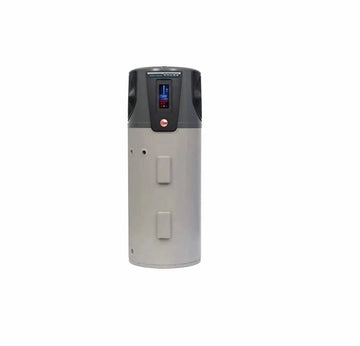
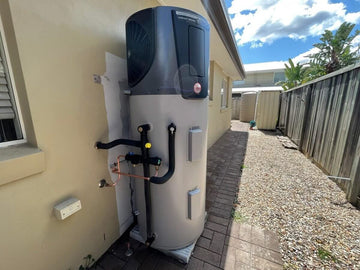
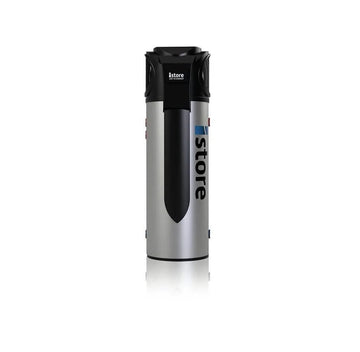
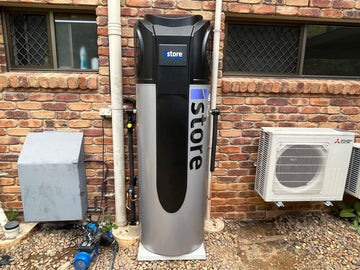
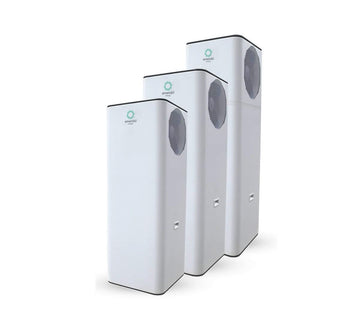
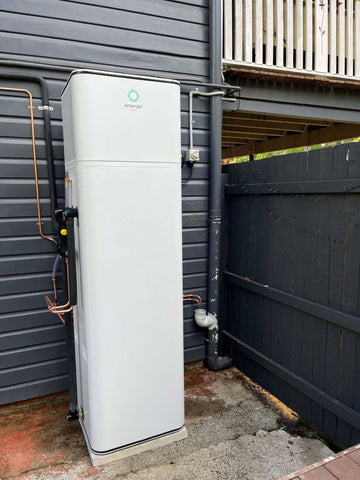
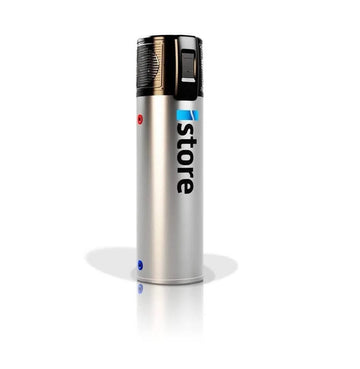
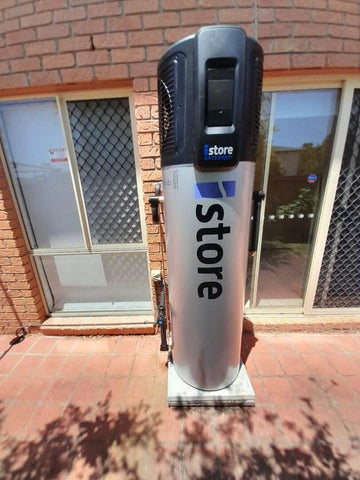
Heat Pump Hot Water Systems: 10–15 Years
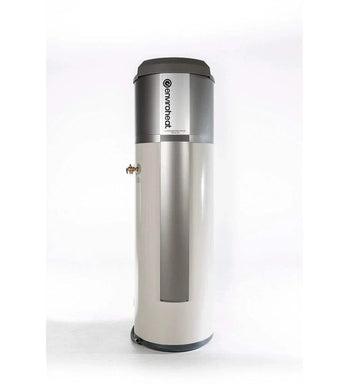
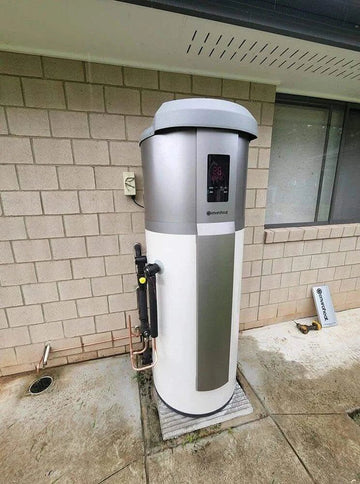
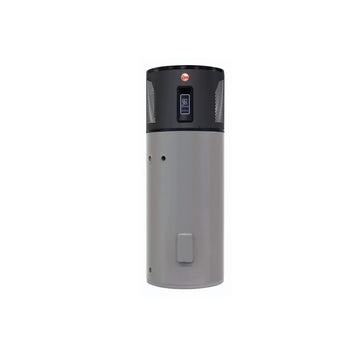
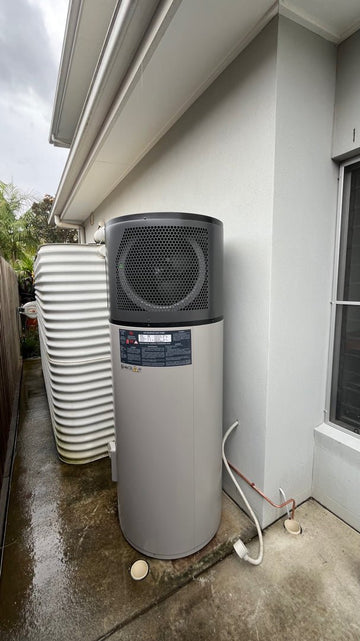
Heat pump hot water systems use heat from the surrounding air to help heat the water. They are a popular upgrade from older electric storage systems because they can use less electricity when installed in the right conditions.
A heat pump system commonly lasts around 10 to 15 years, depending on brand, installation quality, airflow, maintenance and site conditions.
Common Signs a Heat Pump Is Ageing
Fan or compressor noise changes
The system takes longer to recover
Error codes appear
Hot water becomes inconsistent
Water leaks around the tank
The unit struggles in normal conditions
Electrical or control faults occur
The system is no longer economical to repair
Heat pumps need good airflow, drainage and correct placement. If your old electric system is due for replacement, it may be worth comparing heat pump hot water systems, especially for suitable homes with solar PV or strong daily hot water use.
Solar Hot Water Systems: 15–20+ Years
Solar hot water systems use roof-mounted collectors to heat water, usually with an electric or gas booster for cloudy days and higher demand.
A well-maintained solar hot water system can last around 15 to 20+ years, but different parts may age at different rates. Tanks, pumps, controllers, valves, roof collectors and boosters can all have different service lives.
Common Signs a Solar System Needs Repair or Replacement
Booster not working
Poor hot water on cloudy days
Leaks around the tank or roof collectors
Pump failure
Controller faults
Noisy operation
Rust or corrosion
Hot water is inconsistent
System is expensive to repair compared with replacement
Solar can still be a strong option for suitable homes, but roof condition, shading, collector placement and booster setup matter. JR Gas & Water can help compare solar hot water systems if your current system is old or no longer performing.
What Affects Hot Water System Lifespan?
1. Water Quality
Water quality can affect tank life, valves, elements, anodes and internal components. Sediment, minerals and corrosion can all contribute to wear over time.
Signs water quality may be affecting your system include:
Rusty water
Metallic smell
Sediment in hot water
Noisy tank operation
Frequent valve issues
Scale around fixtures
Reduced hot water performance
If sediment or water quality is affecting fixtures around the home, JR Gas & Water can also help compare water filters.
2. Water Pressure
High water pressure can shorten the life of hot water systems, valves, flexible hoses, taps and toilets.
Signs of pressure-related issues may include:
Relief valves discharging often
Taps dripping repeatedly
Water hammer
Toilet inlet valves failing
Hot water valves wearing quickly
Noisy pipework
Multiple fixtures leaking around the same time
If high pressure is not corrected, a new hot water system may still be under unnecessary strain.
3. Installation Quality
A hot water system can fail early if it is installed poorly or matched incorrectly to the property.
Installation factors that affect lifespan include:
Correct system sizing
Suitable valves
Correct base or support
Compliant drainage
Correct gas supply where applicable
Safe electrical connection
Correct heat pump airflow
Suitable solar collector placement
Correct pipework
Good access for servicing
Manufacturer installation requirements
JR Gas & Water can help compare system options through the quote request page before replacement work begins.
4. Household Usage
A system serving a large family will usually work harder than a system serving one or two people.
Higher hot water demand can come from:
Multiple bathrooms
Back-to-back showers
Large families
Teenagers
High laundry use
Frequent guests
Long showers
Large baths
Home businesses
Rental properties
An undersized system can wear faster because it is constantly recovering and operating under heavy demand.
5. Location and Exposure
Outdoor systems in Brisbane and the Gold Coast are exposed to heat, storms, humidity, pests, UV and sometimes coastal corrosion.
Location-related issues include:
Rust around the tank
Sun exposure
Storm debris
Poor drainage around the base
Coastal corrosion
Leaves and dirt around heat pumps
Restricted airflow
Systems installed too close to walls or fences
Tight access for servicing
A system installed in a poor location may have a shorter life than the same model installed in a better position.
6. Maintenance History
Maintenance can make a major difference, especially for storage tanks, solar systems, gas units and heat pumps.
Helpful maintenance may include:
Checking valves
Replacing anodes where required
Servicing gas burners
Cleaning heat pump airflow areas
Checking solar pumps and controllers
Inspecting for leaks
Testing system performance
Keeping outdoor units clear
Checking for corrosion
Reviewing temperature and pressure issues
If your system has not been serviced for years, a professional check can help identify whether repair or replacement is more sensible.
Signs Your Hot Water System Needs Replacing
Some faults are repairable. Others are signs the system is close to the end.
Replacement may be the better option if you notice:
The tank is leaking
Rust is spreading around the system
Hot water is discoloured
The system is over 10 to 15 years old
Repairs are becoming frequent
The system runs out of hot water quickly
Water temperature fluctuates
Energy bills have increased without another clear reason
The system makes unusual noises
Valves keep failing
The unit trips power
Gas ignition faults keep returning
Parts are expensive or hard to source
A leaking storage tank usually means replacement, not repair.
Repair or Replace: How to Decide
Repair May Make Sense If
The system is still relatively new
The tank is not leaking
The issue is a replaceable valve, thermostat or element
Parts are available
The system is correctly sized
Repair cost is low compared with replacement
The unit has been reliable until now
Replacement May Be Better If
The tank is leaking
The system is old
Repairs are becoming regular
The system is undersized
The unit is inefficient
The repair cost is close to replacement cost
Major components have failed
The system no longer suits the household
You want to upgrade to a more efficient option
JR Gas & Water can help assess repair options through hot water repairs and servicing or compare replacement options if the system is no longer worth repairing.
How to Extend the Life of Your Hot Water System
You cannot make a hot water system last forever, but you can reduce avoidable wear.
Practical tips include:
Book servicing when performance changes
Do not ignore leaks
Keep outdoor systems clear of debris
Check for rust around the tank and valves
Watch for relief valve discharge
Fix high water pressure issues early
Replace worn valves when needed
Keep heat pump airflow clear
Do not store items against the system
Check gas systems if ignition or flame issues appear
Review system age before spending on major repairs
Choose the right size system for the household
Regular checks are especially important once a system passes 8 to 10 years old.
Should You Upgrade Before the System Fails?
Waiting until a hot water system fails completely can leave the household without hot water and reduce the time available to compare better options.
It may be worth planning a replacement if:
The system is older than 10 years
Rust is visible
The system is in a poor location
Hot water demand has increased
You are renovating
You want to compare heat pumps or solar
The system is inefficient
The household regularly runs out of hot water
The current system is difficult to service
You want a planned upgrade instead of an emergency replacement
Planning ahead gives you more time to compare heat pump hot water systems, electric hot water systems, gas storage hot water systems, instant gas hot water systems and solar hot water systems.
Best Replacement Options by Situation
| Situation | Best Options to Compare |
|---|---|
| Old electric storage unit | Electric storage or heat pump |
| Large family running out of hot water | Large heat pump, twin element electric or instant gas |
| Home with suitable gas supply | Instant gas or gas storage |
| Solar PV household | Heat pump hot water |
| Existing solar system failing | Solar replacement or heat pump comparison |
| Budget-focused replacement | Electric storage |
| High-use household | Heat pump, instant gas or larger storage |
| Tight outdoor space | Electric storage, gas storage or selected instant gas |
| Long-term running cost focus | Heat pump or solar where suitable |
The best replacement is the one that fits the home, not just the old system footprint.
Local Brisbane and Gold Coast Considerations
Hot water systems in Brisbane, the Gold Coast and South East Queensland can be affected by local conditions.
Common local factors include:
High water pressure in some areas
Coastal corrosion around Gold Coast properties
Storm exposure
Tight side access on newer homes
Older pipework in established suburbs
Clay soil movement affecting underground services
Large family homes with high evening demand
Solar PV homes considering heat pumps
Townhouses with limited system locations
Acreage homes using LPG or long pipe runs
Outdoor heat pump noise placement near neighbours
These site conditions can affect system lifespan, replacement cost and which type of system is most suitable.
What JR Gas & Water Can Help With
JR Gas & Water can help customers repair, service or replace hot water systems across Brisbane, the Gold Coast and nearby South East Queensland areas.
Relevant support includes:
Book hot water repairs and servicing if your system is leaking, noisy, rusty or unreliable
Compare electric hot water systems for straightforward storage replacements
Review heat pump hot water systems for efficient electric upgrades
Compare gas storage hot water systems for existing gas storage homes
Consider instant gas hot water systems for continuous flow hot water
Review solar hot water systems for suitable roof and booster setups
Use the quote request page for photos, model details and practical recommendations
FAQs About Hot Water System Lifespan
How long does a hot water system last?
Most hot water systems last around 8 to 15 years, but some systems can last 20 years or more with the right installation and maintenance. Lifespan depends on system type, water quality, usage, location and servicing.
How long does an electric hot water system last?
An electric storage hot water system commonly lasts around 10 to 15 years. It may fail earlier if the tank corrodes, valves are neglected, water pressure is high or the unit is heavily used.
How long does a gas hot water system last?
Gas storage systems often last around 8 to 12 years, while instant gas systems may last around 15 to 20 years when correctly installed and maintained.
How long does a heat pump hot water system last?
A heat pump hot water system commonly lasts around 10 to 15 years, depending on model quality, airflow, installation location, maintenance and household usage.
How long does a solar hot water system last?
Solar hot water systems may last around 15 to 20+ years, but components such as pumps, boosters, valves, tanks and collectors can age at different rates.
Is it worth repairing a 10-year-old hot water system?
It depends on the fault. A minor valve, thermostat or element issue may be worth repairing if the tank is sound. If the tank is leaking, rusted or the system has repeated faults, replacement is usually more sensible.
What are the signs my hot water system is about to fail?
Common warning signs include leaks, rust, discoloured water, inconsistent temperature, poor recovery, unusual noises, higher bills, frequent repairs, power tripping or gas ignition faults.
Can JR Gas & Water check whether my system needs replacing?
Yes. JR Gas & Water can help assess the age, condition and fault symptoms of your hot water system and recommend whether servicing, repair or replacement is the better option.
Final Thoughts
A hot water system can last anywhere from around 8 to 20+ years depending on the system type, installation, water quality, maintenance and household demand.
If your system is still performing well, maintenance can help extend its life. If it is leaking, rusty, unreliable or costing more to repair, replacement may be the better long-term choice.
Need help checking your hot water system?
JR Gas & Water can help with hot water repairs and servicing, compare suitable heat pump hot water systems, or review photos and model details through the quote request page.