Gas Pipe Sizing for New Appliances: Why It Matters
Gas pipe sizing matters because every gas appliance needs the right volume of gas at the right pressure to operate safely and correctly. If the gas pipe is too small, too long, poorly routed or overloaded by too many appliances, the new appliance may have weak flames, ignition problems, pressure drop, poor performance, fault codes or fail compliance checks.
This is especially important when adding a new gas cooktop, upgrading to a larger stove, installing a gas BBQ point, adding a gas heater, replacing a gas hot water system, converting to LPG, or extending gas pipework to an outdoor kitchen.
JR Gas & Water can help with gas line installations in Brisbane and the Gold Coast, including new gas points, gas pipe upgrades, appliance connections, LPG and natural gas pipework, and compliance-focused gas fitting.
Quick Answer: Why Does Gas Pipe Sizing Matter?
Gas pipe sizing matters because an appliance must receive enough gas to run correctly when other gas appliances are also operating.
A licensed gasfitter may need to check:
-
Gas type: natural gas or LPG
-
Appliance gas load
-
Total gas load across the property
-
Existing pipe size
-
Pipe material
-
Pipe length
-
Number of bends and fittings
-
Gas meter or LPG regulator capacity
-
Existing appliances already connected
-
Pressure drop
-
Appliance operating pressure
-
Whether future appliances are planned
-
Whether the pipe route is practical and compliant
-
Whether the installation can be certified
If the gas line is undersized, simply connecting the new appliance may not be safe, compliant or reliable.
What Is Gas Pipe Sizing?
Gas pipe sizing is the process of working out what size gas pipe is needed to supply one or more gas appliances correctly.
A gasfitter does not choose the pipe size by guesswork. Pipe sizing depends on the gas system, appliance load, pipe route, pressure, distance and number of appliances.
Gas pipe sizing is needed for:
-
New gas cooktops
-
Gas ovens
-
Freestanding gas stoves
-
Gas hot water systems
-
Gas BBQ points
-
Outdoor kitchens
-
Gas bayonets
-
Gas heaters
-
Pool heating
-
Commercial gas appliances
-
LPG conversions
-
Natural gas conversions
-
Gas line extensions
-
Appliance upgrades
-
Renovations and new builds
A gas pipe that worked for one small appliance may not be suitable once extra appliances are added.
Why Existing Gas Pipes May Not Be Big Enough
Many homes already have gas pipework installed. That does not automatically mean the pipework can support a new appliance.
The existing gas line may have been sized for:
-
One old cooktop
-
One old gas hot water system
-
Smaller appliance loads
-
Shorter pipe runs
-
A previous kitchen layout
-
No outdoor BBQ connection
-
No gas heater
-
No future appliance upgrades
If you add a larger cooktop, gas BBQ, heater or extra gas appliance, the total gas demand may exceed what the old pipework can supply.
JR Gas & Water can assess gas pipework as part of gas appliance installation or new gas point planning.
Gas Load: The Main Starting Point
Each gas appliance has a gas consumption rating. This is usually shown on the appliance data plate or installation manual.
A gasfitter checks the load of each connected appliance, then considers the total demand on the gas system.
Common gas appliances include:
-
Gas cooktops
-
Gas ovens
-
Gas stoves
-
Gas hot water systems
-
Gas heaters
-
Gas BBQs
-
Outdoor kitchen appliances
-
Gas bayonets
-
Commercial cooking appliances
A new appliance can increase total gas demand significantly, especially if it includes a high-output wok burner, large BBQ, instant gas hot water system or commercial appliance.
What Happens If a Gas Pipe Is Too Small?
An undersized gas pipe can cause performance, safety and compliance problems.
Possible symptoms include:
-
Weak burner flames
-
Flames dropping when another appliance turns on
-
Cooktop taking longer to heat
-
BBQ not reaching temperature
-
Hot water unit fault codes
-
Instant gas hot water cutting in and out
-
Gas heater underperforming
-
Yellow or unstable flames
-
Appliance ignition issues
-
Pressure drop during operation
-
Appliance failing commissioning checks
-
Compliance issues during certification
The appliance may still light, but that does not mean the gas supply is correct.
The Problem With “It Worked Before”
A common mistake is assuming the gas pipe is suitable because the old appliance worked.
That may not be true if:
-
The new appliance has a higher gas load
-
A larger cooktop has been installed
-
A wok burner has been added
-
A BBQ point has been added
-
A gas heater has been added
-
The hot water system has been upgraded
-
The pipe route has been extended
-
The kitchen has been moved
-
The home changed from LPG to natural gas or the reverse
-
The old appliance was already underperforming
An old gas line may have been barely adequate for the previous setup. Adding one more appliance can expose the problem.
Natural Gas vs LPG Pipe Sizing
Natural gas and LPG are not the same. They have different pressure arrangements, appliance requirements and regulator setups.
Gas pipe sizing must consider the gas type.
Natural Gas
Natural gas is usually supplied through a gas meter connected to the street network.
Natural gas pipe sizing may involve:
-
Gas meter capacity
-
Distance from meter to appliance
-
Existing appliance load
-
Pipe diameter
-
Pipe material
-
Pressure drop
-
Appliance operating pressure
-
Future appliances
-
Gas line route through the property
Natural gas systems often supply cooktops, hot water, heaters and BBQ points from the same meter.
LPG
LPG is commonly supplied from gas bottles or cylinders.
LPG pipe sizing may involve:
-
Bottle location
-
Regulator type and capacity
-
Pipe run length
-
Appliance load
-
Pressure setting
-
Bottle changeover setup
-
External pipework
-
Gas line protection
-
Appliance conversion status
-
Ventilation and clearances
LPG is common in acreage homes, rural-residential properties, outdoor kitchens and homes without natural gas.
JR Gas & Water can help with LPG conversions, LPG gas line checks and appliance suitability where gas type changes are involved.
Pipe Length Matters
The longer the pipe run, the more carefully the pipe needs to be sized.
A gas appliance located close to the meter may be easier to supply than an appliance at the far end of the house, outdoor kitchen, shed, granny flat or pool area.
Long pipe runs can be affected by:
-
Distance from gas supply
-
Pipe diameter
-
Number of fittings
-
Bends and elbows
-
Pipe material
-
Appliance load
-
Other appliances using gas at the same time
-
Pressure drop
-
Accessibility for installation
-
Protection from damage
This is why moving a kitchen or adding a BBQ point at the back of the house may not be a simple branch off the nearest pipe.
Bends, Fittings and Route Also Matter
Gas does not just travel through straight pipe. It travels through elbows, tees, valves, regulators and appliance connections.
The pipe route affects gas flow.
A gasfitter needs to consider:
-
Number of bends
-
Number of fittings
-
Pipe branches
-
Isolation valves
-
Regulators
-
Connection points
-
Vertical rises
-
External pipe routes
-
Subfloor or roof space access
-
Pipe protection
-
Appliance location
-
Future servicing access
A short pipe with many fittings may perform differently from a longer but simpler route.
Pipe Material Matters
Different gas pipe materials have different sizing, installation and support requirements.
A gasfitter may need to consider:
-
Copper pipe
-
Multilayer pipe where suitable
-
Steel pipe in some applications
-
Existing older pipework
-
External pipe exposure
-
Underground pipe requirements
-
Protection from corrosion
-
Support and clipping
-
Manufacturer requirements
-
Compatibility with existing fittings
Old pipework should not automatically be reused without checking condition, suitability and compliance.
Total Appliance Load Matters
The gas system must be assessed as a whole.
For example, a home may have:
-
Gas cooktop
-
Gas hot water system
-
Outdoor BBQ point
-
Gas heater bayonet
-
Future outdoor kitchen
-
LPG bottle supply
Each appliance adds load. The pipework must be able to support the connected appliances under normal operating conditions.
The issue often appears when more than one appliance is running at the same time.
Example symptoms include:
-
Cooktop flame drops when hot water turns on
-
BBQ struggles when the cooktop is running
-
Hot water system faults when multiple burners are on
-
Heater output drops during cooking
-
Appliance pressure is acceptable alone but poor under load
Gas pipe sizing needs to consider the real system, not just one appliance in isolation.
Gas Pipe Sizing for Cooktops
Gas cooktops can vary widely in gas demand.
A small four-burner cooktop may have a much lower load than a larger cooktop with a high-output wok burner.
Pipe sizing should be checked when:
-
Replacing an old cooktop
-
Installing a 90cm cooktop
-
Adding a wok burner
-
Changing from electric to gas
-
Moving the kitchen
-
Changing from LPG to natural gas
-
Changing from natural gas to LPG
-
Adding other gas appliances at the same time
-
Existing burner performance is poor
JR Gas & Water provides gas cooktop installation in Brisbane and the Gold Coast, including gas type, pipework and appliance suitability checks.
Gas Pipe Sizing for Gas Ovens and Stoves
Gas ovens and freestanding stoves may require more gas than a cooktop alone, especially where the appliance includes oven, grill and cooktop burners.
Pipe sizing should be checked when:
-
Replacing an old freestanding gas stove
-
Installing a larger gas oven
-
Installing a combined cooktop and oven
-
Changing appliance brand or output
-
Installing in a rental property
-
Renovating a kitchen
-
Changing gas type
-
Moving the appliance location
JR Gas & Water can help with gas oven installation and gas stove and cooktop replacement.
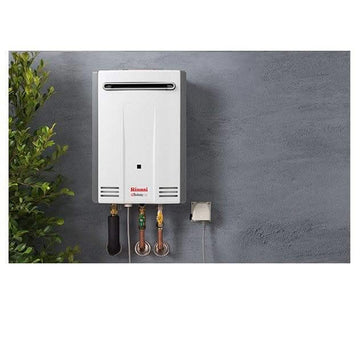
Gas Pipe Sizing for Gas Hot Water Systems
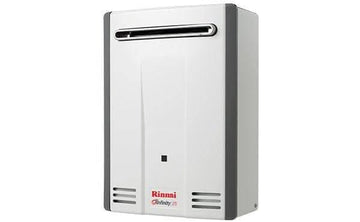
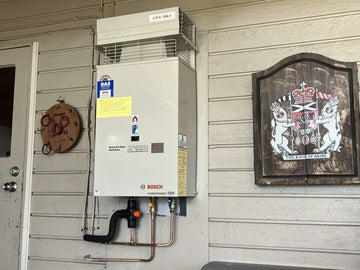
Gas hot water systems can have high gas demand, especially instant gas hot water units. A system that is undersupplied may fault, fail to heat properly or perform poorly when other gas appliances operate.
Pipe sizing is important when:
-
Replacing gas storage hot water
-
Installing instant gas hot water
-
Upgrading to a larger unit
-
Adding more bathrooms
-
Changing from electric to gas hot water
-
Moving the hot water unit
-
Adding gas cooking at the same time
-
LPG bottles supply the home
-
The gas line is long
-
The old unit had ignition or pressure-related issues
JR Gas & Water provides hot water system services and gas fitting support where gas supply needs to be checked for new or replacement hot water systems.
Gas Pipe Sizing for BBQ Points
Gas BBQs can have large burners and high gas demand. A natural gas BBQ point at the back patio may need a longer gas run than expected.
Pipe sizing should be checked when:
-
Installing a natural gas BBQ point
-
Converting an LPG BBQ to natural gas
-
Installing a built-in BBQ
-
Adding an outdoor kitchen
-
Running gas to a patio or deck
-
Adding a BBQ point far from the meter
-
Installing a high-output BBQ
-
Connecting multiple outdoor appliances
JR Gas & Water provides gas BBQ installation in Brisbane and the Gold Coast, including BBQ gas points, natural gas and LPG connection checks.
Gas Pipe Sizing for Outdoor Kitchens
Outdoor kitchens often combine BBQs, cooktops, sinks, fridges, hot water, cabinets and sometimes LPG or natural gas appliances.
Gas sizing is important because outdoor appliances may have high loads and long pipe runs.
Checks may include:
-
Natural gas or LPG supply
-
BBQ load
-
Cooktop load
-
Future appliance allowance
-
Pipe run distance
-
Cabinet ventilation
-
Weather exposure
-
Isolation access
-
Gas bottle location if LPG
-
Regulator sizing
-
Compliance documentation
JR Gas & Water can help with outdoor kitchen plumbing and gas fitting, including gas, water and drainage planning for alfresco areas.
Gas Pipe Sizing for Gas Heaters and Bayonets
Gas heaters and bayonet points can add a significant load to the gas system. A heater may run at the same time as hot water or cooking, so the system must be sized accordingly.
Pipe sizing should be checked when:
-
Adding a heater bayonet
-
Installing a portable gas heater connection
-
Adding a patio heater
-
Installing a gas point in a living area
-
Adding a gas point in a shed or workshop
-
Connecting heaters to LPG
-
Running pipework across the home
-
Adding multiple bayonets
The location also matters because gas heaters need suitable ventilation, clearances and appliance compatibility.
Gas Pipe Sizing for Commercial Appliances
Commercial gas appliances often have much higher gas loads than domestic appliances.
Pipe sizing is critical for:
-
Commercial cooktops
-
Woks
-
Fryers
-
Ovens
-
Grills
-
Hot water units
-
Commercial BBQs
-
Café and restaurant kitchens
-
Food production areas
-
Multiple appliances operating together
JR Gas & Water provides commercial kitchen gas fitouts and commercial plumbing support for businesses needing gas appliance and pipework support.
New Appliance Installation: Why the Whole Gas System Must Be Checked
When adding a new appliance, the gasfitter needs to consider the whole gas system, not only the new connection point.
This includes:
-
Existing appliance load
-
Future planned appliances
-
Gas meter or LPG regulator capacity
-
Pipe sizing
-
Pipe route
-
Gas pressure
-
Appliance location
-
Ventilation
-
Clearances
-
Testing requirements
-
Compliance documentation
-
Whether old pipework needs replacement
A gas appliance can only perform correctly if the supply system is suitable.
Appliance Data Plate: Why It Matters
The appliance data plate tells the gasfitter important information about the appliance.
It may show:
-
Brand
-
Model number
-
Gas type
-
Gas consumption
-
Operating pressure
-
Injector information
-
Approval details
-
Serial number
-
Conversion details where applicable
Before quoting or installing a gas appliance, photos of the appliance data plate are helpful.
If the data plate is missing, unreadable or does not match the appliance setup, the installation may not be able to proceed.
Gas Meter Capacity
For natural gas properties, the gas meter and regulator setup must be able to support the connected appliances.
A gasfitter may need to check:
-
Meter capacity
-
Existing connected load
-
New appliance load
-
Pressure under operation
-
Whether the meter or network supply needs review
-
Whether pipework is the limiting factor
-
Whether appliances can run together
A large appliance upgrade may reveal that the meter, regulator or pipework cannot support the total load.
LPG Regulator Capacity
For LPG systems, the regulator and bottle setup must suit the appliances.
A gasfitter may need to check:
-
Regulator capacity
-
Bottle size and setup
-
Changeover arrangement
-
Pipe length
-
Appliance load
-
Pressure under operation
-
Bottle location
-
Ventilation and clearances
-
Whether the setup is suitable for the new appliance
An LPG appliance may perform poorly if the regulator or bottle setup cannot supply the load correctly.
Gas Pressure Drop
Pressure drop happens when gas pressure reduces as gas travels through pipework and fittings, especially when appliances are operating.
Some pressure drop is expected, but too much can cause appliance problems.
Pressure drop can be affected by:
-
Pipe size
-
Pipe length
-
Pipe material
-
Number of fittings
-
Appliance load
-
Gas type
-
Regulator performance
-
Multiple appliances operating together
-
Old or damaged pipework
A gasfitter checks whether pressure remains suitable for the appliance under operating conditions.
Signs Your Gas Line May Be Undersized
A gas line may be undersized if you notice:
-
Weak flames on a cooktop
-
Flames drop when hot water turns on
-
Hot water system fault codes
-
Instant gas hot water cuts out
-
BBQ does not heat properly
-
Heater output is poor
-
Gas appliances struggle when used together
-
Yellow, lifting or unstable flames
-
Appliance takes longer to heat
-
Poor performance after a new appliance was added
-
Gasfitter records pressure drop during testing
These signs do not always prove pipe sizing is the cause, but they are worth checking.
Can an Undersized Gas Pipe Be Dangerous?
An undersized gas pipe can create unsafe or non-compliant conditions because appliances may not receive the gas supply they need to operate as designed.
Possible risks include:
-
Poor combustion
-
Appliance malfunction
-
Failed commissioning
-
Gas pressure issues
-
Appliance shutdown or fault codes
-
Unsafe flame behaviour
-
Non-compliant installation
-
Customer assuming the appliance is faulty when the supply is the issue
If gas pressure is not suitable, the appliance should not simply be forced into operation.
Can You Just Increase the Gas Pressure?
No. Increasing gas pressure is not a simple workaround for undersized pipework.
Gas pressure must match the appliance, regulator, gas type and system design. Incorrect pressure can create unsafe appliance operation.
A licensed gasfitter must assess the system and determine whether the issue is pipe size, regulator capacity, meter supply, appliance fault, blockage, gas type or another problem.
Can You Add a New Appliance to an Existing Gas Line?
Sometimes, but only after the gas line capacity has been checked.
A new appliance may be added if:
-
The existing pipe is large enough
-
The total appliance load is acceptable
-
Pressure drop is within allowable limits
-
Gas meter or LPG regulator capacity is suitable
-
The pipe route is accessible and compliant
-
Isolation and connection requirements can be met
-
The work can be tested and certified
If the existing line is too small or poorly routed, a new gas line or pipe upgrade may be needed.
Can You Tee Off the Nearest Gas Pipe?
Not automatically.
A gas pipe should not be branched simply because it is nearby. The pipe may not be sized for the extra load, and the branch location may not support safe pressure and flow.
Before adding a tee, a gasfitter needs to check:
-
Pipe size
-
Appliance load
-
Gas pressure
-
Pipe route
-
Distance to appliance
-
Other appliances downstream
-
Isolation access
-
Compliance requirements
-
Whether a new run is better
The closest pipe is not always the correct pipe.
Gas Pipe Sizing During Kitchen Renovations
Kitchen renovations are one of the most common times gas pipe sizing becomes important.
You may need pipe sizing checks if:
-
The cooktop is moving
-
The cooktop is larger
-
A wok burner is being added
-
A gas oven is being installed
-
A kitchen island needs gas
-
Cabinets now block access
-
The old gas valve is in the wrong spot
-
An outdoor kitchen is being added at the same time
-
The home is changing from electric to gas
-
The old gas line is being capped or rerouted
JR Gas & Water’s kitchen renovation plumbing service can help plan gas, water, waste, appliances and fit-off before cabinetry and benchtops are finalised.
Gas Pipe Sizing During Outdoor Kitchen Builds
Outdoor kitchens often need longer gas pipe runs and may involve high-output appliances.
Pipe sizing should be checked before:
-
Cabinets are built
-
Benchtops are installed
-
BBQ model is selected
-
Gas bottles are positioned
-
Natural gas pipe route is finalised
-
Decking or paving is completed
-
Walls or cladding are closed
-
Appliance clearances are locked in
Planning early avoids exposed pipework, poor access and expensive rework later.
Gas Pipe Sizing for LPG Conversions
Changing an appliance or property setup to LPG is not only about changing jets. Pipe sizing, regulator capacity and bottle setup matter too.
LPG conversion checks may include:
-
Appliance conversion approval
-
LPG injectors
-
Regulator selection
-
Bottle location
-
Pipe length
-
Appliance load
-
Pressure testing
-
Burner commissioning
-
Compliance documentation
JR Gas & Water provides LPG conversions for suitable appliances and compliant LPG setups.
Gas Pipe Sizing for Future Appliances
If you are already installing new gas pipework, it may be worth considering future appliances.
Future planning may include:
-
Outdoor BBQ
-
Gas heater
-
Hot water upgrade
-
Larger cooktop
-
Outdoor kitchen
-
Granny flat
-
Pool heating
-
Commercial appliance
-
Additional LPG appliance
-
Second gas point
This does not mean overbuilding without reason, but it does mean the gasfitter should know your plans before sizing the line.
Gas Pipe Sizing for Granny Flats and Extensions
Granny flats, extensions and secondary dwellings can add significant gas demand.
Gas pipe sizing may need to consider:
-
Separate cooktop
-
Gas hot water
-
Outdoor BBQ
-
Long pipe runs
-
Existing home appliances
-
Meter or LPG regulator capacity
-
Compliance requirements
-
Isolation access
-
Future maintenance
A new gas point for a secondary dwelling should be properly planned rather than added casually to the existing line.
Gas Pipe Sizing for Rental Properties
Rental properties should have reliable, safe and compliant gas supply.
Pipe sizing issues may appear after:
-
Cooktop replacement
-
Hot water replacement
-
Heater addition
-
Tenant reports poor appliance performance
-
LPG conversion
-
Kitchen renovation
-
Outdoor BBQ point addition
-
Old gas pipework repairs
Property owners and managers should keep compliance documentation for gas work and address poor appliance performance early.
Gas Pipe Sizing for Older Brisbane Homes
Older Brisbane homes may have gas pipework that was installed for older appliances and smaller loads.
Common issues include:
-
Older copper or steel pipework
-
Previous kitchen renovations
-
Old cooktops replaced with larger models
-
Gas hot water added later
-
LPG conversions in outer suburbs
-
High-set access under floors
-
Long pipe runs to kitchens or decks
-
Old isolation valves
-
Pipework that has been altered over time
If the home has a history of poor gas appliance performance, pipe sizing and pressure should be checked before adding new appliances.
Gas Pipe Sizing for Gold Coast Homes
Gold Coast homes may include apartments, duplexes, outdoor kitchens, coastal properties, hinterland LPG setups and renovated kitchens.
Common issues include:
-
Outdoor BBQ points
-
Coastal exposure to external gas pipework
-
LPG bottle setups in hinterland areas
-
Apartment access limitations
-
Body corporate requirements
-
Cooktop upgrades in renovated kitchens
-
Outdoor kitchens with high-output BBQs
-
Long gas pipe routes around patios
For body corporate properties, access and service isolation may need to be confirmed before gas work starts.
Gas Pipe Sizing for Acreage and Rural-Residential Homes
Acreage homes often use LPG and may have longer pipe runs to kitchens, sheds, granny flats, outdoor kitchens or hot water systems.
Considerations include:
-
LPG bottle location
-
Regulator capacity
-
Long external gas runs
-
Appliance load
-
Pipe protection
-
Vehicle and machinery exposure
-
Shed or outdoor kitchen gas points
-
Gas hot water location
-
Future appliance plans
-
Compliance documentation
Long LPG lines should be planned carefully so appliances receive correct pressure at the point of use.
Gas Pipe Sizing for Commercial Properties
Commercial gas systems usually need more detailed planning because appliances are larger and often operate for long periods.
Sizing considerations include:
-
Total commercial appliance load
-
Woks, fryers, ovens and grills
-
Hot water demand
-
Gas meter capacity
-
Regulator requirements
-
Pipe routes
-
Ventilation and extraction
-
Emergency isolation
-
Appliance commissioning
-
Compliance documentation
-
Future kitchen expansion
JR Gas & Water can help with commercial kitchen gas fitouts and commercial plumbing where business gas systems need planning or upgrades.
What a Gasfitter Checks Before Sizing a New Gas Line
A gasfitter may ask for or inspect:
-
Appliance model
-
Appliance data plate
-
Gas type
-
Appliance gas load
-
Existing gas meter or LPG bottle setup
-
Existing pipework
-
Pipe route access
-
Other gas appliances
-
Distance from supply to appliance
-
Proposed appliance location
-
Ventilation and clearances
-
Future appliance plans
-
Whether compliance documentation is required
For quoting, photos can help, but gas pipe sizing often needs a proper site check when the pipe route or appliance load is uncertain.
Helpful Photos To Send Before Booking
Helpful photos include:
-
Gas meter
-
LPG bottles and regulator
-
Existing gas appliances
-
Appliance data plate
-
Installation manual
-
Proposed appliance location
-
Existing gas pipework if visible
-
Under-bench cooktop area
-
Hot water system location
-
Outdoor kitchen area
-
BBQ location
-
Pipe route access under floor, through wall or roof space
-
Any existing gas compliance certificate
Send these through the JR Gas & Water quote and booking page when requesting new gas pipework or appliance installation.
What Not To Do
Avoid these common mistakes:
-
Do not install or alter gas pipework yourself
-
Do not assume the nearest gas pipe can be used
-
Do not assume a larger appliance can use the old gas line
-
Do not connect LPG and natural gas appliances interchangeably
-
Do not ignore weak flames or pressure-related appliance faults
-
Do not upgrade a cooktop without checking gas load
-
Do not add a BBQ point without checking pipe size
-
Do not hide gas isolation valves behind cabinetry
-
Do not install outdoor appliances without checking ventilation
-
Do not ignore compliance documentation
-
Do not assume one successful appliance test means all appliances can run together
-
Do not increase regulator pressure as a shortcut
Gas line sizing and installation must be completed by a licensed gasfitter.
When You Need a New Gas Line or Upgrade
A new or upgraded gas line may be needed when:
-
Adding a new gas appliance
-
Replacing a small appliance with a larger one
-
Installing a high-output cooktop
-
Adding an outdoor BBQ point
-
Building an outdoor kitchen
-
Installing gas hot water
-
Adding a gas heater or bayonet
-
Moving the kitchen
-
Converting from electric to gas
-
Extending gas to a granny flat or shed
-
Existing pipework is undersized
-
Existing pipework is damaged or non-compliant
-
Pressure drop is too high
-
The pipe route is being changed during renovation
JR Gas & Water’s gas line installation service is the best starting point for new pipework, pipe upgrades and new gas appliance points.
Gas Compliance Certificates and Pipe Sizing
Gas pipe sizing is part of compliant gas work. If the pipework does not supply the appliance correctly, the installation may not be able to be certified.
Compliance documentation may be relevant for:
-
New gas line installation
-
Gas appliance installation
-
Gas cooktop replacement
-
LPG conversion
-
BBQ gas point installation
-
Outdoor kitchen gas work
-
Gas hot water installation
-
Gas leak repair
-
Gas line alteration
-
Commercial gas work
JR Gas & Water provides gas compliance certificates in Brisbane and the Gold Coast and gas compliance assessment services where gas systems need checking, repair or certification.
How JR Gas & Water Can Help
JR Gas & Water can help with gas pipe sizing, gas line installation, gas appliance installation, gas cooktop installation, BBQ gas points, outdoor kitchen gas fitting, LPG conversions, gas hot water connections, gas leak repairs and compliance checks across Brisbane, the Gold Coast and South East Queensland.
Depending on the job, this may involve:
-
Checking gas type
-
Reviewing appliance gas load
-
Assessing existing pipework
-
Checking meter or LPG regulator capacity
-
Planning new pipe routes
-
Upgrading undersized gas lines
-
Installing new gas points
-
Testing gas pressure
-
Leak testing
-
Checking appliance performance
-
Providing compliance documentation where required
-
Advising whether an appliance can be safely added to the existing system
For new or upgraded gas pipework, start with gas line installations. For appliance work, use gas appliance installation, gas cooktop installation or gas BBQ installation.
FAQs About Gas Pipe Sizing
Why does gas pipe sizing matter?
Gas pipe sizing matters because appliances need enough gas at the correct pressure to operate safely and properly. If the pipe is too small, appliances may have weak flames, poor performance, pressure drop, ignition issues or compliance problems.
Can I add a new gas appliance to my existing gas line?
Sometimes, but the existing gas line must be checked first. The gasfitter needs to confirm pipe size, appliance load, gas pressure, gas type and whether other appliances can operate at the same time.
How do I know if my gas pipe is too small?
Signs may include weak flames, hot water fault codes, BBQ not heating properly, heater underperformance, flames dropping when another appliance turns on, or pressure drop during testing.
Does a bigger gas cooktop need a bigger gas pipe?
Possibly. A larger cooktop, especially one with a high-output wok burner, may need more gas than the old appliance. The gas line should be checked before installation.
Does LPG need different pipe sizing to natural gas?
Yes. LPG and natural gas systems have different pressure arrangements and appliance requirements. Pipe sizing must be assessed for the gas type being used.
Can a gasfitter tee off the nearest gas pipe?
Only if that pipe is suitable for the extra appliance load. The nearest pipe is not always the correct pipe to use.
Can low gas pressure damage an appliance?
Low or unstable gas pressure can cause poor appliance operation, fault codes, ignition issues and unsafe performance. The appliance should be supplied according to manufacturer requirements.
Do I need a compliance certificate for gas pipework?
Gas line installation, alteration, extension or appliance connection may require compliance documentation. A licensed gasfitter can advise based on the work completed.
Final Word
Gas pipe sizing for new appliances matters because every gas appliance needs the right supply to operate safely and correctly. A pipe that worked for an old cooktop may not be suitable for a larger cooktop, gas BBQ, hot water system, heater, outdoor kitchen or additional appliance.
The gas type, appliance load, pipe length, pipe material, fittings, meter or LPG regulator capacity, total connected appliances and pressure drop all affect whether the existing gas line is suitable.
JR Gas & Water can help with gas pipe sizing, gas line installation, appliance connections, cooktop upgrades, BBQ gas points, hot water gas connections, LPG conversions, gas leak repairs and compliance documentation across Brisbane, the Gold Coast and South East Queensland.
Book JR Gas & Water before adding or upgrading a gas appliance so the pipework is checked properly from the start.


Plumbing & Gas Fitting Across South East Queensland
Looking for a local plumber? JR Gas & Water provides plumbing and gas fitting services throughout Greater Brisbane, Logan, Ipswich, Moreton Bay, Redlands and the Gold Coast.
View all plumbing & gas fitting service areas