Gas Hot Water or Electric Hot Water: Which Suits SEQ Homes Better?
Gas hot water and electric hot water can both suit South East Queensland homes, but the best choice depends on the property, existing services, household size, energy setup, available space, installation cost, running cost, solar power, gas supply and how quickly the home needs hot water replaced. A like-for-like replacement is often the simplest option, but it is not always the best long-term choice.
For Brisbane, Gold Coast and SEQ homes, electric storage, heat pump, instant gas and gas storage hot water systems are all common. The right system for one home may be completely wrong for another. A family with solar power, no gas supply and good outdoor space may lean toward electric or heat pump. A home already using natural gas with limited electrical capacity may suit gas hot water. An acreage home on LPG needs a different assessment again.
JR Gas & Water supplies and installs hot water systems across Brisbane, the Gold Coast and South East Queensland, including electric, gas and heat pump options for replacement and upgrade work.
Quick Answer: Gas or Electric Hot Water?
Gas hot water may suit homes that:
-
Already have natural gas or LPG
-
Need strong recovery for larger hot water demand
-
Have limited electrical capacity
-
Want instant hot water without a large storage tank
-
Have an existing gas hot water system to replace
-
Do not have useful solar power
-
Have suitable gas line sizing, ventilation and compliance
-
Need hot water recovered quickly after use
Electric hot water may suit homes that:
-
Do not have gas connected
-
Already have a working electric hot water circuit
-
Want a simple storage replacement
-
Have solar power that can support daytime heating
-
Want to avoid LPG bottle management
-
Have space for a storage or heat pump unit
-
Want fewer gas compliance considerations
-
Are considering a heat pump for lower running costs
For many SEQ homes, a heat pump hot water system can also be worth considering because the climate is generally suitable and solar PV can help reduce running costs.
The Main Hot Water Options
Before comparing gas and electric, it helps to understand the main system types.
Common hot water options include:
-
Electric storage hot water
-
Heat pump hot water
-
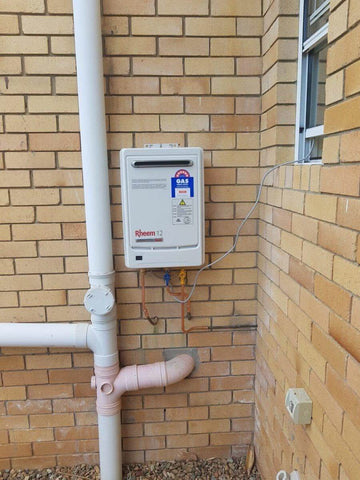
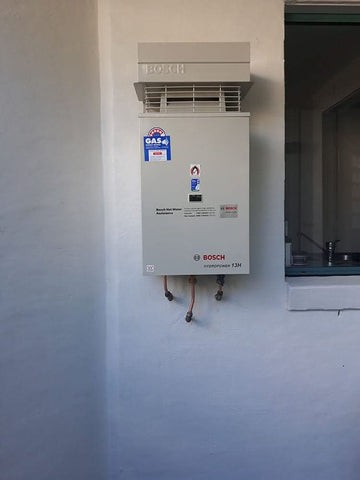
Instant gas hot water
-
Gas storage hot water
-
Solar hot water
-
Solar hot water with gas or electric boosting
This article focuses mainly on gas hot water versus electric hot water, but heat pumps are important because they are technically electric systems and often compete with both gas and standard electric storage.
What Is Electric Hot Water?
Electric hot water systems use electricity to heat water. The most common type is an electric storage tank, where water is heated and stored ready for use.
Electric hot water systems may include:
-
Standard electric storage units
-
Twin element electric storage units
-
Heat pump hot water systems
-
Electric instantaneous systems
-
Solar hot water with electric boosting
For most homes, “electric hot water” usually means a storage tank or heat pump.
What Is Gas Hot Water?
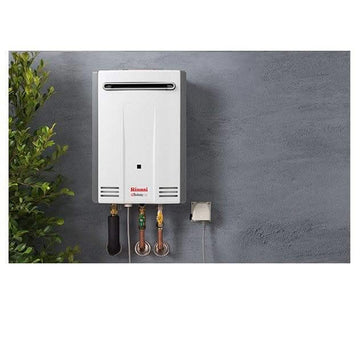
Gas hot water systems use natural gas or LPG to heat water.
Gas hot water systems may include:
-
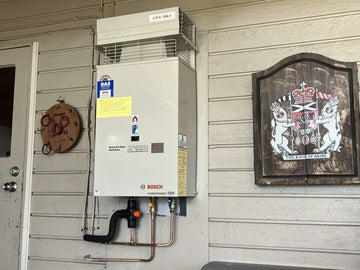
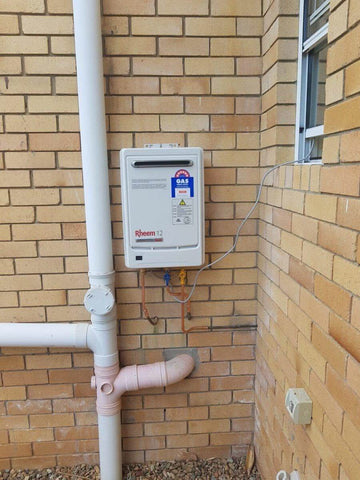
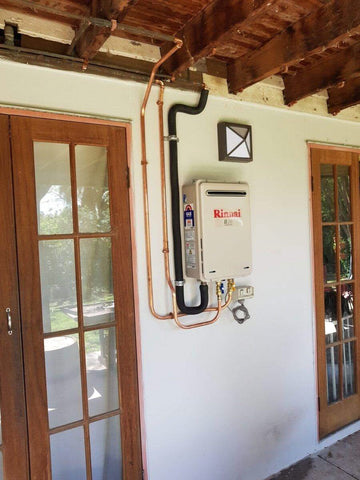
Instant gas hot water units
-
Gas storage hot water systems
-
Solar hot water with gas boosting
Gas hot water can be efficient and powerful, but it depends on having a suitable gas supply, correct gas line sizing and compliant appliance installation.
JR Gas & Water can help with gas appliance installation, gas hot water connections and gas line installations where gas services need to be checked or upgraded.
Like-for-Like Replacement vs Changing System Type
The simplest hot water replacement is usually like-for-like.
For example:
-
Electric storage to electric storage
-
Gas storage to gas storage
-
Instant gas to instant gas
-
Heat pump to heat pump
Like-for-like replacement may reduce extra plumbing, gas or electrical work. However, it may not always be the best long-term option.
Changing system type can make sense when:
-
The old system was expensive to run
-
The home now has solar power
-
The household has changed size
-
Gas supply is no longer preferred
-
LPG bottle costs or refills are inconvenient
-
The old system location is poor
-
Electrical upgrades are planned
-
The home needs better recovery or capacity
-
The current setup is non-compliant or hard to service
Changing system type should be assessed properly before the old unit fails, where possible.
Running Cost Considerations
Running cost is one of the main reasons homeowners compare gas and electric hot water.
Running costs are affected by:
-
Energy price
-
Tariff structure
-
Solar PV availability
-
System efficiency
-
Tank size
-
Household usage
-
Shower flow rates
-
Time of day hot water is used
-
Whether the system reheats during peak or off-peak periods
-
Whether the system is heat pump, standard electric or gas
-
Whether LPG bottles are used
-
System age and condition
There is no single winner for every home. A standard electric storage unit can be expensive if it runs on the wrong tariff or reheats at poor times. A heat pump can be more efficient but costs more upfront. Gas can work well where supply is already available, but LPG and gas line requirements need to be considered.
Upfront Installation Cost
The cheapest replacement upfront is often the same system type in the same location.
Upfront cost may increase if:
-
The system type changes
-
A new gas line is required
-
A gas line is undersized
-
LPG bottles need to be installed or relocated
-
Electrical circuit upgrades are needed
-
Switchboard work is required
-
Plumbing needs to be rerouted
-
The unit location changes
-
A concrete base is needed
-
Drainage or safe tray requirements apply
-
A tempering valve or valve kit needs upgrading
-
The old system is difficult to access
-
The new system is larger or heavier
When comparing gas and electric, do not compare unit price only. Compare the whole installed outcome.
Electric Storage Hot Water: Pros and Cons
Electric storage hot water is common, simple and reliable when correctly sized and installed.
Pros of Electric Storage
Electric storage may suit SEQ homes because:
-
It is common and familiar
-
Like-for-like replacement can be straightforward
-
It does not need gas supply
-
It can work with off-peak or controlled load tariffs where available
-
It can be paired with solar timer strategies in some homes
-
It has fewer gas compliance considerations
-
It suits many standard family homes
-
It is available in a wide range of sizes
Cons of Electric Storage
Electric storage may not suit every home because:
-
Running costs can be higher than heat pump options
-
It needs enough stored water for the household
-
Recovery can be slower than some gas systems
-
Poor timer or tariff setup can increase costs
-
Large tanks need space
-
Electrical circuit condition matters
-
It can run out if undersized
-
A full tank reheats whether all hot water is used or not
Electric storage can be a good simple choice, but sizing and tariff setup matter.
Heat Pump Hot Water: Electric but More Efficient
A heat pump hot water system uses electricity to move heat from the air into the water, rather than heating purely like a standard electric element.
For many SEQ homes, heat pumps are worth considering because the climate is generally favourable and many homes have solar PV.
Pros of Heat Pump Hot Water
Heat pumps may suit SEQ homes because:
-
They usually use less electricity than standard electric storage
-
They can work well in warm climates
-
They can be timed to run during solar production
-
They do not need natural gas or LPG
-
They may reduce hot water running costs
-
They suit homes moving away from gas
-
They are available in family-sized storage options
-
They can be a strong replacement for old electric storage
Cons of Heat Pump Hot Water
Heat pumps may not suit every site because:
-
Upfront cost is usually higher than standard electric storage
-
They need suitable outdoor space and airflow
-
They make some operating noise
-
They are larger and heavier than many electric units
-
They may need electrical checks
-
Some models have minimum clearance requirements
-
Installation quality and brand support matter
-
Poor placement can affect performance and customer satisfaction
JR Gas & Water supplies and installs hot water systems, including heat pump options for suitable Brisbane and Gold Coast homes.
Instant Gas Hot Water: Pros and Cons
Instant gas hot water heats water as it flows through the unit. It does not store a large tank of hot water.
Pros of Instant Gas
Instant gas may suit homes because:
-
It heats water on demand
-
It does not need a large storage tank
-
It can provide continuous hot water within appliance limits
-
It suits homes already connected to gas
-
It can be mounted externally in many situations
-
It frees up space compared with large tanks
-
It can suit families with high hot water demand
-
It avoids stored hot water running out in the same way storage tanks do
Cons of Instant Gas
Instant gas may not suit every home because:
-
It needs suitable natural gas or LPG supply
-
Gas pipe sizing is critical
-
Minimum flow rates can affect operation
-
It may not suit all low-flow fixtures
-
Multiple outlets may need correct sizing
-
LPG use can be costly or inconvenient for some homes
-
Gas compliance and ventilation rules apply
-
It may need electrical power for ignition and controls
-
Long pipe runs can still delay hot water reaching taps
If upgrading to instant gas, JR Gas & Water can check gas pipe sizing and gas line installation before the appliance is selected.
Gas Storage Hot Water: Pros and Cons
Gas storage hot water systems store heated water in a tank and use gas to reheat it.
Pros of Gas Storage
Gas storage may suit homes because:
-
It can recover faster than some electric storage systems
-
It suits homes already using gas
-
It provides stored hot water ready to use
-
It can be simpler to replace like-for-like where already installed
-
It may suit homes with strong gas supply
-
It can be familiar to households used to gas storage
Cons of Gas Storage
Gas storage may not suit every home because:
-
It needs gas supply and compliant installation
-
LPG bottle systems need management
-
Storage tank efficiency and standing losses matter
-
Outdoor location and ventilation requirements apply
-
It still has a limited tank volume
-
Gas line condition and pressure need checking
-
Older models may be less efficient than newer alternatives
-
There may be better long-term options if the home has solar PV
Electric Instantaneous Hot Water
Electric instantaneous hot water exists, but it is not the same as electric storage or heat pump.
For many homes, electric instantaneous systems can require very high electrical capacity. They may need major electrical upgrades and may not suit standard household switchboards or wiring.
Before choosing electric instantaneous hot water, check:
-
Electrical supply capacity
-
Switchboard capacity
-
Required circuit size
-
Number of outlets to supply
-
Flow rate requirements
-
Running cost expectations
-
Whether it suits the household
-
Whether an electrician has assessed the site
For many family homes, electric storage or heat pump is usually more practical than whole-home electric instantaneous hot water.
SEQ Climate: Why It Matters
South East Queensland’s climate can influence hot water choice.
Relevant local factors include:
-
Warm ambient temperatures that can suit heat pumps
-
High solar PV uptake
-
Outdoor installation space in many homes
-
Storm season and outdoor unit exposure
-
Coastal corrosion in some Gold Coast areas
-
Acreage properties using LPG
-
Older Brisbane homes with older plumbing and electrical services
-
High family hot water demand
-
Renovations and property extensions
-
Variable access on high-set, townhouse and sloping sites
A system that works well in a cold climate may not be the best comparison for SEQ homes. Local conditions matter.
Solar PV and Hot Water Choice
Solar PV can change the gas vs electric hot water decision.
Homes with solar may benefit from using electricity during the day to heat water, especially with heat pump systems or correctly controlled electric storage.
Solar PV may support:
-
Heat pump hot water
-
Timed electric storage heating
-
Reducing grid electricity use
-
Moving away from gas supply
-
Better use of daytime generation
However, solar does not automatically make every electric system cheap to run. The system must be sized, timed and controlled properly.
Important questions include:
-
Does the home have solar PV?
-
When does the hot water system heat?
-
Is the system on a controlled load tariff?
-
Is there enough daytime solar generation?
-
Does the household use most hot water at night?
-
Is a timer or smart control suitable?
-
Is a heat pump better than standard storage?
Solar should be considered in the hot water decision, not ignored.
If You Already Have Natural Gas
If your home already has natural gas, gas hot water may be worth considering, especially if the existing system is gas and the gas line is suitable.
Natural gas may suit:
-
Instant gas hot water
-
Gas storage replacement
-
Homes with existing gas cooking
-
Homes with limited electrical capacity
-
Families needing strong recovery
-
Sites where a tank is not practical
But natural gas is not automatically the best choice if:
-
The gas line is undersized
-
The appliance location is poor
-
The home has strong solar PV
-
The household wants to reduce gas use
-
The existing gas system is old or non-compliant
-
Electrical upgrades are already planned
-
A heat pump would suit the site better
A gas hot water replacement should include gas supply checks, not just appliance selection.
If You Use LPG
LPG hot water needs a different assessment from natural gas.
LPG may suit some homes, especially where natural gas is unavailable, but it involves bottle supply, regulator setup, bottle access and refill management.
LPG hot water considerations include:
-
Bottle location
-
LPG regulator capacity
-
Appliance gas type
-
Gas line sizing
-
Bottle delivery access
-
Running cost
-
Household demand
-
Other LPG appliances
-
Compliance requirements
-
Whether a heat pump may be more practical
-
Whether solar PV is available
For acreage or rural-residential homes, LPG can work well, but heat pump or electric storage may be worth comparing if the home has solar or wants to reduce bottle dependency.
JR Gas & Water can help with LPG conversions and LPG gas appliance checks where hot water or appliance gas type needs to be confirmed.
If You Do Not Have Gas Connected
If your home does not already have gas, electric storage or heat pump is often the easier path.
Adding gas may require:
-
Gas availability check
-
New gas meter or LPG bottle setup
-
New gas line
-
Pipe sizing
-
Regulator setup
-
Appliance installation
-
Compliance certificate
-
Outdoor location checks
-
Ongoing gas supply arrangements
That does not mean gas is impossible. It means the full cost and complexity should be compared with electric or heat pump options.
Household Size and Hot Water Demand
The number of people in the home matters.
Hot water demand is affected by:
-
Number of occupants
-
Shower lengths
-
Shower flow rates
-
Baths
-
Teenagers
-
Guests
-
Washing machine use
-
Dishwasher use
-
Number of bathrooms
-
Whether multiple showers run at once
-
Time of day hot water is used
-
Future family growth
A small household may suit a smaller electric or heat pump system. A larger family may need a bigger tank, faster recovery or a correctly sized instant gas unit.
Sizing should be based on actual use, not just the old tank size.
Number of Bathrooms
Homes with multiple bathrooms need careful hot water planning.
If multiple showers may run at once, consider:
-
System capacity
-
Flow rate
-
Temperature control
-
Recovery rate
-
Pipework distance
-
Gas appliance output if instant gas
-
Storage volume if tank-based
-
Electrical supply if electric
-
Solar timing if heat pump
-
Tempering valve setup
An undersized system can lead to cold showers even if the unit is new.
Hot Water Recovery Rate
Recovery rate means how quickly the system can reheat water after it is used.
Gas systems often have strong recovery, especially where gas supply is adequate. Electric storage may recover more slowly depending on element size and power supply. Heat pumps recover differently depending on model, ambient conditions and operating mode.
Recovery matters if:
-
Several people shower in a short period
-
The home has large baths
-
Guests stay often
-
Multiple bathrooms are used
-
The storage tank is smaller
-
The home relies on off-peak heating
-
Hot water demand is concentrated in the morning or evening
A larger tank is not always the only answer. Recovery rate and usage pattern matter too.
Storage Tank Size
Storage systems need the right tank size.
If the tank is too small, the household may run out of hot water.
If it is too large, it may cost more upfront and use more energy than needed.
Common sizing considerations include:
-
Number of people
-
Bathrooms
-
Shower flow rate
-
Bath use
-
Recovery rate
-
Element size or heat pump performance
-
Solar PV timing
-
Available space
-
Household routine
-
Future changes
JR Gas & Water can help compare suitable hot water system options based on household demand and site conditions.
Hot Water Delivery Time
Gas or electric system choice does not automatically fix slow hot water delivery to taps.
Hot water delivery time depends mostly on:
-
Distance from system to outlet
-
Pipe size
-
Pipe route
-
Flow rate
-
Whether there is a ring main
-
Whether the system was relocated
-
Layout of the home
-
Fixture flow restrictors
-
System type
-
Whether the pipework holds a lot of cooled water
A new hot water system in the same location may still take the same time to reach the shower if the pipe run is long.
Existing Location
The current hot water system location affects replacement options.
A like-for-like replacement may be simpler if the existing location has:
-
Suitable base
-
Suitable drainage
-
Safe access
-
Compliant pipework
-
Existing electrical or gas supply
-
Clearances
-
Weather protection where needed
-
Service access
-
Tempering valve access
Changing from gas to electric, electric to gas, or storage to heat pump may require location changes.
Space and Clearance
Every hot water system has space and clearance requirements.
Electric storage needs room for the tank, valves and service access.
Heat pumps need outdoor space and airflow.
Gas systems need compliant ventilation, flueing or outdoor positioning depending on the model.
Clearance issues may include:
-
Fence distance
-
Doors and windows
-
Eaves
-
Airflow
-
Bedrooms nearby
-
Neighbouring boundaries
-
Narrow side access
-
Sloping ground
-
Flood-prone areas
-
Coastal exposure
-
Access for replacement
A system should not be chosen without checking where it can actually be installed.
Electrical Requirements
Electric and heat pump systems need suitable electrical supply.
Checks may include:
-
Existing hot water circuit
-
Switchboard capacity
-
Controlled load or tariff setup
-
Element size
-
Heat pump electrical requirements
-
Timer or control setup
-
Earthing and safety switches
-
Circuit condition
-
Whether an electrician is needed
-
Whether the existing cable route is suitable
A like-for-like electric storage replacement may be simpler than changing to a different system, but electrical checks still matter.
Gas Requirements
Gas hot water needs suitable gas supply.
Checks may include:
-
Natural gas or LPG
-
Gas line sizing
-
Gas pressure
-
Appliance load
-
Other gas appliances
-
Meter or LPG regulator capacity
-
Pipe route
-
Appliance ventilation
-
Clearances
-
Isolation valve
-
Compliance certificate
-
Leak testing
If gas supply is not suitable, the appliance may not operate correctly or may not be compliant.
Compliance Requirements
Hot water replacement must be done safely and legally.
Compliance considerations may include:
-
Licensed plumbing work
-
Licensed gas work where applicable
-
Licensed electrical work where applicable
-
Tempering valve requirements
-
Isolation valves
-
Pressure limiting
-
Safe discharge
-
Drainage
-
Overflow and relief valve discharge
-
Gas compliance certificate
-
Electrical certificate where applicable
-
Manufacturer installation instructions
JR Gas & Water can help with licensed plumbing services across Brisbane and the Gold Coast and gas compliance support where gas hot water is involved.
Safety Considerations for Gas Hot Water
Gas hot water systems need proper installation and servicing because they involve combustion.
Safety checks may include:
-
Gas leaks
-
Gas pressure
-
Burner operation
-
Flueing
-
Ventilation
-
Clearances
-
Appliance location
-
Combustion air
-
LPG bottle setup
-
Isolation access
-
Compliance documentation
If you smell gas near a hot water system, stop using it and arrange licensed gas help. JR Gas & Water provides gas leak repair services for suspected property-side gas leaks and gas smell issues.
Safety Considerations for Electric Hot Water
Electric hot water systems also need safe installation.
Safety checks may include:
-
Electrical circuit condition
-
Switchboard suitability
-
Correct isolation
-
Thermostat operation
-
Over-temperature protection
-
Relief valve discharge
-
Tempering valve
-
Safe tray where required
-
Drainage
-
Tank base
-
Pipework condition
-
Licensed electrical work where needed
Electric does not mean DIY. Plumbing and electrical work must still be completed by licensed trades.
When Gas Hot Water Is Often a Good Fit
Gas hot water may be a good fit when:
-
The home already has gas
-
The existing system is gas and works well
-
The gas line is suitable
-
The household has high hot water demand
-
Space for a large tank is limited
-
Instant gas suits the layout
-
LPG supply is already well-managed
-
Electrical capacity is limited
-
A like-for-like gas replacement is practical
-
The home does not have useful solar PV
Gas can be a strong option, but only where gas supply and compliance checks stack up.
When Electric Hot Water Is Often a Good Fit
Electric hot water may be a good fit when:
-
The home has no gas
-
The existing system is electric
-
A simple storage replacement is needed
-
The home has solar PV
-
The owner wants to reduce gas use
-
LPG bottle management is inconvenient
-
There is suitable electrical supply
-
There is space for a tank or heat pump
-
A heat pump suits the site
-
Gas line upgrades would be expensive
Electric storage is simple. Heat pump can be more efficient. The best option depends on the household and property.
When Heat Pump Hot Water Is Often a Good Fit
Heat pump hot water may be a good fit when:
-
The home has solar PV
-
The existing electric storage unit is old
-
The household wants lower running costs
-
There is suitable outdoor space
-
Noise location can be managed
-
The climate is suitable
-
Gas supply is unavailable or not preferred
-
The owner wants to move away from LPG
-
The household wants a more efficient electric option
Heat pump selection should consider brand support, placement, noise, airflow, household size and installation quality.
When Like-for-Like Replacement Makes Sense
Like-for-like replacement may make sense when:
-
The old system suited the home
-
The household size has not changed
-
The current location is compliant
-
The existing services are suitable
-
The owner needs urgent replacement
-
Budget is the main priority
-
The system failed unexpectedly
-
No major renovations are planned
-
Running costs were acceptable
-
There is no practical reason to change type
If the old system was reliable and suitable, replacing with a similar type can be the most practical option.
When Changing System Type Makes Sense
Changing from gas to electric, electric to heat pump, electric to gas or gas to heat pump may make sense when:
-
Running costs are too high
-
The home has added solar PV
-
Gas supply is expensive or inconvenient
-
The household has outgrown the old system
-
The old location is no longer suitable
-
The old unit was undersized
-
A renovation is happening
-
The existing gas or electrical service needs upgrades anyway
-
Long-term efficiency is more important than lowest upfront cost
-
The home is being prepared for rental or sale
System changes need proper planning because extra gas, electrical, plumbing and compliance work may be involved.
Gas to Electric Hot Water Changeover
Changing from gas hot water to electric or heat pump may involve:
-
Safely disconnecting and capping gas
-
Removing or isolating old gas pipework where required
-
Installing electric circuit or checking existing supply
-
Selecting suitable tank or heat pump location
-
Plumbing new hot and cold pipework
-
Managing relief valve discharge
-
Installing or upgrading valves
-
Electrical work by a licensed electrician
-
Compliance documentation
-
Removing old gas appliance where included
This can be a good option for homes with solar PV or owners wanting to reduce gas reliance.
Electric to Gas Hot Water Changeover
Changing from electric to gas hot water may involve:
-
Confirming natural gas or LPG supply
-
Installing or upgrading gas pipework
-
Checking gas line sizing
-
Installing a gas appliance
-
Electrical supply for ignition or controls if required
-
Plumbing changes
-
Appliance clearances and ventilation
-
Gas compliance certificate
-
Removing the old electric unit
-
Electrical isolation by a licensed electrician
This may suit homes that already use gas and need high recovery, but the full installation cost should be compared carefully.
Standard Electric to Heat Pump Changeover
Changing from standard electric storage to heat pump hot water may involve:
-
Checking electrical supply
-
Selecting suitable outdoor location
-
Checking airflow and clearances
-
Confirming tank size
-
Managing condensate or discharge
-
Plumbing valve upgrades
-
Electrical controls or timer setup
-
Removing the old unit
-
Considering noise and neighbour location
-
Ensuring safe service access
For many SEQ homes, this is one of the most common upgrade paths.
Gas Storage to Instant Gas Changeover
Changing from gas storage to instant gas may involve:
-
Checking gas line sizing
-
Checking appliance load
-
Confirming flow rate needs
-
Reworking pipework
-
Managing electrical ignition supply
-
Checking mounting location
-
Removing the old tank
-
Gas compliance testing
-
Considering hot water delivery time
-
Checking whether multiple bathrooms are supported
Instant gas can be practical where the gas supply is suitable, but pipe sizing must be confirmed.
Instant Gas to Heat Pump Changeover
Changing from instant gas to heat pump may involve:
-
Decommissioning gas appliance
-
Capping or isolating gas line
-
Installing storage tank pipework
-
Electrical supply check
-
Selecting heat pump location
-
Managing outdoor airflow
-
Valve and drainage work
-
Removing the old gas unit
-
Considering tank size and recovery
-
Timing operation around solar PV where suitable
This may suit homes wanting to move away from gas and use solar-generated electricity.
Brisbane Hot Water Considerations
Brisbane homes vary widely, from high-set Queenslanders and post-war homes to modern estates, townhouses, duplexes and acreage properties.
Common Brisbane hot water considerations include:
-
Older pipework
-
High-set access
-
Existing electric storage systems
-
Solar PV installations
-
Natural gas in some suburbs
-
LPG in outer suburbs
-
Heat pump suitability
-
Tight side access
-
Storm season exposure
-
Renovation changes
-
Family hot water demand
For many Brisbane homes, the choice comes down to existing services, solar PV and household size.
Gold Coast Hot Water Considerations
Gold Coast homes may include apartments, duplexes, townhouses, coastal homes, canal properties, high-rise units and hinterland acreage.
Common Gold Coast hot water considerations include:
-
Coastal exposure
-
Limited balcony or utility space in units
-
LPG in hinterland properties
-
Outdoor unit corrosion risk
-
Body corporate requirements
-
Solar PV use
-
High hot water demand in family homes
-
Heat pump noise and placement
-
Gas line suitability
-
Access for replacement
Coastal homes should consider placement, weather exposure and material durability.
Acreage and Rural SEQ Hot Water Considerations
Acreage and rural-residential homes often have different hot water needs.
Considerations include:
-
LPG bottle supply
-
Solar PV availability
-
Long pipe runs
-
Rainwater use
-
Pump pressure
-
Larger families or multiple bathrooms
-
Separate sheds or granny flats
-
Limited natural gas availability
-
Space for larger systems
-
Electrical supply capacity
-
Distance from system to outlets
For acreage homes, the “best” system may depend as much on site layout and services as the appliance itself.
Apartments and Townhouses
Apartments and townhouses can have limited hot water options due to body corporate, plant room, balcony, riser, ventilation and electrical restrictions.
Considerations include:
-
Existing system type
-
Body corporate approvals
-
Shared services
-
Gas isolation access
-
Electrical limitations
-
Space constraints
-
Drainage and safe tray requirements
-
Noise restrictions
-
Access for trades
-
Like-for-like replacement rules
In many apartment settings, like-for-like replacement may be the most practical option unless approvals and service upgrades are available.
Rental Properties
For rental properties, reliability, compliance and clear maintenance records matter.
Hot water selection should consider:
-
Tenant household size
-
Replacement urgency
-
Running cost
-
Appliance reliability
-
Serviceability
-
Compliance certificates
-
Access for repairs
-
System location
-
Existing gas or electrical services
-
Long-term ownership cost
A cheap undersized system can create repeat complaints. A suitable system with proper installation is usually better long-term.
New Builds and Renovations
New builds and renovations are the best time to plan hot water properly.
Consider:
-
Number of bathrooms
-
Future household size
-
Solar PV plans
-
Gas availability
-
Appliance location
-
Pipe run length
-
Hot water delivery time
-
Electrical circuit design
-
Gas pipe sizing
-
Heat pump location
-
Noise and airflow
-
Drainage
-
Access for replacement later
Planning early can avoid poor hot water performance for years.
Questions To Ask Before Choosing Gas or Electric
Before deciding, ask:
-
What system do I currently have?
-
Does it perform well?
-
What failed on the old system?
-
How many people live in the home?
-
How many bathrooms are used?
-
Is there solar PV?
-
Is natural gas connected?
-
Is LPG already on site?
-
Is the existing electrical circuit suitable?
-
Is the existing gas line suitable?
-
Is the current location compliant?
-
Do I need urgent like-for-like replacement?
-
Am I planning renovations?
-
Do I want lowest upfront cost or lower running cost?
-
Is there space for a heat pump?
-
Would changing system type trigger extra work?
These answers usually point toward the right system type.
What Homeowners Should Not Do
Avoid these common mistakes:
-
Do not choose by unit price only
-
Do not assume gas is always cheaper
-
Do not assume electric is always worse
-
Do not ignore solar PV
-
Do not replace an undersized system with the same size without checking usage
-
Do not install gas appliances without checking pipe sizing
-
Do not install LPG systems without compliance checks
-
Do not choose a heat pump without checking placement and airflow
-
Do not ignore electrical circuit requirements
-
Do not move hot water systems without planning pipework and drainage
-
Do not ignore tempering valves and safety requirements
-
Do not attempt DIY plumbing, gas or electrical work
-
Do not assume a new system will fix long pipe delivery delays
A hot water system should be chosen for the property, not just the product brochure.
How JR Gas & Water Can Help
JR Gas & Water can help compare gas, electric, heat pump and other hot water options for Brisbane, Gold Coast and South East Queensland homes.
Depending on the job, this may involve:
-
Replacing existing hot water systems
-
Checking household hot water demand
-
Comparing gas and electric options
-
Installing electric storage systems
-
Installing heat pump hot water systems
-
Installing gas hot water systems
-
Checking gas line sizing
-
Checking LPG or natural gas suitability
-
Coordinating licensed electrical requirements where needed
-
Upgrading valves and pipework
-
Removing old systems where included
-
Advising when like-for-like replacement makes sense
-
Advising when a system type change may be worthwhile
Start with JR Gas & Water’s hot water systems range or use the quote and booking page if the existing system type, site access or upgrade path is uncertain.
For gas-related hot water changes, JR can also help with gas line installations, gas appliance installation, LPG conversions and gas compliance certificates.
FAQs About Gas vs Electric Hot Water
Is gas hot water better than electric hot water?
Not always. Gas hot water can suit homes with existing gas supply, high demand or limited electrical capacity. Electric or heat pump hot water may suit homes with solar PV, no gas connection or owners wanting to avoid LPG bottles.
Is electric hot water expensive to run?
Standard electric storage can be more expensive to run if it is poorly sized, poorly controlled or on an unsuitable tariff. Heat pump hot water usually uses less electricity than standard electric storage and can suit many SEQ homes.
Is heat pump hot water better than gas?
It depends on the property. Heat pumps can be efficient in SEQ and work well with solar PV, but they need suitable outdoor space, airflow and installation conditions. Gas may suit homes already set up for natural gas or LPG.
Should I replace my old gas hot water system with gas again?
Like-for-like gas replacement can make sense if the old system suited the home and the gas supply is compliant. However, if you have solar PV or want to reduce gas use, electric or heat pump options may be worth comparing.
Should I replace my electric hot water system with a heat pump?
A heat pump may be worth considering if your electric storage system is old, running costs are high, and you have suitable outdoor space. It is especially worth comparing if the home has solar PV.
Can I change from electric hot water to gas hot water?
Yes, but it may require gas supply, new gas pipework, gas line sizing checks, appliance installation and compliance documentation. The full installed cost should be compared with electric or heat pump options.
Can I change from gas hot water to electric?
Yes. The gas appliance must be safely disconnected and the new electric or heat pump system needs suitable electrical supply, plumbing, valves and installation clearances.
What hot water system is best for Brisbane homes?
There is no single best system for every Brisbane home. Many homes suit electric storage, heat pump or gas depending on solar PV, existing services, household size, available space and budget.
What hot water system is best for Gold Coast homes?
Gold Coast homes may suit heat pump, electric storage or gas depending on coastal exposure, body corporate rules, gas availability, solar PV, outdoor space and household demand.
Final Word
Gas hot water and electric hot water can both work well in South East Queensland, but the best choice depends on the property. Existing gas supply, solar PV, household size, electrical capacity, installation location, running costs, access, compliance and budget all matter.
Gas hot water may suit homes already connected to gas with strong demand and suitable pipework. Electric storage may suit simple replacement jobs. Heat pump hot water can be a strong option for many SEQ homes, especially where solar PV and outdoor space are available.
JR Gas & Water can help compare, supply and install hot water systems across Brisbane, the Gold Coast and South East Queensland, including gas, electric and heat pump options.
Book JR Gas & Water before replacing your hot water system so the new unit suits the home, not just the old pipe connections.


Plumbing & Gas Fitting Across South East Queensland
Looking for a local plumber? JR Gas & Water provides plumbing and gas fitting services throughout Greater Brisbane, Logan, Ipswich, Moreton Bay, Redlands and the Gold Coast.
View all plumbing & gas fitting service areas