Electric Hot Water System Buyer’s Guide: How to Choose the Right One for Your Home
Choosing an electric hot water system is not just about picking the cheapest tank that fits. The right system needs to match your household size, hot water usage, electricity setup, installation space and long-term running cost goals.
For many Brisbane, Gold Coast and South East Queensland homes, the main decision is whether to install a standard electric storage system or upgrade to a heat pump hot water system. Standard electric storage is simple, reliable and usually cheaper upfront. Heat pumps cost more initially, but can use much less electricity when selected and installed correctly.
JR Gas & Water can help compare electric hot water systems and heat pump hot water systems based on your home, household size and installation requirements.
Quick answer
Choose a standard electric storage hot water system if you want a simple, lower-upfront-cost replacement and your current electric setup already works well.
Choose a heat pump hot water system if long-term running costs, solar PV use and energy efficiency matter more than the cheapest upfront price.
For most standard electric storage replacements, Rheem is usually the strongest all-round choice because it has excellent brand recognition, broad installer familiarity and strong long-term support. Vulcan, Dux, Rinnai, Everhot and AquaMAX can also suit certain homes depending on budget, sizing and site conditions.
What is an electric hot water system?
An electric hot water system uses electricity to heat water for showers, taps, baths, laundry and kitchen use.
There are two main electric-powered options most homeowners compare:
| System type | How it works | Best suited to |
|---|---|---|
| Electric storage | Uses an electric element to heat water stored in a tank | Simple replacements and lower upfront budgets |
| Heat pump hot water | Uses electricity to move heat from the air into the water | Long-term efficiency upgrades and solar PV homes |
Electric continuous flow systems also exist, but they are less common for whole-home residential use because they can require significant electrical capacity. For most Queensland homes, the practical comparison is standard electric storage versus heat pump hot water.
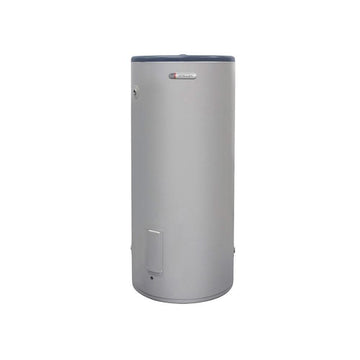
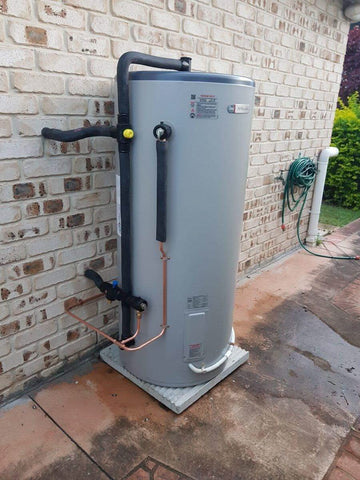
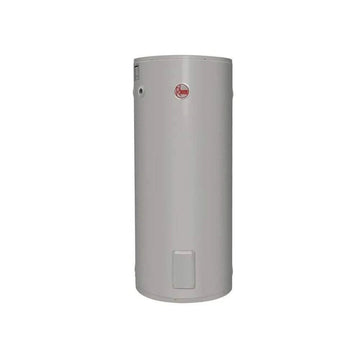
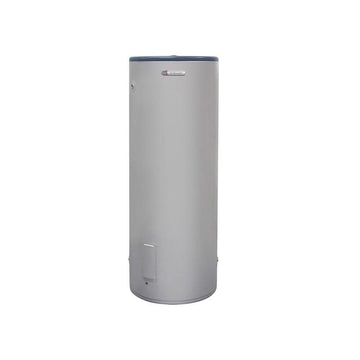
Electric storage hot water systems
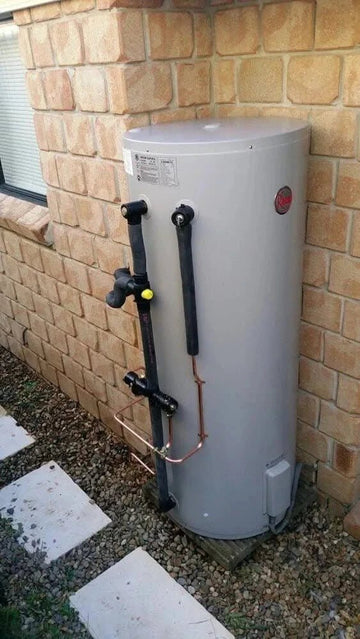
Electric storage systems are the traditional tank-style electric hot water units found in many Australian homes. They heat water inside a cylinder and store it until needed.
They are popular because they are:
-
Simple to understand
-
Quiet during operation
-
Usually cheaper upfront than heat pumps
-
Familiar to plumbers and electricians
-
Available in many sizes
-
Suitable for many like-for-like replacements
-
Useful where gas is not available
-
Practical for homes already set up for off-peak or controlled load power
JR Gas & Water offers a range of electric hot water systems for standard replacement jobs across Brisbane, the Gold Coast and nearby South East Queensland areas.
Heat pump hot water systems
Heat pump systems are electric-powered, but they work differently to standard electric storage. Instead of using only an electric element, they extract heat from the surrounding air and use it to heat the stored water.
A correctly selected heat pump can use much less electricity than standard electric storage, especially in warmer climates like Brisbane and the Gold Coast.
Heat pumps are often a better long-term option for homes with:
-
Solar PV
-
Suitable outdoor space
-
Good airflow around the unit
-
Safe drainage
-
Acceptable noise placement
-
Higher hot water usage
-
A long-term ownership mindset
-
An old electric storage system due for replacement
JR Gas & Water can help compare installer’s choice heat pumps, quiet heat pump systems, large family heat pumps and budget heat pump systems depending on your home.
Electric storage vs heat pump hot water
| Feature | Electric Storage | Heat Pump Hot Water |
|---|---|---|
| Upfront cost | Usually lower | Usually higher |
| Running cost potential | Depends on tariff and usage | Often lower when correctly selected |
| Noise | Quiet tank operation | Fan and compressor operation |
| Installation needs | Usually simpler | Needs airflow, drainage and placement checks |
| Solar PV suitability | Can work with timers in some homes | Often stronger for daytime operation |
| Best for | Simple like-for-like replacement | Long-term energy efficiency |
| Main limitation | Higher running cost potential | Higher upfront cost and site requirements |
Standard electric storage is still a good option where budget, simplicity and quiet operation matter most. Heat pumps are usually better where long-term savings and efficiency are the priority.
What size electric hot water system do you need?
The right size depends on household demand, not just the number of people in the home.
As a rough guide:
| Household size | Common electric storage size | Common heat pump size |
|---|---|---|
| 1–2 people | 50L–125L | 150L–200L |
| 2–3 people | 125L–160L | 200L–250L |
| 3–4 people | 160L–250L | 250L–315L |
| 5+ people | 315L–400L | 315L–400L or selected large-family models |
Sizing should also consider:
-
Number of bathrooms
-
Shower flow rates
-
Shower length
-
Morning and evening peak usage
-
Baths
-
Teenagers or heavy hot water users
-
Laundry and kitchen usage
-
Off-peak or controlled load setup
-
Solar PV availability
-
Recovery rate
-
Whether the system has boost heating
A system that is too small may run out of hot water. A system that is too large may cost more upfront and store more hot water than the household needs.
Best electric hot water brands to compare
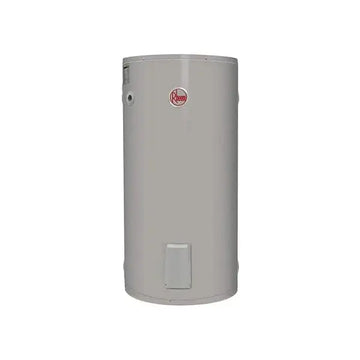
Rheem
Rheem is usually the strongest all-round electric storage recommendation for most homes.
Rheem suits homeowners who want:
-
Strong brand recognition
-
Broad installer familiarity
-
Practical replacement options
-
Good support confidence
-
Common household sizes
-
A trusted long-term choice
For many standard replacements, JR Gas & Water would compare Rheem first in electric hot water systems.
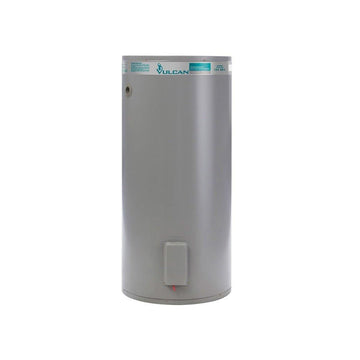
Vulcan
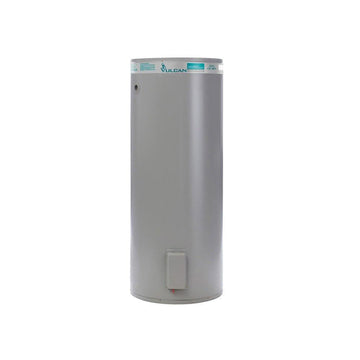
Vulcan is often the better budget choice. It can suit rental properties, straightforward replacements and customers who want a lower upfront cost while still choosing a familiar hot water brand group.
Vulcan suits:
-
Budget-focused replacements
-
Rental properties
-
Basic electric storage installs
-
Lower-cost like-for-like upgrades
Dux
Dux can be a practical choice for simple electric storage replacements, especially where budget and availability matter. It may suit homes where the selected model is the right size and the customer wants a known hot water brand.
Dux is worth comparing, but Rheem is usually the stronger long-term recommendation for owner-occupied homes.
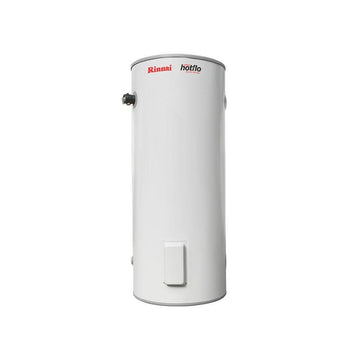
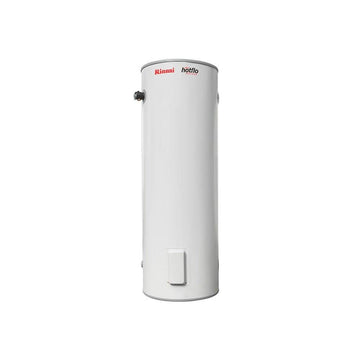
Rinnai
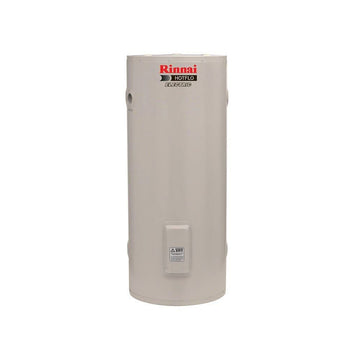
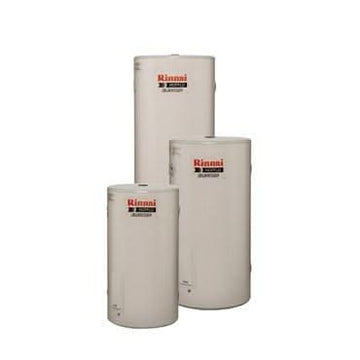
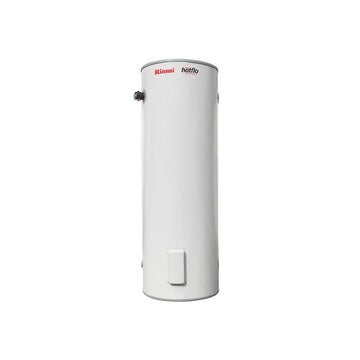
Rinnai electric storage systems can suit some homes, particularly where the customer wants a known brand at a competitive price. However, in electric storage, Rheem is usually the stronger first comparison.
Rinnai may suit:
-
Budget-conscious customers
-
Standard electric replacements
-
Smaller homes or moderate-use properties
Everhot
Everhot can be a practical electric storage option, especially where Reece-supplied systems are being compared. It can suit straightforward replacements, but Rheem-branded systems usually offer stronger direct brand recognition.
AquaMAX
AquaMAX should be compared model by model. Some AquaMAX systems may be worth considering where tank construction, warranty, dimensions or site suitability make sense for the home.
Upfront cost vs long-term running cost
The cheapest system upfront is not always the cheapest system to own.
A standard electric storage unit may cost less to install, but it can cost more to run depending on electricity tariff and usage.
A heat pump may cost more upfront, but it can reduce electricity use over time when selected and installed correctly.
When comparing systems, consider:
-
Purchase price
-
Installation cost
-
Valve and compliance requirements
-
Electrical work if needed
-
Running costs
-
Warranty
-
Expected lifespan
-
Maintenance requirements
-
Rebate eligibility where applicable
-
Suitability for solar PV
-
Household hot water demand
JR Gas & Water can help compare whether a standard electric replacement or heat pump upgrade gives better total value for your home.
Off-peak power and controlled load
Many larger electric storage systems can work with off-peak or controlled load electricity where the home is already set up for it.
This can reduce running costs compared with heating on peak-rate electricity, but it needs to suit the household. A system connected to off-peak power must have enough stored hot water to cover the household between heating cycles.
Off-peak electric storage can suit:
-
Larger storage tanks
-
Predictable household usage
-
Homes already wired for controlled load
-
Customers wanting simple electric storage with lower tariff potential
A licensed electrician may be required for electrical connection or tariff-related changes.
Electric hot water and solar PV
Solar PV can change the hot water decision.
A standard electric storage system may be able to use a timer to heat during the day, depending on the home’s electrical setup and usage. However, a heat pump is often a better match for solar PV because it can use electricity more efficiently.
Solar PV homes should compare:
-
Standard electric storage with timer control
-
Heat pump hot water
-
Smart-control heat pumps
-
Household usage times
-
Electricity tariff
-
Tank size
-
Daytime heating requirements
JR Gas & Water can help compare WiFi and smart control heat pumps for homes wanting better solar-friendly operation.
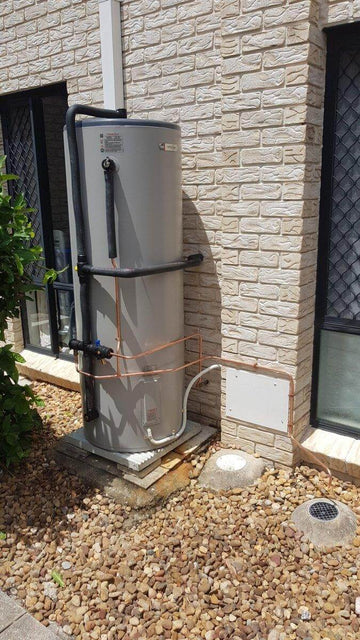
Installation considerations
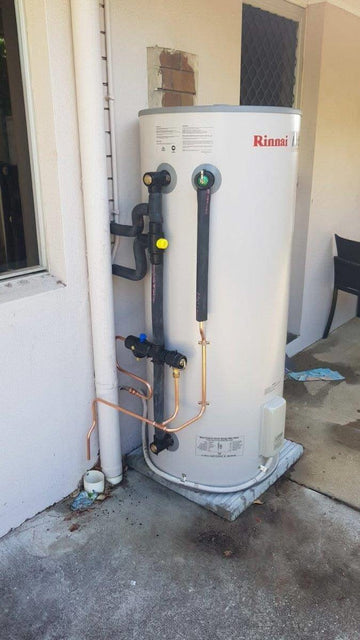
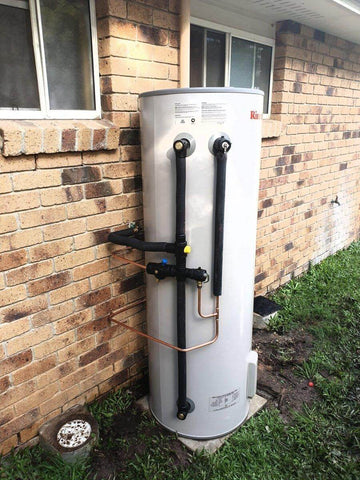
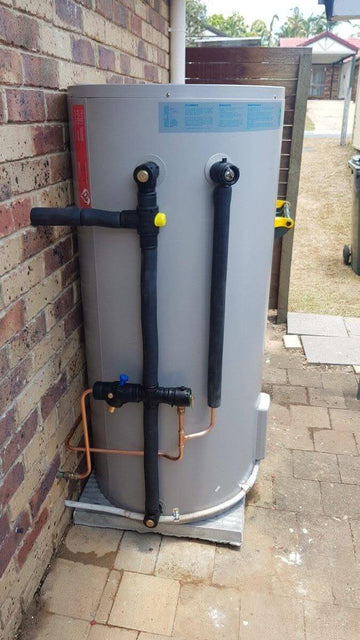
Electric hot water installation should not be treated as a simple tank swap without checking the site.
Important installation factors include:
-
Existing system size
-
Indoor or outdoor location
-
Available space
-
Access for removal and installation
-
Electrical supply
-
Off-peak or controlled load setup
-
Water pressure
-
Valve requirements
-
Tempering valve compliance
-
Safe relief valve discharge
-
Base condition
-
Pipework condition
-
Drainage
-
Coastal exposure
-
Whether heat pump placement is suitable
Do not remove covers, alter wiring, modify valves or attempt internal repairs yourself. Hot water systems involve electricity, hot water and pressure, so installation and repairs should be handled by licensed trades.
Maintenance tips for electric hot water systems
Standard electric storage systems are fairly simple, but they still need checks over time.
Maintenance may include:
-
Checking for visible leaks
-
Monitoring temperature and pressure relief valve discharge
-
Inspecting for corrosion around fittings
-
Checking tempering valve performance where installed
-
Checking water pressure issues
-
Inspecting anode condition on suitable enamel-lined tanks
-
Testing element and thermostat faults if performance changes
Heat pumps also need airflow, drainage and fan/compressor operation checked.
JR Gas & Water can help with hot water repairs and servicing if your current system is leaking, noisy, unreliable or no longer keeping up.
When should you replace an electric hot water system?
Replacement may be better than repair if:
-
The tank is leaking
-
The system is old and unreliable
-
Hot water runs out too quickly
-
Repairs are becoming frequent
-
The household has outgrown the system
-
The system is expensive to run
-
Rust or corrosion is visible
-
The current location no longer suits
-
You want to upgrade to a heat pump
-
Solar PV has changed your energy setup
Minor faults may still be repairable, especially on newer systems. JR Gas & Water can help check whether repair or replacement makes more sense.
Brisbane and Gold Coast considerations
South East Queensland homes have specific hot water challenges that should be considered before choosing a system.
Common local issues include:
-
High water pressure affecting valves and tanks
-
Older Brisbane homes with ageing pipework
-
Tight side access in newer estates
-
Coastal exposure around the Gold Coast
-
Outdoor systems exposed to weather
-
Homes with solar PV wanting daytime heating
-
Existing off-peak or controlled load arrangements
-
Rental properties needing practical replacements
-
Noise-sensitive heat pump locations
-
Drainage issues around old hot water bases
The right electric hot water system should be chosen around these practical site conditions.
Which electric hot water system should you choose?
Choose standard electric storage if you want simplicity
Standard electric storage is a good choice if you want:
-
Lower upfront cost
-
Quiet operation
-
A simple like-for-like replacement
-
A familiar system type
-
No gas connection
-
No heat pump fan or compressor noise
-
A practical solution for rental properties
Rheem is usually the best all-round starting point for standard electric storage.
Choose a heat pump if you want long-term efficiency
A heat pump is a good choice if you want:
-
Lower electricity use
-
Better solar PV compatibility
-
Long-term running cost reduction
-
A modern replacement for electric storage
-
A system suited to SEQ’s warmer climate
-
A stronger environmental option
Heat pumps should be selected carefully based on airflow, drainage, noise placement and household demand.
Final verdict: choose the system that matches the home, not just the price
The best electric hot water system depends on your household, not just the brand or tank size.
For simple electric storage replacements, Rheem is usually the strongest all-round choice. Vulcan can suit budget-focused installs, while Dux, Rinnai, Everhot and AquaMAX may suit certain homes depending on the model and installation.
For homeowners wanting better long-term efficiency, a heat pump is often the smarter upgrade, especially in Brisbane, the Gold Coast and nearby South East Queensland areas.
Before replacing your old system like-for-like, compare the options properly. The right choice can improve reliability, reduce running costs and better suit the way your household actually uses hot water.
What JR Gas & Water can help with
JR Gas & Water can help with:
-
Comparing electric storage and heat pump hot water systems
-
Sizing the right system for your household
-
Replacing old electric hot water systems
-
Checking off-peak, controlled load and solar PV suitability
-
Comparing Rheem, Vulcan, Dux, Rinnai, Everhot and AquaMAX options
-
Assessing heat pump noise, airflow and drainage requirements
-
Repairing or replacing leaking and unreliable systems
-
Helping homeowners across Brisbane, the Gold Coast and nearby South East Queensland areas choose the right hot water system
Related JR Gas & Water services
-
Browse electric hot water systems for standard storage replacements
-
Compare heat pump hot water systems for long-term efficiency upgrades
-
View installer’s choice heat pumps for stronger long-term systems
-
Compare quiet heat pump systems if noise placement matters
-
Explore WiFi and smart control heat pumps for solar-friendly operation
-
Book hot water repairs and servicing if your current system is leaking or unreliable
-
Request advice through JR Gas & Water quote requests and bookings
FAQs
What is the best electric hot water system for most homes?
For standard electric storage, Rheem is usually the best all-round choice because it has strong brand recognition, wide installer familiarity and a practical long-term support pathway. For long-term efficiency, a heat pump may be better.
Is electric storage or heat pump better?
Electric storage is better for simple, lower-upfront-cost replacements. Heat pumps are usually better for long-term energy efficiency when the home has suitable space, airflow, drainage and noise placement.
What size electric hot water system do I need?
The right size depends on people in the home, bathrooms, shower habits, peak usage times and tariff setup. Many family homes compare 250L electric storage systems, while heat pumps are commonly selected around 250L–315L for 3–4 person households.
Are electric hot water systems expensive to run?
They can be, especially when connected to peak-rate electricity. Off-peak power, controlled load, solar PV timers or upgrading to a heat pump can reduce running costs depending on the home.
Can an electric hot water system work with solar panels?
Yes, some electric storage systems can use timer control to heat during solar generation periods. However, a heat pump is often a better match for solar PV because it uses electricity more efficiently.
Are heat pumps worth the extra cost?
For many homes, yes. Heat pumps can cost more upfront, but they can reduce electricity use over time when correctly selected and installed. They are especially worth comparing for homes with solar PV.
Do electric hot water systems need maintenance?
Yes. Valves, anodes on suitable enamel-lined tanks, water pressure, leaks, corrosion and temperature control should be checked over time. Heat pumps also need airflow and drainage kept clear.
Can JR Gas & Water replace my electric hot water system?
Yes. JR Gas & Water can help replace old electric storage systems and compare standard electric and heat pump options across Brisbane, the Gold Coast and nearby South East Queensland areas.
Need help choosing the right electric hot water system?
If your current electric hot water system is leaking, unreliable, expensive to run or due for replacement, JR Gas & Water can help compare suitable electric storage and heat pump options for your home.
Browse electric hot water systems, compare heat pump hot water systems, or send photos and model details through JR Gas & Water quote requests and bookings for a practical recommendation.
Best Whole Home Water Filtration System
Plumbing & Gas Fitting Across South East Queensland
Looking for a local plumber? JR Gas & Water provides plumbing and gas fitting services throughout Greater Brisbane, Logan, Ipswich, Moreton Bay, Redlands and the Gold Coast.
View all plumbing & gas fitting service areas