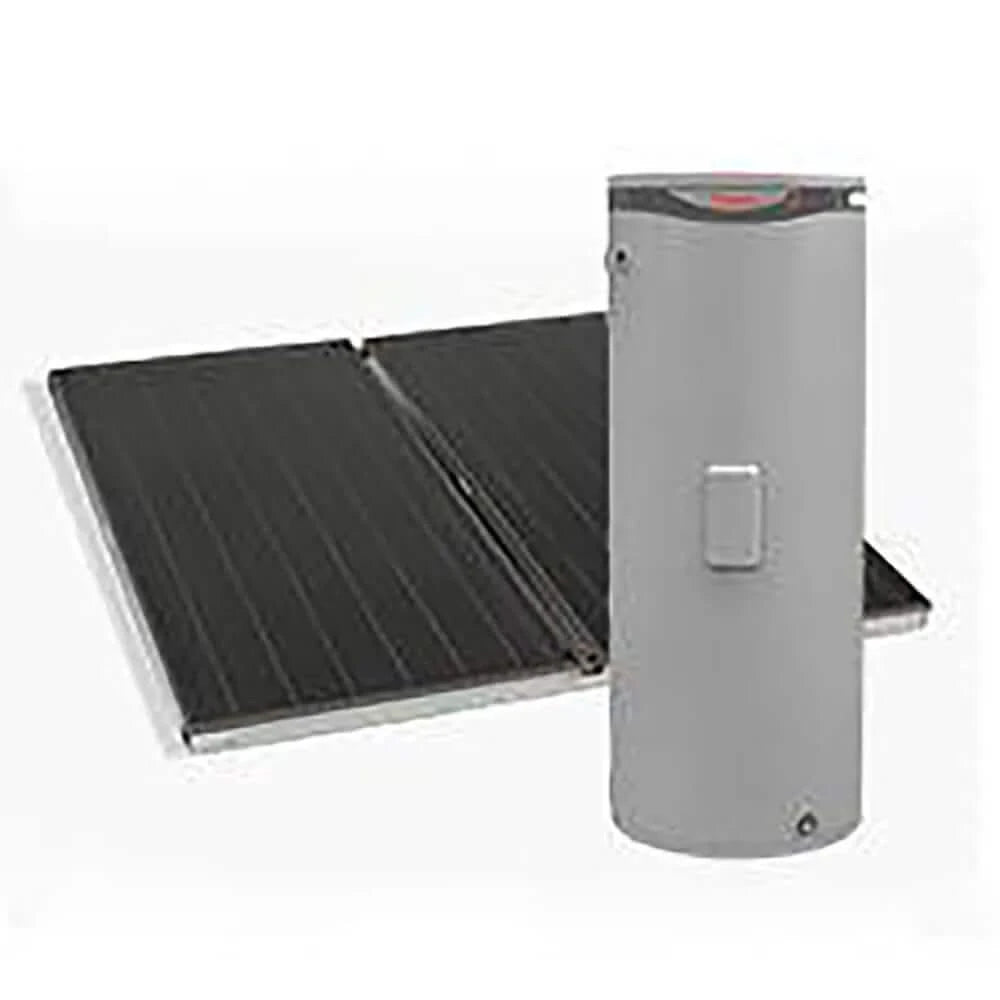
Solar hot water systems are an efficient and environmentally friendly way to heat your water, using energy from the sun to reduce electricity or gas consumption. To continue operating efficiently and reliably, they require regular maintenance and servicing.
Like any hot water system, manufacturers recommend routine maintenance to maximise system performance, protect key components and support your manufacturer's warranty.
Homeowner Maintenance – Every 6 Months
Every six months we recommend carrying out a simple visual inspection of your solar hot water system.
Homeowners should:
- Carefully operate the Pressure & Temperature Relief (PTR) Valve.
- Operate the Expansion Control Valve (ECV) (where fitted).
- Check for water leaks around the storage tank and pipework.
- Inspect visible solar pipe insulation for deterioration.
- Ensure solar collectors are free from excessive dirt, leaves and debris where safely accessible.
- Check for signs of corrosion or rust.
- Listen for unusual noises from the system or circulating pump (where fitted).
Why is this important?
Regular operation of the PTR and ECV valves helps prevent mineral build-up that can cause the valves to seize or leak.
Keeping collectors and surrounding components clean allows the solar system to operate as efficiently as possible, while early detection of leaks or damaged insulation can prevent larger problems from developing.
Important: Always follow your manufacturer's instructions when operating safety valves, as hot water will discharge during testing. Do not climb onto your roof to inspect or clean collectors. If you're unsure, contact a licensed plumber.
JR 6-Month Solar Hot Water Health Check
Recommended Service – $99
Our professional inspection helps ensure your solar hot water system continues operating safely and efficiently while identifying issues before they become costly repairs.
Our technician will:
- Inspect the complete hot water system.
- Check for leaks and corrosion.
- Test the PTR valve.
- Test the ECV (where fitted).
- Inspect exposed solar pipework and insulation.
- Check storage tank condition.
- Inspect booster operation (electric or gas).
- Check circulating pump operation (where fitted).
- Inspect controller operation (where applicable).
- Confirm system heating performance.
- Inspect valves, fittings and pipework.
- Identify components showing signs of wear.
Service Price: $99
Routine inspections help maximise solar efficiency, reduce energy costs and minimise the likelihood of unexpected breakdowns.
Recommended 5-Year Major Service
Current Price: $449
Most solar storage hot water systems benefit from scheduled replacement of key components to maintain reliable performance and extend the life of the storage tank.
Our comprehensive 5-Year Service includes:
- Replacement of the sacrificial anode (where fitted).
- Replacement of the Pressure & Temperature Relief (PTR) Valve.
- Replacement of the Expansion Control Valve (ECV).
- Inspection of the solar collectors.
- Inspection of solar pipework and insulation.
- Inspection of circulating pump and controller (where fitted).
- Inspection of booster operation.
- Full operational testing.
- Leak and corrosion inspection.
Why These Components Matter
Sacrificial Anode
Most vitreous enamel-lined solar storage tanks contain a sacrificial anode.
The anode gradually corrodes instead of the steel storage tank, protecting it from internal rust. Once the anode has been consumed, the tank itself begins to corrode, which can eventually lead to leaks and tank failure.
Replacing the anode at the recommended interval is one of the best ways to extend the life of your hot water system.
Pressure & Temperature Relief (PTR) Valve
The PTR valve protects the storage tank by safely relieving excessive pressure and temperature.
Mineral deposits and normal wear can prevent the valve from operating correctly over time, making routine testing and replacement essential.
Expansion Control Valve (ECV)
Where fitted, the ECV controls pressure created as water expands during heating.
Maintaining the ECV helps reduce stress on the storage tank and plumbing system, contributing to a longer service life.
Solar Collectors & Pipework
Solar collectors capture the sun's energy to heat water, while insulated pipework transfers that heat to the storage tank.
Keeping collectors unobstructed and ensuring pipe insulation remains in good condition helps:
- Maximise solar efficiency.
- Reduce reliance on electric or gas boosting.
- Lower energy costs.
- Improve overall system performance.
If Your Hot Water System Isn't Working
Before arranging a service, check the following:
- Ensure power is switched on (for electric boosted systems).
- Confirm the gas supply is on (for gas boosted systems).
- Check circuit breakers and safety switches where applicable.
- Verify the booster has not been turned off.
- Inspect for visible water leaks.
- Ensure exposed solar pipe insulation has not been damaged.
- Check for controller fault codes (where fitted).
- Listen for unusual noises from the circulating pump (where fitted).
- Remember that several cloudy days may reduce solar heating, causing the booster to operate more frequently.
If your system is still not producing adequate hot water, contact JR Gas & Water for professional diagnosis and repair.
General Signs Your System May Need Attention
Arrange a service if you notice:
- Reduced hot water availability.
- Booster operating more frequently than usual.
- Water leaking from the tank or pipework.
- Constant dripping from relief valves.
- Visible corrosion.
- Damaged or deteriorated pipe insulation.
- Pump noise or failure (where fitted).
- Controller fault codes.
- Rust-coloured or dirty water.
- Unusual noises during operation.
Early servicing can often prevent more expensive repairs and extend the life of your solar hot water system.
Protect Your Warranty & Maximise System Life
Routine maintenance helps ensure your solar hot water system continues operating safely, efficiently and reliably.
Following the manufacturer's recommended maintenance schedule may also assist in maintaining warranty coverage.
Failure to maintain your system may result in:
- Premature tank corrosion.
- Reduced solar efficiency.
- Higher electricity or gas consumption.
- Leaking or seized safety valves.
- Unexpected loss of hot water.
- Shortened system lifespan.
- Possible reduction or loss of manufacturer warranty, depending on the manufacturer's maintenance requirements.
Preventative maintenance is one of the best ways to protect your investment, reduce operating costs and maximise the life of your solar hot water system.
Please note: Maintenance requirements vary between manufacturers and models. Always refer to your owner's manual for the maintenance schedule applicable to your solar hot water system. JR Gas & Water services all major solar hot water brands in accordance with manufacturer recommendations where applicable.