

Why a 9kg Gas Bottle Is Not Enough for Some LPG Appliances
A 9kg LPG bottle is fine for many BBQs, camping setups and small portable appliances, but it is usually not suitable for running a full home gas setup. When customers ask why they cannot use a small BBQ bottle for heating, cooking and hot water, the answer comes down to LPG evaporation rate, appliance gas demand and safe supply pressure.
Gas appliances do not just need “some gas”. They need enough gas flow at the right pressure for the appliance to operate correctly. A continuous flow gas hot water system, gas heater, oven or multiple appliances running at the same time can demand far more gas than a small bottle can supply.
For Brisbane, Gold Coast and South East Queensland homes, the right LPG cylinder setup should be selected by a licensed gas fitter based on the appliances, total MJ/h demand, pipework, regulator setup, bottle location and expected usage.
Quick answer
A 9kg gas bottle is usually too small for household gas hot water, heating and multiple cooking appliances because it cannot evaporate LPG fast enough to meet the demand. As gas is drawn from the bottle, liquid LPG must boil and turn back into vapour. Smaller bottles have less liquid surface area and can quickly chill under high demand, which reduces gas output even further.
For larger LPG applications, homes often need larger cylinders, commonly 45kg bottles or a correctly designed multi-cylinder setup. The correct size depends on the appliances being connected, their total MJ/h load and how they are used.
Why gas bottle size matters
LPG inside a gas bottle is stored as a liquid under pressure. When an appliance uses gas, vapour leaves the top of the cylinder and the liquid LPG inside the bottle evaporates to replace it.
This evaporation process is affected by:
-
Cylinder size
-
Liquid surface area
-
Outdoor temperature
-
How full the cylinder is
-
Appliance demand
-
Whether multiple appliances are running at once
-
Regulator and pipework capacity
-
Length of the gas pipe run
A bigger bottle has more liquid surface area, which usually allows it to produce more vapour. A smaller bottle has less surface area and can struggle when the gas demand is high.
Why a 9kg bottle works for a BBQ but not a full home
A 9kg bottle is designed for relatively small, short-duration gas loads. It can run many BBQs because the demand is limited and usually intermittent.
A home gas setup is different. Appliances such as continuous flow hot water systems and space heaters can require a high gas input, especially when operating at full load.
For example, a continuous flow LPG hot water system may require close to 200 MJ/h when operating at maximum demand. A 9kg bottle cannot reliably supply that sort of load for a household installation.
That does not mean the bottle is empty. It means the bottle cannot evaporate LPG fast enough to keep up with the appliance.
LPG evaporation explained simply
When LPG vapour leaves the bottle, the liquid LPG inside needs heat from the surrounding environment to boil and turn back into gas. This is why cylinders can feel cold or even develop frost when they are being drawn on heavily.
The harder the appliance pulls gas from the bottle, the faster the bottle cools. As the bottle gets colder, evaporation slows down. This can reduce available gas flow and cause poor appliance performance.
In practical terms, the appliance may:
-
Struggle to ignite
-
Shut down during operation
-
Run inconsistently
-
Show fault codes
-
Fail to reach full output
-
Lose performance when multiple appliances are used
-
Perform worse in cooler weather
This is one of the main reasons gas bottle sizing matters.
Approximate gas bottle output comparison
The actual output of an LPG cylinder depends on temperature, fill level, cylinder condition and usage pattern, but the difference between a 9kg and 45kg bottle is significant.
| LPG bottle size | Typical use | Approximate supply ability under suitable conditions |
|---|---|---|
| 9kg bottle | BBQs, camping and small portable appliances | Suitable for smaller loads, not full household gas demand |
| 45kg bottle | Domestic LPG appliances | More suitable for hot water, cooking and heating when correctly designed |
| Multiple 45kg bottles | Higher-demand homes | Often used where several appliances may operate or higher flow is required |
As a broad example, at moderate temperatures and with a partially full bottle, a 45kg LPG cylinder can supply far more vapour than a 9kg bottle. Even then, a single 45kg bottle may not always be enough for a high-demand appliance running at full load, which is why many homes use paired 45kg cylinders with an automatic changeover regulator.
Common appliances that may need larger LPG cylinders
A small LPG bottle may not be suitable for:
-
Continuous flow gas hot water systems
-
Gas storage hot water systems
-
Gas ducted heating
-
Gas space heaters
-
Gas ovens and cooktops used together
-
Outdoor kitchens with multiple burners
-
Homes using gas hot water and cooking at the same time
-
Granny flats, sheds or secondary dwellings with gas appliances
-
Acreage properties with longer gas pipe runs
If your home uses LPG for hot water, cooking and heating, bottle sizing should be calculated properly rather than guessed.
Example: LPG hot water demand
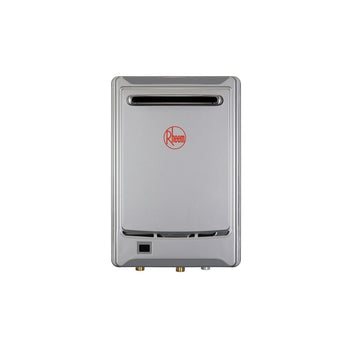
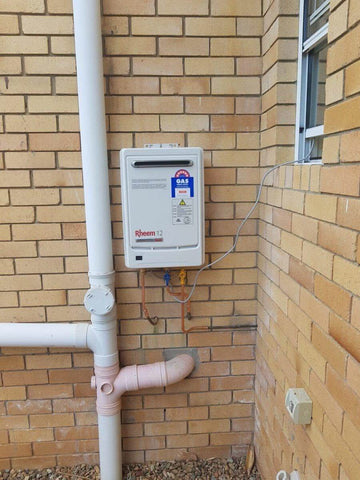
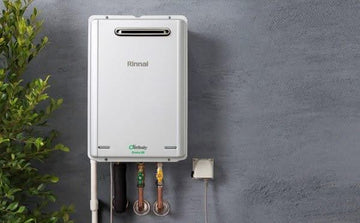
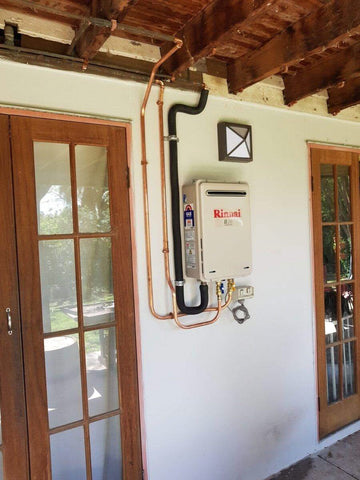
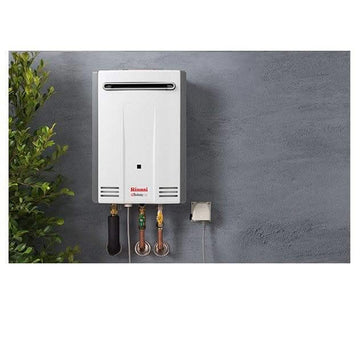
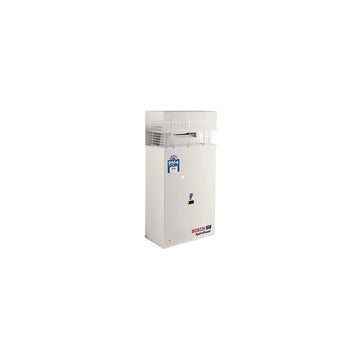
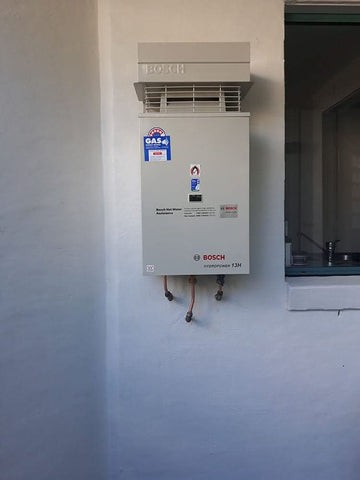
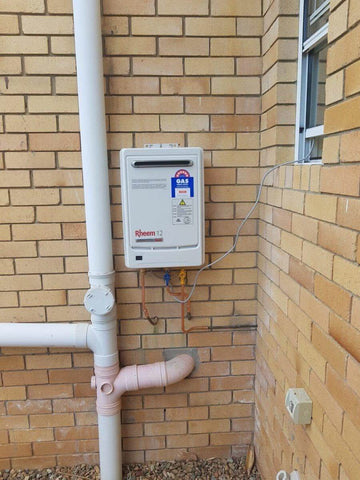
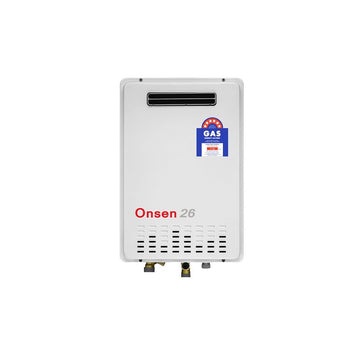
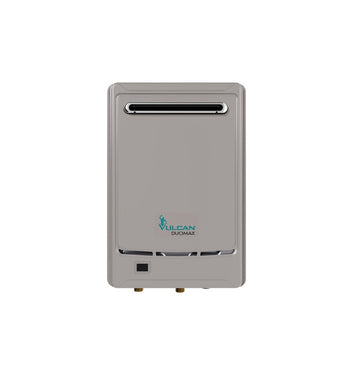
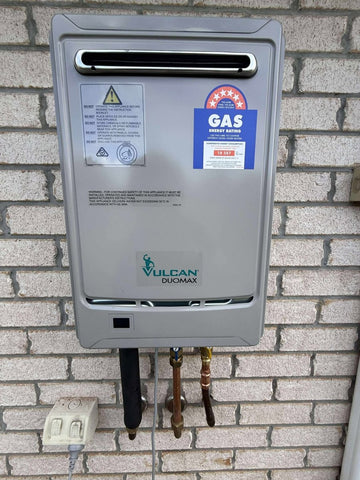
A continuous flow gas hot water system can have a high MJ/h input when running at full capacity. A model such as a 26L continuous flow unit can require around 200 MJ/h at full load.
That demand is far beyond what a small 9kg BBQ bottle is intended to support. It may also exceed what a single 45kg cylinder can continuously supply under some conditions.
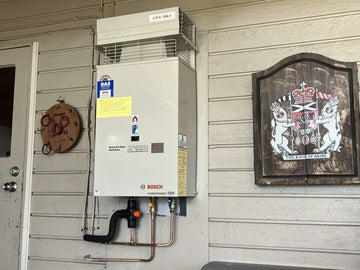
This is why many LPG hot water installations use a suitable 45kg cylinder arrangement, correct regulators and correctly sized pipework. JR Gas & Water can help assess whether your gas supply is suitable when comparing instant gas hot water systems or replacing an existing LPG hot water unit.
Why colder weather makes the issue worse
LPG evaporation depends partly on heat from the air around the bottle. In cooler conditions, the liquid LPG has less available heat to draw from, so evaporation slows.
This can be noticeable in:
-
Early mornings
-
Cooler hinterland areas
-
Shaded bottle locations
-
High-demand winter usage
-
Homes running heaters and hot water together
-
Bottles that are low or partly depleted
A bottle that seems to work during warmer conditions may struggle when the temperature drops or when more appliances are used at once.
Why the bottle may freeze or frost
Frost on a gas bottle can happen when LPG is being drawn off faster than the bottle can comfortably evaporate it. As the liquid LPG boils into vapour, it removes heat from the cylinder and the surrounding air. Moisture can then freeze on the outside of the bottle.
Frosting is a warning sign that the bottle may be under too much demand for the appliance load. It does not always mean the bottle is empty.
If an LPG bottle is frosting heavily or appliances are shutting down, the system should be checked by a licensed gas fitter.
It is not only the bottle size
A correct LPG setup is about more than the cylinder. The gas supply also depends on:
-
Regulator capacity
-
Regulator type
-
Pipe sizing
-
Pipe length
-
Appliance MJ/h rating
-
Number of appliances
-
Bottle location
-
Ventilation
-
Changeover arrangement
-
Compliance clearances
-
Whether the appliance is natural gas or LPG
A larger bottle will not fix every issue if the regulator, pipework or appliance setup is wrong. Gas work should always be completed by a licensed gas fitter.
Single bottle vs twin bottle LPG setups
Many homes that rely on LPG use two 45kg cylinders with an automatic or manual changeover regulator.
A twin bottle setup can help because:
-
It provides better supply continuity
-
One bottle can be used while the other is held in reserve
-
It reduces the chance of unexpectedly running out of gas
-
It can support more practical household usage
-
It gives the LPG supplier a clearer replacement routine
The correct arrangement depends on the total gas load and the home’s usage pattern. Some high-demand properties may need further assessment.
Brisbane and Gold Coast LPG considerations
LPG bottle sizing can be especially important across South East Queensland because homes vary widely.
Common local situations include:
-
Acreage homes without natural gas connection
-
Outdoor LPG bottle locations exposed to shade or wind
-
Granny flats, sheds and outdoor kitchens connected to LPG
-
Long pipe runs between bottles and appliances
-
Renovated Queenslanders with older gas pipework
-
Coastal Gold Coast homes where corrosion exposure matters
-
Properties using LPG for both cooking and hot water
-
Homes changing from electric hot water to gas hot water
-
Outdoor entertainment areas with BBQs, cooktops or pizza ovens
For LPG installations, the site matters as much as the appliance.
Safety considerations with LPG bottles
LPG is safe when installed and used correctly, but incorrect bottle sizing, poor connections or non-compliant setups can create performance and safety risks.
Important safety points:
-
Do not connect household gas appliances to a BBQ bottle unless the setup has been designed and approved for that use
-
Do not alter regulators, hoses, valves or fittings yourself
-
Do not use damaged or leaking cylinders
-
Do not store LPG bottles indoors
-
Keep cylinders upright and in a compliant, ventilated location
-
Keep cylinders away from ignition sources
-
Do not use natural gas appliances on LPG unless they have been correctly converted and approved
-
Do not continue using a system that smells of gas or appears unsafe
If you smell gas, turn off the gas supply if it is safe to do so, avoid ignition sources and contact a licensed gas fitter or emergency service as appropriate.
What happens if the gas bottle is too small?
If the gas bottle is undersized, you may notice:
-
Hot water cutting in and out
-
Low hot water temperature
-
Gas heater shutdowns
-
Poor flame performance
-
Appliance fault codes
-
Bottle frosting
-
Regulator freezing or struggling
-
Reduced performance when multiple appliances run together
-
Gas supply problems even when the bottle is not empty
These symptoms can look like an appliance fault, but the real issue may be gas supply capacity.
How to choose the right LPG bottle size
A licensed gas fitter will consider:
-
Each appliance’s MJ/h rating
-
Total connected gas load
-
Which appliances may run at the same time
-
Whether the system is for hot water, cooking, heating or all three
-
The distance from bottles to appliances
-
Pipe sizing and pressure drop
-
Regulator capacity
-
Local temperature and bottle location
-
Access for bottle delivery and replacement
-
Compliance clearances and ventilation
This is why there is no single bottle size that suits every property.
Alternatives to LPG hot water
If LPG supply is difficult, expensive or impractical for your property, other hot water options may be worth comparing.
JR Gas & Water can help compare:
-
Heat pump hot water systems for energy-efficient electric replacements
-
Solar hot water systems where the roof and sun exposure are suitable
-
Electric hot water systems for simple like-for-like replacements
-
Instant gas hot water systems where the LPG supply is correctly designed
-
Gas storage hot water systems where storage recovery and site setup suit the home
The best option depends on the home, not just the fuel type.
What JR Gas & Water can help with
JR Gas & Water can help with:
-
LPG gas fitting advice
-
Gas bottle sizing guidance
-
LPG hot water replacements
-
Gas regulator and pipework checks
-
Appliance gas demand assessments
-
Natural gas and LPG appliance considerations
-
Comparing gas, electric, solar and heat pump hot water options
-
Practical advice from photos and model details
For gas work, JR Gas & Water can help homeowners across Brisbane, Gold Coast and nearby South East Queensland areas understand what is practical, compliant and suitable for the site.
Related JR Gas & Water services
FAQs
Can I run a gas hot water system from a 9kg BBQ bottle?
In most household installations, no. A 9kg bottle is not designed to supply the high gas demand of a continuous flow gas hot water system. The system may struggle, shut down or fail to operate correctly.
Why does a 9kg gas bottle work for my BBQ but not my hot water system?
A BBQ usually has a lower and more intermittent gas demand. A gas hot water system can require a much higher MJ/h input, especially when heating water at full flow. The small bottle cannot evaporate LPG fast enough to keep up.
Do I need one or two 45kg LPG bottles?
Many homes using LPG for hot water, cooking or heating use two 45kg cylinders with a changeover regulator, but the correct setup depends on total appliance demand and site conditions. A licensed gas fitter should assess the installation.
Why does my LPG bottle frost when I use gas appliances?
Frost can occur when LPG is being drawn from the bottle faster than it can comfortably evaporate. This often means the bottle is under high demand, especially if the bottle is small, partly empty or exposed to cooler conditions.
Can a gas bottle be too small even if it is full?
Yes. A full small bottle can still be too small for the appliance demand. Bottle sizing is not only about how much LPG is stored; it is also about how fast the bottle can produce vapour.
What size LPG bottle do I need for a continuous flow hot water system?
It depends on the hot water unit’s MJ/h rating, the number of appliances, pipework, regulator setup and usage pattern. Many continuous flow LPG installations require larger 45kg cylinders rather than small portable bottles.
Can I connect multiple gas appliances to one LPG bottle?
It may be possible with the right cylinder size, regulator, pipework and compliant installation, but it should never be guessed. The total gas load must be calculated by a licensed gas fitter.
Is LPG better than electric hot water?
LPG can suit some homes, especially where gas appliances are already installed. Electric, heat pump and solar options may be better for other homes. The best choice depends on running costs, installation requirements, usage and available energy sources.
Need help choosing the right LPG or hot water setup?
If your gas appliances are struggling, your hot water system is cutting out, or you are unsure whether your LPG bottles are correctly sized, JR Gas & Water can help assess the setup and compare practical options for your home.
Book a licensed gas fitter, compare instant gas hot water systems, or send photos and appliance details through for a suitable recommendation.