

Marine Hot Water Systems: What Boaters Should Know Before Buying
Marine hot water systems are designed for boats, yachts and onboard plumbing setups where space, power, corrosion resistance and safety matter more than a standard household installation.
Unlike a normal home hot water system, a marine setup has to deal with movement, salt air, vibration, tight compartments, limited power supply and different water storage arrangements. That means the right system is not just about litres, flow rate or price. It needs to suit the vessel, the available energy source, the plumbing layout and the way the boat is actually used.
For homeowners comparing land-based systems, JR Gas & Water can help with electric hot water systems, instant gas hot water systems, gas storage hot water systems, heat pump hot water systems and hot water repairs and servicing across Brisbane, the Gold Coast and nearby South East Queensland areas. Marine onboard installations should be checked by suitably qualified marine trades because boats have different compliance, electrical, gas and ventilation requirements to homes.
Quick Answer
A marine hot water system is a compact hot water unit designed for onboard use. Common options include electric marine storage heaters, engine heat exchanger systems, gas marine water heaters and hybrid systems that combine shore power or generator power with engine heat.
The best marine hot water system depends on boat size, available space, freshwater storage, power source, engine setup, shower demand, corrosion exposure and safety requirements. For boats, installation should be handled by qualified marine professionals because onboard gas, electricity, ventilation and pressure systems need careful design.
If you are comparing a standard property-based hot water system instead, JR Gas & Water can help match the right system to your home through the quote request page.
What Is a Marine Hot Water System?
A marine hot water system is a water heater designed for use on a boat or marine vessel.
These systems are typically more compact than domestic hot water units and are built to handle harsher conditions, including salt air, vibration, movement and limited installation space.
Marine hot water may be used for:
Boat showers
Galley sinks
Handwashing
Cleaning
Cooking preparation
Liveaboard comfort
Extended trips
Marina-connected vessels
The right setup depends on whether the boat is used for day trips, overnight stays, long-distance cruising, liveaboard use or commercial marine work.
How Marine Hot Water Systems Work
Marine hot water systems can heat water in several ways.
Some use electricity from shore power or a generator. Some use engine heat through a heat exchanger. Some use gas. Others combine more than one heat source so the vessel has flexible hot water depending on whether it is docked, underway or off-grid.
The basic setup may include:
A compact hot water storage tank
Cold water feed from onboard freshwater storage
Hot water outlet to galley or shower fixtures
Pressure relief and safety valves
Electrical heating element or gas burner, depending on system type
Engine heat exchanger coil on selected systems
Insulation to reduce heat loss
Marine-grade fittings and mounting
Because boats move, vibrate and operate in wet environments, mounting, corrosion resistance and safety controls are critical.
Main Types of Marine Hot Water Systems
There are four main marine hot water options to understand.
1. Electric Marine Hot Water Systems
Electric marine hot water systems use an electric element to heat water inside a compact storage tank.
They are commonly used on boats that regularly connect to shore power or have a suitable generator setup.
Best Suited To
Electric marine hot water may suit:
Boats regularly connected to marina power
Vessels with suitable generator capacity
Overnight cruisers
Liveaboard boats with stable power supply
Small to medium hot water demand
Boats needing compact stored hot water
What They Do Well
Electric systems are relatively simple compared with gas or engine heat exchanger setups.
Potential benefits include:
Straightforward operation
Good for marina-connected vessels
Compact storage options
No onboard combustion
Useful for showers and galley use
Can suit boats with predictable power access
Things to Consider
Electric systems depend on available power. If the vessel is away from shore power and does not have enough generator capacity, heating performance may be limited.
Check:
Power supply
Electrical load
Tank capacity
Recovery time
Freshwater storage
Installation space
Marine-grade electrical compliance
Access for maintenance
Electrical work on boats should be handled by a suitably qualified professional.
2. Engine Heat Exchanger Marine Systems
Engine heat exchanger systems use waste heat from the boat’s engine to heat water while the vessel is underway.
This can be efficient because the system uses heat the engine is already producing.
Best Suited To
Engine heat exchanger systems may suit:
Cruising boats
Vessels used for longer trips
Boats that run engines regularly
Liveaboard setups
Owners wanting hot water after motoring
Hybrid systems with electric backup
What They Do Well
The key advantage is efficient hot water production while underway.
Potential benefits include:
Uses engine waste heat
Can reduce reliance on electricity while travelling
Good for cruising vessels
Often paired with electric backup
Useful for hot water after motoring
Things to Consider
Performance depends on engine operation. If the boat sits at anchor or in a marina without running the engine, the system may need electric backup or another heat source.
Check:
Engine compatibility
Heat exchanger setup
Hose routing
Tank location
Distance from engine
Temperature control
Safety valves
Professional marine installation requirements
This type of system should be designed carefully because it connects to engine cooling and hot water plumbing.
3. Gas Marine Hot Water Systems
Gas marine hot water systems use LPG or another suitable gas supply to heat water. They may be storage or instantaneous, depending on the product and vessel setup.
Gas can be useful when electrical power is limited, but onboard gas safety is critical.
Best Suited To
Gas marine hot water may suit:
Boats with compliant LPG systems
Off-grid or remote cruising
Vessels needing faster hot water recovery
Boats with limited electrical capacity
Owners already using gas onboard
What They Do Well
Gas systems can provide strong heating without relying fully on shore power.
Potential benefits include:
Fast water heating
Useful where electrical power is limited
Can suit off-grid boating setups
May be compact depending on system type
Things to Consider
Gas work on boats is not the same as standard residential gas work. Ventilation, flueing, gas storage, ignition protection and marine compliance all matter.
Do not install, alter or repair onboard gas systems yourself.
Check:
Marine gas compliance
Ventilation
Flueing requirements
Gas bottle storage
Ignition safety
Appliance approval for marine use
Professional installation requirements
Carbon monoxide safety
If you are dealing with gas on a residential property rather than a vessel, JR Gas & Water can help through its Brisbane gas fitter service. For onboard marine gas, use a suitably qualified marine gas professional.
4. Hybrid Marine Hot Water Systems
Hybrid marine hot water systems combine more than one heat source, commonly electric heating and engine heat exchanger capability.
These systems give boat owners more flexibility depending on whether they are docked, motoring or off-grid.
Best Suited To
Hybrid marine systems may suit:
Cruising boats
Liveaboard vessels
Boats with shore power and regular engine use
Owners wanting flexible heating options
Higher comfort setups
Longer trips where hot water reliability matters
What They Do Well
Hybrid systems are popular because they can provide hot water in different operating conditions.
Potential benefits include:
Electric heating at the marina
Engine heat while underway
Better flexibility for cruising
Stored hot water for showers and galley use
Reduced reliance on one energy source
Things to Consider
Hybrid systems are more complex than basic electric storage systems.
Check:
Tank size
Engine heat exchanger compatibility
Power supply
Marine plumbing layout
Maintenance access
Safety valves
Mounting position
Freshwater storage
Professional installation requirements
Marine Hot Water vs Domestic Hot Water Systems
A marine hot water system is not the same as a household hot water system.
| Feature | Marine Hot Water System | Domestic Hot Water System |
|---|---|---|
| Installation environment | Boat, yacht or vessel | Home or building |
| Main challenges | Salt, movement, vibration, tight spaces | Household demand, plumbing access, energy source |
| Common energy sources | Shore power, generator, engine heat, gas | Electric, heat pump, gas, solar |
| System size | Compact | Wider size range |
| Compliance focus | Marine safety and onboard services | Plumbing, gas and electrical building compliance |
| Best support | Marine-qualified installer | Licensed plumber, gas fitter or electrician |
If you are replacing hot water at a house, use a domestic system. If you are fitting hot water on a boat, use a marine-rated system and suitable marine trades.
What Size Marine Hot Water System Do You Need?
Marine hot water sizing depends on how the boat is used.
A small day boat may not need hot water at all. A weekend cruiser may only need enough for light galley use and short showers. A liveaboard vessel may need a larger system with faster recovery and backup heating.
Consider:
Number of people onboard
Shower use
Galley use
Freshwater tank size
Available power
Engine run time
Time spent at marina vs anchorage
Available installation space
Expected recovery time
Whether hot water is needed daily or occasionally
A larger tank is not always better on a boat. More stored water means more weight, more space and more energy required to heat it.
Installation Considerations for Marine Hot Water
Marine hot water installation needs careful planning because the system operates in a confined, moving and corrosion-prone environment.
Important checks include:
Available space
Mounting strength
Weight of the tank when full
Ventilation
Corrosion protection
Electrical safety
Gas safety where relevant
Pressure relief valve discharge
Freshwater pump compatibility
Hose routing
Access for servicing
Distance from engine if using heat exchanger
Heat loss through pipe runs
Marine-rated fittings and components
A poorly installed marine system can leak, corrode, overheat, lose efficiency or create safety risks.
Safety Considerations
Marine hot water systems involve hot water, pressure, electricity and sometimes gas or engine heat. Safety should come before convenience.
Important safety points include:
Use marine-suitable equipment
Do not bypass pressure relief valves
Do not ignore corrosion
Do not modify gas or electrical components yourself
Ensure gas appliances are properly ventilated
Check for carbon monoxide risks where combustion is involved
Use suitable temperature control to reduce scalding risk
Make sure the tank is mounted securely
Keep access clear for inspection
Follow manufacturer instructions
Use qualified marine trades for onboard installation
For homes, JR Gas & Water can help with property-based hot water safety and hot water repairs and servicing. For boats, marine-specific installation requirements should be followed.
Maintenance Tips for Marine Hot Water Systems
Marine environments are harder on hot water systems than normal homes. Salt air, vibration, moisture and limited ventilation can shorten system life if maintenance is ignored.
Practical maintenance steps include:
Inspect the tank and fittings regularly
Check for corrosion
Look for leaks around hoses and valves
Check anodes where fitted
Follow manufacturer servicing instructions
Flush the system as recommended
Check pressure relief valve function
Inspect electrical connections through a qualified professional
Check gas systems through a qualified marine gas professional
Drain or protect the system during long storage where required
Keep ventilation and access clear
Replace worn hoses and fittings early
If water smells unusual, the tank leaks, heating becomes slow or the system trips power, arrange professional inspection.
Common Marine Hot Water Problems
Marine hot water systems can fail for several reasons.
Common issues include:
No hot water
Slow heating
Leaking tank
Corroded fittings
Failed element
Thermostat fault
Pressure relief valve discharge
Poor engine heat transfer
Electrical supply issue
Gas ignition issue
Low water pressure from freshwater pump
Airlocks or poor hose routing
Salt-related corrosion
Tank too small for usage
Because boats use different plumbing, power and safety systems to homes, troubleshooting should be done carefully.
When a Marine System Is Not the Right Fit
Sometimes people searching for marine hot water are actually looking for compact hot water for a shed, granny flat, outdoor kitchen, caravan-style setup or remote sink at home.
If the system is for a house or land-based building, a standard domestic hot water option may be more suitable than a marine system.
Domestic options to compare include:
Electric hot water systems for straightforward storage replacements
Heat pump hot water systems for efficient electric upgrades where suitable
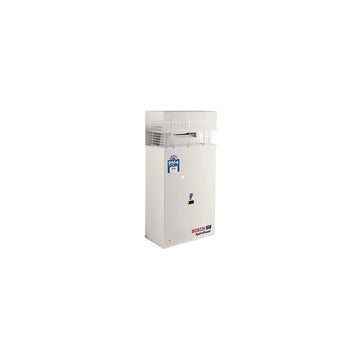
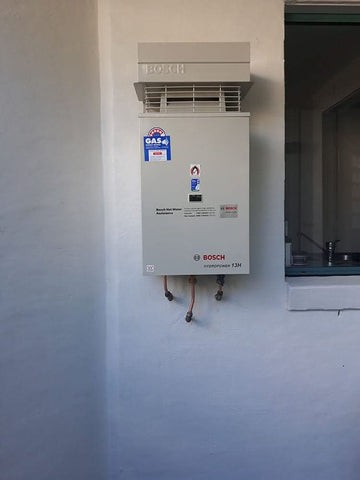
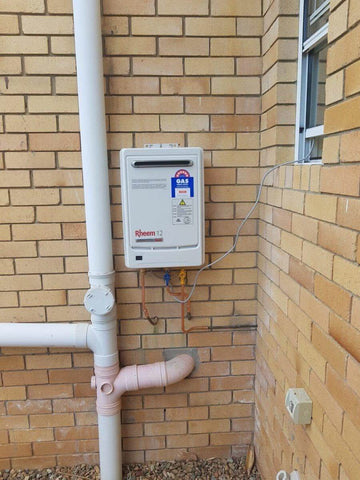
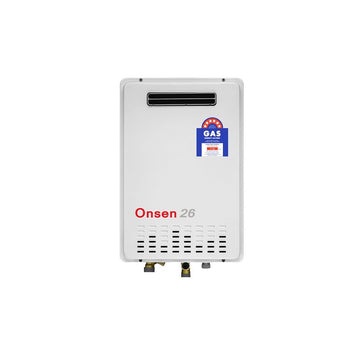
Instant gas hot water systems for suitable gas properties
Gas storage hot water systems for existing gas storage homes
Solar hot water systems for suitable roof and booster setups
For compact sinks, under-sink or small electric systems may also be worth comparing within the electric hot water systems range.
Choosing the Right Marine Hot Water System
Before buying, work through these questions.
How Is the Boat Used?
A weekend boat and liveaboard vessel need different systems.
Ask:
Do you shower onboard?
How many people use hot water?
How often do you stay overnight?
Do you spend more time at a marina or anchored?
Is the engine run often enough for heat exchanger use?
Is hot water needed every day or occasionally?
What Energy Sources Are Available?
Common marine energy sources include:
Shore power
Generator
Battery and inverter setup
Engine heat
Gas
Solar-supported electrical systems
The best system depends on what is reliable and safe for the vessel.
How Much Space Is Available?
Boat installations are tight. Measure carefully and allow access for servicing.
Check:
Tank diameter and length
Mounting area
Hose access
Valve access
Ventilation
Electrical clearance
Weight when full
Nearby equipment
What Material Is Best?
Marine systems should be corrosion-resistant. Stainless steel tanks and marine-grade components are commonly preferred because boats operate in damp, salty environments.
Who Will Install It?
Marine installation should be handled by trades familiar with boats and marine standards. Do not treat a boat installation like a normal household plumbing job.
Local Brisbane, Gold Coast and SEQ Considerations
Boaters around Brisbane, Moreton Bay, the Gold Coast and South East Queensland often deal with salt air, humid conditions and mixed use between marina power and off-grid anchoring.
Local marine considerations include:
Salt corrosion
High humidity
Marina shore power use
Weekend cruising demand
Liveaboard comfort needs
Limited service access onboard
Vessel movement and vibration
Compact installation spaces
Freshwater tank limits
Need for reliable safety controls
For homes, rentals and land-based buildings across Brisbane and the Gold Coast, JR Gas & Water can help with domestic hot water selection, repairs and replacement advice.
What JR Gas & Water Can Help With
JR Gas & Water can help customers with domestic and property-based hot water systems across Brisbane, the Gold Coast and nearby South East Queensland areas.
Relevant support includes:
Compare electric hot water systems for standard and compact property-based electric options
Review heat pump hot water systems for efficient home hot water upgrades
Compare instant gas hot water systems for suitable gas homes
Browse gas storage hot water systems for gas storage replacements
Consider solar hot water systems for suitable homes
Book hot water repairs and servicing if your property-based system is leaking, faulty or inconsistent
Use the quote request page for photos, model details and practical recommendations
FAQs About Marine Hot Water Systems
What is a marine hot water system?
A marine hot water system is a compact water heater designed for boats and marine vessels. It may use shore power, generator power, engine heat, gas or a hybrid combination depending on the vessel.
How does a marine hot water heater work?
Marine hot water heaters usually store water in a compact tank and heat it with an electric element, engine heat exchanger, gas burner or hybrid setup. The system then supplies hot water to onboard showers or galley fixtures.
What is the best marine hot water system?
The best marine system depends on boat size, available power, engine setup, freshwater storage, usage and installation space. Electric systems suit marina power, heat exchanger systems suit cruising vessels, and hybrid systems suit boats needing flexibility.
Can I use a normal home hot water system on a boat?
A standard home hot water system is generally not suitable for a boat. Marine systems need to handle movement, corrosion, confined spaces and onboard safety requirements. Use equipment designed and approved for marine applications.
Do marine hot water systems need maintenance?
Yes. Marine systems should be checked regularly for leaks, corrosion, valve issues, anode condition, electrical safety, gas safety where relevant and overall performance. Salt and moisture make maintenance especially important.
Are gas marine hot water systems safe?
Gas marine hot water systems can be safe when the appliance is suitable for marine use and installed correctly by a qualified professional. Ventilation, gas storage, flueing, ignition protection and carbon monoxide safety are critical.
What size marine hot water tank do I need?
The right size depends on shower use, number of people onboard, freshwater storage, available power and vessel space. A larger tank gives more stored hot water but adds weight and takes up valuable space.
Can JR Gas & Water install marine hot water systems?
JR Gas & Water specialises in property-based plumbing, gas and hot water systems across Brisbane, the Gold Coast and nearby South East Queensland areas. Onboard marine systems should be installed by suitably qualified marine trades. For land-based hot water needs, JR Gas & Water can help compare suitable domestic systems.
Final Thoughts
A marine hot water system can make boating more comfortable by providing hot water for showers, cleaning and galley use. The right setup depends on the vessel, energy source, freshwater storage, available space and how the boat is used.
Electric systems suit boats with reliable shore power or generator use. Engine heat exchanger systems suit vessels that spend time underway. Gas systems need strict marine safety controls. Hybrid systems offer flexibility for longer trips and liveaboard comfort.
If your hot water need is for a home, granny flat, shed, outdoor kitchen or land-based property, JR Gas & Water can help compare modern domestic options instead.
Need help choosing a property-based hot water system?
JR Gas & Water can help compare electric hot water systems, heat pump hot water systems, instant gas hot water systems, gas storage hot water systems and solar hot water systems, or send photos and model details through the quote request page.