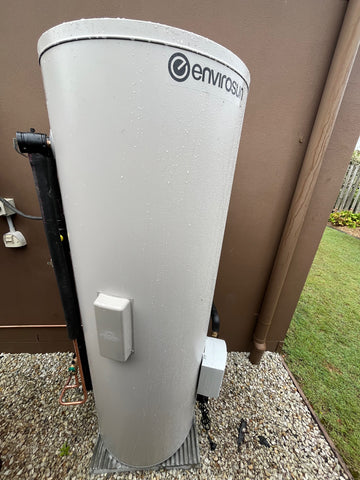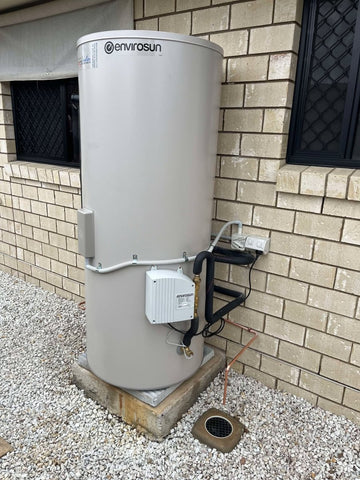


Solar Hot Water Systems Brisbane and Gold Coast: Supplied and Installed by JR Gas & Water
Solar hot water can be a strong option for homeowners who want to reduce long-term energy use, lower reliance on standard electric boosting and make better use of Queensland’s sunny climate.
For Brisbane, Gold Coast and South East Queensland homes, the right solar hot water system can provide reliable hot water with electric or gas boosting for cloudy days, wet weather and higher-demand periods. The key is choosing a system that suits the roof, household demand, booster setup, installation access and long-term maintenance requirements.
JR Gas & Water can help compare solar hot water systems, heat pump hot water systems, electric hot water systems and gas storage hot water systems so your home gets the right hot water system, not just the cheapest product.
Quick answer
Solar hot water is a good choice for Brisbane and Gold Coast homes with suitable roof space, strong sun exposure, practical access and the right household usage pattern.
A solar hot water system uses roof-mounted collectors to heat water, with an electric or gas booster available when solar gain is low. It can reduce running costs compared with standard electric storage when selected, installed and maintained correctly.
However, solar hot water is not right for every home. If the roof is shaded, difficult to access, poorly oriented or already full of solar PV panels, a heat pump hot water system may be the better alternative.
Why choose solar hot water?
Solar hot water uses the sun to heat your household water. In a warm, sunny region like South East Queensland, that can make it a practical long-term option for the right property.
Solar hot water may suit homeowners who want:
-
Lower running costs than standard electric storage
-
A renewable hot water option
-
Electric or gas booster backup
-
A system suited to high daytime solar exposure
-
A long-term hot water investment
-
A proven alternative to basic electric storage
-
A system that can work well in Queensland’s climate
The best results come from proper system selection and installation. Roof orientation, shading, household size, booster type, tank size and access all matter.
How solar hot water systems work
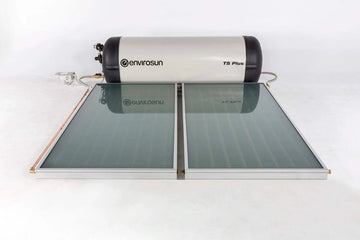
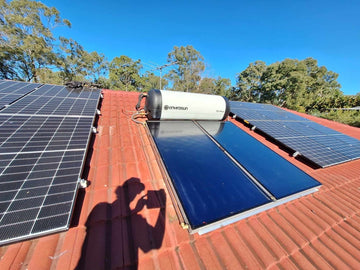
A solar hot water system uses roof-mounted collectors to absorb heat from the sun. That heat is transferred into water stored in a tank.
Most systems include a booster so the home still has hot water during cloudy weather, heavy rain, high-demand periods or low solar gain.
The booster may be:
-
Electric
-
Gas
-
Integrated into the system design
-
Separate, depending on the system type
The result is a hot water system that uses solar heat when available, with backup heating when needed.
Main types of solar hot water systems
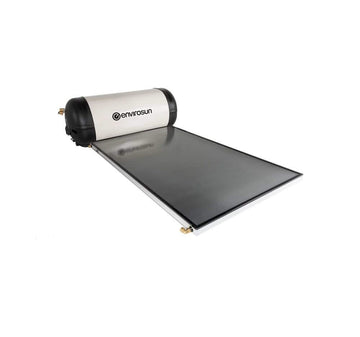
1. Roof-mounted solar hot water systems
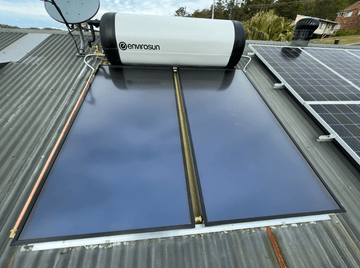
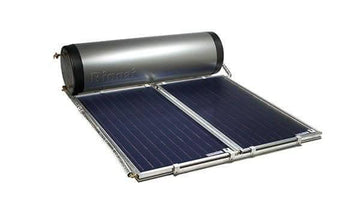
A roof-mounted system, often called a close-coupled system, has the tank and collectors installed together on the roof.
This type may suit homes with:
-
Strong roof structure
-
Good sun exposure
-
Suitable roof pitch and orientation
-
Easy enough roof access
-
Limited ground-level space
-
A preference for keeping the tank off the ground
The main limitation is roof suitability. The roof needs to handle the weight, orientation, access and installation requirements.
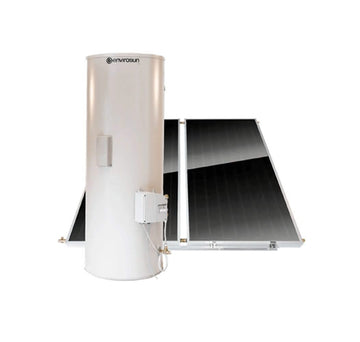
2. Split solar hot water systems
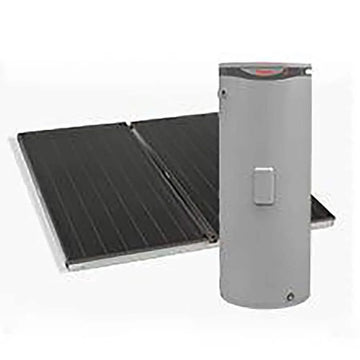
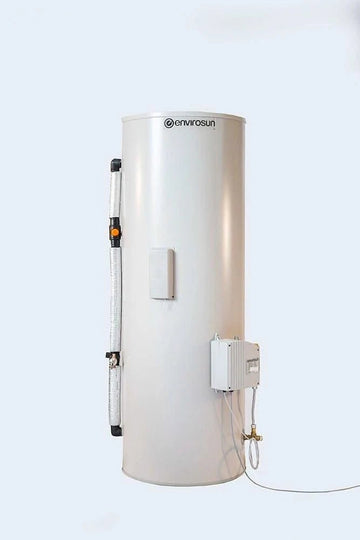
A split solar hot water system has roof-mounted collectors and a ground-level tank. A small pump circulates water or heat transfer fluid between the collectors and tank, depending on the system design.
This type may suit homes where:
-
Roof weight is a concern
-
Easier tank access is preferred
-
The owner wants the tank at ground level
-
Roof collector placement is suitable
-
Maintenance access matters
Split systems can be a good option for many homes, but they are more involved than basic electric storage replacements.
3. Heat pumps as a solar alternative
A heat pump is not a traditional solar hot water system, but it is often the best alternative when roof-mounted solar hot water is not suitable.
Heat pumps use heat from the surrounding air to heat stored water. They can work well with solar PV by running during the day, depending on the model, settings and household usage.
A heat pump may be better than solar hot water if:
-
The roof is shaded
-
Roof access is difficult
-
The roof is already full of solar panels
-
The home has good outdoor space
-
You want to use solar PV for hot water
-
Collector installation is not practical
-
You want a ground-level system
JR Gas & Water can help compare solar hot water systems and heat pump hot water systems before you commit.
Solar hot water vs heat pump hot water
| Feature | Solar Hot Water | Heat Pump Hot Water |
|---|---|---|
| Main energy source | Sunlight through roof collectors | Heat from surrounding air |
| Roof panels required | Yes | No |
| Best suited to | Sunny roofs with good orientation | Homes with outdoor space and airflow |
| Solar PV compatibility | Separate from solar PV | Often works well with daytime solar PV operation |
| Installation complexity | Roof work required | Ground-level installation in many cases |
| Booster needed | Yes, for low solar periods | Usually has boost support depending on model |
| Best for | Homes with suitable roof space | Homes with solar PV or shaded roofs |
Both can be excellent options. The best choice depends on the property.
Solar hot water vs electric storage
Standard electric storage is cheaper and simpler upfront, but solar hot water may offer better long-term running cost potential when the home suits it.
| Feature | Solar Hot Water | Electric Storage |
|---|---|---|
| Upfront cost | Usually higher | Usually lower |
| Running cost potential | Lower when solar gain is strong | Depends on tariff and usage |
| Installation | More involved | Usually simpler |
| Roof requirements | Yes | No |
| Booster | Electric or gas backup | Electric element |
| Best suited to | Long-term homes with good sun | Simple like-for-like replacements |
If budget is the main priority, an electric hot water system may still be suitable. If long-term efficiency matters more, solar hot water or heat pump hot water should be compared.
Solar hot water vs gas hot water
Gas hot water is still a good option where the home already has natural gas or LPG and the household wants strong recovery or compact continuous flow.
Solar hot water may be better if the home has a suitable roof and the customer wants to reduce gas use.
| Feature | Solar Hot Water | Gas Hot Water |
|---|---|---|
| Energy source | Sunlight with booster backup | Natural gas or LPG |
| Best suited to | Homes with good roof exposure | Homes with suitable gas setup |
| Running cost potential | Strong when solar gain is high | Depends on gas price and usage |
| Installation | Roof collectors and tank setup | Gas compliance and appliance setup |
| Main limitation | Roof suitability | Gas supply and ongoing gas use |
JR Gas & Water can compare gas storage hot water systems and instant gas hot water systems if gas may still be the better fit.
Why installation quality matters
Solar hot water performance depends heavily on correct installation.
A poor install can lead to:
-
Reduced solar gain
-
Higher booster use
-
Roof leaks
-
Poor hot water recovery
-
Access problems for servicing
-
Incorrect sizing
-
Premature wear
-
Poor customer experience
A proper solar hot water installation should consider:
-
Roof orientation
-
Shading
-
Roof pitch
-
Collector location
-
Tank size
-
Booster type
-
Household demand
-
Safe roof access
-
Pipe runs
-
Structural suitability
-
Wind and weather exposure
-
Maintenance access
-
Compliance requirements
This is why solar hot water should be handled by experienced hot water professionals, not treated like a simple retail product.
Why choose JR Gas & Water instead of a retailer?
Retailers can sell a hot water system, but the product is only part of the job.
The system still needs to be sized, positioned, installed and supported correctly. Solar hot water has more site-specific requirements than a basic electric storage tank, so poor advice can become expensive later.
JR Gas & Water helps with:
-
System selection based on your home
-
Household sizing advice
-
Roof and site suitability considerations
-
Booster selection guidance
-
Replacement advice for old systems
-
Solar hot water, heat pump, electric and gas comparisons
-
Installation planning
-
Ongoing hot water repairs and servicing
The goal is not just to sell a box. The goal is to make sure the system suits the property and performs properly long term.
Brisbane and Gold Coast solar hot water considerations
South East Queensland can be a strong region for solar hot water, but local conditions still matter.
Common local factors include:
-
Strong sun exposure in many suburbs
-
Shaded roofs from trees or neighbouring buildings
-
Coastal corrosion around the Gold Coast
-
High humidity and storm exposure
-
Roof access in two-storey homes
-
Older Brisbane roof structures
-
Homes already using solar PV panels
-
Limited north-facing roof space
-
High water pressure affecting valves
-
Long pipe runs from roof to bathrooms
-
Maintenance access for tanks and collectors
JR Gas & Water checks the home and usage requirements before recommending solar hot water, heat pump hot water or another system type.
What size solar hot water system do you need?
The right size depends on household usage, not just the number of bedrooms.
As a rough guide:
| Household size | Common solar hot water sizing direction |
|---|---|
| 1–2 people | Smaller tank and collector setup |
| 3–4 people | Medium household system |
| 5+ people | Larger tank and collector setup with careful booster sizing |
Sizing should consider:
-
Number of people in the home
-
Number of bathrooms
-
Shower habits
-
Morning and evening peak usage
-
Baths
-
Laundry and kitchen usage
-
Roof collector capacity
-
Booster type
-
Solar exposure
-
Whether the home has solar PV
-
Whether a heat pump may be better
Undersizing can lead to higher booster use or hot water shortages. Oversizing can increase upfront cost unnecessarily.
Costs and rebates
Solar hot water costs vary depending on the system type, tank size, roof access, booster type, installation complexity and whether extra plumbing or electrical work is required.
STCs and other incentives may reduce the upfront cost where the product and installation are eligible. Eligibility and values can change, so they should be checked at the time of quoting.
A rebate can improve value, but it should not be the only reason to choose a system. The most important question is whether the system suits your home.
Maintenance and servicing
Solar hot water systems should be checked over time to keep them working safely and efficiently.
Maintenance may include:
-
Checking collectors
-
Inspecting valves
-
Checking for leaks
-
Assessing booster operation
-
Inspecting pipework insulation
-
Checking roof-mounted components
-
Reviewing tank condition
-
Monitoring hot water performance
-
Checking anode condition where applicable
Do not climb onto the roof, remove covers, alter valves, modify gas components or work on electrical parts yourself. Plumbing, gas and electrical work should be handled by licensed trades.
JR Gas & Water can help with hot water repairs and servicing if your solar hot water system is leaking, not boosting, not heating properly or no longer keeping up.
Is solar hot water right for your home?
Solar hot water may be right for your home if:
-
You have suitable roof space
-
Your roof gets strong sun exposure
-
Shading is limited
-
Roof access is practical
-
You plan to stay in the home long term
-
You want to reduce standard electric or gas boosting
-
You want a renewable hot water option
-
The system can be sized correctly for your household
Solar hot water may not be the best fit if:
-
The roof is heavily shaded
-
Roof access is difficult or unsafe
-
The roof is already full of solar PV panels
-
The roof structure is unsuitable
-
You want the simplest replacement
-
You need the lowest upfront cost
-
A heat pump would better suit the home
-
The home has body corporate restrictions
If solar hot water is not suitable, a heat pump can often be the next best option.
Final verdict: solar hot water is strong when the home suits it
Solar hot water can be a smart long-term choice for Brisbane, Gold Coast and South East Queensland homes with suitable roof space, strong sun exposure and the right household usage.
It can reduce reliance on standard electric or gas boosting, provide reliable hot water with backup heating and make good use of Queensland’s climate.
However, it should not be chosen blindly. Roof suitability, shading, booster type, tank size, household demand and maintenance access all matter.
JR Gas & Water can help compare solar hot water against heat pumps, electric storage and gas hot water so your home gets the system that actually makes sense.
What JR Gas & Water can help with
JR Gas & Water can help with:
-
Comparing solar hot water and heat pump options
-
Replacing old solar hot water systems
-
Checking whether your roof suits solar hot water
-
Choosing between close-coupled and split systems
-
Assessing booster options
-
Comparing electric, gas and heat pump alternatives
-
Servicing leaking or underperforming hot water systems
-
Helping homeowners across Brisbane, the Gold Coast and nearby South East Queensland areas choose the right system
Related JR Gas & Water services
-
Browse solar hot water systems for roof-mounted solar options
-
Compare heat pump hot water systems if roof collectors are not suitable
-
View electric hot water systems if a simple replacement is more practical
-
Compare gas storage hot water systems if stored gas hot water suits your home
-
Browse instant gas hot water systems for compact gas alternatives
-
Book hot water repairs and servicing if your current system is unreliable
-
Request advice through JR Gas & Water quote requests and bookings
FAQs
Is solar hot water worth it in Brisbane and the Gold Coast?
Solar hot water can be worth it for homes with suitable roof space, strong sun exposure and long-term hot water demand. It is especially useful when the system is correctly sized and the booster setup suits the household.
Does solar hot water work on cloudy days?
Yes, solar hot water systems use a booster for periods of low solar gain, such as cloudy days, heavy rain or high-demand usage. The booster may be electric or gas depending on the system.
Is solar hot water better than a heat pump?
It depends on the home. Solar hot water can be excellent where the roof suits collectors. A heat pump may be better where the roof is shaded, already full of solar PV panels, difficult to access or not suitable for roof-mounted solar hot water.
Do solar hot water systems need roof panels?
Traditional solar hot water systems use roof-mounted collectors. If you do not want roof collectors, a heat pump may be a better alternative because it uses heat from the air and can often work well with solar PV.
What size solar hot water system do I need?
The right size depends on the number of people in the home, bathrooms, shower habits, booster type and roof collector capacity. JR Gas & Water can help size the system based on household demand and site suitability.
Can solar hot water work with gas boosting?
Yes, some solar hot water systems use gas boosting, while others use electric boosting. The best booster option depends on your home, existing services, usage and installation requirements.
How often should solar hot water be serviced?
Service intervals depend on the system and manufacturer requirements. Regular checks help identify issues with valves, collectors, booster operation, leaks, anodes where applicable and system performance.
Can JR Gas & Water install solar hot water systems?
Yes. JR Gas & Water can help supply and install suitable solar hot water systems across Brisbane, the Gold Coast and nearby South East Queensland areas, subject to site suitability and product availability.
Need help choosing solar hot water?
If your current hot water system is leaking, expensive to run, unreliable or due for replacement, JR Gas & Water can help compare solar, heat pump, electric and gas hot water options for your home.
Browse solar hot water systems, compare heat pump hot water systems, or send photos and model details through JR Gas & Water quote requests and bookings for a practical recommendation.