
How Electric Hot Water Systems Work: A Complete Guide for Homeowners
Electric hot water systems are one of the most common hot water options in Australian homes. They are simple, reliable and familiar, making them a practical choice for many households across Brisbane, the Gold Coast and South East Queensland.
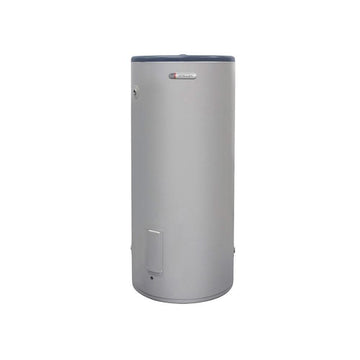
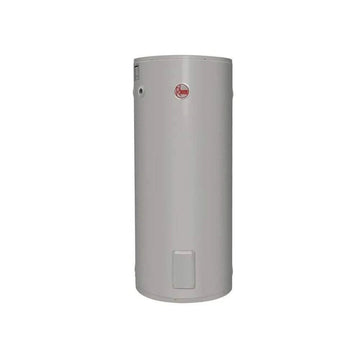
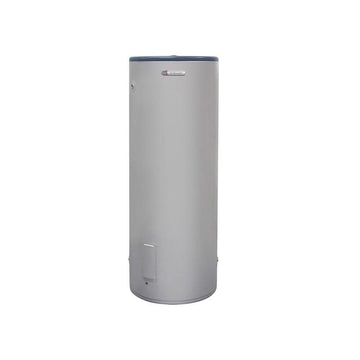
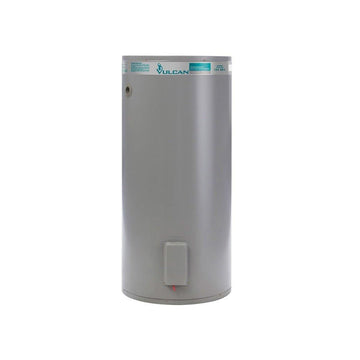
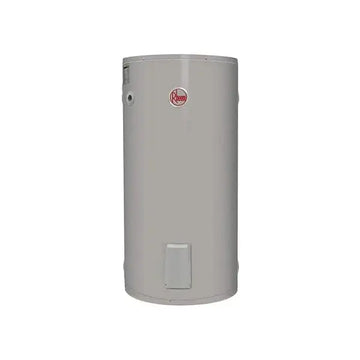
A standard electric storage hot water system works by heating water inside an insulated tank using one or more electric heating elements. Once the water reaches the set temperature, the thermostat switches the element off. When hot water is used, cold water enters the tank and the system heats again when needed.
Electric hot water is not always the cheapest system to run, especially compared with some heat pump hot water systems, but it can still be a sensible choice where simplicity, reliability, lower installation complexity and like-for-like replacement matter.
JR Gas & Water can help compare electric hot water systems, heat pump hot water systems, solar hot water systems and instant gas hot water systems based on your home, not just the system type.
Quick answer
An electric hot water system heats and stores water in an insulated tank. Cold water enters the bottom of the tank, electric elements heat the water, and hot water rises to the top ready to supply taps, showers and appliances.
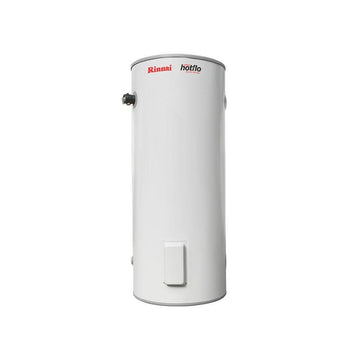
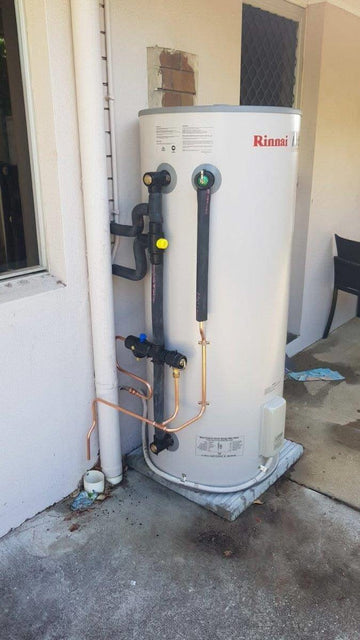
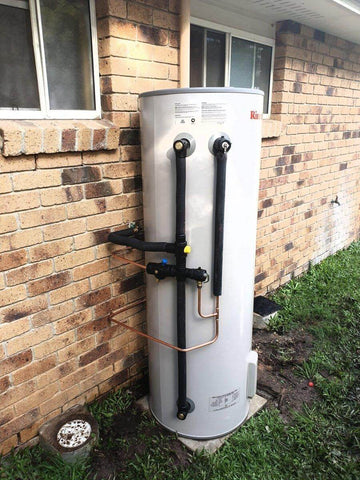
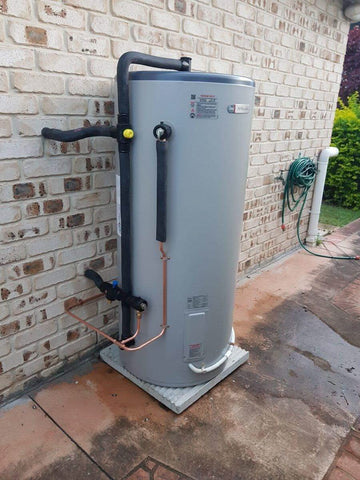
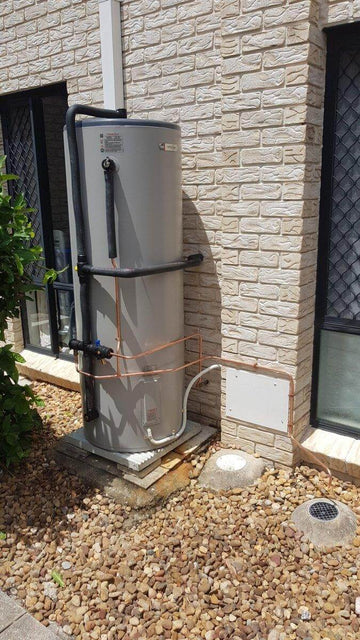
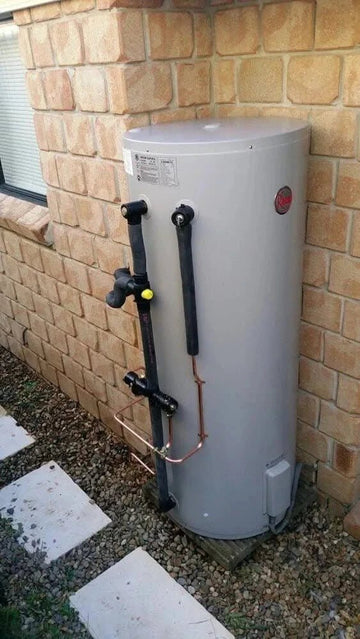
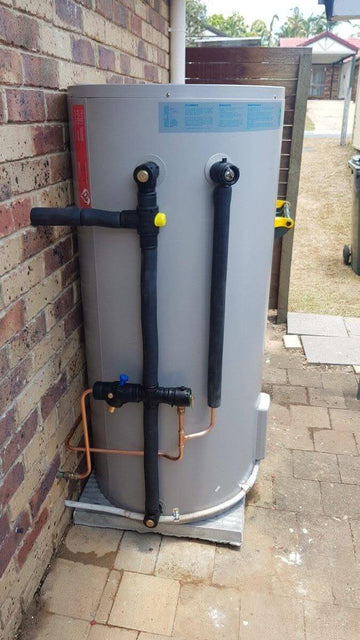
The main parts include the storage tank, heating element, thermostat, cold water inlet, hot water outlet, sacrificial anode on many steel tanks, valves, insulation and electrical connection. Electric storage systems are simple and dependable, but the right size, tariff setup and maintenance all affect performance and running cost.
What is an electric hot water system?
An electric hot water system uses electricity to heat water for household use. The most common type is an electric storage system, which stores hot water in a tank until it is needed.
Electric hot water systems are commonly used for:
-
Houses
-
Units and apartments
-
Townhouses
-
Granny flats
-
Investment properties
-
Small businesses
-
Homes without gas
-
Like-for-like replacements
-
Off-peak or controlled-load setups
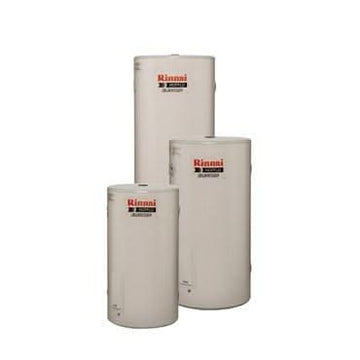
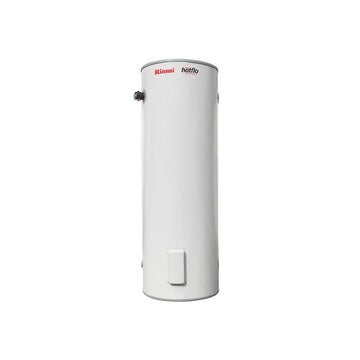
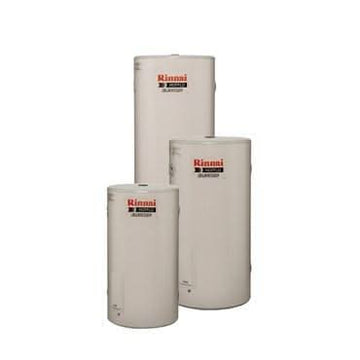
They are available in a wide range of sizes, from compact under-bench or small storage units through to larger family-sized tanks.
The main parts of an electric hot water system
1. Storage tank
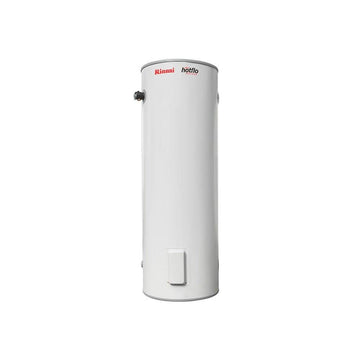
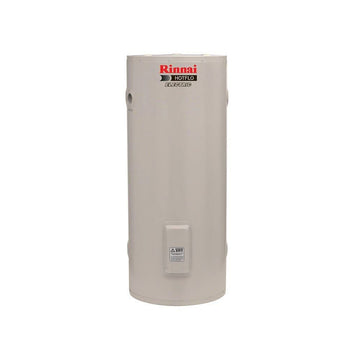
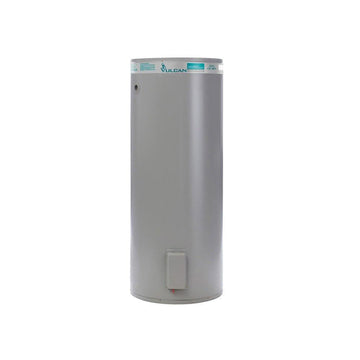
The storage tank holds the hot water until it is needed. Tanks are commonly made from vitreous enamel-lined steel or stainless steel, depending on the model.
The tank is insulated to help reduce heat loss. Better insulation helps keep water hot for longer and reduces how often the element needs to reheat the tank.
Common residential sizes include:
| Tank size | Common use |
|---|---|
| 25L–50L | Small point-of-use applications |
| 80L–125L | Small homes, units or low-use households |
| 160L | Small to medium households |
| 250L | Medium family homes |
| 315L | Larger households |
| 400L+ | High-demand homes or larger families |
The right size depends on household usage, not just the number of people living in the home.
2. Heating element
The heating element is the part that heats the water. It works in a similar way to an electric kettle element, but on a larger scale.
When the thermostat calls for heat, electricity passes through the element and heats the water inside the tank.
Some systems have one element. Larger systems may have two elements, commonly called twin element systems.
3. Thermostat
The thermostat controls the water temperature inside the tank. When the water temperature drops below the set level, the thermostat switches the element on. Once the water reaches the set temperature, it switches the element off.
For safety and hygiene, stored hot water is generally kept at a high enough temperature to control bacteria risk, while a tempering valve may be used to reduce the water temperature delivered to bathrooms.
Do not adjust internal thermostats, remove covers or touch electrical components yourself. Electrical work should be completed by a licensed electrician.
4. Cold water inlet
The cold water inlet allows fresh cold water to enter the tank. As hot water is used from the top of the tank, cold water enters to replace it.
In many systems, cold water is directed toward the lower part of the tank so the hottest water remains near the top where it is drawn off for use.
5. Hot water outlet
The hot water outlet is usually located near the top of the tank. Because hot water rises, the outlet draws from the hottest part of the tank and sends hot water to taps, showers, baths, kitchens and laundries.
6. Sacrificial anode
Many vitreous enamel-lined electric storage tanks include a sacrificial anode. The anode helps protect the tank from corrosion by corroding before the tank does.
Over time, the anode can wear down and may need inspection or replacement as part of servicing. Stainless steel systems may not use the same sacrificial anode setup, depending on the model.
The anode is one reason regular servicing can matter for long-term tank life.
7. Temperature and pressure relief valve
The temperature and pressure relief valve is a safety valve designed to discharge water if pressure or temperature becomes too high.
Some discharge from this valve can be normal, but constant or excessive discharge may indicate a problem.
Do not block, cap or modify relief valves. If a valve is leaking heavily or constantly, book a licensed plumber.
8. Tempering valve
A tempering valve mixes hot water with cold water to deliver safer temperatures to bathrooms and personal hygiene fixtures.
This is important because water stored hot enough for hygiene can be too hot for safe direct use in showers or baths.
A faulty tempering valve can cause water to be too hot, too cold or inconsistent.
9. Drain and discharge pipework
Electric hot water systems include pipework for safe discharge and servicing. This may include relief valve drains and other connections depending on the setup.
Discharge pipework should be installed correctly and directed to a suitable location.
10. Electrical connection
Electric hot water systems need a suitable electrical connection. Some systems run on standard tariffs, while others are connected to off-peak or controlled-load electricity.
The electrical setup can affect running costs and recovery time. If a system is connected to off-peak power, it may heat mostly during specific times, which can affect how much hot water is available during heavy use.
How an electric hot water system works step by step
Step 1: Cold water enters the tank
Cold water enters through the inlet and fills the storage tank. The system stays full under normal operation.
Step 2: The thermostat senses the water temperature
The thermostat monitors the water temperature inside the tank. If the water is below the set temperature, the thermostat calls for heat.
Step 3: The heating element turns on
Electricity powers the heating element. The element heats the water around it, and the hot water rises naturally through the tank.
Step 4: Hot water is stored until needed
The insulated tank keeps the water hot until someone turns on a tap, shower or appliance.
Step 5: Hot water leaves from the top
When hot water is used, it leaves through the hot water outlet near the top of the tank.
Step 6: Cold water replaces used hot water
As hot water leaves, cold water enters the tank. The thermostat will call for heat again when the tank temperature drops.
Step 7: Safety valves manage pressure and temperature
The safety valves help protect the system from excess pressure or temperature. If something is wrong, valves may discharge more than normal and should be checked.
Single element vs twin element electric hot water systems
Electric hot water systems may be single element or twin element.
| System type | How it works | Best suited to |
|---|---|---|
| Single element | Uses one heating element to heat the tank | Many standard homes, especially off-peak setups |
| Twin element | Uses two elements, usually one lower and one upper | Homes needing faster recovery or specific tariff setups |
A twin element system may help provide faster recovery in some situations, but it must be matched to the electrical setup and household demand.
Off-peak and controlled-load electric hot water
Many electric storage systems are connected to off-peak or controlled-load tariffs. This means the system heats during set times when electricity may be cheaper, depending on the energy plan and distributor setup.
This can reduce running costs, but it also means the tank must be sized correctly. If the household uses more hot water than the tank can store before the next heating period, it may run out.
Off-peak electric hot water works best when:
-
The tank is correctly sized
-
Household usage is predictable
-
The system is not too small
-
The element and tariff setup suit the home
-
The home does not regularly exceed stored hot water capacity
If you regularly run out of hot water, the issue may be sizing, usage, tariff timing, element performance or the age of the system.
Why electric hot water is popular
Electric storage hot water remains popular because it is simple and familiar.
Advantages include
-
Straightforward operation
-
Wide range of tank sizes
-
No gas supply required
-
No combustion or flueing
-
Familiar replacement option
-
Can suit off-peak electricity
-
Often simpler than changing system type
-
Suitable for many homes, units and townhouses
For many homeowners, electric storage is the easiest like-for-like replacement when an old electric tank fails.
Limitations of electric hot water
Electric storage is not perfect for every home.
Limitations include
-
Can use more electricity than a suitable heat pump
-
Stores a limited amount of hot water
-
Can run out if undersized
-
May have higher running costs depending on tariff
-
Larger tanks need space
-
Recovery time depends on element and tariff setup
-
Older tanks can lose efficiency or leak
-
Sacrificial anodes may need servicing on some models
If running cost is the main concern, a heat pump hot water system may be worth comparing.
Electric storage vs heat pump hot water
Electric storage and heat pumps both use electricity, but they work differently.
| Feature | Electric storage | Heat pump hot water |
|---|---|---|
| How it heats | Electric element heats water directly | Uses heat from surrounding air |
| Upfront cost | Usually lower | Usually higher |
| Running cost potential | Often higher | Often lower when suitable |
| Noise | Generally quiet | Fan and compressor noise |
| Installation | Usually simpler | Needs airflow, drainage and location planning |
| Best suited to | Simple replacement | Efficient electric upgrade |
A heat pump can be a stronger option for homes with solar PV, suitable outdoor space and a long-term focus on energy efficiency. Electric storage can still be better where simplicity, upfront cost and easy replacement matter most.
Electric storage vs instant gas hot water
Electric storage and instant gas hot water also work very differently.
| Feature | Electric storage | Instant gas hot water |
|---|---|---|
| Energy source | Electricity | Natural gas or LPG |
| Hot water style | Stored tank | Continuous flow on demand |
| Space required | Tank space | Wall-mounted unit |
| Best suited to | Homes without gas or simple replacement | Homes with suitable gas supply |
| Key consideration | Tank size and tariff | Gas pipe sizing and gas supply |
If your home already has suitable gas and you want a compact on-demand system, instant gas hot water systems may be worth comparing.
Electric storage vs solar hot water
Solar hot water and electric storage can both use electricity for boosting, but solar systems rely on roof collectors for much of the heating.
| Feature | Electric storage | Solar hot water |
|---|---|---|
| Main heat source | Electric element | Solar collectors plus booster |
| Roof panels | Not required | Required |
| Upfront cost | Usually lower | Usually higher |
| Best suited to | Simple replacement | Homes with good roof space and sun exposure |
| Key consideration | Tariff and tank size | Roof orientation, shading and boosting |
If the roof is shaded, full of solar PV panels, or hard to access, electric storage or heat pump hot water may be more practical than solar hot water systems.
Common electric hot water problems
No hot water
Possible causes include:
-
Tripped circuit
-
Failed element
-
Faulty thermostat
-
Off-peak supply issue
-
Wiring problem
-
Old or failed system
Homeowners can check whether the switchboard has tripped, but electrical testing and repairs should be done by a licensed electrician.
Not enough hot water
Possible causes include:
-
Tank too small
-
Heavy household use
-
Element issue
-
Off-peak timing issue
-
Faulty thermostat
-
Tempering valve problem
-
Sediment or ageing tank
If the household has grown or shower habits have changed, the system may simply be undersized.
Water too hot
Possible causes include:
-
Thermostat fault
-
Tempering valve issue
-
Incorrect setup
-
Sensor or control issue
Do not keep using fixtures that are producing unsafe hot water. Book a licensed plumber or electrician as appropriate.
Water not hot enough
Possible causes include:
-
Thermostat issue
-
Element fault
-
Tempering valve fault
-
Heavy usage
-
Off-peak heating window issue
-
Tank too small
If the issue is only in bathrooms, the tempering valve may need checking. If it affects the whole home, the tank or electrical components may be involved.
Leaking hot water system
Possible causes include:
-
Relief valve discharge
-
Failed valve
-
Pipework leak
-
Corroded tank
-
Loose fitting
-
Tank failure
If the tank itself is leaking, replacement is usually the practical option. If a valve or fitting is leaking, repair may be possible.
Rusty or discoloured hot water
Possible causes include:
-
Tank corrosion
-
Ageing pipework
-
Anode wear
-
Sediment in the tank
-
Water quality issues
Rusty hot water should be checked before the system fails.
Banging or rumbling noises
Possible causes include:
-
Sediment
-
Expansion noise
-
Valve issues
-
High water pressure
-
Ageing tank
Unusual noise should be investigated, especially if the system is older.
Maintenance tips for electric hot water systems
Electric hot water systems should be checked and serviced according to the system type, age, water quality and manufacturer guidance.
Useful maintenance includes:
-
Checking for leaks
-
Checking valves
-
Monitoring hot water temperature
-
Inspecting for rust or corrosion
-
Checking discharge from relief valves
-
Inspecting the sacrificial anode where applicable
-
Checking water pressure
-
Watching for reduced hot water supply
-
Booking a licensed plumber if anything changes
Do not remove electrical covers, touch wiring, replace elements, adjust thermostats or modify safety valves yourself.
What homeowners can safely check
Homeowners can safely check:
-
Whether there is water around the tank
-
Whether the system is making unusual noises
-
Whether hot water has changed in colour
-
Whether hot water runs out faster than usual
-
Whether the switchboard has tripped
-
Whether the issue affects every tap or only one tap
-
Whether valves are visibly leaking
-
Whether the tank looks rusty or swollen
-
Whether the system is very old
Avoid opening the unit, working on electrical parts, replacing valves or draining the tank unless you are licensed and qualified.
When to replace an electric hot water system
Replacement may be worth considering if:
-
The tank is leaking
-
The system is old
-
Hot water runs out regularly
-
Repairs are becoming frequent
-
The tank is badly corroded
-
The system is too small for the household
-
Energy bills are high
-
You are renovating
-
You want to upgrade to heat pump or solar
-
The system no longer suits your tariff setup
A working electric system may not need urgent replacement, but once the tank leaks, replacement is usually the realistic solution.
Brisbane and Gold Coast installation considerations
Electric hot water systems are common across Brisbane, the Gold Coast and South East Queensland, but the right setup depends on the home.
Common local considerations include:
-
Older homes with ageing pipework
-
Units and townhouses with tight access
-
Systems installed in cupboards or laundries
-
Outdoor tanks exposed to weather
-
Coastal corrosion exposure on the Gold Coast
-
High water pressure affecting valves
-
Off-peak or controlled-load electricity
-
Homes with solar PV
-
Drainage and safe discharge points
-
Whether a heat pump upgrade is practical
-
Whether the existing tank size still suits the household
For many homes, replacing like-for-like is simple. For others, upgrading to a larger tank or changing to a heat pump may be a better long-term decision.
What to check before ordering a replacement
Before choosing a new electric hot water system, check:
-
Current tank size
-
Current brand and model
-
Indoor or outdoor location
-
Number of people in the home
-
Number of bathrooms
-
Whether hot water currently runs out
-
Whether the system is single or twin element
-
Whether the home uses off-peak or controlled-load power
-
Available space for replacement
-
Whether a heat pump might suit the home
-
Whether the tank is leaking or repairable
Photos of the current system, model plate, surrounding pipework and switchboard area can help JR Gas & Water recommend a suitable replacement.
What JR Gas & Water can help with
JR Gas & Water can help with:
-
Electric hot water system replacement
-
Electric storage sizing advice
-
Hot water repairs and servicing
-
Like-for-like electric hot water replacement
-
Comparing electric storage and heat pumps
-
Comparing electric, gas and solar hot water
-
Replacement recommendations from photos
-
Brisbane, Gold Coast and nearby SEQ hot water support
Related JR Gas & Water services
FAQs
How does an electric hot water system work?
An electric hot water system heats water inside an insulated tank using one or more electric elements. A thermostat controls the element, and hot water is stored until it is needed.
What temperature should an electric hot water system be set to?
Stored hot water generally needs to be hot enough to control bacteria risk, while water delivered to bathrooms may need to be tempered to a safer outlet temperature. Do not adjust internal thermostats yourself. A licensed plumber or electrician can check the setup.
Why does my electric hot water system run out of hot water?
The system may be too small, the household may be using more hot water than before, an element may have failed, the thermostat may be faulty, or the off-peak heating window may not be keeping up.
Is electric hot water expensive to run?
Electric storage can cost more to run than a suitable heat pump, depending on tariff, tank size and household usage. Off-peak or controlled-load tariffs may help, but the system still needs to be correctly sized.
How long does an electric hot water system last?
Lifespan depends on water quality, tank type, installation, maintenance and usage. If the tank is leaking, badly corroded or frequently failing, replacement is usually the better option.
What size electric hot water system do I need?
The right size depends on household size, bathrooms, shower habits, tariff setup and whether the home uses a lot of hot water at once. Many family homes compare 250L and 315L systems, while smaller households may suit 125L or 160L.
Should I replace electric storage with a heat pump?
A heat pump may be worth comparing if you want a more efficient electric hot water option and have a suitable outdoor location with airflow and drainage. Electric storage may still be better if you want a simpler, lower-upfront-cost replacement.
Can I repair an electric hot water system myself?
No. Homeowners can do basic visual checks, but electrical parts, valves, elements, thermostats and tank repairs should be handled by licensed trades.
Need help with electric hot water?
If your electric hot water system is leaking, running cold, undersized or due for replacement, JR Gas & Water can help compare suitable options for your home.
Browse electric hot water systems, compare heat pump hot water systems, or book hot water repairs and servicing if you are not sure whether repair or replacement is best.