Should You Replace Your Hot Water System with a Tankless Hot Water System?
Tankless hot water systems, also called instantaneous or continuous flow hot water systems, can be a smart upgrade for the right home. They heat water as it is needed instead of storing hot water in a tank, which means they can save space and avoid running out of stored hot water.
However, tankless hot water is not automatically the best choice for every property. The right decision depends on your current system, whether you have natural gas or LPG, your electrical supply, household size, number of bathrooms, hot water usage and installation costs.
For Brisbane, Gold Coast and South East Queensland homes, the most common tankless upgrade is usually a gas continuous flow hot water system. Electric tankless systems can work in some situations, but whole-home electric models often need significant electrical capacity and may not suit every property.
JR Gas & Water can help compare instant gas hot water systems, electric hot water systems, heat pump hot water systems and solar hot water systems based on your home, not just the product type.
Quick answer
You should consider replacing your hot water system with a tankless system if your home has a suitable gas supply, you want to save space, and your household needs reliable hot water without storing it in a tank. Gas tankless systems are often a practical replacement for older gas storage systems or suitable gas-connected homes.
You may not be a good fit for tankless hot water if your home has no gas connection, your electrical supply is limited, you rely on off-peak electric storage, or your household regularly uses several showers and fixtures at the same time. In those cases, a heat pump hot water system, electric storage hot water system or solar hot water system may be a better option.
What is a tankless hot water system?
A tankless hot water system heats water only when a tap, shower or appliance calls for hot water. Instead of storing a full tank of heated water, the unit activates when water flows through it.
Tankless systems are commonly called:
-
Instantaneous hot water systems
-
Continuous flow hot water systems
-
Instant gas hot water systems
-
Tankless water heaters
In Australia, the most common whole-home tankless systems are gas continuous flow units. These can run on natural gas or LPG, depending on the model and installation.
Electric tankless hot water systems
Electric tankless water heaters use electric elements to heat water as it passes through the unit. They can be compact and useful in some small point-of-use situations, such as an under-sink unit where a fixture is a long way from the main hot water system.
However, whole-home electric tankless systems can have very high power demand compared with standard electric storage systems.
Best suited to
-
Small point-of-use applications
-
Under-sink hot water in selected situations
-
Properties where only a small hot water load is needed
-
Homes where the electrical supply has been properly assessed
Advantages
-
Compact size
-
No gas supply required
-
Can reduce waiting time at distant fixtures in some setups
-
Useful for selected small-load applications
Limitations
-
Whole-home models can require major electrical capacity
-
Electrical upgrades may be needed
-
May not suit homes relying on off-peak electric tariffs
-
May not be the best match for solar PV timing
-
Can be costly to run if poorly matched to the home
-
Not always practical for multiple bathrooms or high-flow demand
Electrical work should always be completed by a licensed electrician. Do not alter wiring, circuits or electrical components yourself.
Gas tankless hot water systems
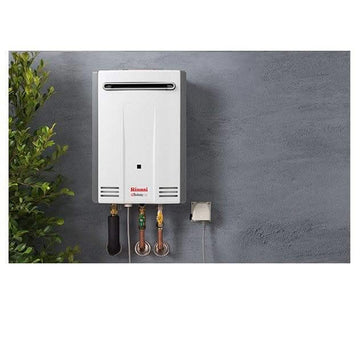
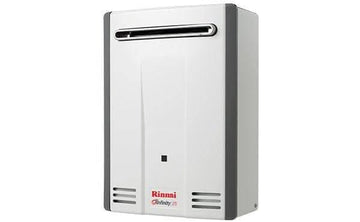
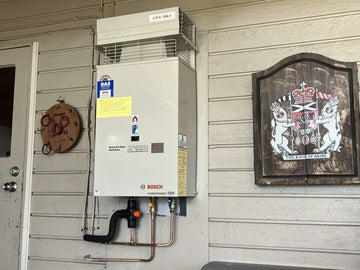
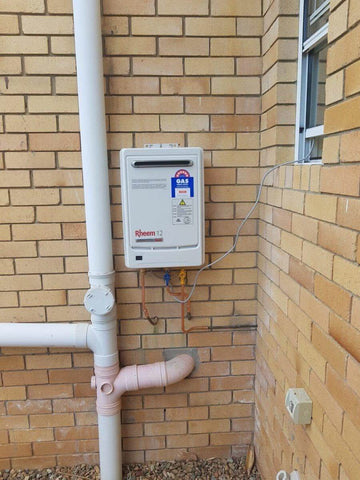
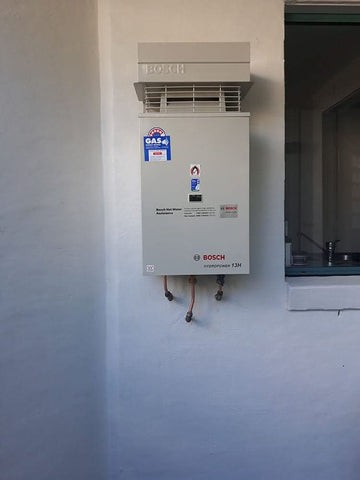
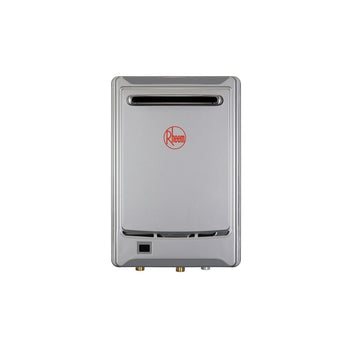
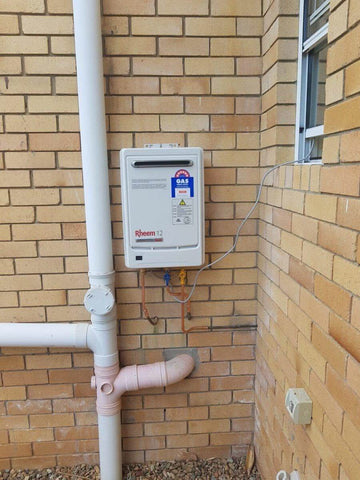
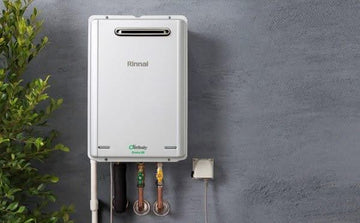
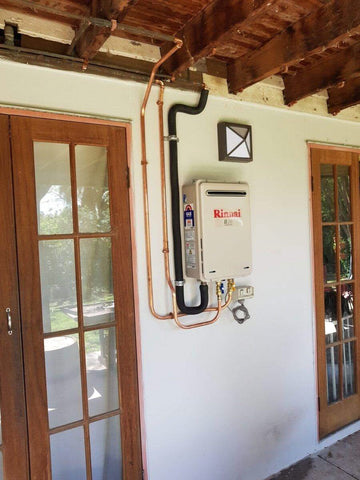
Gas tankless systems use natural gas or LPG to heat water as it flows through the unit. For many homes, this is the more practical tankless option, especially where gas is already available.
Modern instant gas hot water systems are commonly used across Brisbane, Gold Coast and South East Queensland for homes replacing older gas storage systems or upgrading from inefficient hot water setups.
Best suited to
-
Homes with natural gas available
-
LPG homes with correctly sized gas supply
-
Replacing older gas storage systems
-
Homes wanting a wall-mounted hot water unit
-
Households that want continuous hot water within the unit’s capacity
-
Properties where space around the existing tank is limited
Advantages
-
Compact wall-mounted design
-
No stored tank of hot water
-
Continuous hot water while gas and water supply are available
-
Good option for many gas-connected homes
-
Can suit outdoor installations
-
Temperature controller options may be available on selected models
Limitations
-
Requires suitable natural gas or LPG supply
-
LPG setups must be correctly sized
-
Gas pipe sizing and regulator capacity matter
-
Some units require power for ignition and controls
-
May not suit heavy simultaneous hot water demand unless sized correctly
-
Installation can cost more if gas upgrades are needed
Gas work should always be completed by a licensed gas fitter.
Tankless vs storage hot water systems
| System type | Best suited to | Things to consider |
|---|---|---|
| Gas tankless hot water | Gas-connected homes wanting compact continuous hot water | Gas supply, pipe sizing and flow rate must suit the appliance |
| Electric tankless hot water | Small point-of-use use or selected specialist applications | Whole-home use may need major electrical capacity |
| Electric storage hot water | Simple like-for-like replacements and lower upfront complexity | Stores hot water and may have higher running costs depending on tariff |
| Gas storage hot water | Homes already set up for gas storage | Uses a tank and may take up more space |
| Heat pump hot water | Homes wanting efficient electric hot water without gas | Needs suitable outdoor location, airflow and drainage |
| Solar hot water | Homes with suitable roof space and sun exposure | Roof orientation, shading and boosting need to be checked |
When replacing with tankless makes sense
A tankless hot water system may be a good option if:
-
You already have natural gas connected
-
Your existing gas storage system is old or failing
-
You want to free up space where a storage tank currently sits
-
Your household does not regularly run several showers at the same time
-
You want continuous hot water within the unit’s rated capacity
-
Your gas pipework and meter can support the selected system
-
You want a practical wall-mounted hot water replacement
For many homeowners, the easiest tankless upgrade is replacing an older gas storage system with a correctly sized gas continuous flow unit.
When tankless may not be the best choice
Tankless hot water may not be ideal if:
-
Your home has no natural gas and LPG is not practical
-
A whole-home electric tankless unit would need costly electrical upgrades
-
You use off-peak electric storage and want to keep that tariff benefit
-
Your household has very high simultaneous hot water demand
-
You need strong hot water flow to several bathrooms at once
-
Gas bottle sizing, regulator capacity or pipework is unsuitable
-
Your current system is still working well and not near replacement age
In these situations, it may be better to compare large family heat pumps, standard electric storage, gas storage or solar hot water.
How your existing system affects the decision
If you have electric storage and no gas
Replacing electric storage with a whole-home electric tankless system is not always practical. Electric tankless units can require high electrical capacity, and some homes may need switchboard, wiring or circuit upgrades.
A better comparison is often between:
If you already have solar PV, a heat pump may be worth considering because it can often be scheduled to operate during the day, depending on the model, setup and household usage.
If you have gas storage and natural gas
This is often one of the strongest cases for tankless hot water. If the gas supply is suitable, replacing a gas storage tank with an instant gas hot water system can reduce the space needed and remove the need to keep a tank of water hot.
The gas meter, pipe sizing, appliance location and flueing or ventilation requirements still need to be checked.
If you have LPG hot water
Tankless LPG hot water can work well, but the LPG supply must be designed properly. A small gas bottle is not suitable for a household continuous flow hot water system.
The gas fitter needs to consider:
-
Bottle size
-
Regulator setup
-
Pipe sizing
-
Total appliance MJ/h load
-
Whether cooking, heating and hot water may run together
-
Bottle location and compliance clearances
If your fixtures are a long way from the hot water system
Tankless does not automatically mean hot water reaches the tap instantly. If the unit is installed far from the bathroom or kitchen, there can still be a delay while hot water travels through the pipework.
In some homes, options may include:
-
Relocating the hot water system where practical
-
Improving pipe layout during renovation
-
Considering a point-of-use solution
-
Reviewing whether a recirculation setup is suitable
A recirculation system can reduce waiting time in some homes, but it needs to be designed carefully so it does not create unnecessary energy use.
Sizing matters with tankless hot water
A tankless system needs to be matched to the home’s flow demand. The key question is not only “how many people live here?” but also “how many fixtures may run at the same time?”
A larger household may need to consider:
-
Number of bathrooms
-
Number of showers used at once
-
Shower flow rates
-
Kitchen and laundry use
-
Incoming water temperature
-
Desired outlet temperature
-
Gas supply capacity
-
Whether temperature controllers are needed
For example, a small household with one bathroom may suit a different system from a family home with two bathrooms and teenagers showering back-to-back.
Brisbane and Gold Coast installation considerations
Tankless hot water systems can suit many South East Queensland homes, but local installation conditions can affect the best option.
Common considerations include:
-
Older Brisbane homes with existing gas pipework
-
Townhouses with limited external wall space
-
Body corporate requirements
-
Long pipe runs to upstairs bathrooms
-
Coastal corrosion exposure on the Gold Coast
-
LPG properties in acreage and semi-rural areas
-
Outdoor unit placement near bedrooms or boundaries
-
Access for future servicing
-
Whether the existing system is internal or external
-
Electrical access for ignition and controls
For external gas continuous flow units, placement matters. The unit must be installed in a compliant location with correct clearances, ventilation and access.
Cost factors when switching to tankless
The cost of replacing your hot water system with a tankless unit depends on the home and the existing setup.
Common cost factors include:
-
Brand and model selected
-
Flow rate and capacity
-
Natural gas or LPG setup
-
Gas pipe sizing
-
Meter or regulator requirements
-
Electrical point requirements
-
Removal of the old system
-
Wall mounting and access
-
Pipework alterations
-
Temperature controllers
-
Internal vs external installation requirements
-
Compliance upgrades
-
Site access across Brisbane, Gold Coast or nearby SEQ areas
Avoid choosing a tankless system on unit price alone. A cheap unit can become expensive if the home needs significant gas, electrical or pipework changes.
Should you replace a working hot water system early?
If your current hot water system is working well and is not very old, replacement may not be urgent. Regular servicing and monitoring may be the better choice.
Replacement becomes more worth considering when:
-
The system is leaking
-
Hot water runs out frequently
-
Repairs are becoming expensive
-
The unit is near or past expected service life
-
The current system is poorly matched to the home
-
You are renovating and changing bathrooms or gas appliances
-
You want to move from storage to continuous flow
-
You are comparing long-term running costs and site suitability
JR Gas & Water can also help with hot water repairs and servicing if you are not ready to replace.
Brands to compare
Common tankless hot water brands in Australia include:
-
Rinnai
-
Rheem
-
Bosch
-
Dux
-
Thermann
-
Stiebel Eltron for selected electric applications
Brand matters, but installation quality matters just as much. A good unit can perform poorly if it is undersized, installed in the wrong location or connected to an unsuitable gas supply.
What to check before choosing tankless hot water
Before ordering a tankless system, check:
-
Current hot water system type
-
Current energy source
-
Whether the home has natural gas or LPG
-
Existing gas pipe size and meter capacity
-
Electrical access for the unit
-
Number of bathrooms
-
Shower flow rates
-
How often multiple fixtures run together
-
Existing system location
-
Wall space and clearances
-
Whether a storage, heat pump or solar system may be better
Photos of the current system, model plate, surrounding pipework and switchboard or gas meter location can help narrow down the best options.
What JR Gas & Water can help with
JR Gas & Water can help with:
-
Comparing tankless, storage, heat pump and solar options
-
Replacing gas storage hot water systems
-
Installing suitable instant gas hot water systems
-
Checking LPG and natural gas requirements
-
Assessing hot water demand for the household
-
Advising from photos and model details
-
Hot water repairs and servicing
-
Practical replacement recommendations across Brisbane, Gold Coast and nearby SEQ areas
Related JR Gas & Water services
FAQs
Is tankless hot water better than a storage tank?
Tankless hot water can be better for homes that have a suitable gas supply, limited space and moderate simultaneous hot water demand. Storage systems can still be a better fit where electric tariffs, high peak demand, installation simplicity or household usage patterns favour a tank.
Can a tankless hot water system run out of hot water?
A tankless system does not run out of stored hot water like a tank, but it can be overloaded. If too many fixtures run at once, the unit may not maintain the desired temperature or flow.
Is electric tankless hot water good for a whole house?
Whole-home electric tankless systems are not always practical because they can require high electrical capacity. They may suit some specialist applications, but many homes are better suited to heat pumps, electric storage, gas continuous flow or solar hot water.
Is gas tankless hot water expensive to install?
It depends on the existing setup. Replacing an existing gas hot water system with a similar gas continuous flow unit may be more straightforward than converting from electric to gas. Gas pipework, meter capacity, LPG setup, electrical access and unit location all affect cost.
Can I replace electric storage hot water with instant gas?
Yes, but only if the gas supply and installation location are suitable. The cost can increase if new gas pipework, regulator changes, electrical work or compliance upgrades are needed.
Does tankless hot water give instant hot water at the tap?
Not always. Tankless means the unit heats water on demand, but hot water still needs to travel through the pipework to the tap or shower. If the unit is far away, there can still be a waiting time.
What size tankless hot water system do I need for two bathrooms?
The right size depends on shower flow rates, incoming water temperature, gas supply and whether both bathrooms are used at the same time. A licensed installer should match the system to the household’s actual demand.
Should I choose natural gas, LPG or electric tankless hot water?
Natural gas tankless is often practical where natural gas is already connected. LPG can work if the bottle and regulator setup is correctly sized. Electric tankless may suit small point-of-use needs, but whole-home use needs careful electrical assessment.
Need help choosing the right hot water system?
If your current hot water system is leaking, unreliable, undersized or due for replacement, JR Gas & Water can help compare suitable options for your home.
Compare instant gas hot water systems, explore heat pump hot water systems, or send photos and model details through for a practical recommendation.


Plumbing & Gas Fitting Across South East Queensland
Looking for a local plumber? JR Gas & Water provides plumbing and gas fitting services throughout Greater Brisbane, Logan, Ipswich, Moreton Bay, Redlands and the Gold Coast.
View all plumbing & gas fitting service areas