Hard Water Solutions: When a Water Softener Makes Sense for Your Home
Hard water can be frustrating. It can leave white scale on taps and shower screens, make soap harder to lather, leave spots on glassware and contribute to buildup around fixtures, appliances and hot water equipment.
For Brisbane, Gold Coast and South East Queensland homes, the right solution depends on your actual water source and what you are trying to fix. Some homes may benefit from a water softener. Others may be better suited to sediment filtration, carbon filtration, reverse osmosis drinking water, or a complete water filtration setup.
JR Gas & Water can help compare suitable water filters, whole-home filtration options and plumbing requirements for homes dealing with scale, taste, odour, sediment or water quality concerns.
Quick Answer
A water softener is designed to reduce hardness minerals such as calcium and magnesium. These minerals can contribute to limescale, water spots, poor soap lathering and buildup around fixtures and appliances.
If your main issue is scale, spotting, soap performance or appliance protection, a water softener may be worth considering. If your main issue is drinking water taste, chlorine odour or contaminants, a filtration system may be more suitable. Many homes benefit from combining a whole-home water treatment system with a dedicated drinking water filter.
JR Gas & Water can help assess the goal first, then recommend a suitable system through its water filter range or quote request page.
What Is Hard Water?
Hard water contains higher levels of dissolved minerals, mainly calcium and magnesium.
These minerals are not always obvious when you pour a glass of water, but they can show up around the home through buildup, staining and cleaning issues.
Common signs of hard water can include:
White scale around taps and showerheads
Spots on shower glass and dishes
Soap or shampoo not lathering well
Dry-feeling skin or hair after showering
Scale inside kettles or coffee machines
Buildup around hot water outlets
Laundry feeling dull or stiff
Appliances working harder due to mineral buildup
Frequent cleaning needed around wet areas
Hard water is not the only cause of these issues, so it is worth checking whether the problem is hardness, sediment, chlorine, old pipework, water pressure or another plumbing condition.
What Is Softened Water?
Softened water is water that has been treated to reduce hardness minerals.
A traditional water softener usually works through ion exchange. As water passes through resin media inside the softener, calcium and magnesium are exchanged for sodium or potassium ions, depending on the system.
The result is water that is less likely to leave scale and generally performs better for washing, cleaning and appliance protection.
Softened water may help with:
Reducing limescale buildup
Improving soap and shampoo lather
Reducing water spotting
Helping protect fixtures and appliances from scale
Making cleaning easier in wet areas
Improving laundry performance
Reducing scale around hot water systems and fixtures
How Water Softeners Work
A water softener is usually installed on a water line so the treated water can be supplied to part or all of the home, depending on the design.
The basic process is:
Hard water enters the softener
Water passes through resin media
Calcium and magnesium are captured by the resin
Softened water flows to the home
The system regenerates using salt or potassium, depending on the softener type
Because softeners need regeneration, they also need ongoing maintenance. This may include salt top-ups, system checks and periodic servicing.
Water Softener vs Water Filter: What Is the Difference?
Water softeners and water filters are not the same thing.
A water softener targets hardness minerals. A water filter targets particles, taste, odour, sediment, chlorine or other contaminants depending on the filter type.
| System Type | Main Purpose | Best For |
|---|---|---|
| Water softener | Reducing calcium and magnesium hardness | Scale, spotting, soap performance |
| Carbon filter | Improving taste and reducing chlorine odour | Drinking water taste |
| Sediment filter | Capturing dirt, rust and particles | Grit, sand, visible particles |
| Reverse osmosis | High-level drinking water filtration | Dedicated drinking water |
| UV system | Microbial treatment for suitable water sources | Tank or rainwater applications |
| Whole-home filtration | Filtering water before it reaches fixtures | Broader home water quality goals |
If your main concern is scale, a softener may be the right tool. If your main concern is drinking water taste, a water filter may be the better starting point.
Benefits of Softened Water
A correctly selected water softener can improve everyday water use around the home.
Less Scale Around Fixtures
Hard water can leave mineral deposits around taps, showerheads, screens and sinks. Softened water may reduce this buildup, making bathrooms and kitchens easier to clean.
Better Soap and Shampoo Performance
Hardness minerals can stop soaps and shampoos from lathering properly. Softened water can help products foam more easily, which may reduce the amount needed for washing.
Reduced Water Spots
Softened water may reduce spotting on glassware, shower screens, tiles and fixtures. This is especially useful in homes where water marks appear quickly after cleaning.
Appliance and Fixture Protection
Scale can build up in kettles, coffee machines, dishwashers, washing machines, taps, valves and hot water systems. Softened water may help reduce scale-related strain, depending on the appliance and setup.
If scale is affecting your hot water system, JR Gas & Water can also help with hot water repairs and servicing.
Easier Cleaning
Homes with hard water often need more frequent cleaning around wet areas. Softened water can make it easier to maintain sinks, showers, glass and tapware.
Is Softened Water Safe to Drink?
Softened water is generally considered suitable for many household uses, but it may not be the preferred drinking water option for every person.
Traditional ion exchange softeners can increase sodium levels slightly in the treated water. This may matter for people on sodium-restricted diets, infants, or households with specific health advice.
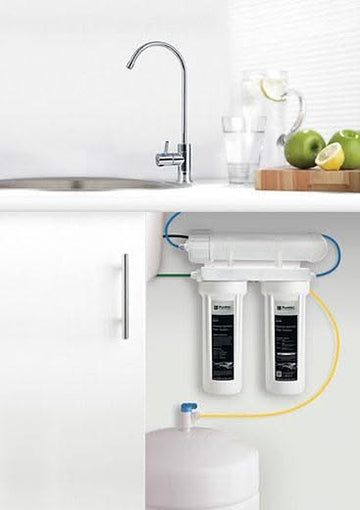
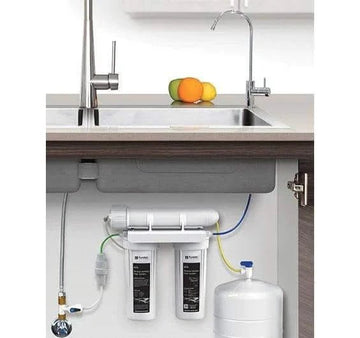
For drinking water, many customers prefer a separate filtered drinking water tap. A reverse osmosis system or suitable under-sink drinking water filter may be paired with a softener if the home wants both scale management and high-quality drinking water.
JR Gas & Water can help compare water filters for drinking water, under-sink filtration and whole-home water treatment.
Do Brisbane and Gold Coast Homes Need Water Softeners?
Not every Brisbane or Gold Coast home needs a water softener.
The right decision depends on your water source, hardness level, plumbing setup and symptoms around the home. Many town water homes may be more concerned with taste, chlorine odour or sediment than hardness. Some homes, especially those with specific water sources or visible scale issues, may benefit from softening.
A water softener may be worth considering if you notice:
Persistent scale on taps and showerheads
Hard water spots on glass and dishes
Soap not lathering well
Repeated buildup in kettles or appliances
Scale around hot water fixtures
Fixture wear that seems linked to mineral deposits
Water test results showing higher hardness
If you are unsure, start by identifying the issue before buying a system. A one-size-fits-all softener may not be the best answer.
Whole-Home Softening vs Drinking Water Filtration
A whole-home softener and a drinking water filter do different jobs.
A whole-home softener is usually chosen for scale and cleaning benefits across the property. A drinking water filter is chosen for taste, odour and drinking water quality at a dedicated tap.
Many customers choose a combined approach:
Water softener for scale reduction
Carbon filtration for taste and odour
Sediment filtration for particles
Reverse osmosis for premium drinking water
UV treatment for tank water where required
The best setup depends on the home’s water source and what the customer wants to improve.
Why Avoid One-Size-Fits-All Water Softener Advice?
Water treatment should be matched to the property.
A system that works well for one home may be the wrong choice for another if the water source, pressure, flow rate, household size or plumbing layout is different.
Poorly matched systems can cause:
Disappointing performance
Pressure issues
Unnecessary maintenance
Overspending on the wrong product
Incorrect filter or softener sizing
Systems that do not fit the available space
Drinking water concerns not being properly addressed
JR Gas & Water can help customers choose a water treatment setup based on the problem, not just the product label.
What to Check Before Buying a Water Softener
Before choosing a water softener, consider the following.
Your Water Source
Are you on mains water, tank water, bore water or a mixed supply?
Water source affects system choice. Tank and bore water may need testing and broader treatment, not just softening.
The Actual Problem
Are you trying to reduce scale, improve taste, remove sediment or treat drinking water?
A softener helps with hardness. It does not replace every type of filter.
Household Size
Larger households use more water, which affects softener sizing, regeneration frequency and maintenance.
Flow Rate
The softener needs to handle the home’s water demand without creating poor flow at showers, taps or appliances.
Installation Location
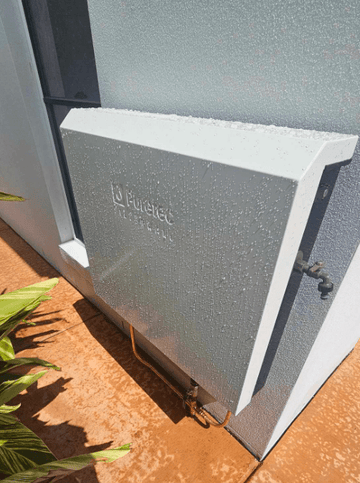
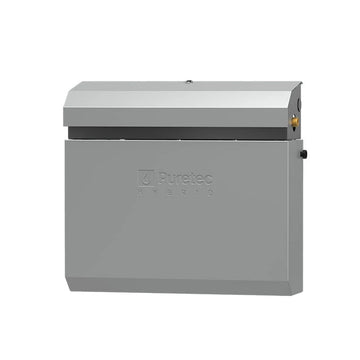
A softener needs suitable space, pipe access and maintenance access. Outdoor installation may require weather protection depending on the system.
Maintenance Requirements
Most softeners need salt or potassium top-ups and periodic checks. If maintenance is ignored, performance can drop.
Drinking Water Preference
If you do not want softened water at the drinking tap, a bypass or dedicated drinking water filter may be needed.
Installation Considerations
Water softeners and whole-home water systems should be installed properly to suit the plumbing layout and manufacturer requirements.
Installation considerations may include:
Main water line access
Available space
Bypass valves
Drainage for regeneration water
Water pressure
Pipe sizing
Weather protection
Power access if required
Maintenance clearance
Connection to filtered drinking water systems
Whether only part of the home should be softened
Professional installation helps reduce the risk of leaks, pressure problems, poor system performance or difficult maintenance access.
JR Gas & Water can help with plumbing support through its Brisbane plumber service and quote guidance through the quote request page.
Maintenance for Water Softeners
Water softeners need ongoing maintenance to work properly.
Common maintenance tasks may include:
Checking salt or potassium levels
Topping up the brine tank
Checking for bridging or clumping
Cleaning or servicing the system as required
Checking water hardness after installation
Inspecting for leaks
Checking bypass valve operation
Following manufacturer service intervals
Replacing filters if paired with filtration stages
Maintenance needs depend on the system type, water quality and household usage.
If a softener is paired with filtration, filters also need replacement on schedule.
Water Softener Alternatives
A traditional water softener is not always the only solution.
Depending on the issue, alternatives may include:
Whole-home sediment and carbon filtration
Scale reduction systems
Under-sink drinking water filters
Reverse osmosis drinking water systems
UV systems for tank water
Appliance-specific filtration
Filtered kitchen tap systems
For example, if the main issue is chlorine taste in drinking water, an under-sink carbon filter may make more sense than a softener. If the issue is high-level drinking water filtration, reverse osmosis may be the better option.
Local Brisbane, Gold Coast and SEQ Considerations
Water treatment needs across Brisbane, the Gold Coast and South East Queensland can vary by property type and water source.
Common local considerations include:
Homes on treated mains water wanting better taste
Older homes with ageing internal pipework
Gold Coast properties with corrosion concerns around fixtures
Acreage homes with tanks, pumps or bore water
Households using rainwater for part of the property
High water pressure affecting fixtures and valves
Renovated homes planning under-sink filtration
Families wanting better drinking water and less bottled water
Homes with scale around taps, screens or appliances
The right solution should be based on the property’s symptoms and water source, not just the suburb.
What JR Gas & Water Can Help With
JR Gas & Water can help customers compare water softening, filtration and plumbing options across Brisbane, the Gold Coast and nearby South East Queensland areas.
Relevant support includes:
Water filters for drinking water, under-sink and whole-home filtration options
Book a Brisbane plumber for plumbing support and installation advice
Service work pricing for common plumbing and service jobs
Request a quote if you need help choosing the right water treatment setup
Water pumps for tank, acreage and pump-fed water systems
Hot water repairs and servicing if scale or water quality is affecting hot water performance
FAQs About Softened Water and Hard Water
What is hard water?
Hard water is water with higher levels of dissolved minerals, mainly calcium and magnesium. These minerals can contribute to limescale, water spots, poor soap lathering and buildup around fixtures or appliances.
What does a water softener do?
A water softener reduces hardness minerals in water. Traditional systems use ion exchange to reduce calcium and magnesium, helping to reduce scale and improve cleaning performance.
Is softened water the same as filtered water?
No. Softened water has had hardness minerals reduced. Filtered water has passed through a filter designed to reduce particles, taste, odour or contaminants depending on the system. Many homes use both for different purposes.
Is softened water safe to drink?
Softened water is generally suitable for many household uses, but some people prefer a separate drinking water filter because softened water can contain slightly more sodium. If you have medical concerns or a low-sodium diet, follow health advice and consider a dedicated drinking water filter.
Do I need a water softener in Brisbane?
Not every Brisbane home needs a water softener. If your main issue is scale, water spots or poor soap lathering, it may be worth considering. If your main concern is drinking water taste, a water filter may be more suitable.
Can a water softener protect my hot water system?
A water softener may help reduce scale buildup where hardness is an issue, which can be beneficial for some fixtures and appliances. If your hot water system is already leaking, noisy or unreliable, it should be assessed separately through hot water servicing.
What is better: a water softener or reverse osmosis?
They solve different problems. A water softener targets hardness minerals across the home. Reverse osmosis is usually used for high-level drinking water filtration at one tap. Some homes may benefit from both.
Do water softeners need maintenance?
Yes. Most water softeners need salt or potassium top-ups, system checks and periodic servicing. If the system includes filters, those cartridges also need replacement on schedule.
Final Thoughts
Hard water can make everyday cleaning, showering and appliance care more frustrating. A water softener may help if your home has scale, spots, poor soap performance or mineral buildup around fixtures.
However, softened water is not the same as filtered drinking water. The best setup may be a softener, an under-sink filter, reverse osmosis, whole-home filtration or a combination of systems depending on your water source and goals.
Need help choosing a hard water or filtration solution?
JR Gas & Water can help compare suitable water filters, provide plumbing support through the Brisbane plumber service, or review photos and water source details through the quote request page.