What Information Do You Need to Choose the Best Gas Hot Water System?
Choosing the best gas hot water system is easier when you know the right information before you ask for a quote. The best option depends on your existing system, gas supply, household size, number of bathrooms, water usage, installation location and whether your home runs on natural gas or LPG.
For most domestic homes, gas hot water systems fall into two main categories: gas storage and gas continuous flow. Continuous flow systems are also commonly called instantaneous or instant gas hot water systems because they heat water only when a tap or shower is turned on.
JR Gas & Water can help compare instant gas hot water systems, gas storage hot water systems, heat pump hot water systems, solar hot water systems and electric hot water systems based on your home, not just the product.
Quick answer
To choose the best gas hot water system, you need to know your current system type, gas type, household size, number of bathrooms, peak hot water demand, appliance location, available gas supply, pipework requirements and whether the home uses natural gas or LPG.
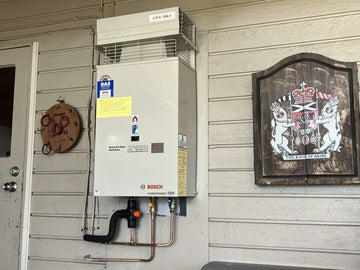
Photos of the existing hot water system, model plate, gas meter or LPG bottles, pipework and installation area can also help narrow down the right replacement. A licensed gas fitter can then check whether your home is suitable for gas storage, continuous flow gas hot water, or whether another option such as a heat pump or solar hot water system may be better.
The key information needed before choosing a gas hot water system
Before choosing a gas hot water system, gather the following details.
| Information needed | Why it matters |
|---|---|
| Current system type | Helps determine whether replacement is simple or needs upgrades |
| Current energy source | Natural gas, LPG or electric affects system options |
| Household size | More people usually means higher hot water demand |
| Number of bathrooms | Multiple bathrooms may need higher flow capacity |
| Simultaneous use | Two showers at once need more output than one shower |
| Existing location | Affects installation cost, clearances and access |
| Gas meter or LPG setup | Determines whether the gas supply can support the unit |
| Pipework size and distance | Undersized pipework can restrict performance |
| Indoor or outdoor installation | Different systems and compliance rules may apply |
| Budget and long-term running costs | The cheapest system upfront may not be the best long-term fit |
Gas storage vs continuous flow gas hot water
For domestic homes, the main gas hot water choices are usually gas storage and gas continuous flow.
Gas storage hot water systems
A gas storage hot water system heats and stores hot water in a tank. A gas burner heats the water, and the system maintains temperature until hot water is used.
Best suited to
-
Homes replacing an existing gas storage unit
-
Households wanting stored hot water ready to use
-
Properties where continuous flow gas supply upgrades may not be practical
-
Some homes where power reliability is a concern, depending on the model
-
Like-for-like replacements where the existing setup is suitable
Things to consider
Gas storage systems take up more space than wall-mounted continuous flow units. They also store hot water, which means there can be standing heat loss. However, they can still be a practical choice for many homes, especially where a simple replacement is preferred.
Continuous flow or instantaneous gas hot water systems
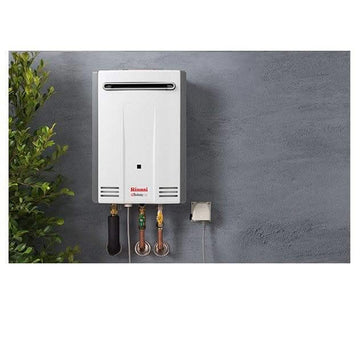
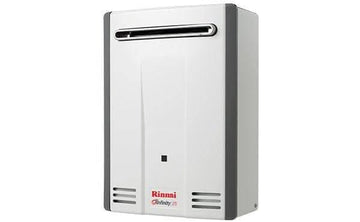
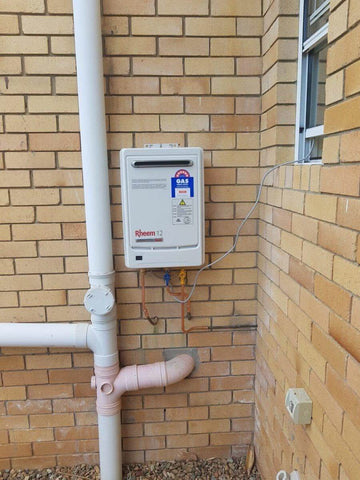
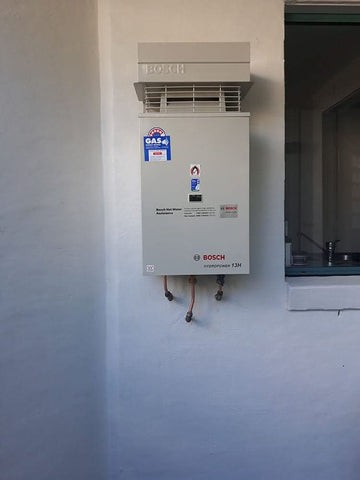
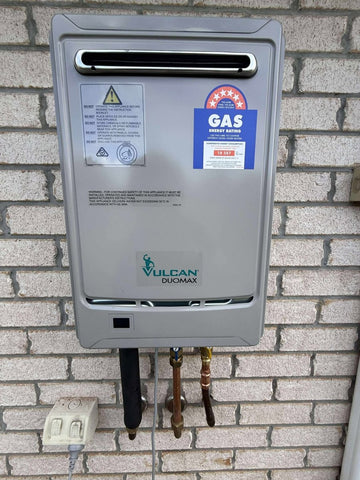
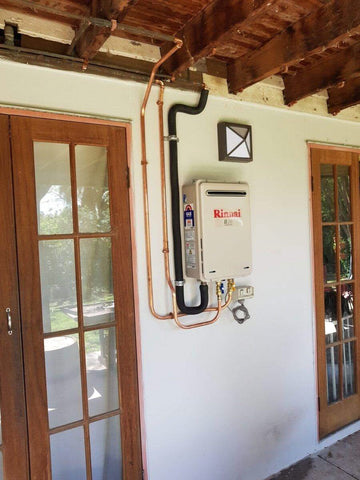
An instant gas hot water system heats water as it flows through the unit. It does not store hot water in a tank. When a hot tap opens, the burner activates and heats the water on demand.
These systems are commonly called:
-
Continuous flow gas hot water systems
-
Instantaneous gas hot water systems
-
Instant gas hot water systems
-
Tankless gas hot water systems
Best suited to
-
Homes with suitable natural gas supply
-
LPG homes with correctly sized bottles, regulators and pipework
-
Replacing older gas storage systems
-
Homes wanting a compact wall-mounted unit
-
Households wanting continuous hot water within the unit’s rated capacity
-
Properties where storage tank space is limited
Things to consider
Continuous flow units need the correct gas supply, pipe sizing, regulator setup and installation location. Some models also require power for ignition and controls. If the gas supply is undersized, the unit may not perform properly even if the unit itself is high quality.
The current system matters
Your existing hot water system has a big impact on the best replacement option.
If you already have gas storage
Replacing an old gas storage system with a new gas storage unit may be straightforward if the location, pipework and compliance setup are still suitable.
Switching from gas storage to continuous flow may also be a good option, especially if you want to free up space or remove the stored tank. The gas supply still needs to be checked because continuous flow systems can have high gas demand when operating at full capacity.
If you already have instant gas hot water
A like-for-like continuous flow replacement may be practical if the existing system was correctly sized and installed. The plumber or gas fitter should still check the unit capacity, clearances, gas supply and whether the old system had any performance issues.
If you currently have electric storage
Changing from electric storage to gas hot water can involve more work. The home needs a suitable natural gas or LPG supply, compliant gas pipework, correct appliance location and often electrical access for modern continuous flow units.
In some cases, a heat pump hot water system or solar hot water system may be a better comparison than converting to gas.
If you use LPG
LPG gas hot water can work well, but the LPG supply must be designed correctly. A small BBQ-style bottle is not suitable for a household gas hot water system.
For LPG homes, the installer needs to check:
-
Bottle size
-
Regulator capacity
-
Pipe sizing
-
Total MJ/h appliance demand
-
Whether cooking, heating and hot water run from the same supply
-
Bottle location and compliance clearances
-
Delivery access for bottle replacement
Natural gas vs LPG
Natural gas and LPG are not interchangeable without the correct appliance setup. A gas hot water system must be matched to the gas type it is designed for.
Natural gas
Natural gas can be a practical option where the home is already connected. It is commonly used for continuous flow hot water systems, cooking and heating in suitable areas.
LPG
LPG is common for homes without natural gas access, especially acreage, semi-rural and outer suburban properties. It can suit hot water, cooking and heating, but the cylinder setup and pipework must be sized properly.
If the gas bottles, regulator or pipework are undersized, the hot water system may shut down, run poorly or fail to deliver full output.
How household size affects gas hot water choice
The number of people in the home matters, but it is not the only sizing factor.
A two-person home with one bathroom may have very different requirements from a five-person home with two bathrooms, a large bath and teenagers showering back-to-back.
Consider:
-
Number of people in the home
-
Number of bathrooms
-
Whether showers are used at the same time
-
Shower flow rates
-
Bath use
-
Kitchen and laundry hot water use
-
Morning and evening peak demand
-
Whether guests or extended family often stay
-
Future household changes
The best gas hot water system should be sized for real usage, not just household headcount.
Flow rate matters for continuous flow systems
Continuous flow gas hot water systems are often described by their litre-per-minute capacity. A higher L/min rating can supply more hot water, but the actual performance depends on incoming water temperature, set temperature, gas supply and flow demand.
For example, a home with one bathroom may not need the same system as a home with two bathrooms where both showers may run at the same time.
A licensed installer should consider:
-
Number of fixtures likely to run together
-
Incoming water temperature
-
Desired outlet temperature
-
Distance from the unit to bathrooms
-
Gas supply capacity
-
Whether temperature controllers are required
Installation location is important
The location of the hot water system can affect both performance and cost.
Key location factors include:
-
Indoor or outdoor installation
-
Wall space for continuous flow units
-
Ground space for storage systems
-
Access for servicing
-
Flueing and ventilation requirements
-
Clearance from doors, windows and openings
-
Distance to bathrooms and kitchen
-
Existing pipework location
-
Drainage and safe discharge points
-
Exposure to weather or coastal corrosion
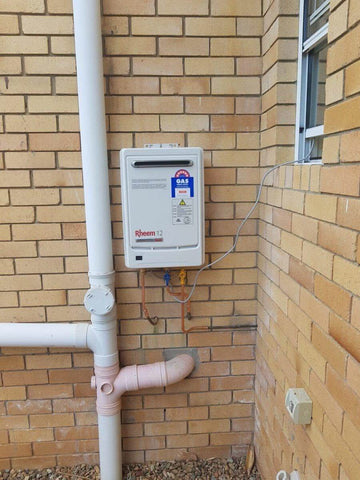
External gas continuous flow units are common, but they still need to be installed in a compliant location.
Compliance and certification
Domestic hot water systems sold and installed in Australia must meet relevant approval and compliance requirements. For water and plumbing products, WaterMark certification is an important part of product compliance. Gas appliances also need to be approved for use with the relevant gas type and installed according to the applicable standards and manufacturer requirements.
The customer does not need to become an expert in the Plumbing Code or gas standards. The important step is choosing a suitable approved product and having it installed by the right licensed trade.
Gas work should always be completed by a licensed gas fitter. Plumbing work should be completed by a licensed plumber. Electrical work should be completed by a licensed electrician where required.
Why the installer matters as much as the unit
A good hot water system can perform badly if it is installed incorrectly, undersized or connected to the wrong supply setup.
When choosing an installer, look for:
-
Relevant gas fitting and plumbing licensing
-
Clear product advice
-
Experience with both storage and continuous flow systems
-
Willingness to compare options, not just push one brand
-
Practical guidance based on photos and site details
-
Clear pricing and scope
-
Strong customer reviews
-
Safe compliance-focused advice
A good installer should explain why a system suits your home, not just tell you it is the most popular option.
Running cost and long-term value
Gas hot water running costs depend on the system type, fuel source, usage and efficiency. Natural gas, LPG, electric storage, heat pump and solar hot water all have different cost profiles.
A lower upfront price does not always mean better value. For example:
-
A cheaper system may cost more to run
-
A poorly sized unit may perform badly
-
LPG may be less attractive if bottle supply costs are high
-
A heat pump may suit homes with solar PV
-
Solar hot water may suit homes with good roof exposure
-
Gas continuous flow may suit homes already connected to natural gas
JR Gas & Water can help compare the practical replacement options instead of assuming gas is always the best answer.
Brisbane and Gold Coast installation considerations
Across Brisbane, Gold Coast and South East Queensland, gas hot water installations can vary widely from home to home.
Common local considerations include:
-
Older Brisbane homes with existing gas pipework
-
Renovated Queenslanders with changed bathroom layouts
-
Townhouses with limited external wall space
-
Body corporate rules
-
Coastal corrosion exposure on the Gold Coast
-
LPG bottle locations on acreage properties
-
Long pipe runs to bathrooms
-
Homes converting from electric to gas
-
Outdoor unit placement near bedrooms or boundaries
-
Access for future servicing
-
Natural gas availability by street or suburb
A system that suits one home may not suit another home in the same suburb.
What to send when asking for a gas hot water quote
To get a more accurate recommendation, send:
-
A photo of the existing hot water system
-
A close-up of the model plate
-
Photos showing the surrounding pipework
-
A photo of the gas meter or LPG bottles
-
The number of people in the home
-
Number of bathrooms
-
Whether multiple showers run at once
-
Whether the home uses natural gas or LPG
-
Whether you want storage or continuous flow
-
Any current issues, such as running out of hot water or fault codes
-
Photos of access around the system
This helps narrow down the right system faster and reduces guesswork.
What can go wrong if the wrong system is chosen?
Choosing the wrong gas hot water system can lead to:
-
Poor hot water flow
-
Temperature fluctuations
-
System fault codes
-
Not enough hot water at peak times
-
Gas supply issues
-
Higher-than-expected running costs
-
Extra upgrade costs after the quote
-
Poor access for servicing
-
Non-compliant installation locations
-
A system that does not suit the household
The right system should match the gas supply, site conditions and household demand.
Gas hot water vs heat pump, solar and electric
Gas hot water is not the only option. Depending on the home, it may be worth comparing several system types.
| System type | Best suited to | Main consideration |
|---|---|---|
| Gas continuous flow | Homes with suitable gas supply and moderate to high hot water use | Gas capacity and flow rate must suit the home |
| Gas storage | Like-for-like gas storage replacements | Takes up more space and stores heated water |
| Heat pump | Homes wanting efficient electric hot water, especially with solar PV | Needs suitable outdoor airflow and location |
| Solar hot water | Homes with good roof space and sun exposure | Roof orientation, shading and boosting matter |
| Electric storage | Simple replacement where budget and simplicity matter | Running costs may be higher depending on tariff |
The best option depends on the home, not just the appliance category.
What JR Gas & Water can help with
JR Gas & Water can help with:
-
Gas hot water replacement advice
-
Gas storage and continuous flow comparisons
-
Natural gas and LPG system checks
-
Hot water system sizing
-
Replacement recommendations from photos
-
Gas fitting requirements
-
Hot water repairs and servicing
-
Comparing gas, electric, heat pump and solar options
-
Practical advice for Brisbane, Gold Coast and nearby SEQ homes
Related JR Gas & Water services
FAQs
What information does a plumber need to quote a gas hot water system?
A plumber or gas fitter usually needs photos of the existing system, the model plate, gas meter or LPG bottles, pipework, installation area, household size, number of bathrooms and whether the home uses natural gas or LPG.
Is continuous flow the same as instantaneous gas hot water?
In most domestic hot water conversations, yes. Continuous flow, instantaneous, instant gas and tankless gas hot water usually refer to systems that heat water on demand instead of storing hot water in a tank.
Is gas storage or continuous flow better?
Continuous flow is often better for homes wanting a compact wall-mounted system and hot water on demand. Gas storage can still be a practical option for some like-for-like replacements or homes where continuous flow gas supply upgrades are not suitable.
Can I replace gas storage with instant gas hot water?
Often yes, but the gas supply, pipe sizing, unit location and compliance clearances need to be checked. Continuous flow units can have high gas demand when operating at full output.
Do LPG homes need a different gas hot water system?
Yes. LPG systems must be designed for LPG, and the bottle, regulator and pipework setup must be sized correctly. A natural gas appliance cannot simply be connected to LPG unless it is approved and correctly converted where allowed.
How do I know what size gas hot water system I need?
The right size depends on the number of bathrooms, shower flow rates, household size, peak demand, incoming water temperature and gas supply. For continuous flow systems, litre-per-minute capacity is important, but it must be matched to the home.
Should I choose gas hot water if I already have solar panels?
Not always. If you have solar PV, a heat pump may be worth comparing because it can use electricity efficiently and may suit daytime operation. Gas hot water may still suit homes with existing gas supply and high hot water demand.
Is natural gas cheaper than LPG for hot water?
Natural gas is often more attractive where it is already connected, but the real cost depends on tariffs, appliance efficiency, installation requirements and household usage. LPG can work well, but bottle supply and gas demand need to be considered.
Need help choosing the right gas hot water system?
If your current hot water system is leaking, unreliable, undersized or due for replacement, JR Gas & Water can help compare suitable gas, electric, solar and heat pump options for your home.
Compare instant gas hot water systems, browse gas storage hot water systems, or send photos and model details through for a practical recommendation.


Plumbing & Gas Fitting Across South East Queensland
Looking for a local plumber? JR Gas & Water provides plumbing and gas fitting services throughout Greater Brisbane, Logan, Ipswich, Moreton Bay, Redlands and the Gold Coast.
View all plumbing & gas fitting service areas